Welcome to Adventist Angels Watchman Radio official website, preparing the earth for Jesus Christ return Shortly, find us on Facebook, Twitter and You-tube. +254734228119 With Ev. King Osiemo
While appearing to the children of men as a great physician who can heal all their maladies, he will bring disease and disaster, until populous cities are reduced to ruin and desolation. Even now he is at work. In accidents and calamities by sea and by land, in great conflagrations, in fierce tornadoes and terrific hailstorms, in tempests, floods, cyclones, tidal waves, and earthquakes, in every place and in a thousand forms, Satan is exercising his power. He sweeps away the ripening harvest, and famine and distress follow. He imparts to the air a deadly taint, and thousands perish by the pestilence. These visitations are to become more and more frequent and disastrous. Destruction will be upon both man and beast. “The earth mourneth and fadeth away,” “the haughty people … do languish. The earth also is defiled under the inhabitants thereof; because they have transgressed the laws, changed the ordinance, broken the everlasting covenant.” Isaiah 24:4, 5. GC 589.3
The Great Controversy Between Christ and Satan by Ellen G White
And then the great deceiver will persuade men that those who serve God are causing these evils. The class that have provoked the displeasure of Heaven will charge all their troubles upon those whose obedience to God’s commandments is a perpetual reproof to transgressors. It will be declared that men are offending God by the violation of the Sunday sabbath; that this sin has brought calamities which will not cease until Sunday observance shall be strictly enforced; and that those who present the claims of the fourth commandment, thus destroying reverence for Sunday, are troublers of the people, preventing their restoration to divine favor and temporal prosperity. Thus the accusation urged of old against the servant of God will be repeated and upon grounds equally well established: “And it came to pass, when Ahab saw Elijah, that Ahab said unto him, Art thou he that troubleth Israel? And he answered, I have not troubled Israel; but thou, and thy father’s house, in that ye have forsaken the commandments of the Lord, and thou hast followed Baalim.” 1 Kings 18:17, 18. As the wrath of the people shall be excited by false charges, they will pursue a course toward God’s ambassadors very similar to that which apostate Israel pursued toward Elijah. GC 589.3 – GC 590.1
Restoring The Solemnity And The Spirit Of The Day Of The Lord By Participation In The Sunday Eucharist
My dear Rev Monsignors, Fathers, Consecrated Persons, brothers and sisters,
More than three years have passed since the Covid-19 pandemic overturned the routines of our daily lives and put the health of our people at great risk. To protect our vulnerable parishioners, I took the difficult and drastic step of closing our churches so as to minimize our contributing to the worsening of the outbreak. Necessarily, the obligation for Catholics to attend Mass on Sunday was also lifted. Now that society is returning to normalcy with Covid-19 under control and health risks minimalised, it is time that we insist our faithful return to the Sunday Eucharist, to ensure that their communion with God and the Church is strengthened.
The enemy has used the chain of dependence to draw men together. They have united to destroy God’s image in man, to counterwork the gospel by perverting its principles. They are represented in God’s word as being bound in bundles to be burned. Satan is uniting his forces for perdition. The unity of God’s chosen people has been terribly shaken. 6T 241.5
The Sunday Eucharist has always been held in great importance by the Church. The commemoration of the Lord’s resurrection is a tradition going back to the Apostles and hence called the Lord’s Day. Celebrating the resurrection of our Lord is the heart of Christian Faith. It is the basis of our faith in Jesus as the Christ, the Son of God. It is also the answer to the world’s despair and the meaning of life.
For this reason, the Church has legislated that “on Sundays and other holy days of obligation the faithful are bound to participate in the Mass.” (Catechism of the Catholic Church, No 2180 cf Canon Law 1247.) It also states that “unless excused for a serious reason (for example, illness, the care of infants, or vulnerable to infectious disease) or given dispensation by their own pastor, those who deliberately fail in this obligation commit a grave sin.” (CCC 2181, cf Canon Law 1245) This law is imposed not to make our lives inconvenient but to underscore the grave obligation that active participation in the Sunday Eucharist is vital for Christian life. We must not reduce Sunday, the Day of the Lord simply to a weekend of rest, shopping, dining, or engaging in cultural and sporting activities. Church Laws are given more for the weak, and not so much for those who are disciplined in their spiritual life.
Church Laws are also important to strengthen the community and to help them walk together in faith. That is why we should not merely fulfil the obligation in a perfunctory manner but interiorise the Spirit of the Sunday Obligation. Just “attending Mass” itself would not be the right spirit in fulfilling this obligation. One must participate in the Mass with the intention of giving glory to God, to consecrate the entire day to Him by sharing our life and love with our fellow Catholics and extending the love we receive with those who do not know Christ especially by our works of charity.
However, whilst I see the need to restore the Sunday Obligation to participate in the Eucharist, our local churches are faced with another hurdle – fulfilling our Singapore Civil Defence Force Fire Safety requirements as legislated by the Fire Safety (Amendment) Act 2019 in order to protect our worshippers. Government regulations do not allow overcrowding in places of worship so that our worshippers be kept safe. Simply put, this means the number of people admitted to a hall or room cannot exceed the occupancy limit whether standing or sitting. If the place of worship is built for 1000 people, only that number are permitted within that church hall. This also means that most of our churches would be unable to accommodate every worshipper in the church hall for some Masses.
As St John Paul II wrote in Dies Domini, “Because the faithful are obliged to attend Mass unless there is a grave impediment, Pastors have the corresponding duty to offer to everyone the real possibility of fulfilling the precept. The provisions of Church law move in this direction.” (Dies Domini, 49). Indeed, it would not be a just law if the faithful are prevented from attending Mass on Sunday simply because one cannot enter the main church hall. Therefore, parishes must make the liturgy available to those standing outside the main worship area through live-feeds in classrooms or open spaces – so that all who come may participate actively in the Mass.
I also ask that our lay faithful be understanding and to cooperate with their hospitality ministers, wardens, members of their PEPT volunteers as they are to ensure safety for all.
Parishioners should not only think of their own convenience which may cause danger to others as some Masses are overcrowded and some churches more packed than others. We pray that there can be a change of mindset and lifestyle, that parishioners attend those Masses that are less crowded or even attend Mass in parishes that have more than ample seats. There have been many instances where parishioners overwhelm a church when another nearby church is only half or three quarters full.
Finally, we should continue to make the online Masses available to the faithful who because of illness or for some serious reason cannot take part in the Sunday Eucharist. Although such participation does not itself fulfil the Sunday Obligation, which requires us to be physically present in the Church and to possibly* receive Holy Communion, it offers much help and consolation to these faithful. It would be ideal if these online Masses are followed by having Extraordinary Ministers of Holy Communion bring the Eucharist to the faithful at home or in hospitals and with it the solidarity of the Christian community.
Taking all this into consideration, I revoke the decree which took effect at 12pm on 15 February 2020 when the obligatory Sunday Mass attendance was dispensed with. Participation in the Sunday Eucharist or the Vigil Mass on Saturday is once again required to fulfil the Sunday Obligation, which includes keeping the day holy. This will officially be reinstated on Easter Sunday 9th April 2023.
Yours devotedly in the Lord,
✠ William Cardinal Goh Archbishop of Singapore Promulgated on 10th Mar 2023
N.B. *Inserted “to possibly” for clarification 11.03.2023
Satan well knew that the Holy Scriptures would enable men to discern his deceptions and withstand his power. It was by the word that even the Saviour of the world had resisted his attacks. At every assault, Christ presented the shield of eternal truth, saying, “It is written.” To every suggestion of the adversary, He opposed the wisdom and power of the word. In order for Satan to maintain his sway over men, and establish the authority of the papal usurper, he must keep them in ignorance of the Scriptures. The Bible would exalt God and place finite men in their true position; therefore its sacred truths must be concealed and suppressed. This logic was adopted by the Roman Church. For hundreds of years the circulation of the Bible was prohibited. The people were forbidden to read it or to have it in their houses, and unprincipled priests and prelates interpreted its teachings to sustain their pretensions. Thus the pope came to be almost universally acknowledged as the vicegerent of God on earth, endowed with authority over church and state.
The detector of error having been removed, Satan worked according to his will. Prophecy had declared that the papacy was to “think to change times and laws.” Daniel 7:25. This work it was not slow to attempt. To afford converts from heathenism a substitute for the worship of idols, and thus to promote their nominal acceptance of Christianity, the adoration of images and relics was gradually introduced into the Christian worship. The decree of a general council (see Appendix) finally established this system of idolatry. To complete the sacrilegious work, Rome presumed to expunge from the law of God the second commandment, forbidding image worship, and to divide the tenth commandment, in order to preserve the number.
The spirit of concession to paganism opened the way for a still further disregard of Heaven’s authority. Satan, working through unconsecrated leaders of the church, tampered with the fourth commandment also, and essayed to set aside the ancient Sabbath, the day which God had blessed and sanctified (Genesis 2:2, 3), and in its stead to exalt the festival observed by the heathen as “the venerable day of the sun.” This change was not at first attempted openly. In the first centuries the true Sabbath had been kept by all Christians. They were jealous for the honor of God, and, believing that His law is immutable, they zealously guarded the sacredness of its precepts. But with great subtlety Satan worked through his agents to bring about his object. That the attention of the people might be called to the Sunday, it was made a festival in honor of the resurrection of Christ. Religious services were held upon it; yet it was regarded as a day of recreation, the Sabbath being still sacredly observed.
To prepare the way for the work which he designed to accomplish, Satan had led the Jews, before the advent of Christ, to load down the Sabbath with the most rigorous exactions, making its observance a burden. Now, taking advantage of the false light in which he had thus caused it to be regarded, he cast contempt upon it as a Jewish institution. While Christians generally continued to observe the Sunday as a joyous festival, he led them, in order to show their hatred of Judaism, to make the Sabbath a fast, a day of sadness and gloom.
In the early part of the fourth century the emperor Constantine issued a decree making Sunday a public festival throughout the Roman Empire. (See Appendix.) The day of the sun was reverenced by his pagan subjects and was honored by Christians; it was the emperor’s policy to unite the conflicting interests of heathenism and Christianity. He was urged to do this by the bishops of the church, who, inspired by ambition and thirst for power, perceived that if the same day was observed by both Christians and heathen, it would promote the nominal acceptance of Christianity by pagans and thus advance the power and glory of the church. But while many God-fearing Christians were gradually led to regard Sunday as possessing a degree of sacredness, they still held the true Sabbath as the holy of the Lord and observed it in obedience to the fourth commandment. The archdeceiver had not completed his work. He was resolved to gather the Christian world under his banner and to exercise his power through his vicegerent, the proud pontiff who claimed to be the representative of Christ. Through half-converted pagans, ambitious prelates, and world-loving churchmen he accomplished his purpose. Vast councils were held from time to time, in which the dignitaries of the church were convened from all the world. In nearly every council the Sabbath which God had instituted was pressed down a little lower, while the Sunday was correspondingly exalted. Thus the pagan festival came finally to be honored as a divine institution, while the Bible Sabbath was pronounced a relic of Judaism, and its observers were declared to be accursed.
The great apostate had succeeded in exalting himself “above all that is called God, or that is worshiped.” 2 Thessalonians 2:4. He had dared to change the only precept of the divine law that unmistakably points all mankind to the true and living God. In the fourth commandment, God is revealed as the Creator of the heavens and the earth, and is thereby distinguished from all false gods. It was as a memorial of the work of creation that the seventh day was sanctified as a rest day for man. It was designed to keep the living God ever before the minds of men as the source of being and the object of reverence and worship. Satan strives to turn men from their allegiance to God, and from rendering obedience to His law; therefore he directs his efforts especially against that commandment which points to God as the Creator.
Protestants now urge that the resurrection of Christ on Sunday made it the Christian Sabbath. But Scripture evidence is lacking. No such honor was given to the day by Christ or His apostles. The observance of Sunday as a Christian institution had its origin in that “mystery of lawlessness” (2 Thessalonians 2:7, R.V.) which, even in Paul’s day, had begun its work. Where and when did the Lord adopt this child of the papacy? What valid reason can be given for a change which the Scriptures do not sanction? GC 51.3 – GC 54.1
Marvelous in her shrewdness and cunning is the Roman Church. She can read what is to be. She bides her time, seeing that the Protestant churches are paying her homage in their acceptance of the false sabbath and that they are preparing to enforce it by the very means which she herself employed in bygone days. Those who reject the light of truth will GC 580.1
And the ten horns which thou sawest are ten kings, which have received no kingdom as yet; but receive power as kings one hour with the beast.These have one mind, and shall give their power and strength unto the beast. Revelation:17:12-13
These records of the past clearly reveal the enmity of Rome toward the true Sabbath and its defenders, and the means which she employs to honor the institution of her creating. The word of God teaches that these scenes are to be repeated as Roman Catholics and Protestants shall unite for the exaltation of the Sunday.
The prophecy of Revelation 13 declares that the power represented by the beast with lamblike horns shall cause “the earth and them which dwell therein” to worship the papacy—there symbolized by the beast “like unto a leopard.” The beast with two horns is also to say “to them that dwell on the earth, that they should make an image to the beast;” and, furthermore, it is to command all, “both small and great, rich and poor, free and bond,” to receive the mark of the beast. Revelation 13:11-16. It has been shown that the United States is the power represented by the beast with lamblike horns, and that this prophecy will be fulfilled when the United States shall enforce Sunday observance, which Rome claims as the special acknowledgment of her supremacy. But in this homage to the papacy the United States will not be alone. The influence of Rome in the countries that once acknowledged her dominion is still far from being destroyed. And prophecy foretells a restoration of her power. “I saw one of his heads as it were wounded to death; and his deadly wound was healed: and all the world wondered after the beast.” Verse 3. The infliction of the deadly wound points to the downfall of the papacy in 1798. After this, says the prophet, “his deadly wound was healed: and all the world wondered after the beast.” Paul states plainly that the “man of sin” will continue until the second advent. 2 Thessalonians 2:3-8. To the very close of time he will carry forward the work of deception. And the revelator declares, also referring to the papacy: “All that dwell upon the earth shall worship him, whose names are not written in the book of life.” Revelation 13:8. In both the Old and the New World, the papacy will receive homage in the honor paid to the Sunday institution, that rests solely upon the authority of the Roman Church.
Since the middle of the nineteenth century, students of prophecy in the United States have presented this testimony to the world. In the events now taking place is seen a rapid advance toward the fulfillment of the prediction. With Protestant teachers there is the same claim of divine authority for Sundaykeeping, and the same lack of Scriptural evidence, as with the papal leaders who fabricated miracles to supply the place of a command from God. The assertion that God’s judgments are visited upon men for their violation of the Sunday-sabbath, will be repeated; already it is beginning to be urged. And a movement to enforce Sunday observance is fast gaining ground.
Marvelous in her shrewdness and cunning is the Roman Church. She can read what is to be. She bides her time, seeing that the Protestant churches are paying her homage in their acceptance of the false sabbath and that they are preparing to enforce it by the very means which she herself employed in bygone days. Those who reject the light of truth will yet seek the aid of this self-styled infallible power to exalt an institution that originated with her. How readily she will come to the help of Protestants in this work it is not difficult to conjecture. Who understands better than the papal leaders how to deal with those who are disobedient to the church?
The Roman Catholic Church, with all its ramifications throughout the world, forms one vast organization under the control, and designed to serve the interests, of the papal see. Its millions of communicants, in every country on the globe, are instructed to hold themselves as bound in allegiance to the pope. Whatever their nationality or their government, they are to regard the authority of the church as above all other. Though they may take the oath pledging their loyalty to the state, yet back of this lies the vow of obedience to Rome, absolving them from every pledge inimical to her interests.
History testifies of her artful and persistent efforts to insinuate herself into the affairs of nations; and having gained a foothold, to further her own aims, even at the ruin of princes and people. In the year 1204, Pope Innocent III extracted from Peter II, king of Arragon, the following extraordinary oath: “I, Peter, king of Arragonians, profess and promise to be ever faithful and obedient to my lord, Pope Innocent, to his Catholic successors, and the Roman Church, and faithfully to preserve my kingdom in his obedience, defending the Catholic faith, and persecuting heretical pravity.”—John Dowling, The History of Romanism, b. 5, ch. 6, sec. 55. This is in harmony with the claims regarding the power of the Roman pontiff “that it is lawful for him to depose emperors” and “that he can absolve subjects from their allegiance to unrighteous rulers.”—Mosheim, b. 3, cent. 11, pt. 2, ch. 2, sec. 9, note 17. (See also Appendix note for page 447.)
And let it be remembered, it is the boast of Rome that she never changes. The principles of Gregory VII and Innocent III are still the principles of the Roman Catholic Church. And had she but the power, she would put them in practice with as much vigor now as in past centuries. Protestants little know what they are doing when they propose to accept the aid of Rome in the work of Sunday exaltation. While they are bent upon the accomplishment of their purpose, Rome is aiming to re-establish her power, to recover her lost supremacy. Let the principle once be established in the United States that the church may employ or control the power of the state; that religious observances may be enforced by secular laws; in short, that the authority of church and state is to dominate the conscience, and the triumph of Rome in this country is assured.
The eye also of the adulterer waiteth for the twilight, saying, No eye shall see me: and disguiseth his face. Job:24:15, Saying, Let us alone; what have we to do with thee, thou Jesus of Nazareth? art thou come to destroy us? I know thee who thou art; the Holy One of God. Luke:4:34
God’s word has given warning of the impending danger; let this be unheeded, and the Protestant world will learn what the purposes of Rome really are, only when it is too late to escape the snare. She is silently growing into power. Her doctrines are exerting their influence in legislative halls, in the churches, and in the hearts of men. She is piling up her lofty and massive structures in the secret recesses of which her former persecutions will be repeated. Stealthily and unsuspectedly she is strengthening her forces to further her own ends when the time shall come for her to strike. All that she desires is vantage ground, and this is already being given her. We shall soon see and shall feel what the purpose of the Roman element is. Whoever shall believe and obey the word of God will thereby incur reproach and persecution. GC 578.2 – GC 581.2
Latimer maintained from the pulpit that the Bible ought to be read in the language of the people. The Author of Holy Scripture, said he, “is God Himself;” and this Scripture partakes of the might and eternity of its Author. “There is no king, emperor, magistrate, and ruler … but are bound to obey … His holy word.” “Let us not take any bywalks, but let God’s word direct us: let us not walk after … our forefathers, nor seek not what they did, but what they should have done.”—Hugh Latimer, “First Sermon Preached Before King Edward VI.”
Barnes and Frith, the faithful friends of Tyndale, arose to defend the truth. The Ridleys and Cranmer followed. These leaders in the English Reformation were men of learning, and most of them had been highly esteemed for zeal or piety in the Romish communion. Their opposition to the papacy was the result of their knowledge of the errors of the “holy see.” Their acquaintance with the mysteries of Babylon gave greater power to their testimonies against her.
“Now I would ask a strange question,” said Latimer. “Who is the most diligent bishop and prelate in all England? … I see you listening and hearkening that I should name him…. I will tell you: it is the devil…. He is never out of his diocese; call for him when you will, he is ever at home; … he is ever at his plow…. Ye shall never find him idle, I warrant you…. Where the devil is resident, … there away with books, and up with candles; away with Bibles, and up with beads; away with the light of the gospel, and up with the light of candles, yea, at noondays; … down with Christ’s cross, up with purgatory pickpurse; … away with clothing the naked, the poor, and impotent, up with decking of images and gay garnishing of stocks and stones; up with man’s traditions and his laws, down with God’s traditions and His most holy word…. O that our prelates would be as diligent to sow the corn of good doctrine, as Satan is to sow cockle and darnel!”— Ibid., “Sermon of the Plough.” The grand principle maintained by these Reformers—the same that had been held by the Waldenses, by Wycliffe, by John Huss, by Luther, Zwingli, and those who united with them—was the infallible authority of the Holy Scriptures as a rule of faith and practice. They denied the right of popes, councils, Fathers, and kings, to control the conscience in matters of religion. The Bible was their authority, and by its teaching they tested all doctrines and all claims. Faith in God and His word sustained these holy men as they yielded up their lives at the stake. “Be of good comfort,” exclaimed Latimer to his fellow martyr as the flames were about to silence their voices, “we shall this day light such a candle, by God’s grace, in England, as I trust shall never be put out.”— Works of Hugh Latimer 1:8 .
In Scotland the seeds of truth scattered by Columba and his colaborers had never been wholly destroyed. For hundreds of years after the churches of England submitted to Rome, those of Scotland maintained their freedom. In the twelfth century, however, popery became established here, and in no country did it exercise a more absolute sway. Nowhere was the darkness deeper. Still there came rays of light to pierce the gloom and give promise of the coming day. The Lollards, coming from England with the Bible and the teachings of Wycliffe, did much to preserve the knowledge of the gospel, and every century had its witnesses and martyrs.
With the opening of the Great Reformation came the writings of Luther, and then Tyndale’s English New Testament. Unnoticed by the hierarchy, these messengers silently traversed the mountains and valleys, kindling into new life the torch of truth so nearly extinguished in Scotland, and undoing the work which Rome for four centuries of oppression had done.
Then the blood of martyrs gave fresh impetus to the movement. The papist leaders, suddenly awakening to the danger that threatened their cause, brought to the stake some of the noblest and most honored of the sons of Scotland. They did but erect a pulpit, from which the words of these dying witnesses were heard throughout the land, thrilling the souls of the people with an undying purpose to cast off the shackles of Rome.
Hamilton and Wishart, princely in character as in birth, with a long line of humbler disciples, yielded up their lives at the stake. But from the burning pile of Wishart there came one whom the flames were not to silence, one who under God was to strike the death knell of popery in Scotland.
John Knox had turned away from the traditions and mysticisms of the church, to feed upon the truths of God’s word; and the teaching of Wishart had confirmed his determination to forsake the communion of Rome and join himself to the persecuted Reformers. GC 248.1 – GC 250.2
A large class, even of those who look upon Romanism with no favor, apprehend little danger from her power and influence. Many urge that the intellectual and moral darkness prevailing during the Middle Ages favored the spread of her dogmas, superstitions, and oppression, and that the greater intelligence of modern times, the general diffusion of knowledge, and the increasing liberality in matters of religion forbid a revival of intolerance and tyranny. The very thought that such a state of things will exist in this enlightened age is ridiculed. It is true that great light, intellectual, moral, and religious, is shining upon this generation. In the open pages of God’s Holy Word, light from heaven has been shed upon the world. But it should be remembered that the greater the light bestowed, the greater the darkness of those who pervert and reject it.
A prayerful study of the Bible would show Protestants the real character of the papacy and would cause them to abhor and to shun it; but many are so wise in their own conceit that they feel no need of humbly seeking God that they may be led into the truth. Although priding themselves on their enlightenment, they are ignorant both of the Scriptures and of the power of God. They must have some means of quieting their consciences, and they seek that which is least spiritual and humiliating. What they desire is a method of forgetting God which shall pass as a method of remembering Him. The papacy is well adapted to meet the wants of all these. It is prepared for two classes of mankind, embracing nearly the whole world—those who would be saved by their merits, and those who would be saved in their sins. Here is the secret of its power.
A day of great intellectual darkness has been shown to be favorable to the success of the papacy. It will yet be demonstrated that a day of great intellectual light is equally favorable for its success. In past ages, when men were without God’s word and without the knowledge of the truth, their eyes were blindfolded, and thousands were ensnared, not seeing the net spread for their feet. In this generation there are many whose eyes become dazzled by the glare of human speculations, “science falsely so called;” they discern not the net, and walk into it as readily as if blindfolded. God designed that man’s intellectual powers should be held as a gift from his Maker and should be employed in the service of truth and righteousness; but when pride and ambition are cherished, and men exalt their own theories above the word of God, then intelligence can accomplish greater harm than ignorance. Thus the false science of the present day, which undermines faith in the Bible, will prove as successful in preparing the way for the acceptance of the papacy, with its pleasing forms, as did the withholding of knowledge in opening the way for its aggrandizement in the Dark Ages.
In the movements now in progress in the United States to secure for the institutions and usages of the church the support of the state, Protestants are following in the steps of papists. Nay, more, they are opening the door for the papacy to regain in Protestant America the supremacy which she has lost in the Old World. And that which gives greater significance to this movement is the fact that the principal object contemplated is the enforcement of Sunday observance—a custom which originated with Rome, and which she claims as the sign of her authority. It is the spirit of the papacy—the spirit of conformity to worldly customs, the veneration for human traditions above the commandments of God—that is permeating the Protestant churches and leading them on to do the same work of Sunday exaltation which the papacy has done before them.
If the reader would understand the agencies to be employed in the soon-coming contest, he has but to trace the record of the means which Rome employed for the same object in ages past. If he would know how papists and Protestants united will deal with those who reject their dogmas, let him see the spirit which Rome manifested toward the Sabbath and its defenders.
Royal edicts, general councils, and church ordinances sustained by secular power were the steps by which the pagan festival attained its position of honor in the Christian world. The first public measure enforcing Sunday observance was the law enacted by Constantine. (A.D. 321; see Appendix note for page 53.) This edict required townspeople to rest on “the venerable day of the sun,” but permitted countrymen to continue their agricultural pursuits. Though virtually a heathen statute, it was enforced by the emperor after his nominal acceptance of Christianity GC 572.1 – GC 574.1
The condition of things in the world shows that troublous times are right upon us. The daily papers are full of indications of a terrible conflict in the near future. Bold robberies are of frequent occurrence. Strikes are common. Thefts and murders are committed on every hand. Men possessed of demons are taking the lives of men, women, and little children. Men have become infatuated with vice, and every species of evil prevails.—Testimonies for the Church 9:11. ChS 53.2 – ChS 54.1
Thus saith the LORD of hosts, Behold, evil shall go forth from nation to nation, and a great whirlwind shall be raised up from the coasts of the earth.Jeremiah:25:32
We are living in the midst of an “epidemic of crime,” at which thoughtful, God-fearing men everywhere stand aghast. The corruption that prevails, it is beyond the power of the human pen to describe. Every day brings fresh revelations of political strife, bribery, and fraud. Every day brings its heart-sickening record of violence and lawlessness, of indifference to human suffering, of brutal, fiendish destruction of human life. Every day testifies to the increase of insanity, murder, and suicide. Who can doubt that satanic agencies are at work among men with increasing activity to distract and corrupt the mind, and defile and destroy the body?—The Ministry of Healing, 142, 143.
The spirit of anarchy is permeating all nations, and the outbreaks that from time to time excite the horror of the world are but indications of the pent-up fires of passion and lawlessness that, having once escaped control, will fill the earth with woe and desolation. The picture which Inspiration has given of the antediluvian world, represents too truly the condition to which modern society is fast hastening. Even now, in the present century, and in professedly Christian lands, there are crimes daily perpetrated, as black and terrible as those for which the old-world sinners were destroyed. Before the flood, God sent Noah to warn the world, that the people might be led to repentance, and thus escape the threatened destruction. As the time of Christ’s second appearing draws near, the Lord sends His servants with a warning to the world to prepare for that great event. Multitudes have been living in transgression of God’s law, and now He in mercy calls them to obey its sacred precepts. All who will put away their sins by repentance toward God and faith in Christ, are offered pardon.—Patriarchs and Prophets, 102.
The condition of things in the world shows that troublous times are right upon us. The daily papers are full of indications of a terrible conflict in the near future. Bold robberies are of frequent occurrence. Strikes are common. Thefts and murders are committed on every hand. Men possessed of demons are taking the lives of men, women, and little children. Men have become infatuated with vice, and every species of evil prevails.—Testimonies for the Church 9:11. ChS 53.2 – ChS 54.1
It is as true now as in apostolic days, that without the illumination of the divine Spirit, humanity cannot discern the glory of Christ. The truth and the work of God are unappreciated by a world-loving and compromising Christianity. Not in the ways of ease, of earthly honor or worldly conformity, are the followers of the Master found. They are far in advance, in the paths of toil, and humiliation, and reproach, in the front of the battle “against the principalities, against the powers, against the world rulers of this darkness, against the spiritual hosts of wickedness in the heavenly places.” Ephesians 6:12, R. V. And now, as in Christ’s day, they are misunderstood and reproached and oppressed by the priests and Pharisees of their time.
The kingdom of God comes not with outward show. The gospel of the grace of God, with its spirit of self-abnegation, can never be in harmony with the spirit of the world. The two principles are antagonistic. “The natural man receiveth not the things of the Spirit of God: for they are foolishness unto him: neither can he know them, because they are spiritually discerned.” 1 Corinthians 2:14.
But today in the religious world there are multitudes who, as they believe, are working for the establishment of the kingdom of Christ as an earthly and temporal dominion. They desire to make our Lord the ruler of the kingdoms of this world, the ruler in its courts and camps, its legislative halls, its palaces and market places. They expect Him to rule through legal enactments, enforced by human authority. Since Christ is not now here in person, they themselves will undertake to act in His stead, to execute the laws of His kingdom. The establishment of such a kingdom is what the Jews desired in the days of Christ. They would have received Jesus, had He been willing to establish a temporal dominion, to enforce what they regarded as the laws of God, and to make them the expositors of His will and the agents of His authority. But He said, “My kingdom is not of this world.” John 18:36. He would not accept the earthly throne.
The government under which Jesus lived was corrupt and oppressive; on every hand were crying abuses,—extortion, intolerance, and grinding cruelty. Yet the Saviour attempted no civil reforms. He attacked no national abuses, nor condemned the national enemies. He did not interfere with the authority or administration of those in power. He who was our example kept aloof from earthly governments. Not because He was indifferent to the woes of men, but because the remedy did not lie in merely human and external measures. To be efficient, the cure must reach men individually, and must regenerate the heart.
Not by the decisions of courts or councils or legislative assemblies, not by the patronage of worldly great men, is the kingdom of Christ established, but by the implanting of Christ’s nature in humanity through the work of the Holy Spirit. “As many as received Him, to them gave He power to become the sons of God, even to them that believe on His name: which were born, not of blood, nor of the will of the flesh, nor of the will of man, but of God.” John 1:12, 13. Here is the only power that can work the uplifting of mankind. And the human agency for the accomplishment of this work is the teaching and practicing of the word of God.
When the apostle Paul began his ministry in Corinth, that populous, wealthy, and wicked city, polluted by the nameless vices of heathenism, he said, “I determined not to know anything among you, save Jesus Christ, and Him crucified.” 1 Corinthians 2:2. Writing afterward to some of those who had been corrupted by the foulest sins, he could say, “But ye are washed, but ye are sanctified, but ye are justified in the name of the Lord Jesus, and by the Spirit of our God.” “I thank my God always on your behalf, for the grace of God which is given you by Jesus Christ.” 1 Corinthians 6:11; 1:4.
Now, as in Christ’s day, the work of God’s kingdom lies not with those who are clamoring for recognition and support by earthly rulers and human laws, but with those who are declaring to the people in His name those spiritual truths that will work in the receivers the experience of Paul: “I am crucified with Christ: nevertheless I live; yet not I, but Christ liveth in me.” Galatians 2:20. Then they will labor as did Paul for the benefit of men. He said, “Now then we are ambassadors for Christ, as though God did beseech you by us: we pray you in Christ’s stead, be ye reconciled to God.” 2 Corinthians 5:20. DA 508.4 – DA 510.2
But today in the religious world there are multitudes who, as they believe, are working for the establishment of the kingdom of Christ as an earthly and temporal dominion. They desire to make our Lord the ruler of the kingdoms of this world, the ruler in its courts and camps, its legislative halls, its palaces and market places. They expect Him to rule through legal enactments, enforced by human authority. Since Christ is not now here in person, they themselves will undertake to act in His stead, to execute the laws of His kingdom. The establishment of such a kingdom is what the Jews desired in the days of Christ. They would have received Jesus, had He been willing to establish a temporal dominion, to enforce what they regarded as the laws of God, and to make them the expositors of His will and the agents of His authority. But He said, “My kingdom is not of this world.” John 18:36. He would not accept the earthly throne.
The government under which Jesus lived was corrupt and oppressive; on every hand were crying abuses,—extortion, intolerance, and grinding cruelty. Yet the Saviour attempted no civil reforms. He attacked no national abuses, nor condemned the national enemies. He did not interfere with the authority or administration of those in power. He who was our example kept aloof from earthly governments. Not because He was indifferent to the woes of men, but because the remedy did not lie in merely human and external measures. To be efficient, the cure must reach men individually, and must regenerate the heart DA 509.2 – DA 509.3
Through the two great errors, the immortality of the soul and Sunday sacredness, Satan will bring the people under his deceptions. While the former lays the foundation of spiritualism, the latter creates a bond of sympathy with Rome. The Protestants of the United States will be foremost in stretching their hands across the gulf to grasp the hand of spiritualism; they will reach over the abyss to clasp hands with the Roman power; and under the influence of this threefold union, this country will follow in the steps of Rome in trampling on the rights of conscience. GC 588.1
As priests and rulers combined against them, and they were brought before councils and thrust into prison, the followers of Christ rejoiced “that they were counted worthy to suffer shame for His name.” Acts 5:41. They rejoiced to prove, before men and angels, that they recognized the glory of Christ, and chose to follow Him at the loss of all things. It is as true now as in apostolic days, that without the illumination of the divine Spirit, humanity cannot discern the glory of Christ. The truth and the work of God are unappreciated by a world-loving and compromising Christianity. Not in the ways of ease, of earthly honor or worldly conformity, are the followers of the Master found. They are far in advance, in the paths of toil, and humiliation, and reproach, in the front of the battle “against the principalities, against the powers, against the world rulers of this darkness, against the spiritual hosts of wickedness in the heavenly places.” Ephesians 6:12, R. V. And now, as in Christ’s day, they are misunderstood and reproached and oppressed by the priests and Pharisees of their time.
The kingdom of God comes not with outward show. The gospel of the grace of God, with its spirit of self-abnegation, can never be in harmony with the spirit of the world. The two principles are antagonistic. “The natural man receiveth not the things of the Spirit of God: for they are foolishness unto him: neither can he know them, because they are spiritually discerned.” 1 Corinthians 2:14.
But today in the religious world there are multitudes who, as they believe, are working for the establishment of the kingdom of Christ as an earthly and temporal dominion. They desire to make our Lord the ruler of the kingdoms of this world, the ruler in its courts and camps, its legislative halls, its palaces and market places. They expect Him to rule through legal enactments, enforced by human authority. Since Christ is not now here in person, they themselves will undertake to act in His stead, to execute the laws of His kingdom. The establishment of such a kingdom is what the Jews desired in the days of Christ. They would have received Jesus, had He been willing to establish a temporal dominion, to enforce what they regarded as the laws of God, and to make them the expositors of His will and the agents of His authority. But He said, “My kingdom is not of this world.” John 18:36. He would not accept the earthly throne.
The government under which Jesus lived was corrupt and oppressive; on every hand were crying abuses,—extortion, intolerance, and grinding cruelty. Yet the Saviour attempted no civil reforms. He attacked no national abuses, nor condemned the national enemies. He did not interfere with the authority or administration of those in power. He who was our example kept aloof from earthly governments. Not because He was indifferent to the woes of men, but because the remedy did not lie in merely human and external measures. To be efficient, the cure must reach men individually, and must regenerate the heart.
Not by the decisions of courts or councils or legislative assemblies, not by the patronage of worldly great men, is the kingdom of Christ established, but by the implanting of Christ’s nature in humanity through the work of the Holy Spirit. “As many as received Him, to them gave He power to become the sons of God, even to them that believe on His name: which were born, not of blood, nor of the will of the flesh, nor of the will of man, but of God.” John 1:12, 13. Here is the only power that can work the uplifting of mankind. And the human agency for the accomplishment of this work is the teaching and practicing of the word of God.
When the apostle Paul began his ministry in Corinth, that populous, wealthy, and wicked city, polluted by the nameless vices of heathenism, he said, “I determined not to know anything among you, save Jesus Christ, and Him crucified.” 1 Corinthians 2:2. Writing afterward to some of those who had been corrupted by the foulest sins, he could say, “But ye are washed, but ye are sanctified, but ye are justified in the name of the Lord Jesus, and by the Spirit of our God.” “I thank my God always on your behalf, for the grace of God which is given you by Jesus Christ.” 1 Corinthians 6:11; 1:4.
Now, as in Christ’s day, the work of God’s kingdom lies not with those who are clamoring for recognition and support by earthly rulers and human laws, but with those who are declaring to the people in His name those spiritual truths that will work in the receivers the experience of Paul: “I am crucified with Christ: nevertheless I live; yet not I, but Christ liveth in me.” Galatians 2:20. Then they will labor as did Paul for the benefit of men. He said, “Now then we are ambassadors for Christ, as though God did beseech you by us: we pray you in Christ’s stead, be ye reconciled to God.” 2 Corinthians 5:20. DA 508.3 – DA 510.2
The line of distinction between professed Christians and the ungodly is now hardly distinguishable. Church members love what the world loves and are ready to join with them, and Satan determines to unite them in one body and thus strengthen his cause by sweeping all into the ranks of spiritualism. Papists, who boast of miracles as a certain sign of the true church, will be readily deceived by this wonder-working power; and Protestants, having cast away the shield of truth, will also be deluded. Papists, Protestants, and worldlings will alike accept the form of godliness without the power, and they will see in this union a grand movement for the conversion of the world and the ushering in of the long-expected millennium. GC 588.3
The Great Controversy Between Christ and Satan by Ellen G White
Pilate’s golden opportunity had passed. Yet Jesus did not leave him without further light. While He did not directly answer Pilate’s question, He plainly stated His own mission. He gave Pilate to understand that He was not seeking an earthly throne. “My kingdom is not of this world,” He said; “if My kingdom were of this world, then would My servants fight, that I should not be delivered to the Jews: but now is My kingdom not from hence. Pilate therefore said unto Him, Art Thou a king then? Jesus answered, Thou sayest that I am a king. To this end was I born, and for this cause came I into the world, that I should bear witness unto the truth. Everyone that is of the truth heareth My voice.” DA 727.1 – DA 727.2
In the thirteenth century was established that most terrible of all the engines of the papacy—the Inquisition. The prince of darkness wrought with the leaders of the papal hierarchy. In their secret councils Satan and his angels controlled the minds of evil men, while unseen in the midst stood an angel of God, taking the fearful record of their iniquitous decrees and writing the history of deeds too horrible to appear to human eyes. “Babylon the great” was “drunken with the blood of the saints.” The mangled forms of millions of martyrs cried to God for vengeance upon that apostate power. Popery had become the world’s despot. Kings and emperors bowed to the decrees of the Roman pontiff. The destinies of men, both for time and for eternity, seemed under his control. For hundreds of years the doctrines of Rome had been extensively and implicitly received, its rites reverently performed, its festivals generally observed. Its clergy were honored and liberally sustained. Never since has the Roman Church attained to greater dignity, magnificence, or power. But “the noon of the papacy was the midnight of the world.”—J. A. Wylie, The History of Protestantism, b. 1, ch. 4. The Holy Scriptures were almost unknown, not only to the people, but to the priests. Like the Pharisees of old, the papal leaders hated the light which would reveal their sins. God’s law, the standard of righteousness, having been removed, they exercised power without limit, and practiced vice without restraint. Fraud, avarice, and profligacy prevailed. Men shrank from no crime by which they could gain wealth or position. The palaces of popes and prelates were scenes of the vilest debauchery. Some of the reigning pontiffs were guilty of crimes so revolting that secular rulers endeavored to depose these dignitaries of the church as monsters too vile to be tolerated. For centuries Europe had made no progress in learning, arts, or civilization. A moral and intellectual paralysis had fallen upon Christendom. The condition of the world under the Romish power presented a fearful and striking fulfillment of the words of the prophet Hosea: “My people are destroyed for lack of knowledge: because thou hast rejected knowledge, I will also reject thee: … seeing thou hast forgotten the law of thy God, I will also forget thy children.” “There is no truth, nor mercy, nor knowledge of God in the land. By swearing, and lying, and killing, and stealing, and committing adultery, they break out, and blood toucheth blood.” Hosea 4:6, 1, 2. Such were the results of banishing the word of God. GC 59.3 – GC 60.3
The Great Controversy Between Christ and Satan by Ellen G White
A prayerful study of the Bible would show Protestants the real character of the papacy and would cause them to abhor and to shun it; but many are so wise in their own conceit that they feel no need of humbly seeking God that they may be led into the truth. Although priding themselves on their enlightenment, they are ignorant both of the Scriptures and of the power of God. They must have some means of quieting their consciences, and they seek that which is least spiritual and humiliating. What they desire is a method of forgetting God which shall pass as a method of remembering Him. The papacy is well adapted to meet the wants of all these. It is prepared for two classes of mankind, embracing nearly the whole world—those who would be saved by their merits, and those who would be saved in their sins. Here is the secret of its power. A day of great intellectual darkness has been shown to be favorable to the success of the papacy. It will yet be demonstrated that a day of great intellectual light is equally favorable for its success. In past ages, when men were without God’s word and without the knowledge of the truth, their eyes were blindfolded, and thousands were ensnared, not seeing the net spread for their feet. In this generation there are many whose eyes become dazzled by the glare of human speculations, “science falsely so called;” they discern not the net, and walk into it as readily as if blindfolded. God designed that man’s intellectual powers should be held as a gift from his Maker and should be employed in the service of truth and righteousness; but when pride and ambition are cherished, and men exalt their own theories above the word of God, then intelligence can accomplish greater harm than ignorance. Thus the false science of the present day, which undermines faith in the Bible, will prove as successful in preparing the way for the acceptance of the papacy, with its pleasing forms, as did the withholding of knowledge in opening the way for its aggrandizement in the Dark Ages. In the movements now in progress in the United States to secure for the institutions and usages of the church the support of the state, Protestants are following in the steps of papists. Nay, more, they are opening the door for the papacy to regain in Protestant America the supremacy which she has lost in the Old World. And that which gives greater significance to this movement is the fact that the principal object contemplated is the enforcement of Sunday observance—a custom which originated with Rome, and which she claims as the sign of her authority. It is the spirit of the papacy—the spirit of conformity to worldly customs, the veneration for human traditions above the commandments of God—that is permeating the Protestant churches and leading them on to do the same work of Sunday exaltation which the papacy has done before them. If the reader would understand the agencies to be employed in the soon-coming contest, he has but to trace the record of the means which Rome employed for the same object in ages past. If he would know how papists and Protestants united will deal with those who reject their dogmas, let him see the spirit which Rome manifested toward the Sabbath and its defenders. Royal edicts, general councils, and church ordinances sustained by secular power were the steps by which the pagan festival attained its position of honor in the Christian world. The first public measure enforcing Sunday observance was the law enacted by Constantine. (A.D. 321; see Appendix note for page 53.) This edict required townspeople to rest on “the venerable day of the sun,” but permitted countrymen to continue their agricultural pursuits. Though virtually a heathen statute, it was enforced by the emperor after his nominal acceptance of Christianity. GC 572.2 – GC 574.1
The Great Controversy Between Christ and Satan by Ellen G White
These records of the past clearly reveal the enmity of Rome toward the true Sabbath and its defenders, and the means which she employs to honor the institution of her creating. The word of God teaches that these scenes are to be repeated as Roman Catholics and Protestants shall unite for the exaltation of the Sunday.
The prophecy of Revelation 13 declares that the power represented by the beast with lamblike horns shall cause “the earth and them which dwell therein” to worship the papacy—there symbolized by the beast “like unto a leopard.” The beast with two horns is also to say “to them that dwell on the earth, that they should make an image to the beast;” and, furthermore, it is to command all, “both small and great, rich and poor, free and bond,” to receive the mark of the beast. Revelation 13:11-16. It has been shown that the United States is the power represented by the beast with lamblike horns, and that this prophecy will be fulfilled when the United States shall enforce Sunday observance, which Rome claims as the special acknowledgment of her supremacy. But in this homage to the papacy the United States will not be alone. The influence of Rome in the countries that once acknowledged her dominion is still far from being destroyed. And prophecy foretells a restoration of her power. “I saw one of his heads as it were wounded to death; and his deadly wound was healed: and all the world wondered after the beast.” Verse 3. The infliction of the deadly wound points to the downfall of the papacy in 1798. After this, says the prophet, “his deadly wound was healed: and all the world wondered after the beast.” Paul states plainly that the “man of sin” will continue until the second advent. 2 Thessalonians 2:3-8. To the very close of time he will carry forward the work of deception. And the revelator declares, also referring to the papacy: “All that dwell upon the earth shall worship him, whose names are not written in the book of life.” Revelation 13:8. In both the Old and the New World, the papacy will receive homage in the honor paid to the Sunday institution, that rests solely upon the authority of the Roman Church.
Since the middle of the nineteenth century, students of prophecy in the United States have presented this testimony to the world. In the events now taking place is seen a rapid advance toward the fulfillment of the prediction. With Protestant teachers there is the same claim of divine authority for Sundaykeeping, and the same lack of Scriptural evidence, as with the papal leaders who fabricated miracles to supply the place of a command from God. The assertion that God’s judgments are visited upon men for their violation of the Sunday-sabbath, will be repeated; already it is beginning to be urged. And a movement to enforce Sunday observance is fast gaining ground. Marvelous in her shrewdness and cunning is the Roman Church. She can read what is to be. She bides her time, seeing that the Protestant churches are paying her homage in their acceptance of the false sabbath and that they are preparing to enforce it by the very means which she herself employed in bygone days. Those who reject the light of truth will yet seek the aid of this self-styled infallible power to exalt an institution that originated with her. How readily she will come to the help of Protestants in this work it is not difficult to conjecture. Who understands better than the papal leaders how to deal with those who are disobedient to the church?
The Roman Catholic Church, with all its ramifications throughout the world, forms one vast organization under the control, and designed to serve the interests, of the papal see. Its millions of communicants, in every country on the globe, are instructed to hold themselves as bound in allegiance to the pope. Whatever their nationality or their government, they are to regard the authority of the church as above all other. Though they may take the oath pledging their loyalty to the state, yet back of this lies the vow of obedience to Rome, absolving them from every pledge inimical to her interests.
History testifies of her artful and persistent efforts to insinuate herself into the affairs of nations; and having gained a foothold, to further her own aims, even at the ruin of princes and people. In the year 1204, Pope Innocent III extracted from Peter II, king of Arragon, the following extraordinary oath: “I, Peter, king of Arragonians, profess and promise to be ever faithful and obedient to my lord, Pope Innocent, to his Catholic successors, and the Roman Church, and faithfully to preserve my kingdom in his obedience, defending the Catholic faith, and persecuting heretical pravity.”—John Dowling, The History of Romanism, b. 5, ch. 6, sec. 55. This is in harmony with the claims regarding the power of the Roman pontiff “that it is lawful for him to depose emperors” and “that he can absolve subjects from their allegiance to unrighteous rulers.”—Mosheim, b. 3, cent. 11, pt. 2, ch. 2, sec. 9, note 17. (See also Appendix note for page 447.) And let it be remembered, it is the boast of Rome that she never changes. The principles of Gregory VII and Innocent III are still the principles of the Roman Catholic Church. And had she but the power, she would put them in practice with as much vigor now as in past centuries. Protestants little know what they are doing when they propose to accept the aid of Rome in the work of Sunday exaltation. While they are bent upon the accomplishment of their purpose, Rome is aiming to re-establish her power, to recover her lost supremacy. Let the principle once be established in the United States that the church may employ or control the power of the state; that religious observances may be enforced by secular laws; in short, that the authority of church and state is to dominate the conscience, and the triumph of Rome in this country is assured.
God’s word has given warning of the impending danger; let this be unheeded, and the Protestant world will learn what the purposes of Rome really are, only when it is too late to escape the snare. She is silently growing into power. Her doctrines are exerting their influence in legislative halls, in the churches, and in the hearts of men. She is piling up her lofty and massive structures in the secret recesses of which her former persecutions will be repeated. Stealthily and unsuspectedly she is strengthening her forces to further her own ends when the time shall come for her to strike. All that she desires is vantage ground, and this is already being given her. We shall soon see and shall feel what the purpose of the Roman element is. Whoever shall believe and obey the word of God will thereby incur reproach and persecution. GC 578.2 – GC 581.2
Remote work might incentivize moves, but will digital nomads really help revive the countryside?
The city, together with whatever region people move to, will jointly pay 1 million yen per child ($7,650) to anyone who resettles away from the massive metropolis of 35 million people. The numbers—the government hopes 10,000 families will move by 2027—aren’t likely to make a difference to such a big city, but could help rejuvenate rural areas and places less popular with professionals and young families.
And when ye shall see Jerusalem compassed with armies, then know that the desolation thereof is nigh. Then let them which are in Judaea flee to the mountains; and let them which are in the midst of it depart out; and let not them that are in the countries enter thereinto. For these be the days of vengeance, that all things which are written may be fulfilled.
Luke:21:20-22
They are waxen fat, they shine: yea, they overpass the deeds of the wicked: they judge not the cause, the cause of the fatherless, yet they prosper; and the right of the needy do they not judge.Jeremiah:5:28
Instead of the crowded city, seek some retired situation where your children will be, so far as possible, shielded from temptation, and there train and educate them for usefulness. The prophet Ezekiel thus enumerates the causes that led to Sodom’s sin and destruction: “Pride, fullness of bread, and abundance of idleness was in her and in her daughters; neither did she strengthen the hands of the poor and needy.” All who would escape the doom of Sodom, must shun the course that brought God’s judgments upon that wicked city.—Testimonies for the Church 5:232, 233 (1882). CL 5.4
Christ continues, pointing out the condition of the world at His coming: “As the days of Noah were, so shall also the coming of the Son of man be. For as in the days that were before the Flood they were eating and drinking, marrying and giving in marriage, until the day that Noah entered into the ark, and knew not until the Flood came, and took them all away; so shall also the coming of the Son of man be.” Christ does not here bring to view a temporal millennium, a thousand years in which all are to prepare for eternity. He tells us that as it was in Noah’s day, so will it be when the Son of man comes again. How was it in Noah’s day? “God saw that the wickedness of man was great in the earth, and that every imagination of the thoughts of his heart was only evil continually.” Genesis 6:5. The inhabitants of the antediluvian world turned from Jehovah, refusing to do His holy will. They followed their own unholy imagination and perverted ideas. It was because of their wickedness that they were destroyed; and today the world is following the same way. It presents no flattering signs of millennial glory. The transgressors of God’s law are filling the earth with wickedness. Their betting, their horse racing, their gambling, their dissipation, their lustful practices, their untamable passions, are fast filling the world with violence.
In the prophecy of Jerusalem’s destruction Christ said, “Because iniquity shall abound, the love of many shall wax cold. But he that shall endure unto the end, the same shall be saved. And this gospel of the kingdom shall be preached in all the world for a witness unto all nations; and then shall the end come.” This prophecy will again be fulfilled. The abounding iniquity of that day finds its counterpart in this generation. So with the prediction in regard to the preaching of the gospel. Before the fall of Jerusalem, Paul, writing by the Holy Spirit, declared that the gospel was preached to “every creature which is under heaven.” Colossians 1:23. So now, before the coming of the Son of man, the everlasting gospel is to be preached “to every nation, and kindred, and tongue, and people.” Revelation 14:6, 14. God “hath appointed a day, in the which He will judge the world.” Acts 17:31. Christ tells us when that day shall be ushered in. He does not say that all the world will be converted, but that “this gospel of the kingdom shall be preached in all the world for a witness unto all nations; and then shall the end come.” By giving the gospel to the world it is in our power to hasten our Lord’s return. We are not only to look for but to hasten the coming of the day of God. 2 Peter 3:12, margin. Had the church of Christ done her appointed work as the Lord ordained, the whole world would before this have been warned, and the Lord Jesus would have come to our earth in power and great glory.
After He had given the signs of His coming, Christ said, “When ye see these things come to pass, know ye that the kingdom of God is nigh at hand.” “Take ye heed, watch and pray.” God has always given men warning of coming judgments. Those who had faith in His message for their time, and who acted out their faith, in obedience to His commandments, escaped the judgments that fell upon the disobedient and unbelieving. The word came to Noah, “Come thou and all thy house into the ark; for thee have I seen righteous before Me.” Noah obeyed and was saved. The message came to Lot, “Up, get you out of this place; for the Lord will destroy this city.” Genesis 7:1; 19:14. Lot placed himself under the guardianship of the heavenly messengers, and was saved. So Christ’s disciples were given warning of the destruction of Jerusalem. Those who watched for the sign of the coming ruin, and fled from the city, escaped the destruction. So now we are given warning of Christ’s second coming and of the destruction to fall upon the world. Those who heed the warning will be saved.
Because we know not the exact time of His coming, we are commanded to watch. “Blessed are those servants, whom the Lord when He cometh shall find watching.” Luke 12:37. Those who watch for the Lord’s coming are not waiting in idle expectancy. The expectation of Christ’s coming is to make men fear the Lord, and fear His judgments upon transgression. It is to awaken them to the great sin of rejecting His offers of mercy. Those who are watching for the Lord are purifying their souls by obedience to the truth. With vigilant watching they combine earnest working. Because they know that the Lord is at the door, their zeal is quickened to co-operate with the divine intelligences in working for the salvation of souls. These are the faithful and wise servants who give to the Lord’s household “their portion of meat in due season.” Luke 12:42. They are declaring the truth that is now specially applicable. As Enoch, Noah, Abraham, and Moses each declared the truth for his time, so will Christ’s servants now give the special warning for their generation. But Christ brings to view another class: “If that evil servant shall say in his heart, My lord delayeth his coming; and shall begin to smite his fellow servants, and to eat and drink with the drunken; the lord of that servant shall come in a day when he looketh not for him.”
The evil servant says in his heart, “My lord delayeth his coming.” He does not say that Christ will not come. He does not scoff at the idea of His second coming. But in his heart and by his actions and words he declares that the Lord’s coming is delayed. He banishes from the minds of others the conviction that the Lord is coming quickly. His influence leads men to presumptuous, careless delay. They are confirmed in their worldliness and stupor. Earthly passions, corrupt thoughts, take possession of the mind.The evil servant eats and drinks with the drunken, unites with the world in pleasure seeking. He smites his fellow servants, accusing and condemning those who are faithful to their Master. He mingles with the world. Like grows with like in transgression. It is a fearful assimilation. With the world he is taken in the snare. “The lord of that servant shall come … in an hour that he is not aware of, and shall cut him asunder, and appoint him his portion with the hypocrites.”
“If therefore thou shalt not watch, I will come on thee as a thief, and thou shalt not know what hour I will come upon thee.” Revelation 3:3. The advent of Christ will surprise the false teachers. They are saying, “Peace and safety.” Like the priests and teachers before the fall of Jerusalem, they look for the church to enjoy earthly prosperity and glory. The signs of the times they interpret as foreshadowing this. But what saith the word of Inspiration? “Sudden destruction cometh upon them.” 1 Thessalonians 5:3. Upon all who dwell on the face of the whole earth, upon all who make this world their home, the day of God will come as a snare. It comes to them as a prowling thief.
The world, full of rioting, full of godless pleasure, is asleep, asleep in carnal security. Men are putting afar off the coming of the Lord. They laugh at warnings. The proud boast is made, “All things continue as they were from the beginning.” “Tomorrow shall be as this day, and much more abundant.” 2 Peter 3:4; Isaiah 56:12. We will go deeper into pleasure loving. But Christ says, “Behold, I come as a thief.” Revelation 16:15. At the very time when the world is asking in scorn, “Where is the promise of His coming?” the signs are fulfilling. While they cry, “Peace and safety,” sudden destruction is coming. When the scorner, the rejecter of truth, has become presumptuous; when the routine of work in the various money-making lines is carried on without regard to principle; when the student is eagerly seeking knowledge of everything but his Bible, Christ comes as a thief.
Everything in the world is in agitation. The signs of the times are ominous. Coming events cast their shadows before. The Spirit of God is withdrawing from the earth, and calamity follows calamity by sea and by land. There are tempests, earthquakes, fires, floods, murders of every grade. Who can read the future? Where is security? There is assurance in nothing that is human or earthly. Rapidly are men ranging themselves under the banner they have chosen. Restlessly are they waiting and watching the movements of their leaders. There are those who are waiting and watching and working for our Lord’s appearing. Another class are falling into line under the generalship of the first great apostate. Few believe with heart and soul that we have a hell to shun and a heaven to win. The crisis is stealing gradually upon us. The sun shines in the heavens, passing over its usual round, and the heavens still declare the glory of God. Men are still eating and drinking, planting and building, marrying, and giving in marriage. Merchants are still buying and selling. Men are jostling one against another, contending for the highest place. Pleasure lovers are still crowding to theaters, horse races, gambling hells. The highest excitement prevails, yet probation’s hour is fast closing, and every case is about to be eternally decided. Satan sees that his time is short. He has set all his agencies at work that men may be deceived, deluded, occupied and entranced, until the day of probation shall be ended, and the door of mercy be forever shut. Solemnly there come to us down through the centuries the warning words of our Lord from the Mount of Olives: “Take heed to yourselves, lest at any time your hearts be overcharged with surfeiting, and drunkenness, and cares of this life, and so that day come upon you unawares.” “Watch ye therefore, and pray always, that ye may be accounted worthy to escape all these things that shall come to pass, and to stand before the Son of man.” DA 633.1 – DA 636.3
Tokyo is upping a payment it makes to families who leave.
The city, together with whatever region people move to, will jointly pay 1 million yen per child ($7,650) to anyone who resettles away from the massive metropolis of 35 million people. The numbers—the government hopes 10,000 families will move by 2027—aren’t likely to make a difference to such a big city, but could help rejuvenate rural areas and places less popular with professionals and young families.
It’s just the latest example of a worldwide effort to shift focus away from huge cities that are draining talent and investment from other regions. But even in a post-pandemic world, where remote working is more accepted, there are catches and caveats that prevent the schemes from always flourishing.
Tokyo increased its per-child resettlement payment dramatically, from 300,000 to 1 million yen. And that’s only part of a package of benefits that The Guardian calculated could amount to 5 million yen ($38,200) for a family with two children.
The money, however, comes with strings attached: Families have to live in their new homes for at least five years, and someone in the household has to either work locally or start a local business.
The architects of resettlement schemes like Tokyo’s want to disincentivize people acting as so-called digital nomads—those often-moving workers who can plug in a laptop and do their job from anywhere. They are instead putting in place incentives that encourage workers to put down roots, engage locally, and actually help make changes in the places where they arrive.
Other places that pay city dwellers to move
Regions of Switzerland, Australia, Italy, Spain, Portugal, and Ireland, as well as a number of US states, have all developed incentives to lure potential residents away from the big cities.
Many of them are directed only at those willing to put down roots. In 2017 the Swiss region of Albinen, for instance, offered $25,400 per adult for anyone who would move to the village and build or refurbish a home. But those who took up the scheme (who had to be residents of Switzerland) had to commit to staying 10 years. The Italian village of Santo Stefano di Sessanio in 2020 offered a generous grant of €8,000 per year, plus other incentives, like cheap rent, to anyone moving to the village, with the proviso that they stayed at least five years.
The advent of the United States in the Orient will not tend to amity, but rather to animosity. This was cleverly stated by Lord Salisbury, when at the last lord mayor’s banquet, he said the “appearance of the United States as a factor in Asiatic affairs is likely to conduce to the interests of Great Britain, but might not conduce to the interests of peace.” It can not possibly conduce to the interests of peace, for the very reason that in entering the Orient this nation has deserted her policy of peace, and has adopted in principle, at least, the bellicose spirit; she has now departed from that doctrine of the “father of his country,” which, if it never brought to her military glory, most certainly has been the cause of her material greatness. The words in the “Farewell Address” are a pearl of great price. They may be familiar, but they can not too often be recalled:— “Against the insidious wiles of foreign influence (I conjure you to believe me, fellow citizens) the jealousy of a free people ought to be constantly awake, since history and experience prove that foreign influence is one of the most baneful foes of republican government…. “The great rule of conduct for us in regard to foreign nations is, in extending our commercial relations, to have with them as little political connection as possible. So far as we have already formed engagements, let them be fulfilled with perfect good faith. Here let us stop. “Europe has a set of primary interests which to us have none or a very remote relation. Hence she must be engaged in frequent controversies, the causes of which are essentially foreign to our concerns. Hence, therefore, it must be unwise in us to implicate ourselves by artificial ties in the ordinary vicissitudes of her politics, or the ordinary combinations or collisions of her friendships or enmities. “Our detached and distant situation invites and enables us to pursue a very different course. If we remain one people, under an efficient government, the period is not far off when we may defy material injury from external annoyance; when we may take suck an attitude as will cause the neutrality we may at any time resolve upon to be scrupulously respected; when belligerent nations, under the impossibility of making acquisitions upon us, will not lightly hazard the giving us provocation; when we may choose peace or war, as our interests, guided by justice, shall counsel. “Why forego the advantages of so peculiar a situation? Why quit our own to stand upon foreign ground? Why, by interweaving our destiny with that of any part of Europe, entangle our peace and prosperity in the toils of European ambition, rivalship, interest, humor, or caprice? “It is our true policy to steer clear of permanent alliances with any portion of the foreign world.” But all the nations interested in the Chinese and Oriental problem in general are continually making and breaking alliances. This is absolutely necessary in the very nature of things. One nation may on account of its own internal policy and traditions desire to keep aloof from the others; but when combinations are formed against it, there is no other choice but to join forces with some other power. England has been, more than any other nation, perhaps, friendly to the idea of having the United States in the Oriental caldron. Many think that this friendship will conduce to peace, but that it can not possibly do this is clearly set forth by Carl Schurz in his address before the convocation of the Chicago University last January:— “If we take those new regions, we shall be well entangled in that contest for territorial aggrandizement which distracts other nations and drives them far beyond their original design. So it will be inevitably with us. We shall want new conquests to protect that which we already possess. The greed of speculators working upon our government will push us from one point to another, and we shall have new conflicts on our hands, almost without knowing how we got into them. It has always been so under such circumstances, and always will be. This means more and more soldiers, ships, and guns. PRUS 170.1 – PRUS 171.4
The Perils of the Republic of the United States of America by Percy Magan Tilson, 1898
As we look at the unfolding situation in our society today, do we feel tempted at times to simply get into our cars and run away from it all? Have we not at times felt like shutting our minds from knowing anything more about the ongoing developments of the Omega of Apostasy, which is ravaging the Seventh-day Adventist Church? Are we inclined sometimes to exclaim about the world and the church, “I don’t care! I’m not interested! What I don’t know, can’t hurt me!”?
When bad news comes, human beings usually react in one of five ways: they are either concerned, outraged, aggrieved in sorrow, apathetic, or seek to escape by turning their attention to other diversions (e.g.: entertainment, etc.). The impending Time of Trouble, which the Bible describes as —
“…a day of wrath, a day of trouble and distress, a day of wasteness and desolation, a day of darkness and gloominess, a day of clouds and thick darkness…” (Zephaniah 1:14, 15 — see also verses 16-18)
— will have to be faced by God’s people with a faith and a courage that exceeds what we have presently. We are told:
“The season of distress and anguish before us will require a faith that can endure weariness, delay, and hunger — a faith that will not faint, though severely tried. The period of probation is granted to all to prepare for that time. Jacob prevailed because he was persevering and determined. His victory is an evidence of the power of importunate prayer. All who will lay hold of God’s promises as he did, and be as earnest and persevering as he was, will succeed as he succeeded. Those who are unwilling to deny self, to agonize before God, to pray long and earnestly for His blessing, will not obtain it. Wrestling with God — how few know what it is! How few have ever had their souls drawn out after God with intensity of desire until every power is on the stretch. When waves of despair which no language can express sweep over the suppliant, how few cling with unyielding faith to the promises of God.
“Those who exercise but little faith now are in the greatest danger of falling under the power of satanic delusions and the decree to compel the conscience. And even if they endure the test, they will be plunged into deeper distress and anguish in the time of trouble, because they have never made it a habit to trust in God. The lessons of faith which they have neglected, they will be forced to learn under a terrible pressure of discouragement …
“The time of trouble such as never was, is soon to open before us; and we shall need an experience which we do not now possess, and which many are too indolent to obtain. It is often the case that trouble is greater in anticipation than in reality; but this is not true of the crisis before us. The most vivid presentation cannot reach the magnitude of the ordeal. And now, while the precious Saviour is making an atonement for us, we should seek to become perfect in Christ. God’s providence is the school in which we are to learn the meekness and lowliness of Jesus. The Lord is ever setting before us, not the way we would choose, which is easier and pleasanter to us, but the true aims of life. None can neglect or defer this work but at the peril to their souls” (The Great Controversy, pp. 438, 439, 440. 1884 edition).
The reality to be faced by God’s people at that time can only be made possible if we learn to face the reality of our times today. The worsening condition of the world and the church should not lessen our love for God, nor weaken our faith in Him, nor diminish our resolve to do His will.
In 1888, after the conclusion of the General Conference Session in Minneapolis, Minnesota, Sister White was especially burdened for our people as she saw them unprepared for the Sunday Law crisis that was fomenting in her day. She wrote of their neglectfulness to face the reality of the situation which confronted them:
“For years, many have sat in calm expectation of this event, and they will not be working out the purposes of God if they comfort themselves with the thought that what is to come will come, and anything that they may do will not prevent it. They should not settle down in an easy, comfortable indolence, thinking that God will shelter His own people in the day of this calamity. This is the time for action, not for indolence and spiritual stupor. Satan is preparing his forces with a power from beneath, and all heaven is in busy activity, ready to work in the interests of those who are awake to the condition of things and, like faithful sentinels, are doing all they can to arouse the people to avert, if possible, the threatened evil.
“If our people continue in the listless attitude in which they have been, God cannot pour upon them His Spirit. They are unprepared to co-operate with Him. They do not realize the threatened danger, and are not awake to the situation. They should feel now as never before their need of vigilance and well-concerted action…
“The people need to be aroused in regard to the dangers of the present time. The watchmen are asleep. We are years behind…The Lord…bids all to be awake and to watch; for it was while men slept that the enemy sowed tares” (Review and Herald Extra, December 11, 1888).
Time and time again throughout her writings, the servant of the Lord warned of the peril of being apathetic, disconnected, disinterested, unconcerned, and unresponsive to the momentous challenges that threaten our salvation:
“Indifference and neutrality in a religious crisis is regarded of God as an heinous crime, and equal to the very worst type of hostility against God” (Testimonies for the Church, volume 3, pp. 280, 281).
This is why we need to take stock of the unfolding developments in the world and in the church that are in fulfillment of Bible prophecy, and ask God to help us meet, in His Spirit and by His grace, the reality of our times:
“We want to understand the time in which we live. We do not half understand it. We do not half take it in. My heart trembles in me when I think what a foe we have to meet, and how poorly prepared we are to meet him” (Review and Herald, February 18, 1890).
“Those who cannot see the signs of the times in this wicked and adulterous generation will be found with those who perish from the vials of God’s wrath” (Website of EGW Writings: Letter 109, 1899).
We are now living in a most critical time of Earth’s history — the issues arising from the pandemic era will only increase in magnitude, in severity, and in seriousness. As such:
“It is too late in the day to be taken up with the frivolous things of the world — too late for any superficial work to be done. It is too late in the day to cry out against men for manifesting too much earnestness in the service of God; to say, ‘You are excited; you are intense, too positive.’ It is too late to caution your brethren in studying the Bible for themselves, because they may be deceived by errors. We know falsehoods are coming in like a swift current, and that is just the reason why we want every ray of light that God has for us, that we may be able to stand amid the perils of the last days. Brethren, the Lord is coming! And it is time to lift up your ‘voice like a trumpet, and show My people their transgression, and the house of Jacob their sins.’
“The people do not like to hear the message of reproof in condemnation of wrong, but it is necessary; we need it; the soul temple must be cleansed from its defilement…It is time the trumpet had a certain sound. The Lord is coming, and we must be ready! Every moment I want His grace — I want the robe of Christ’s righteousness … We are on the borders of the eternal world, and we must have a testimony with which all heaven shall be in harmony. The angel has spoken to us, ‘Get ready, press together; the Lord is at the door!’” (Review and Herald, March 4, 1890).
Dissecting all the sordid details of sin is not the purpose of watching the signs of the times, but knowing the imminence of Christ’s return. Satan’s devices are to be detected; but the Blessed Hope heralds a new eternal reality!
About The Remnant Herald: The Remnant Herald is an Australian publication produced by Remnant Ministries. The current editor and author is Elvis Placer, and we have reproduced this article with his permission. You can contact Elvis Placer through email at rh1844@pm.me or call the office clerk at +61 3 9706 2173 to request a FREE subscription to the Remnant Herald.


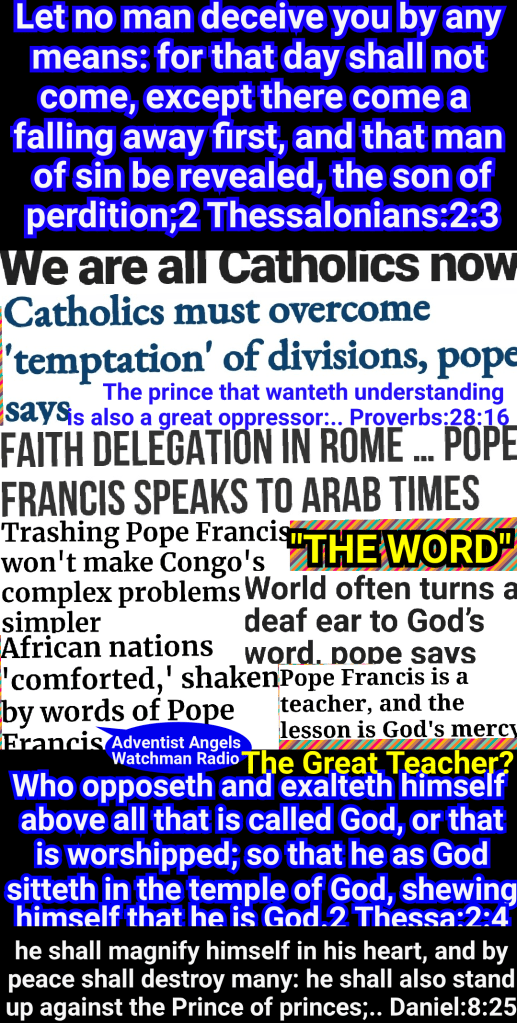

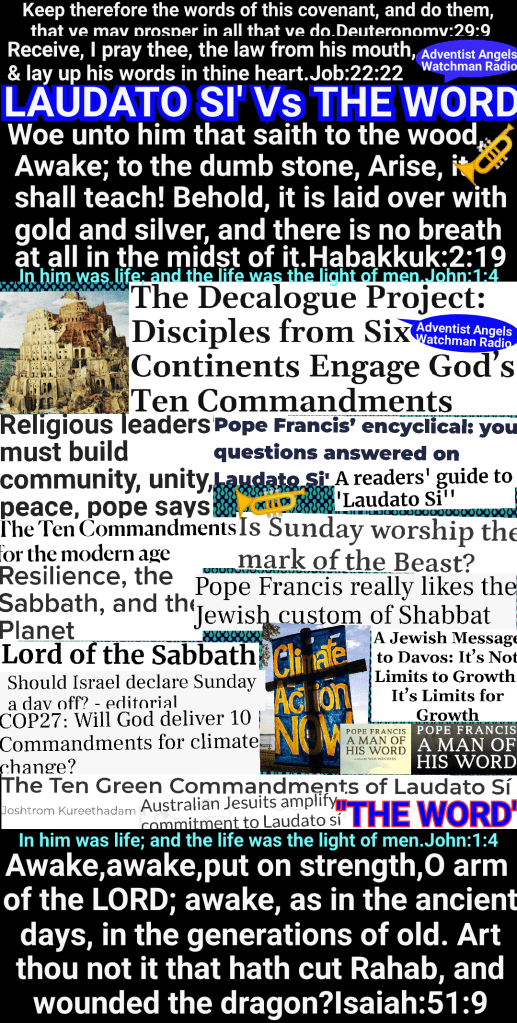
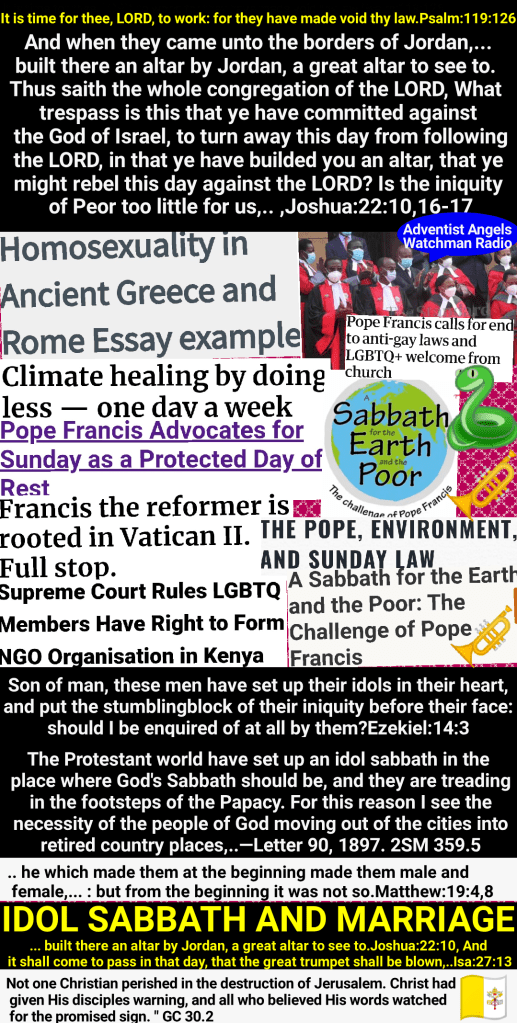
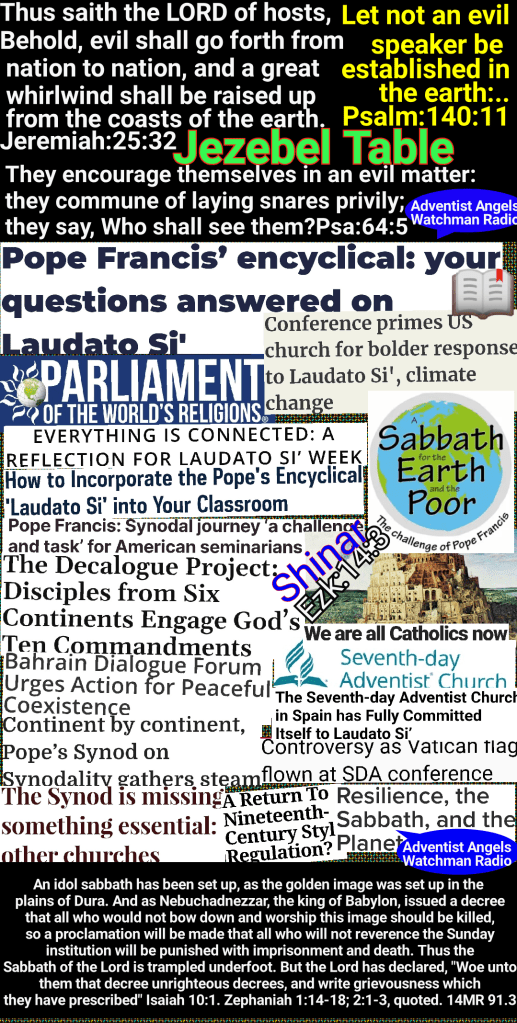
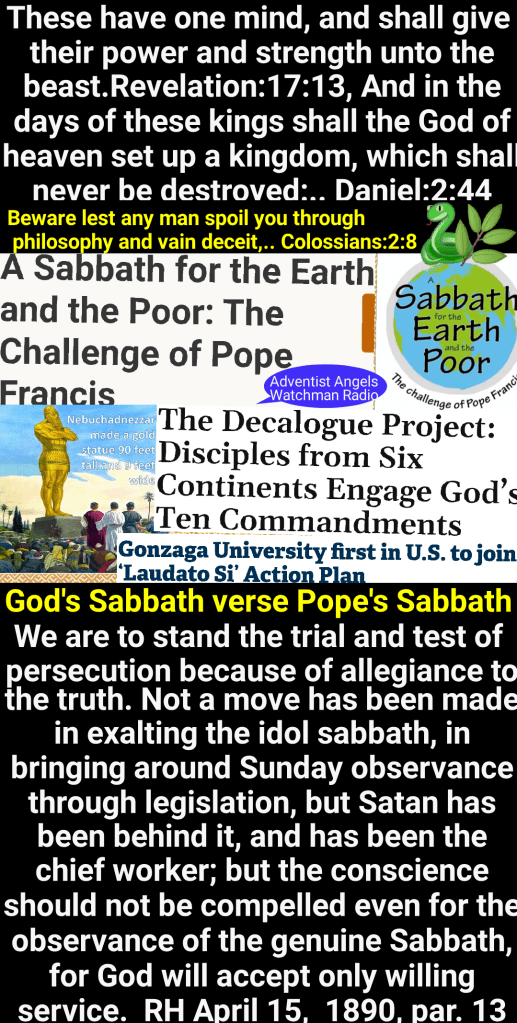
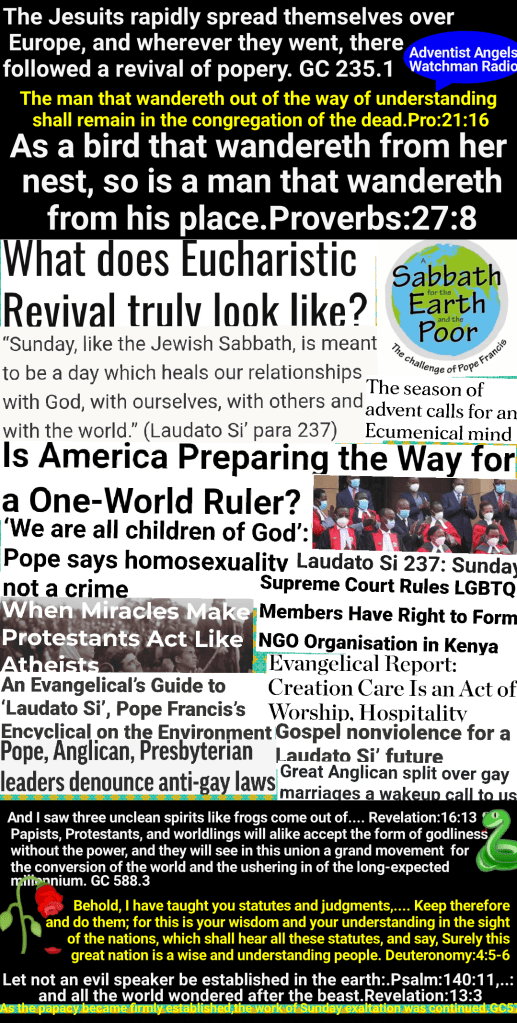
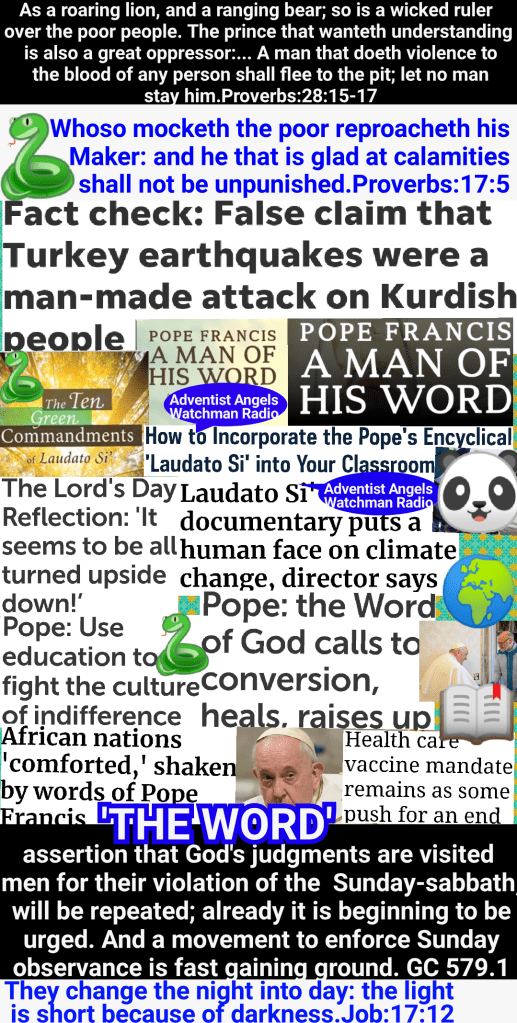
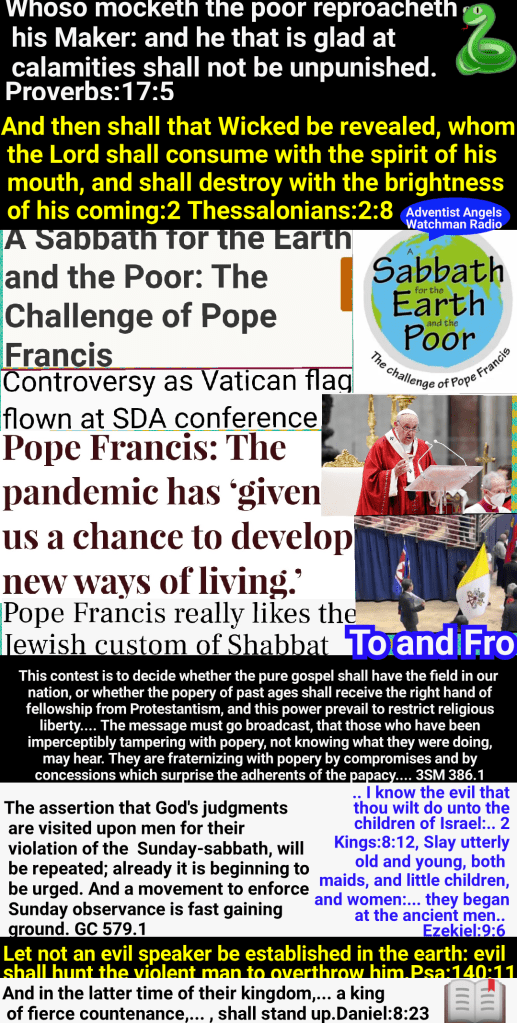




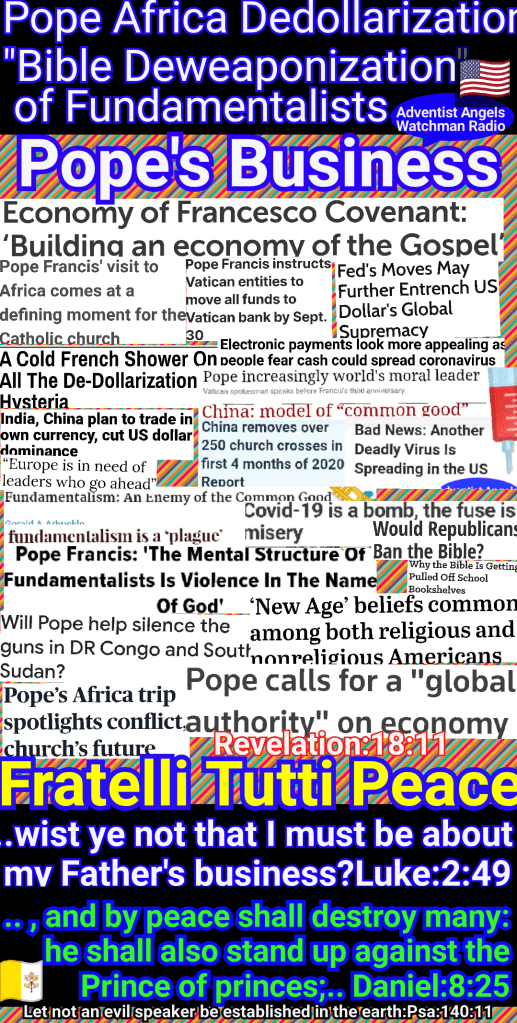
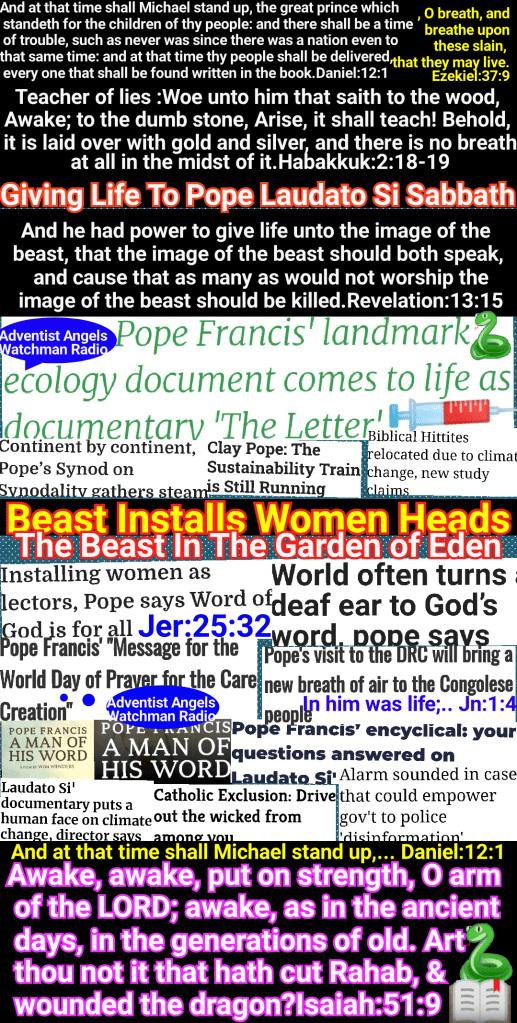
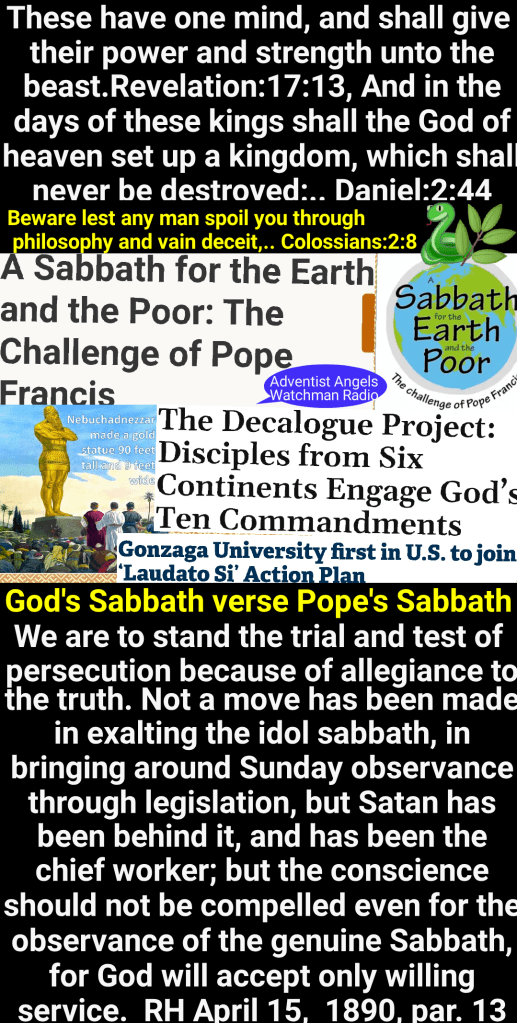
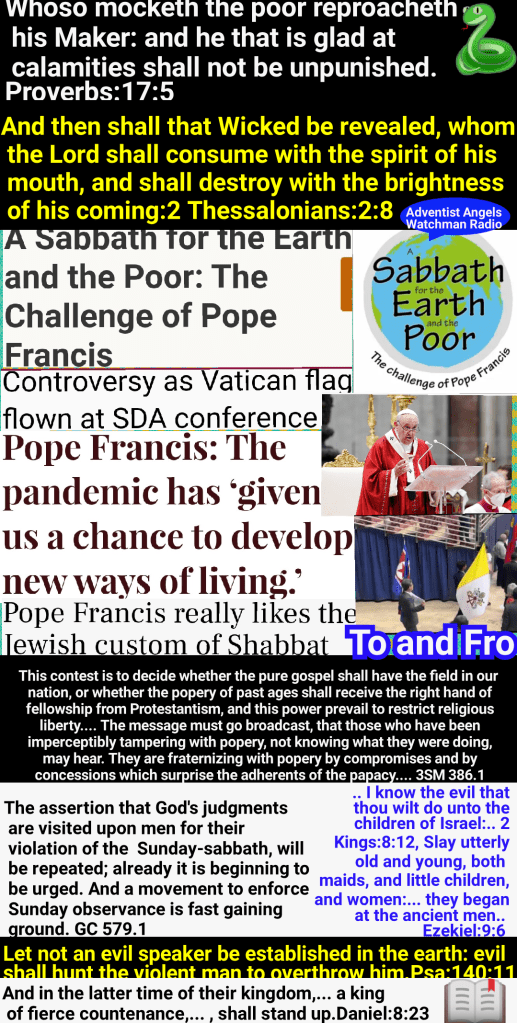
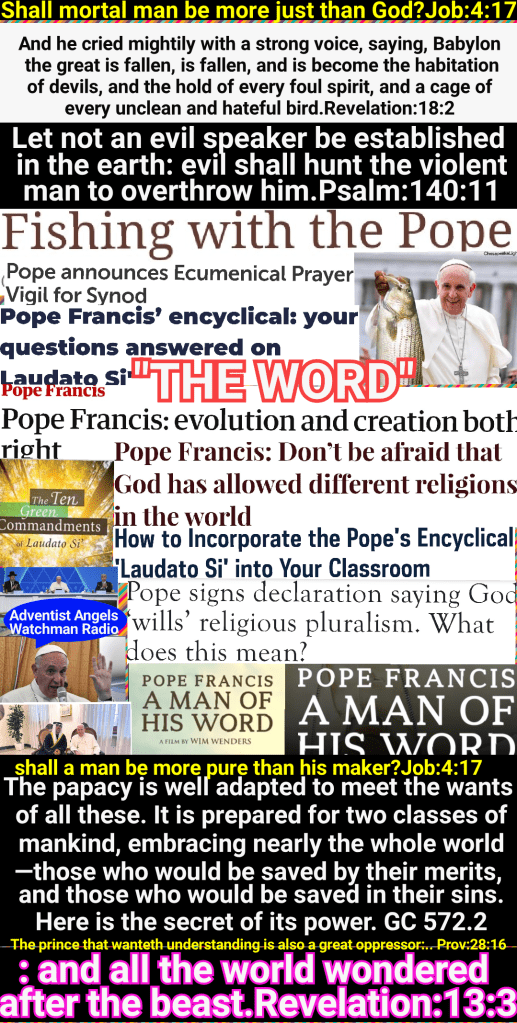
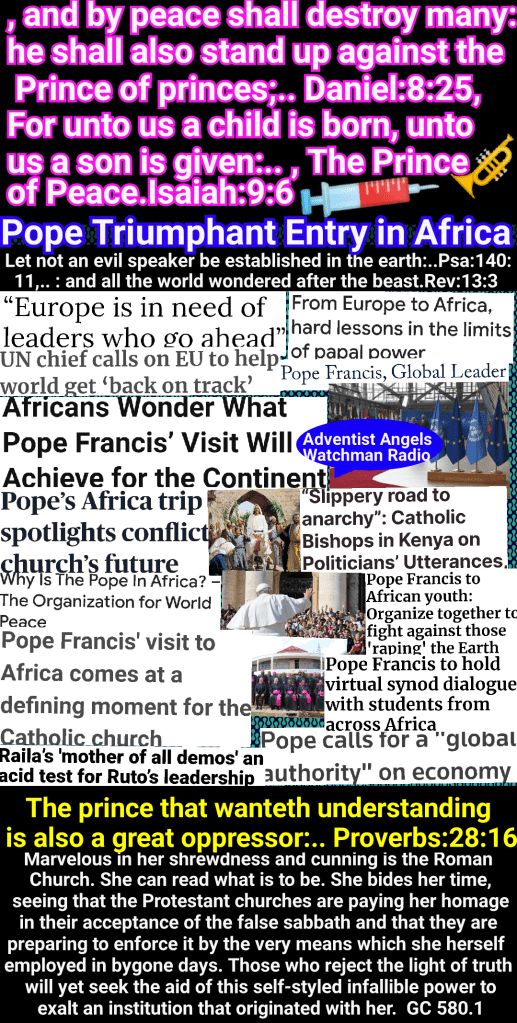
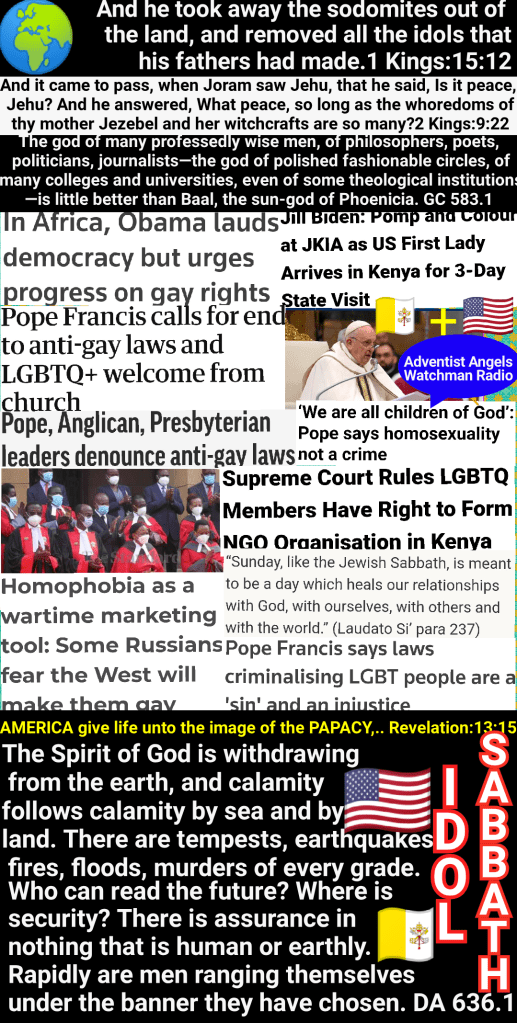
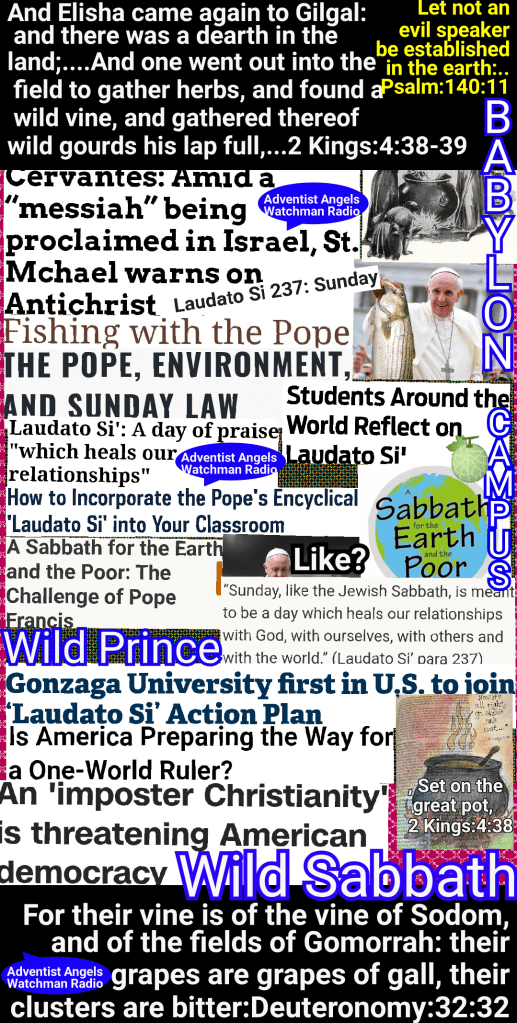
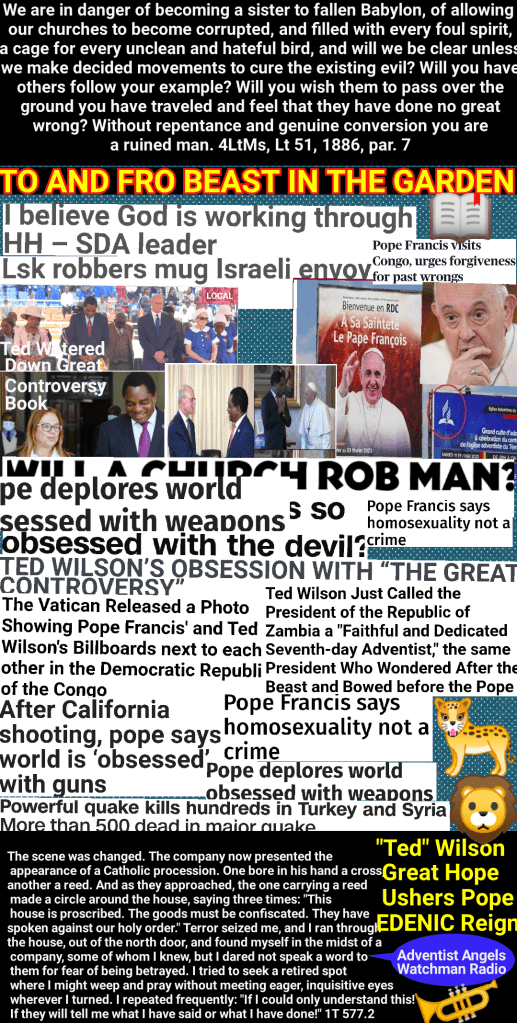
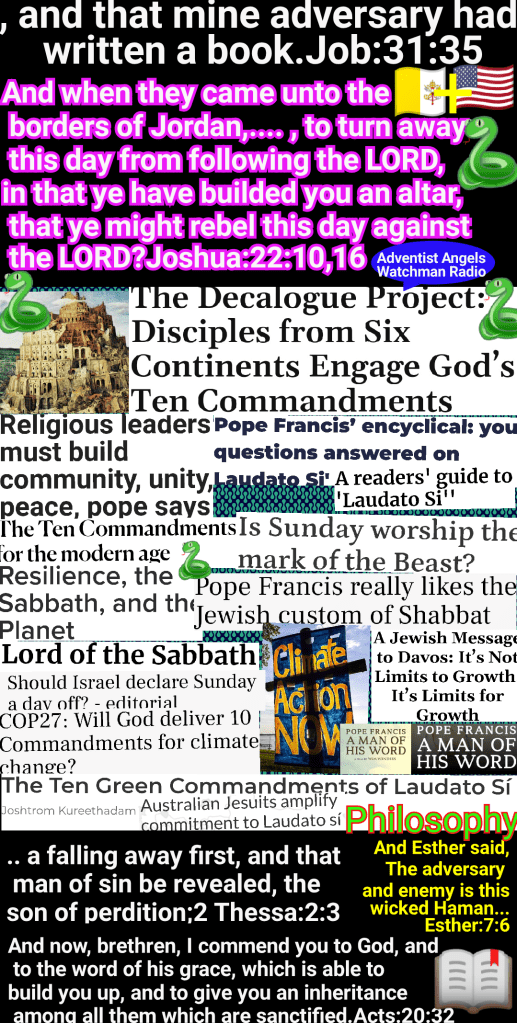
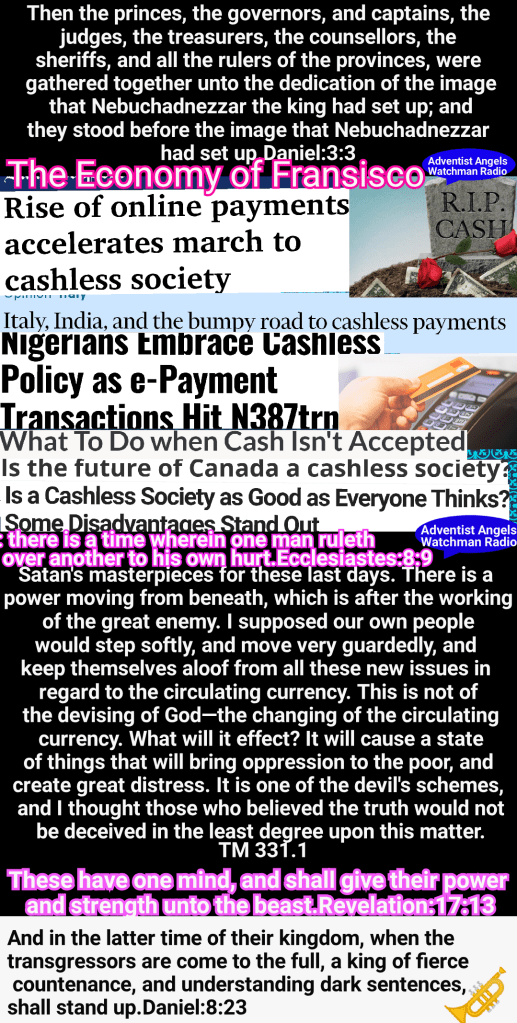


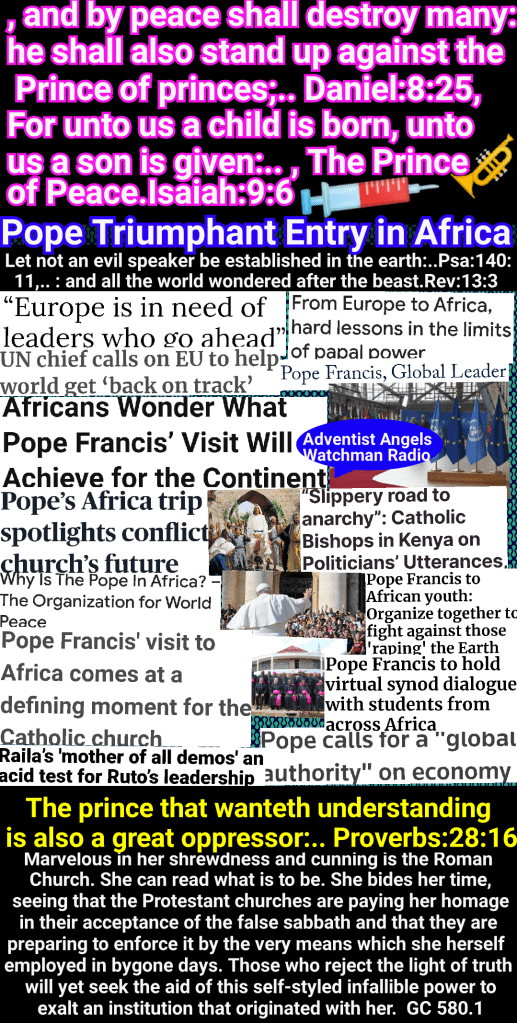


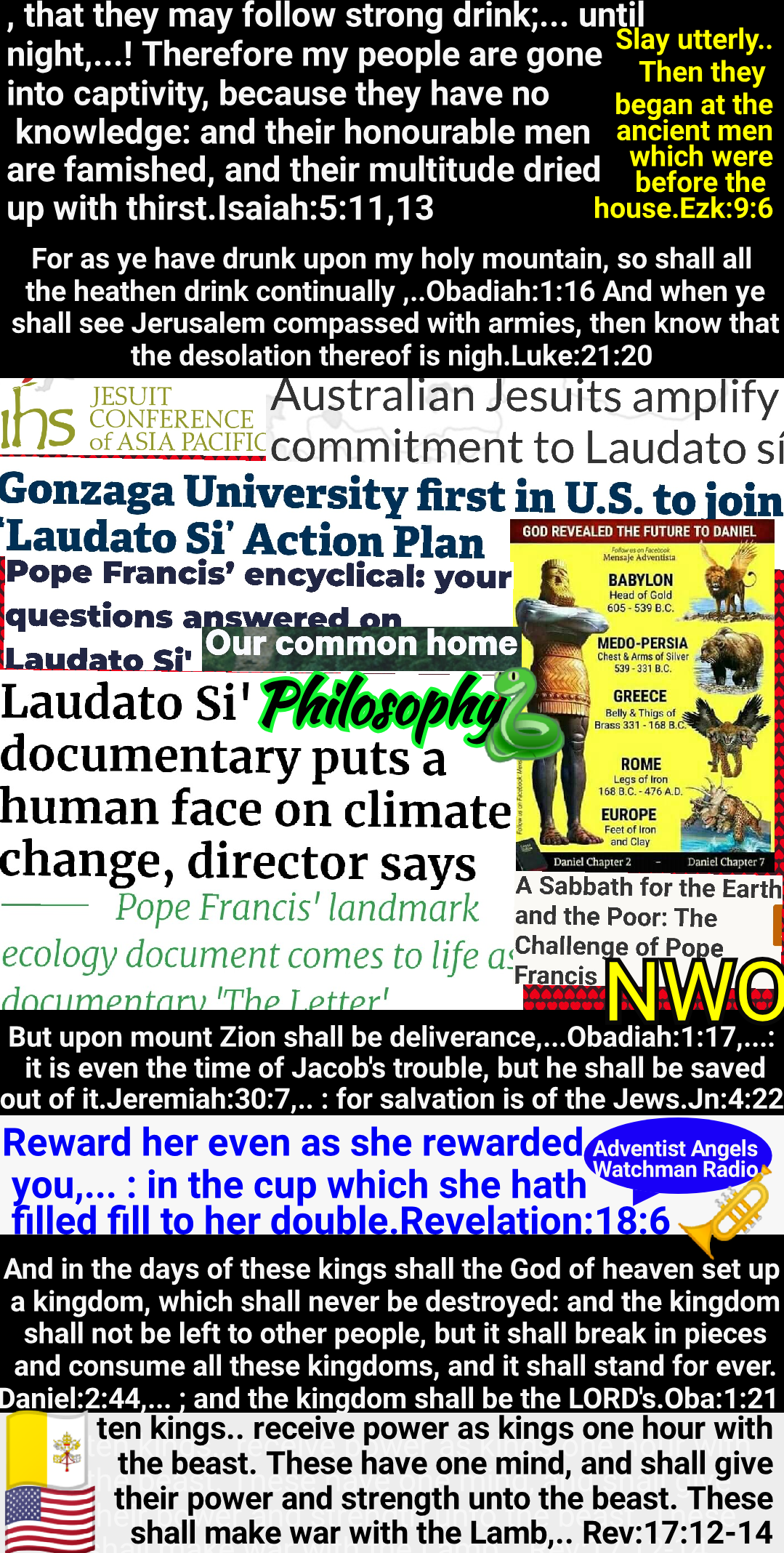
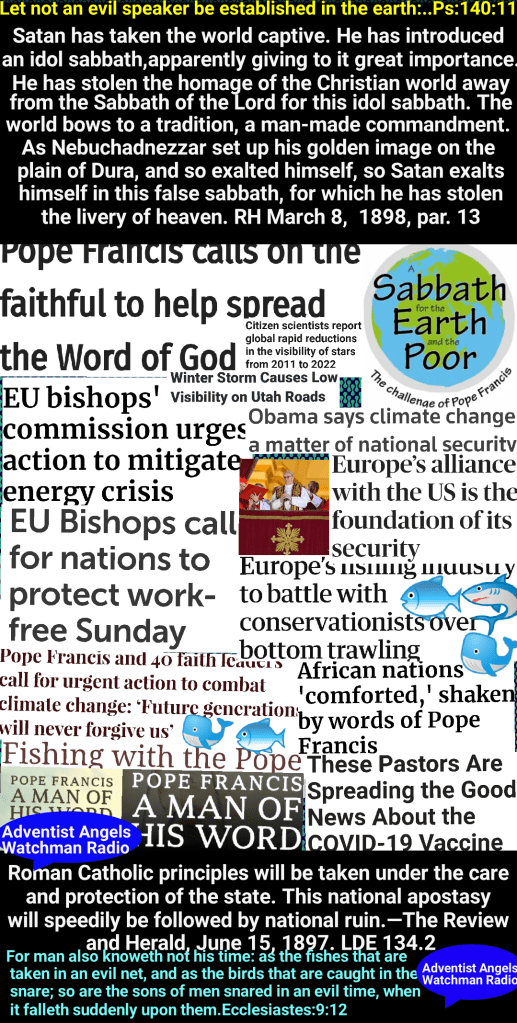
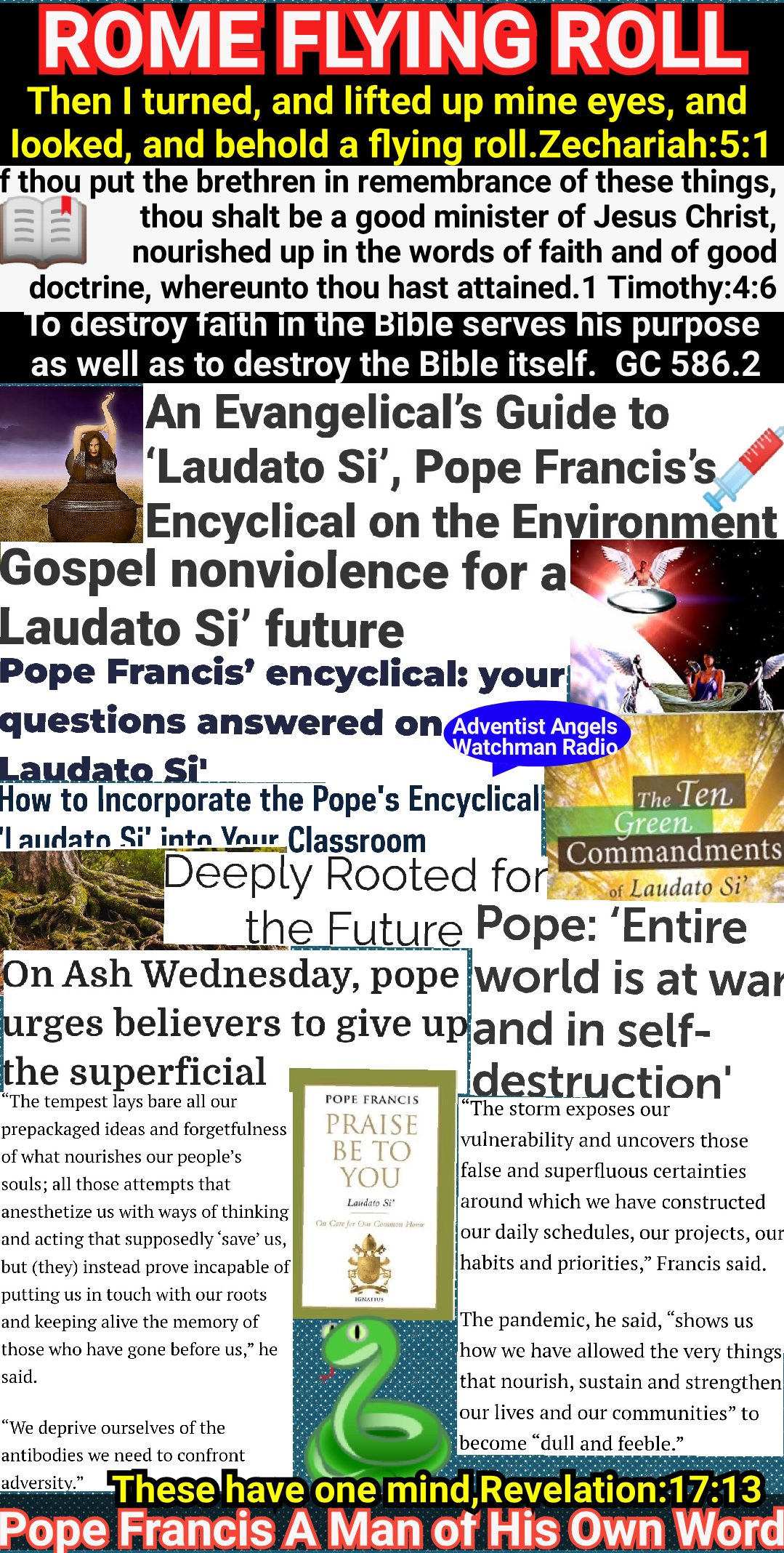

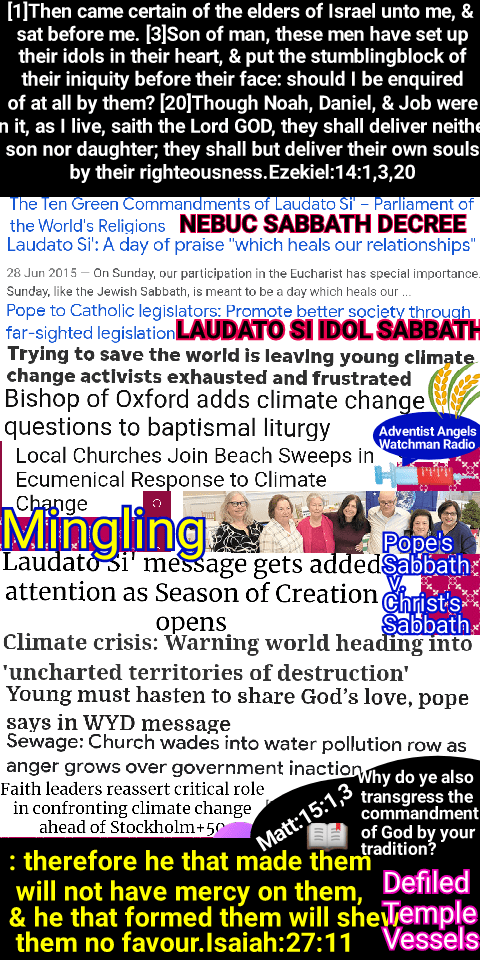


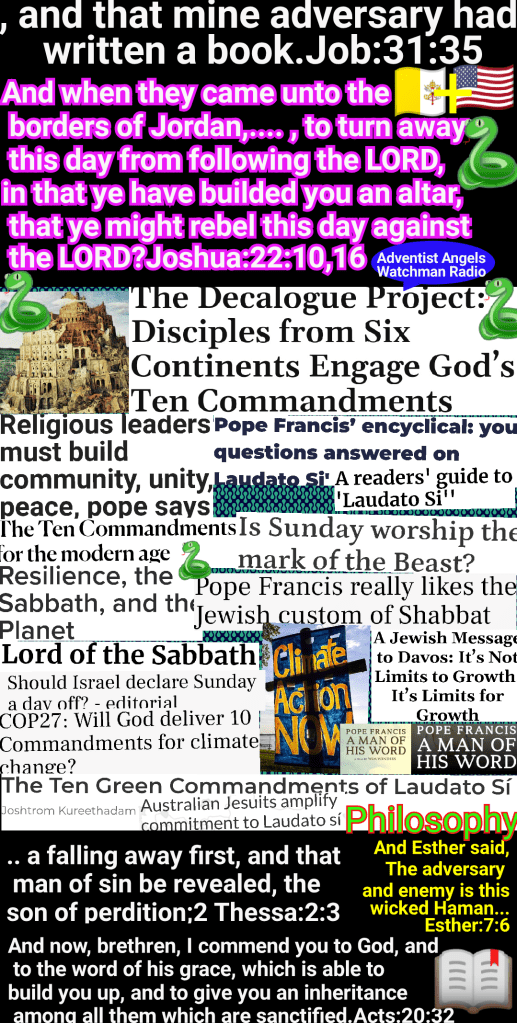
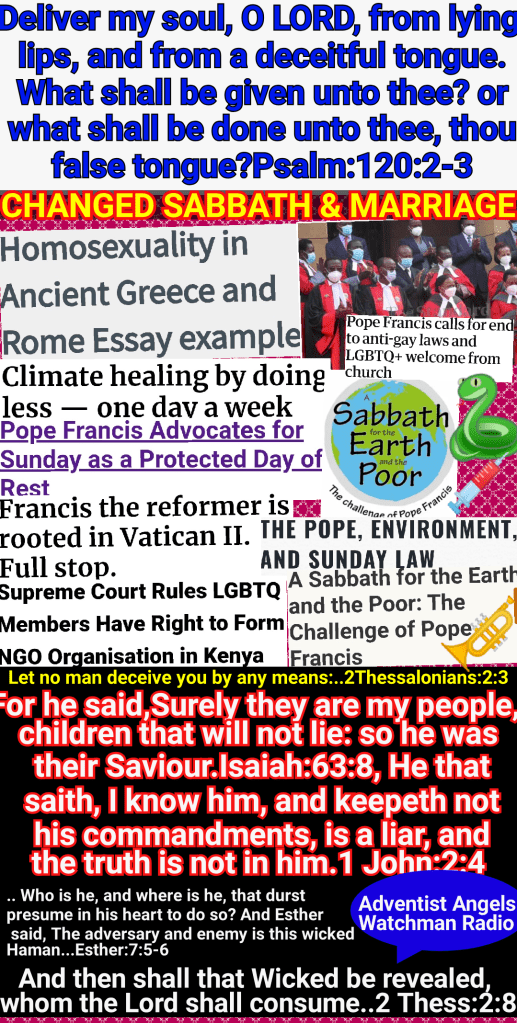
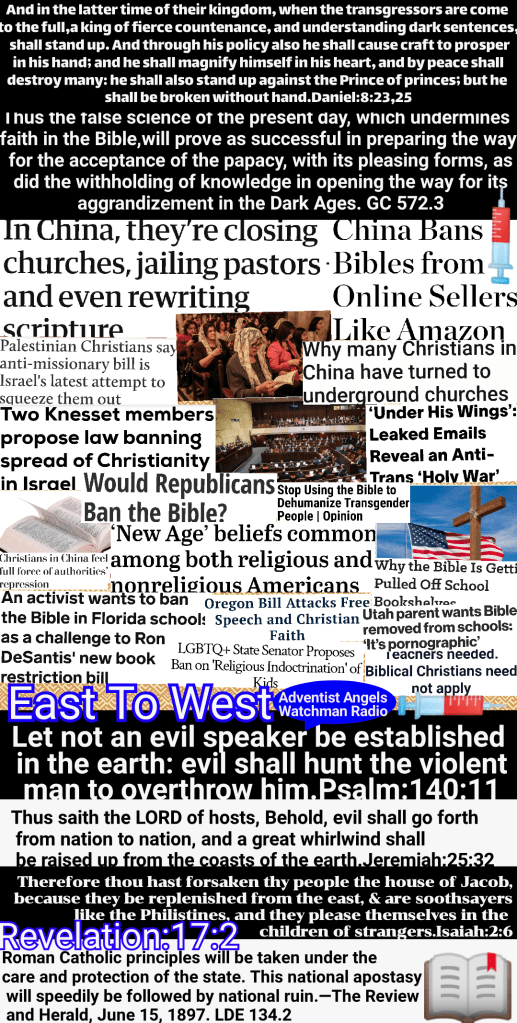


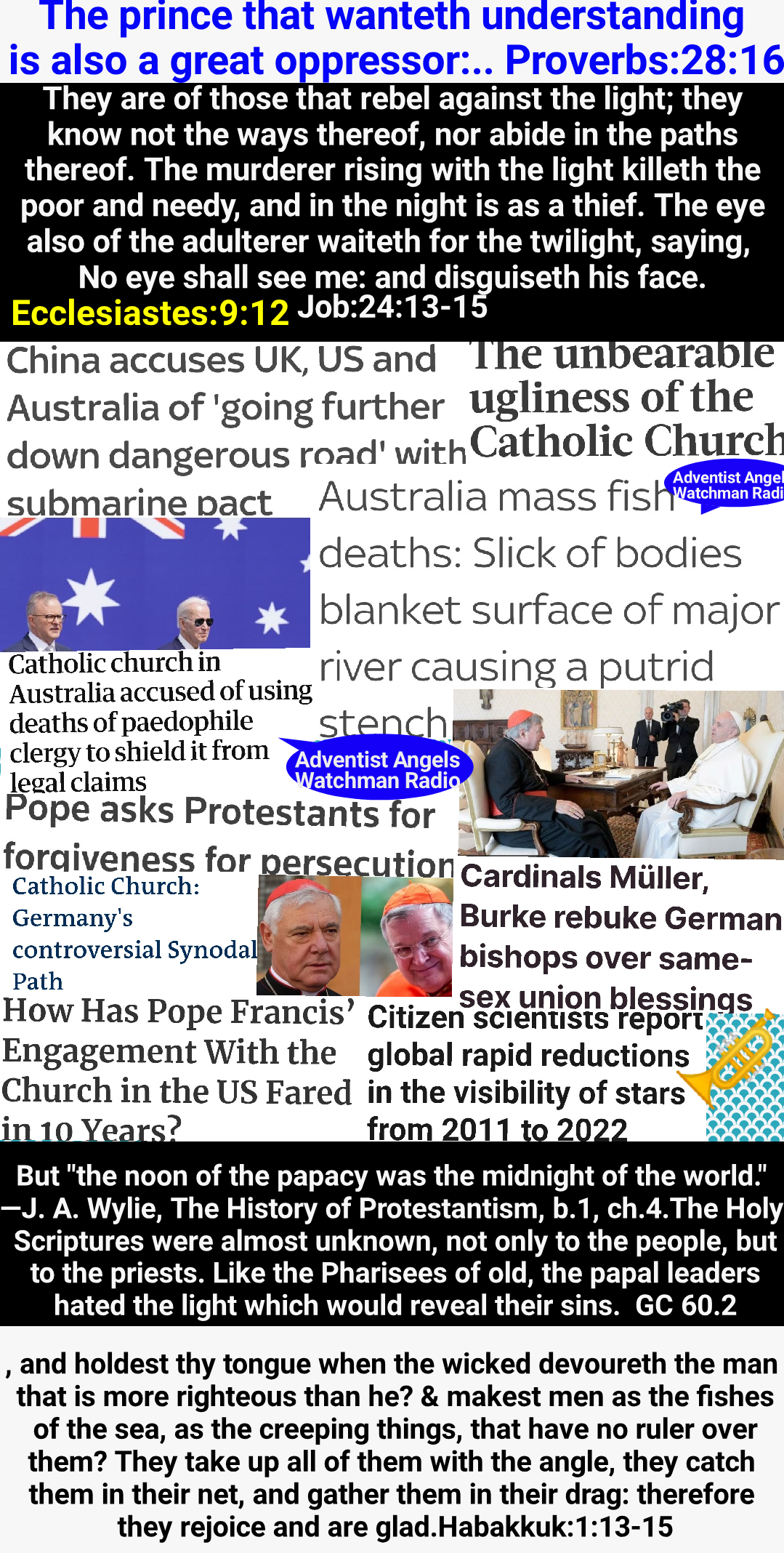
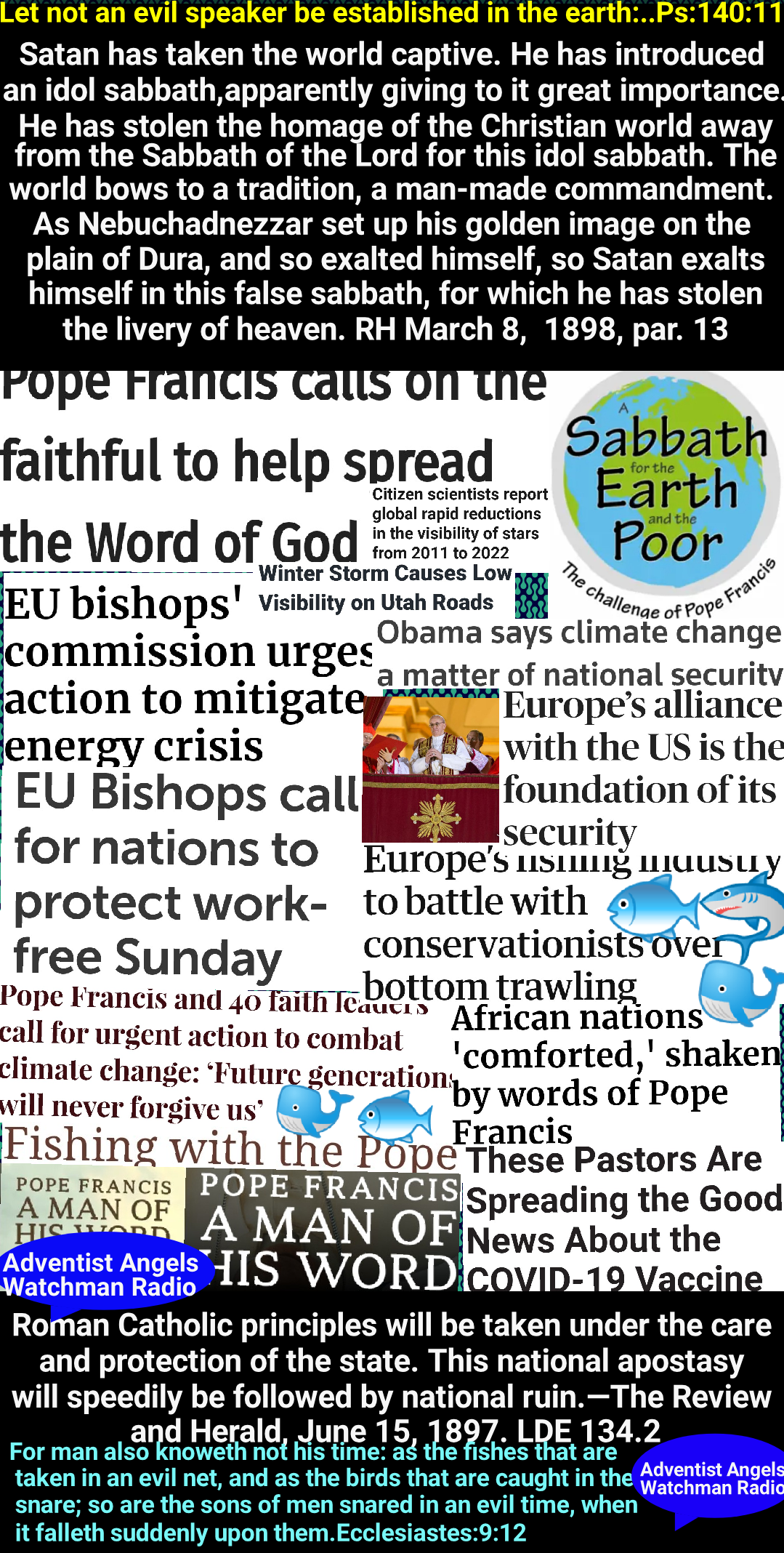
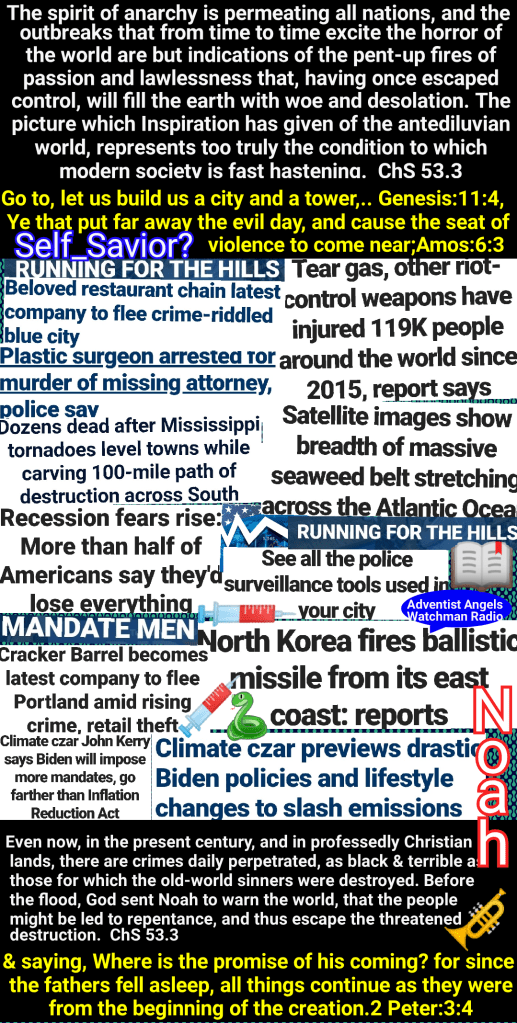
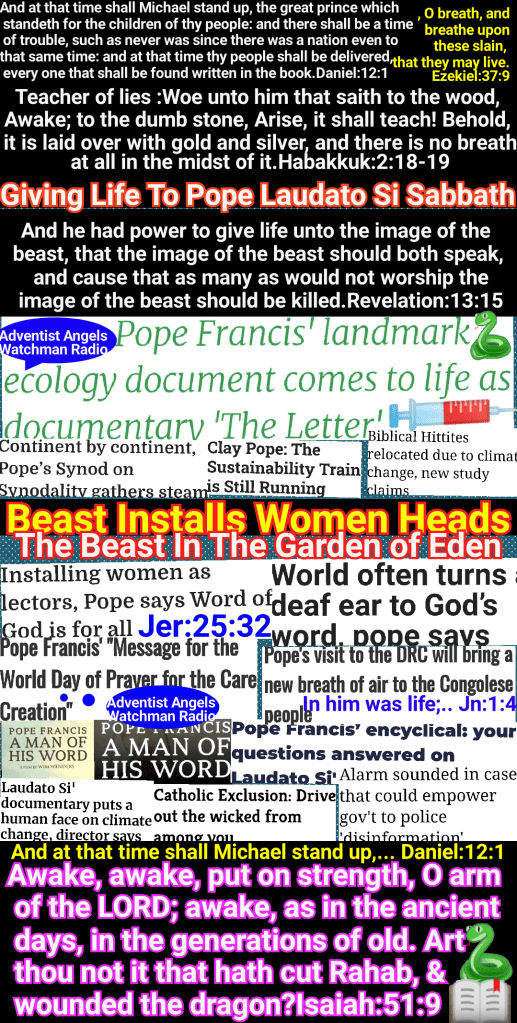
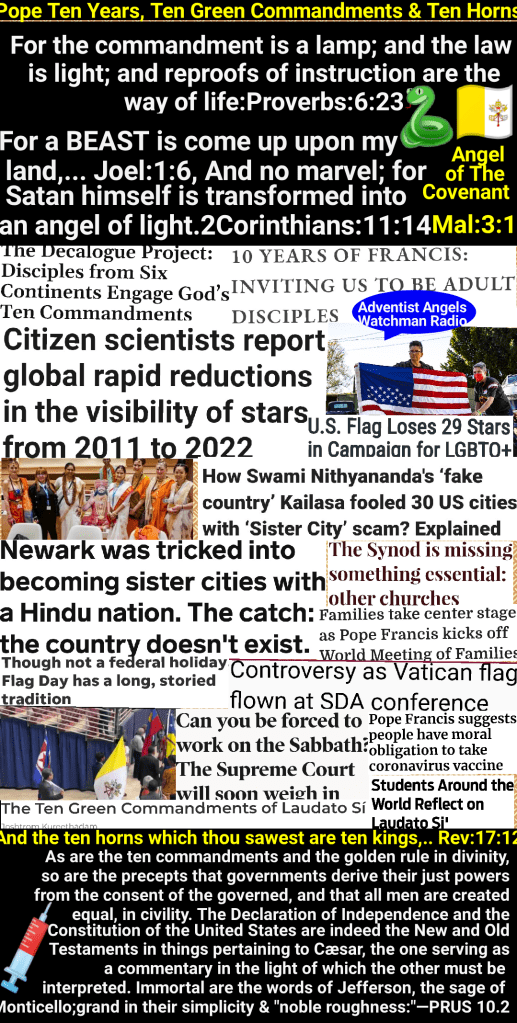
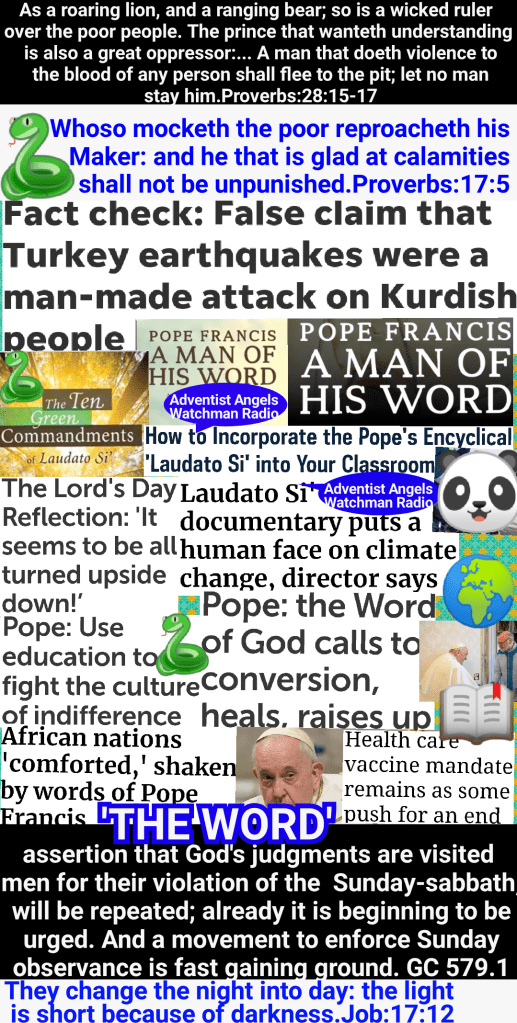
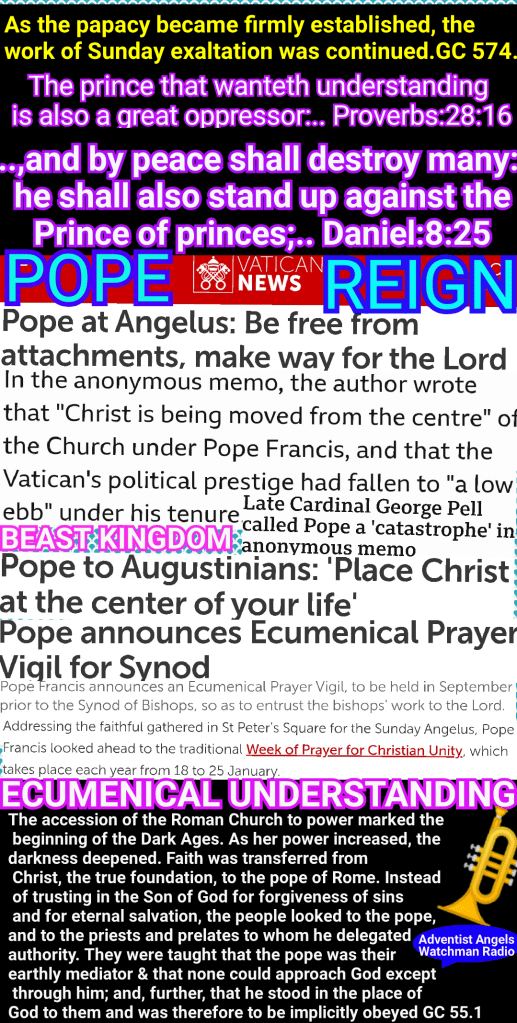
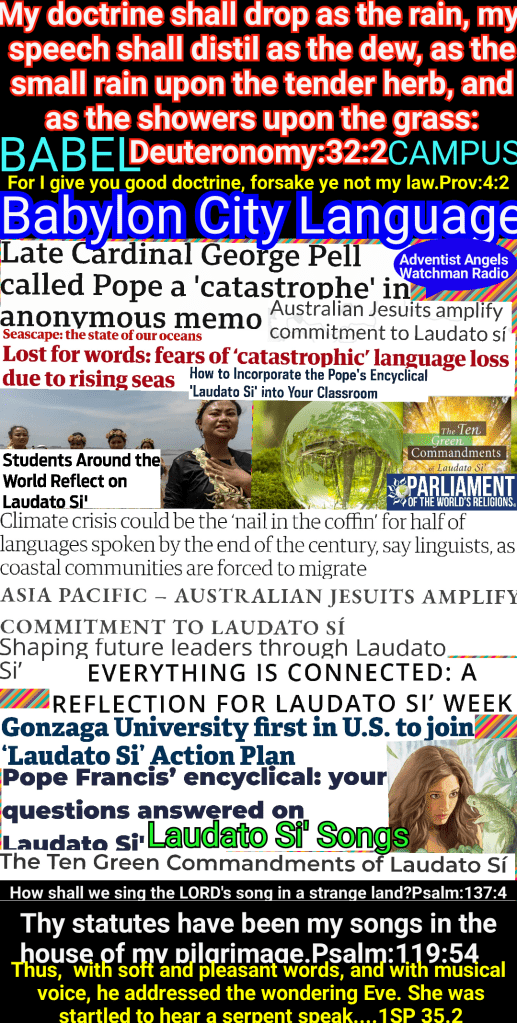
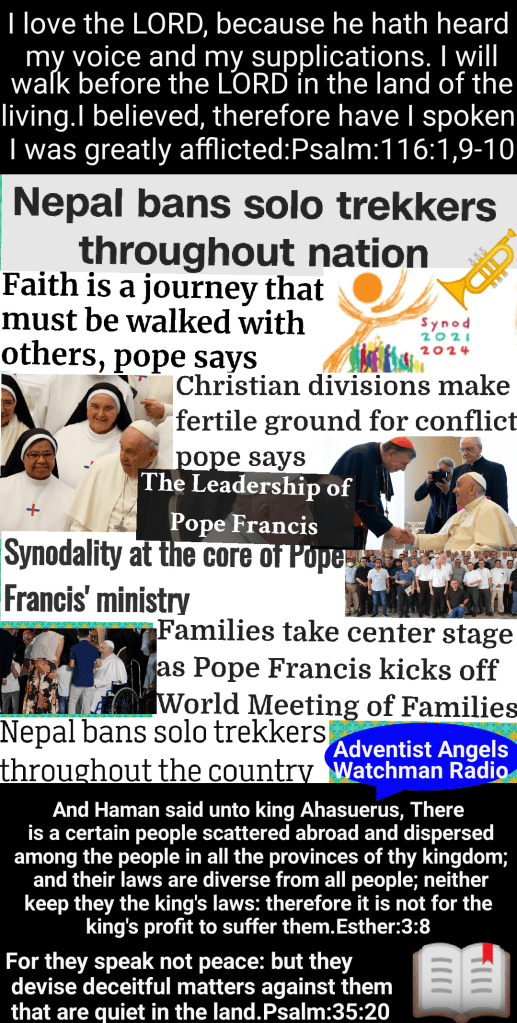
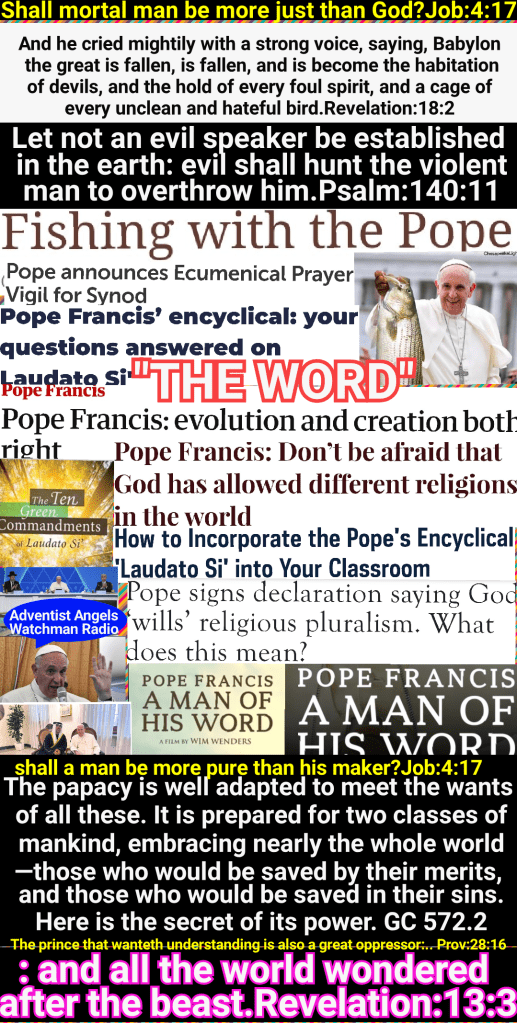
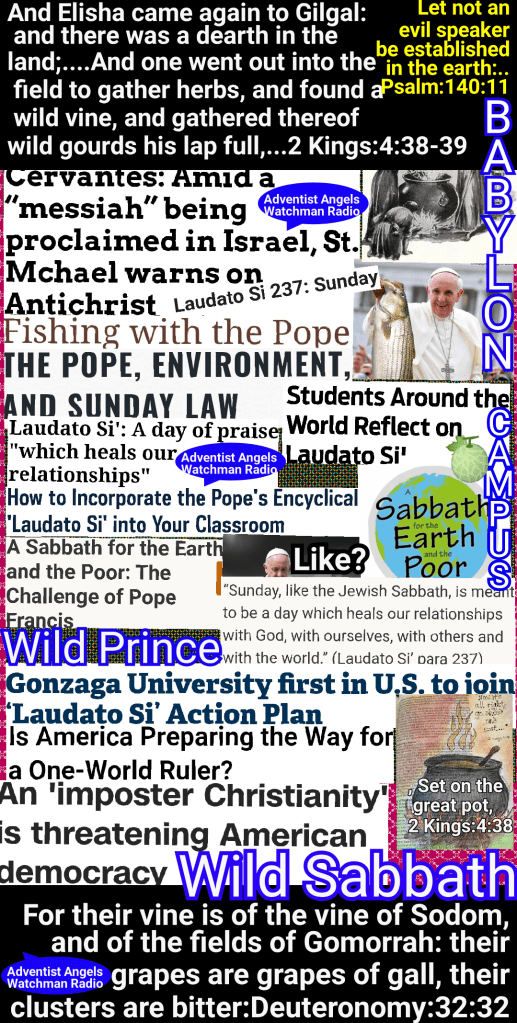
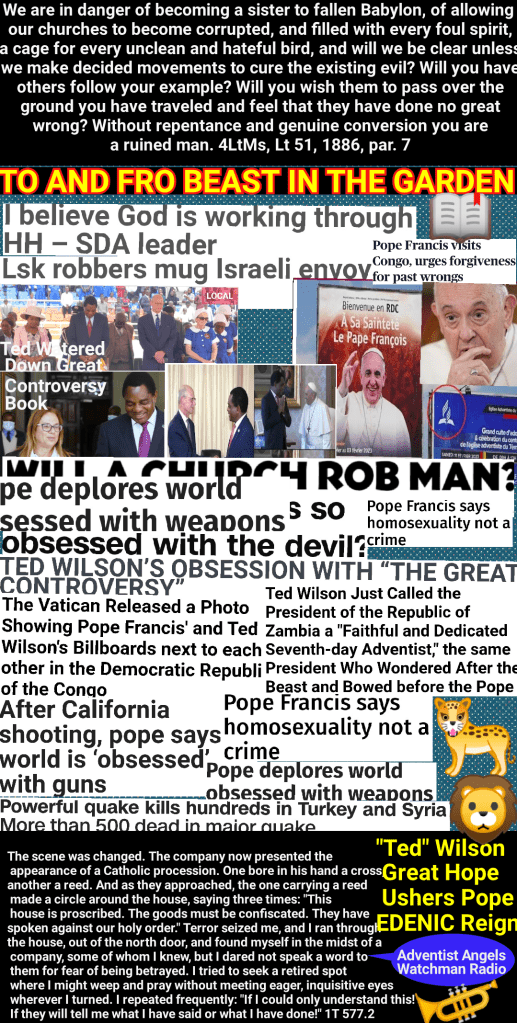
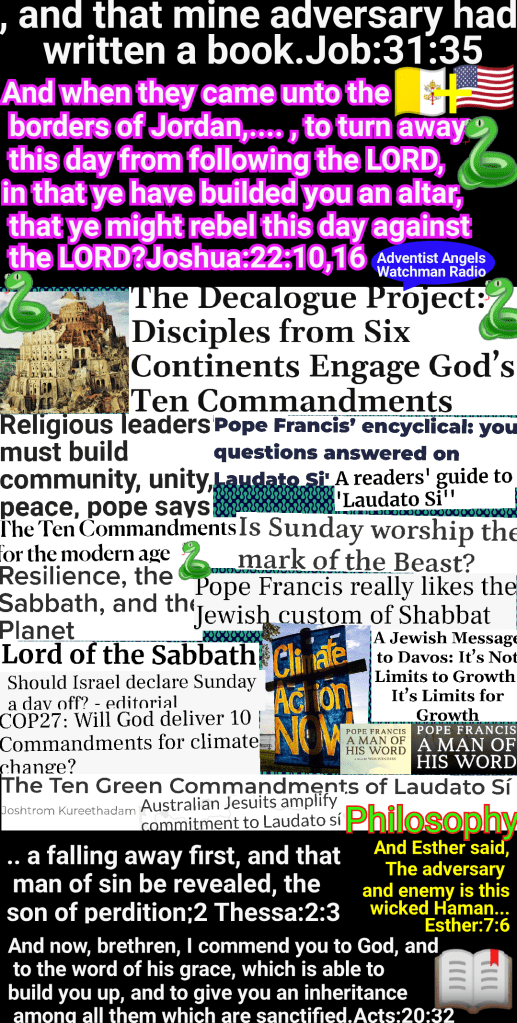
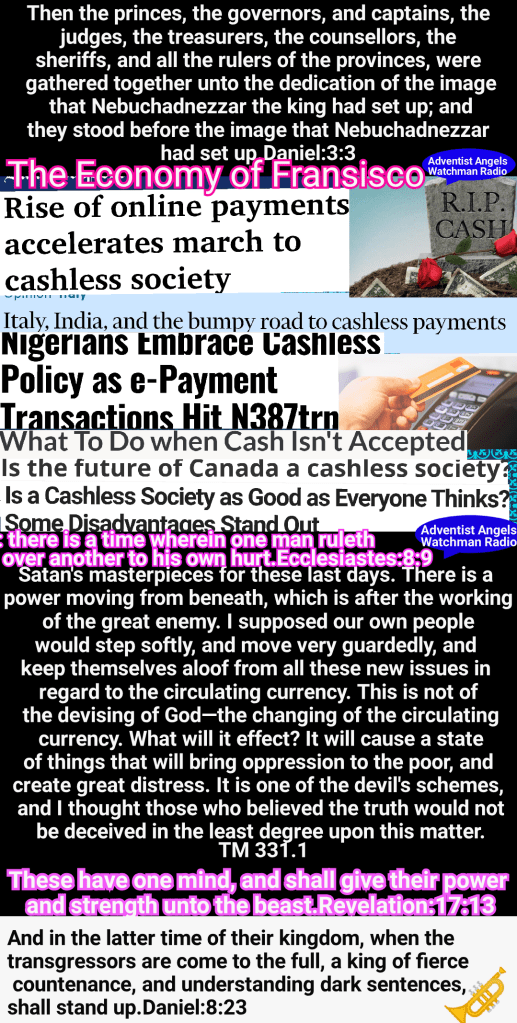
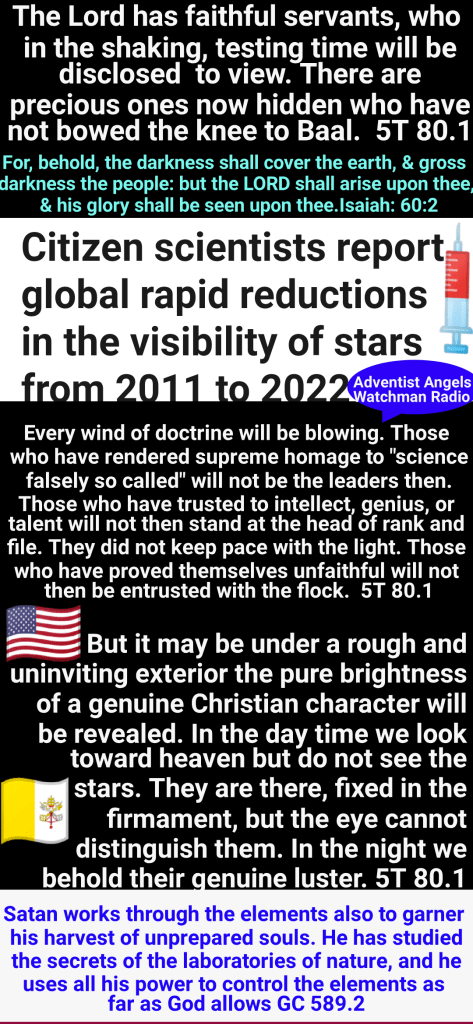
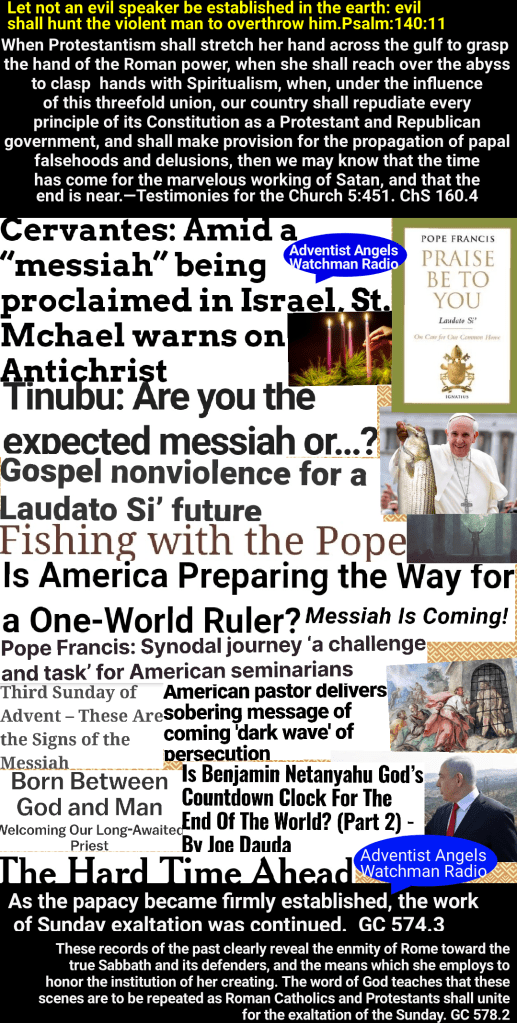

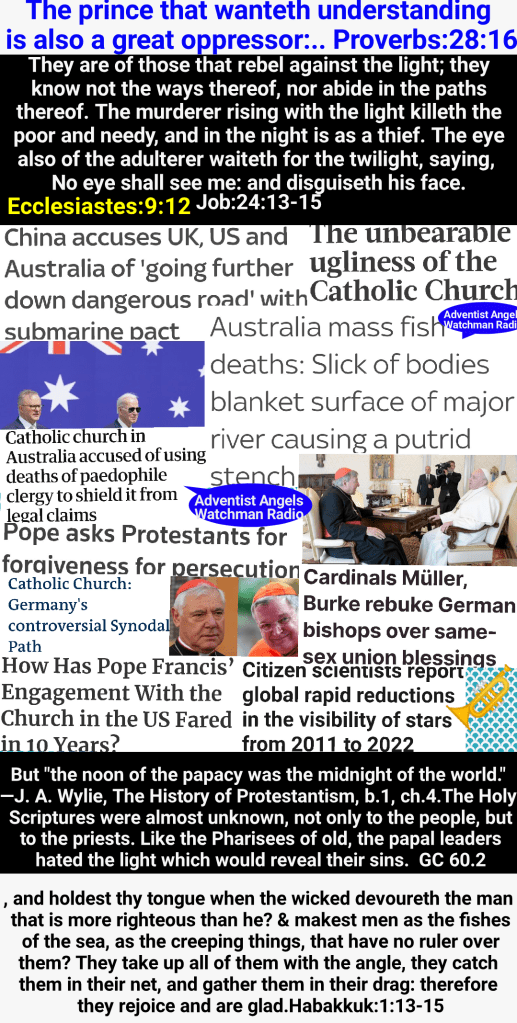
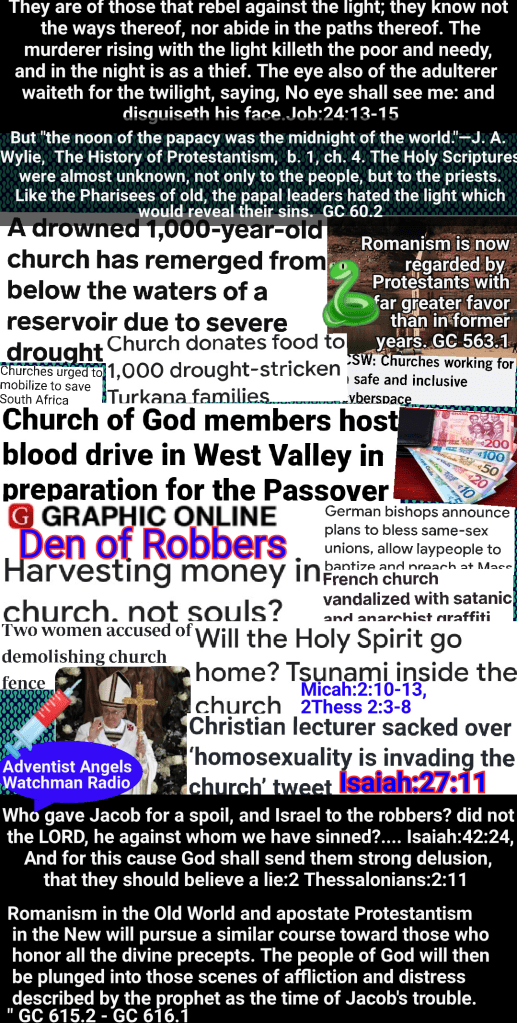

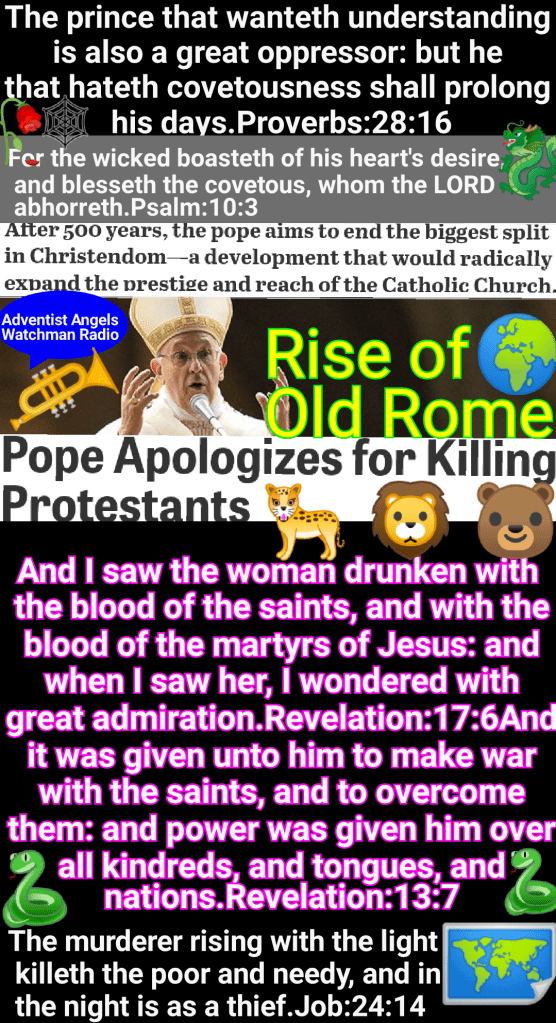
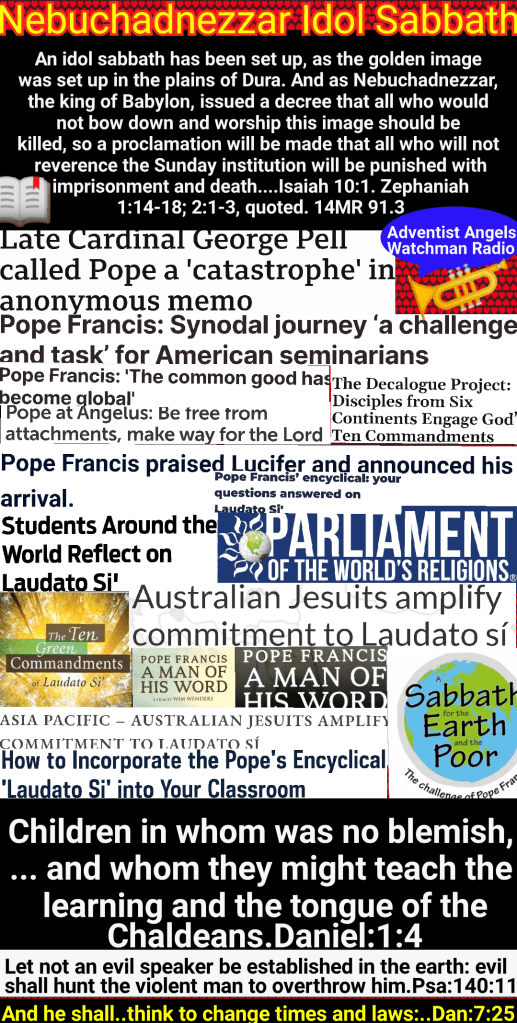
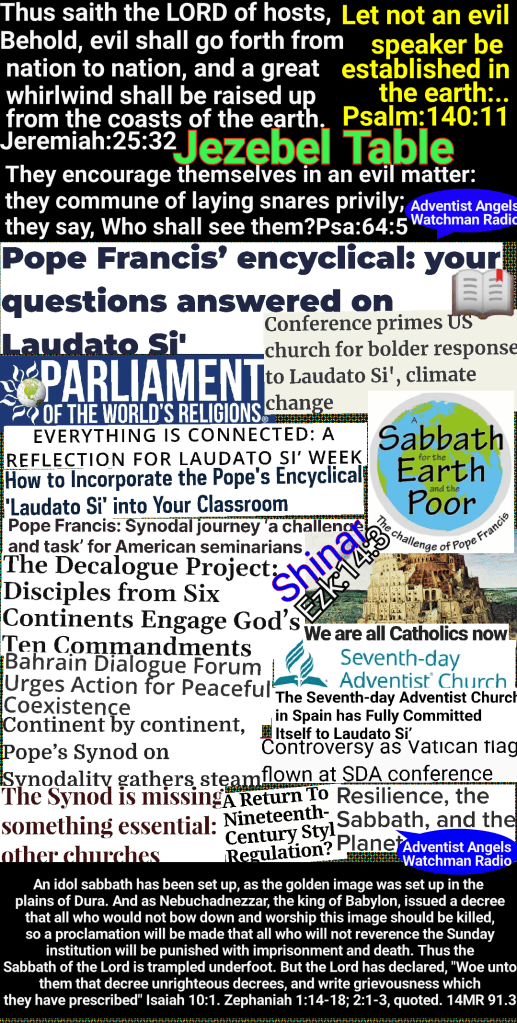
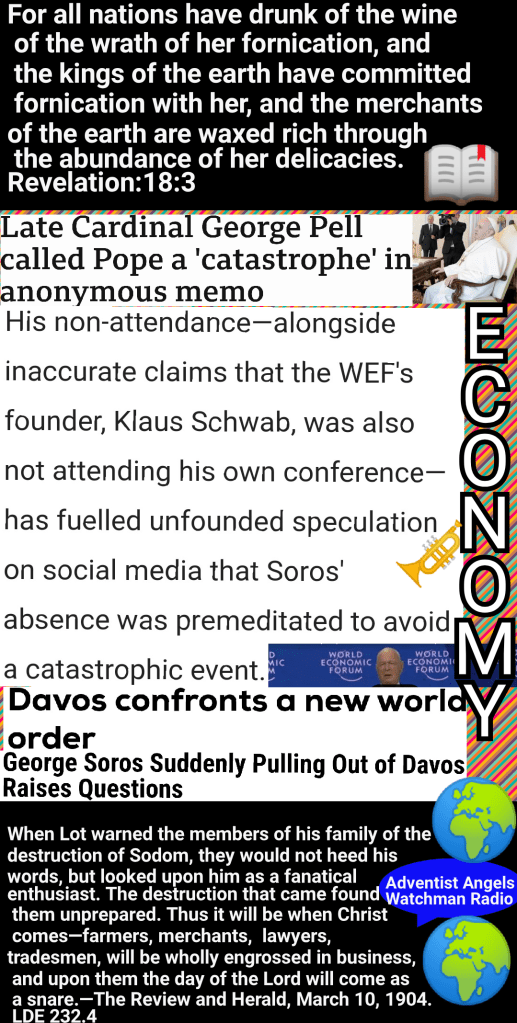
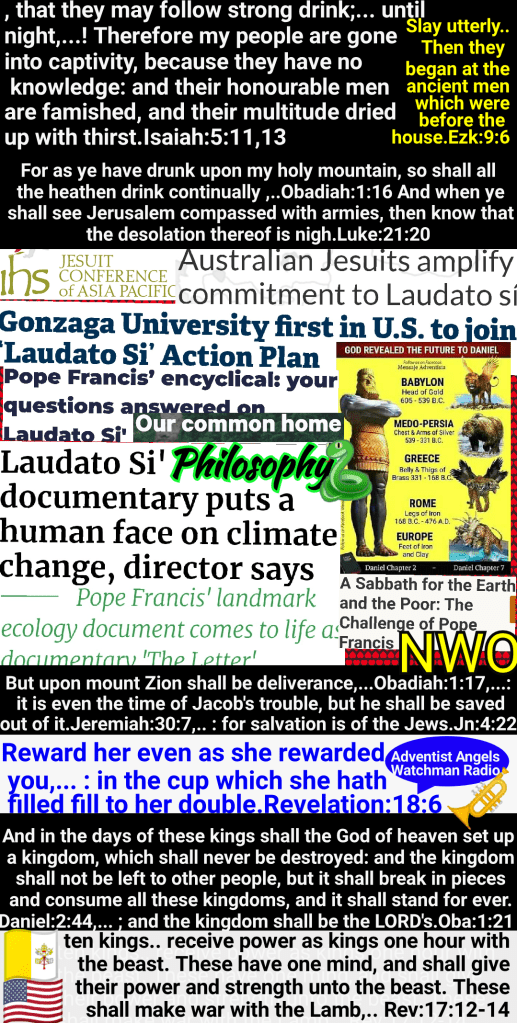
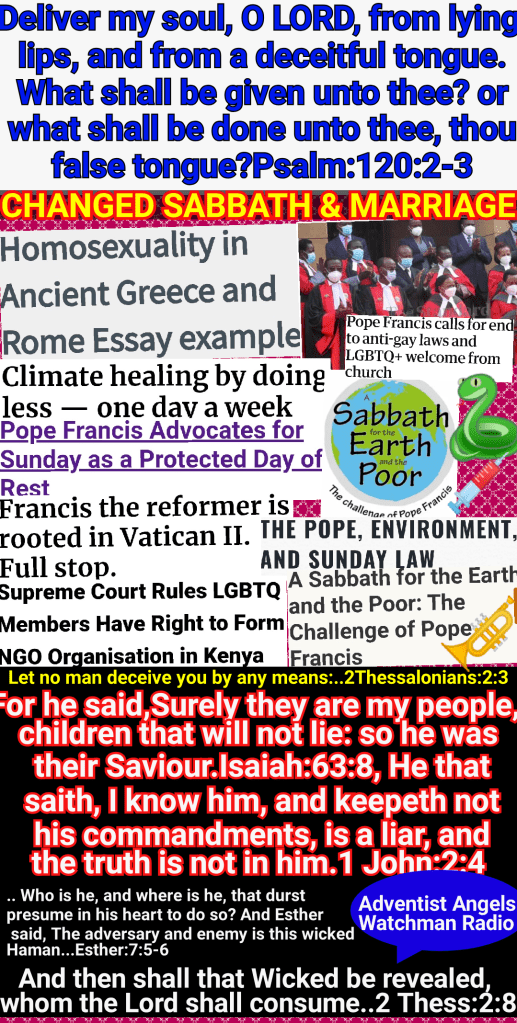
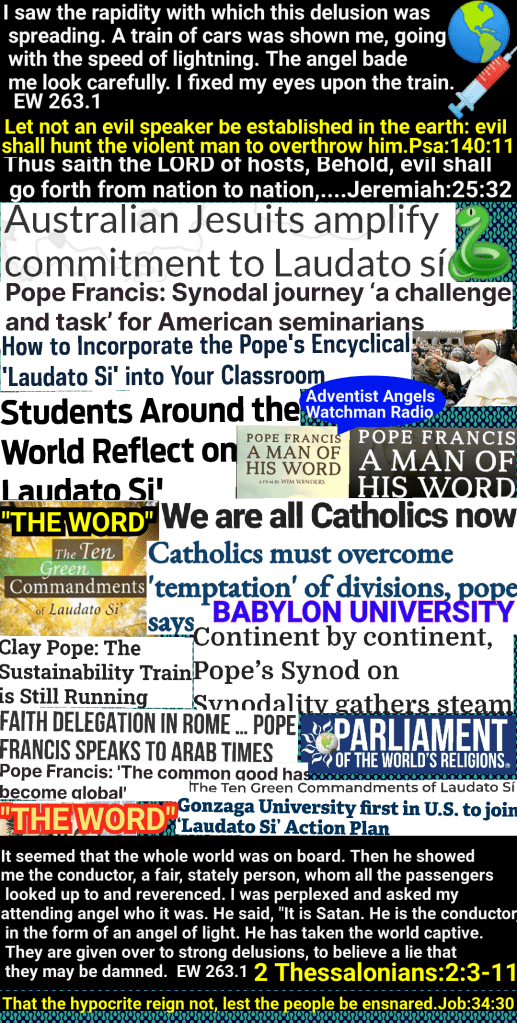
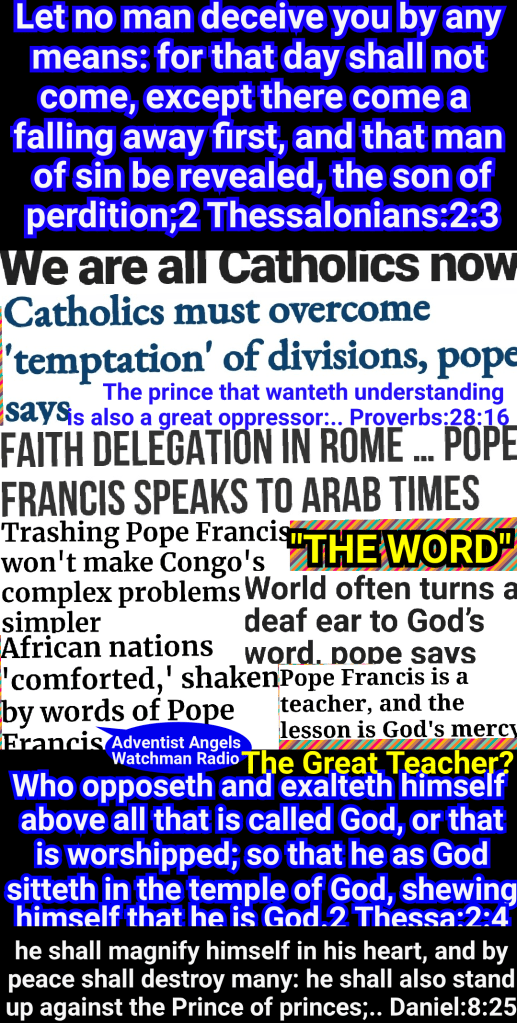

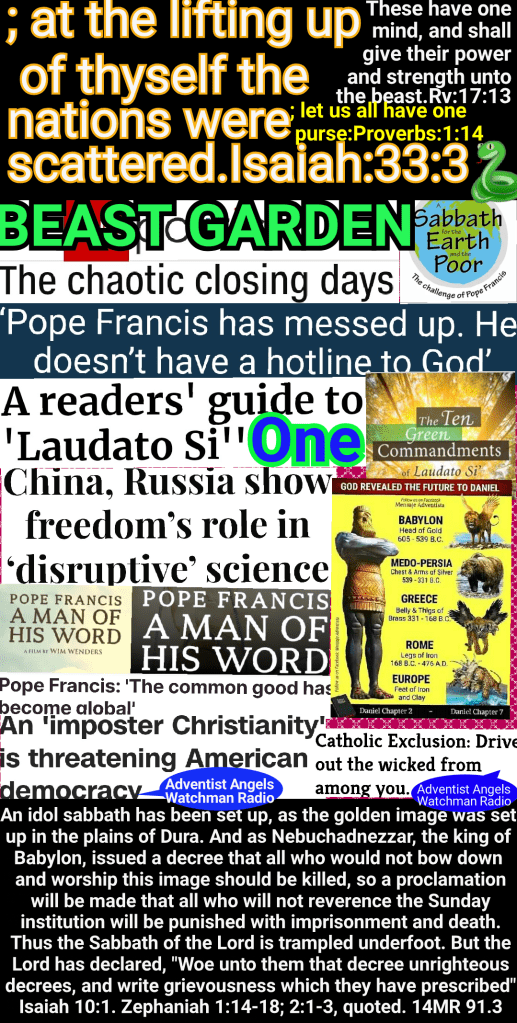
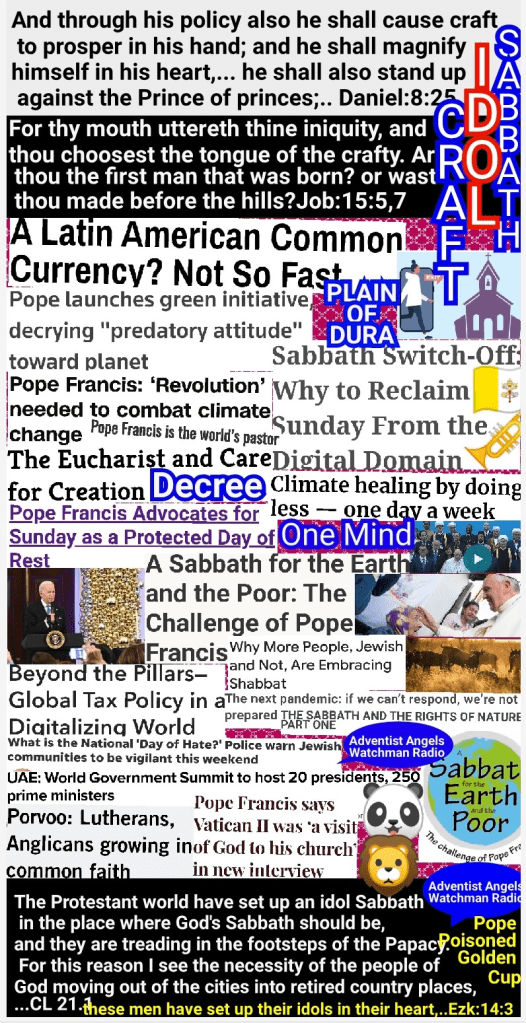
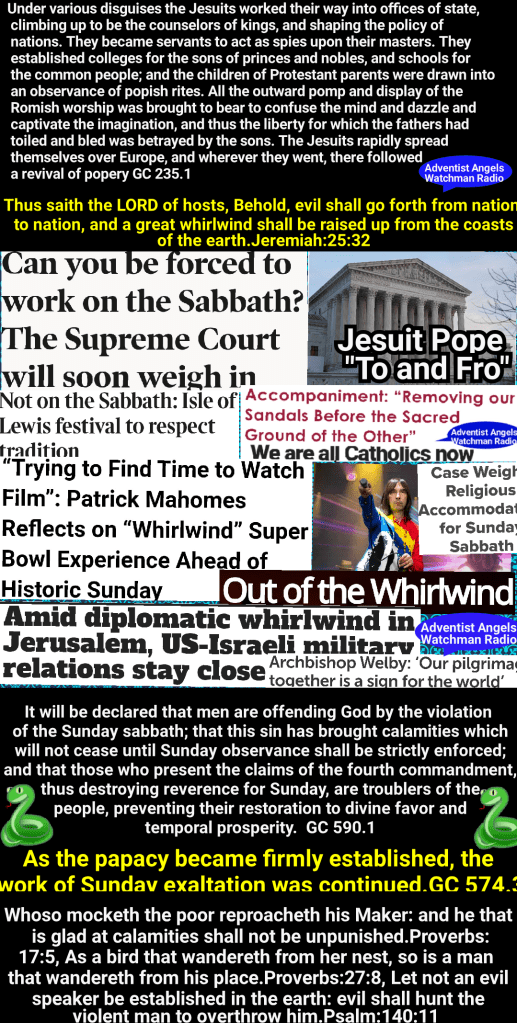
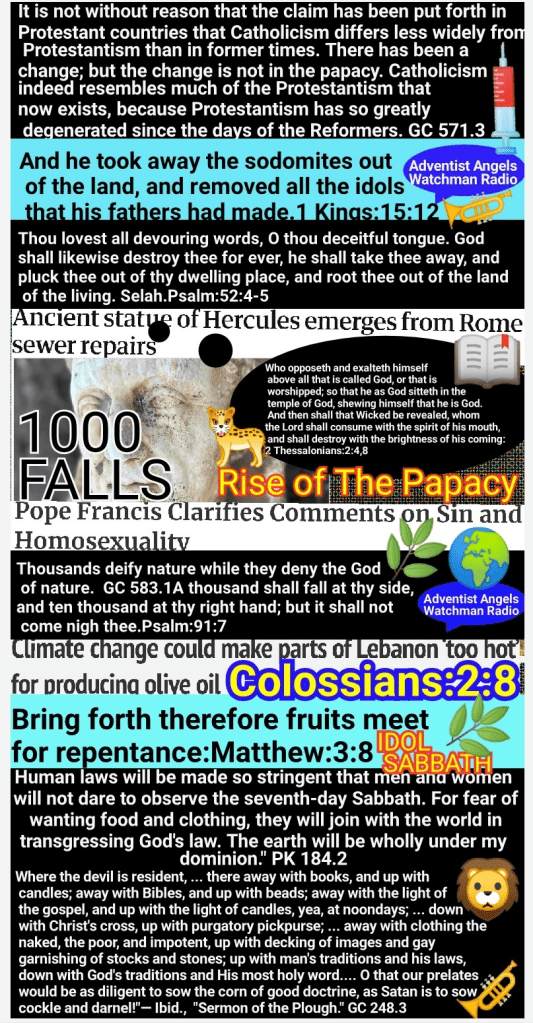
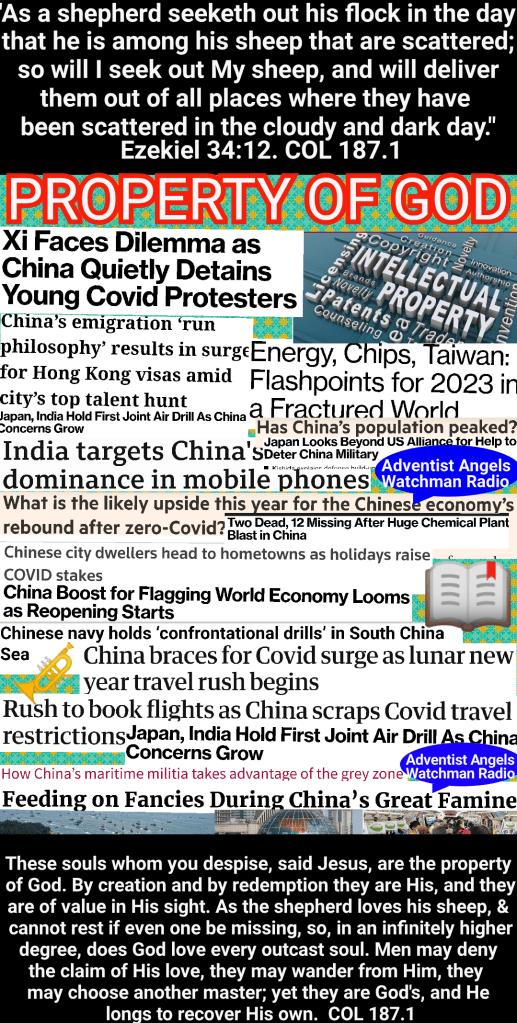
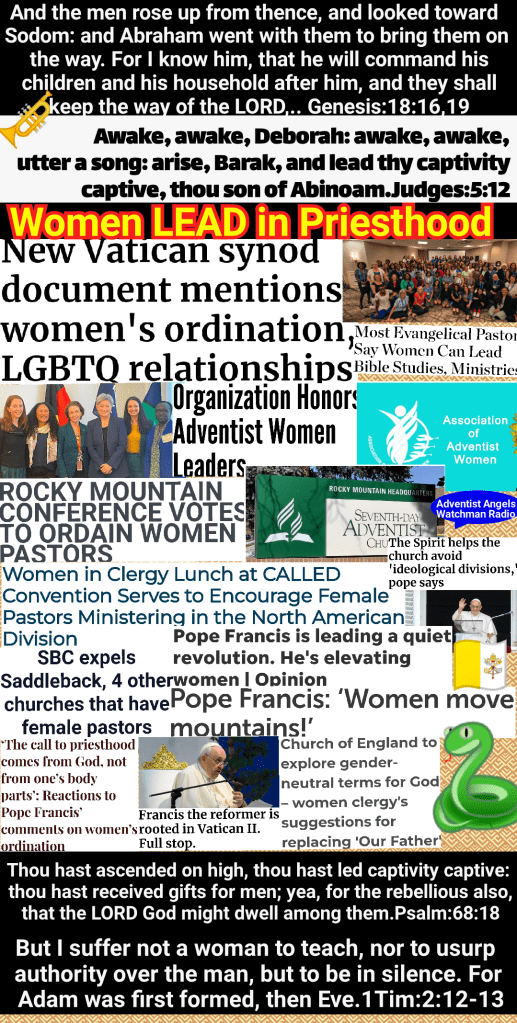
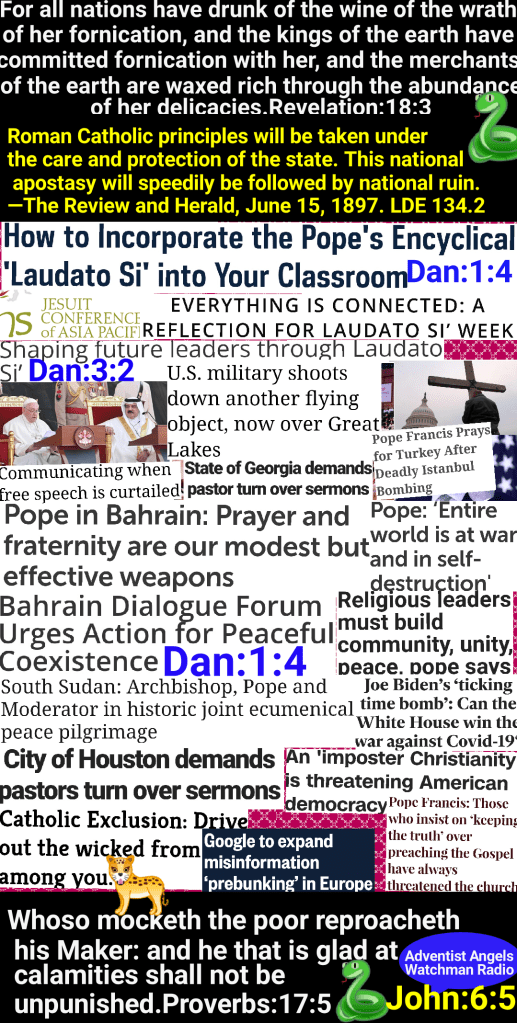
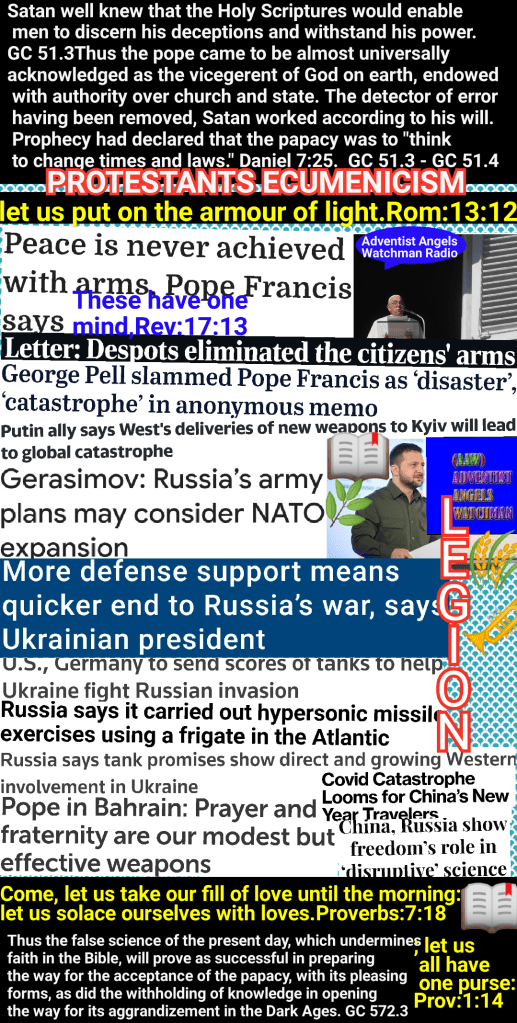

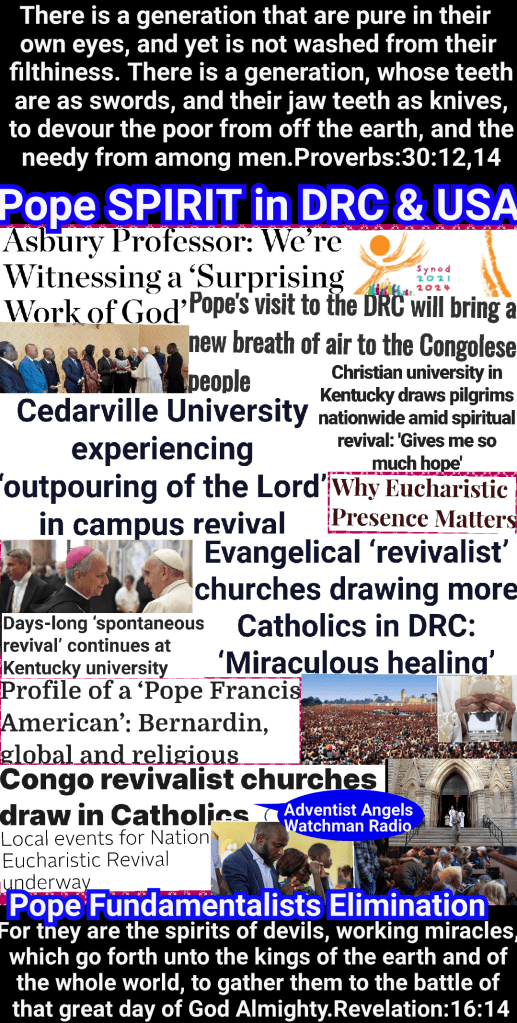
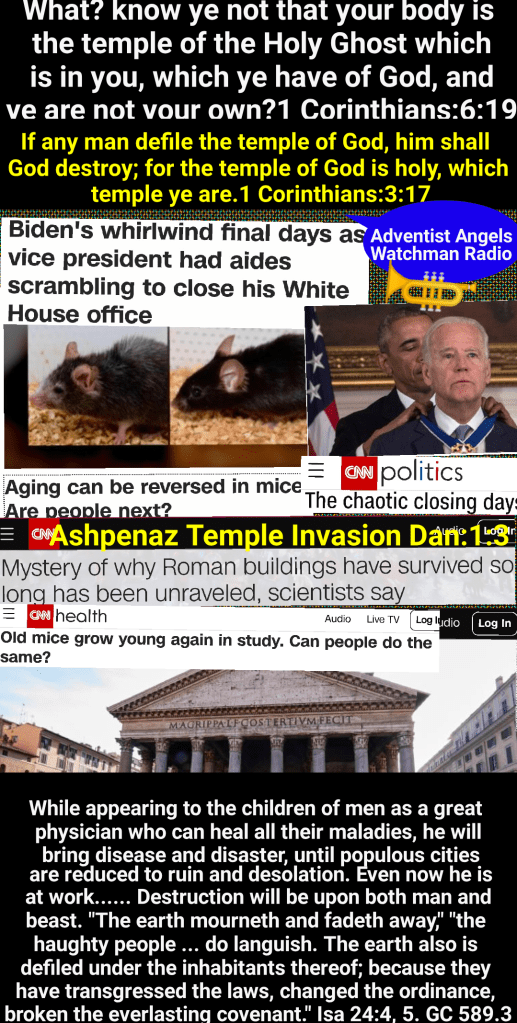
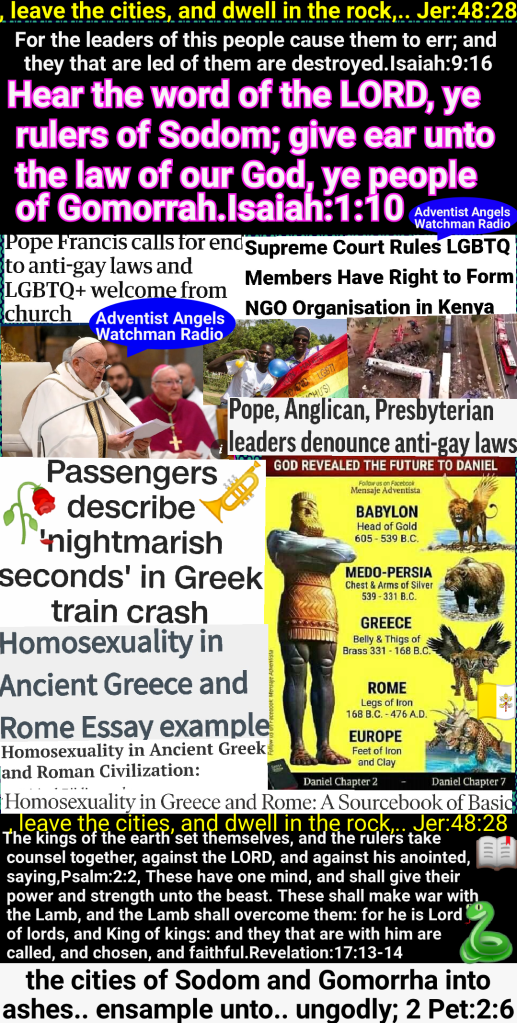

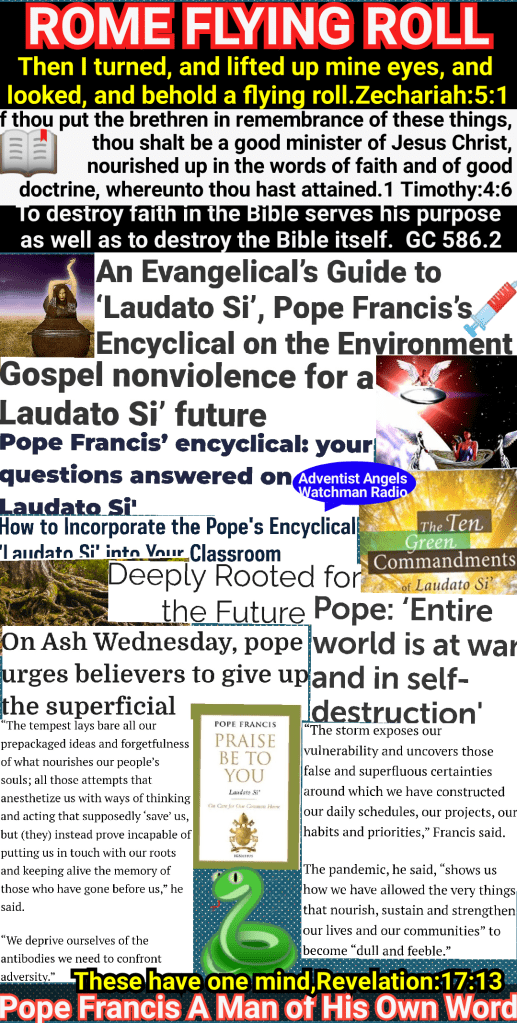
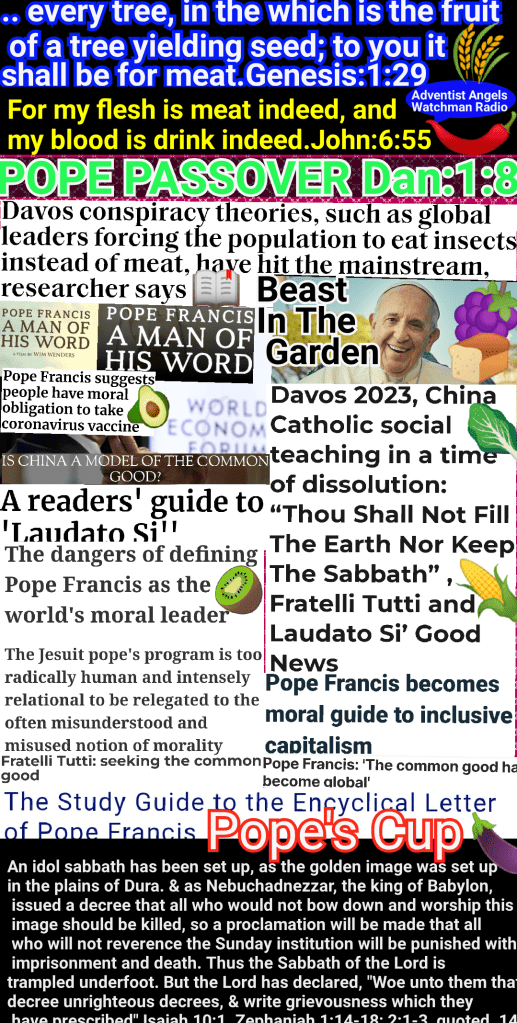

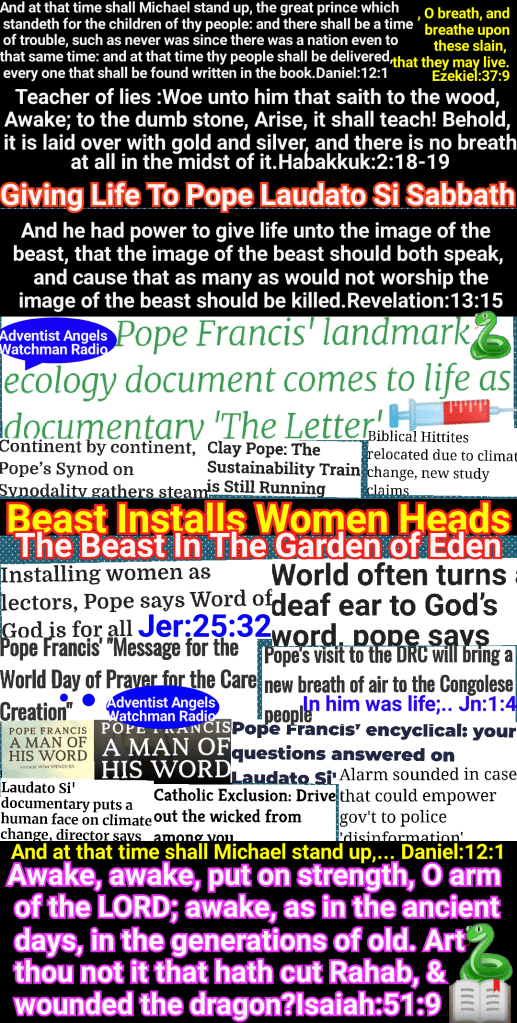
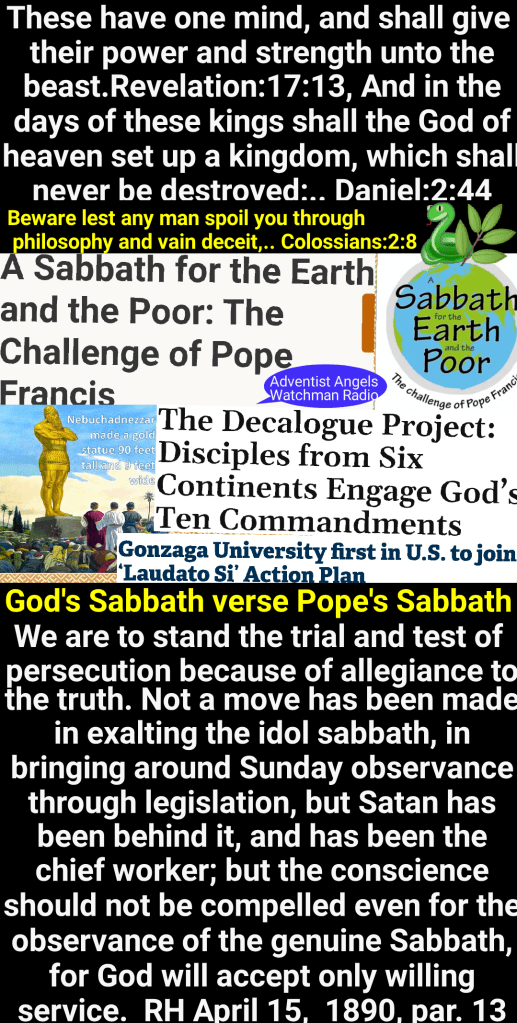
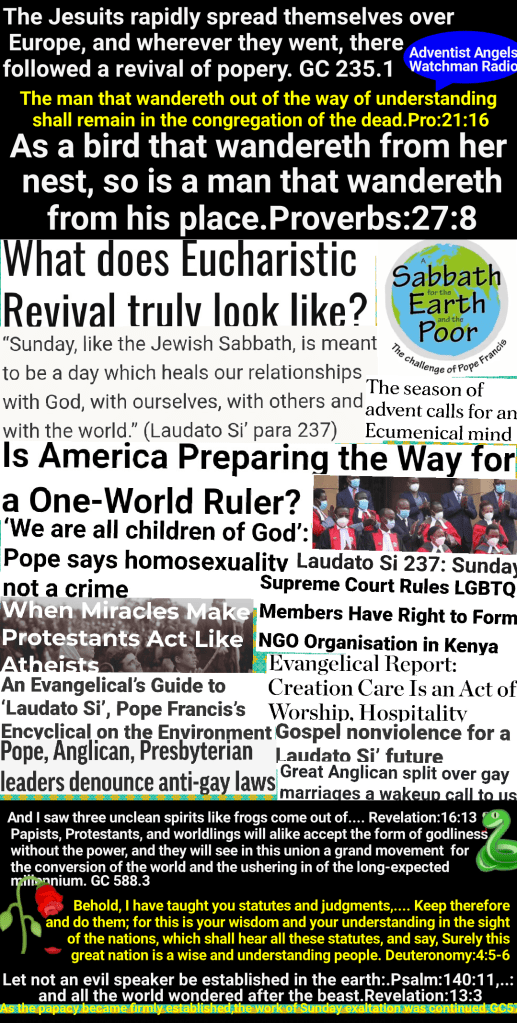

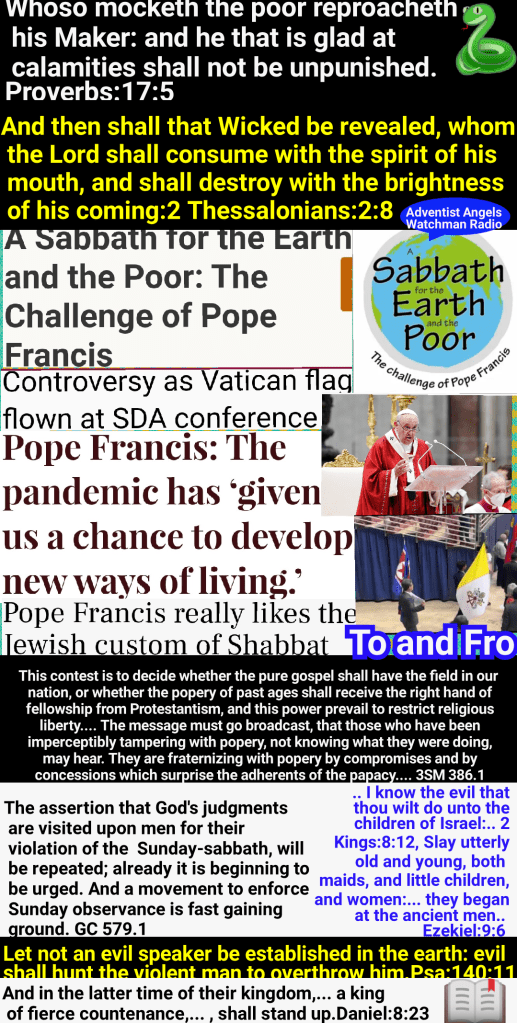
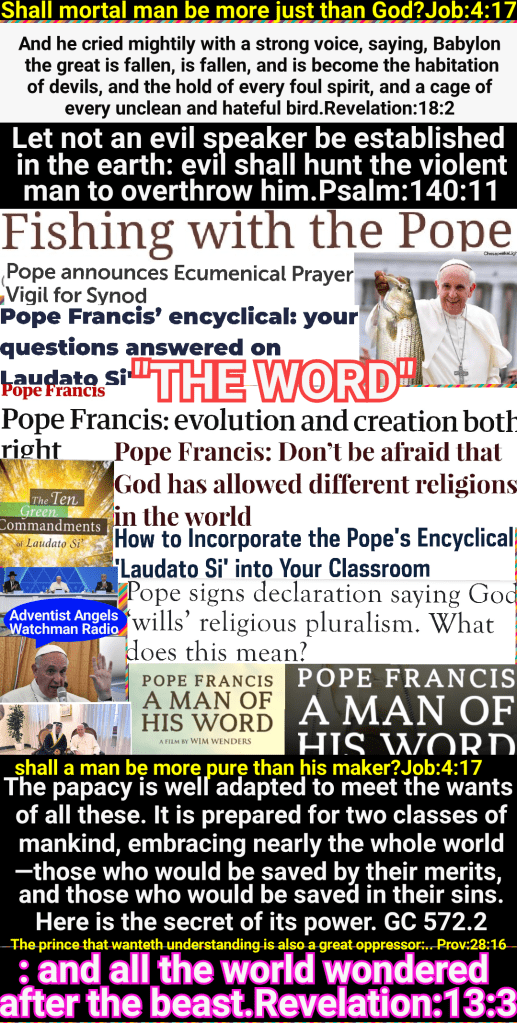
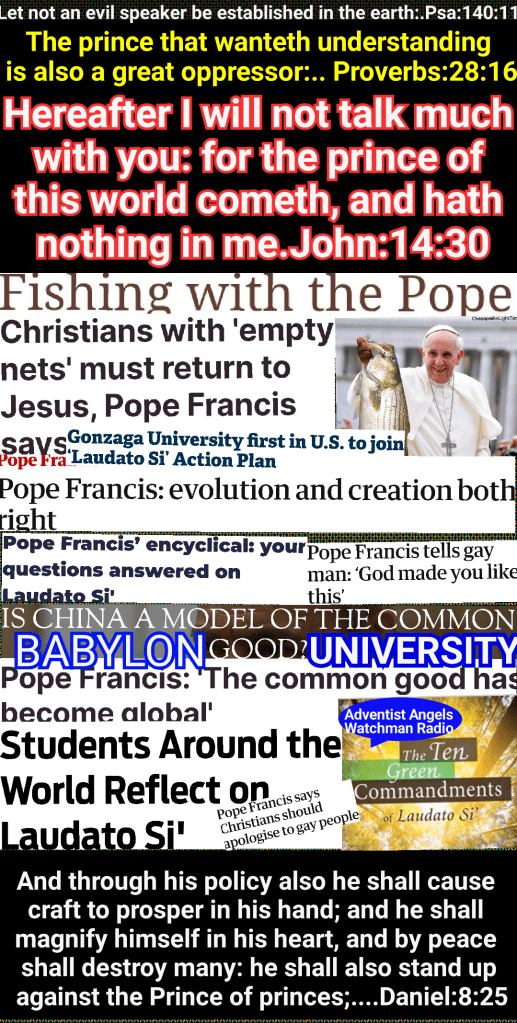
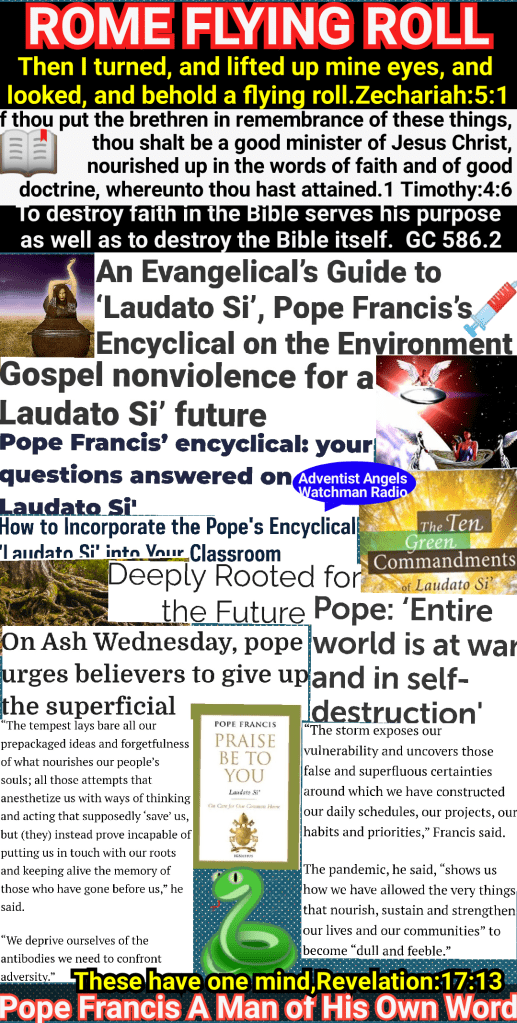
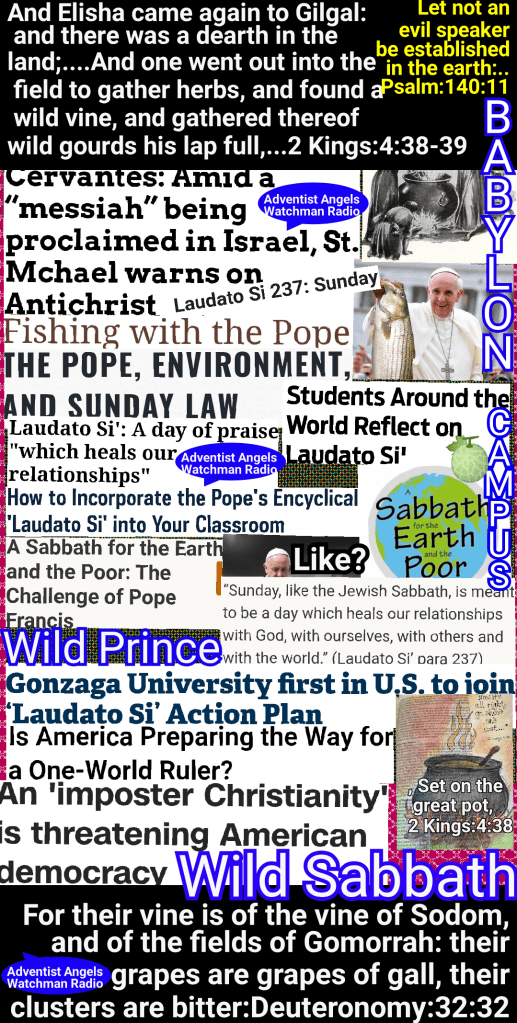
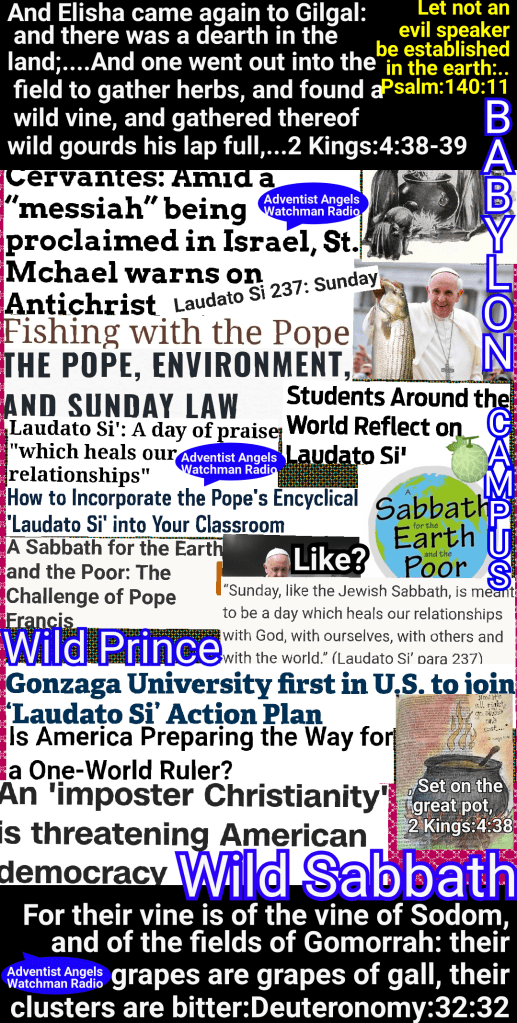
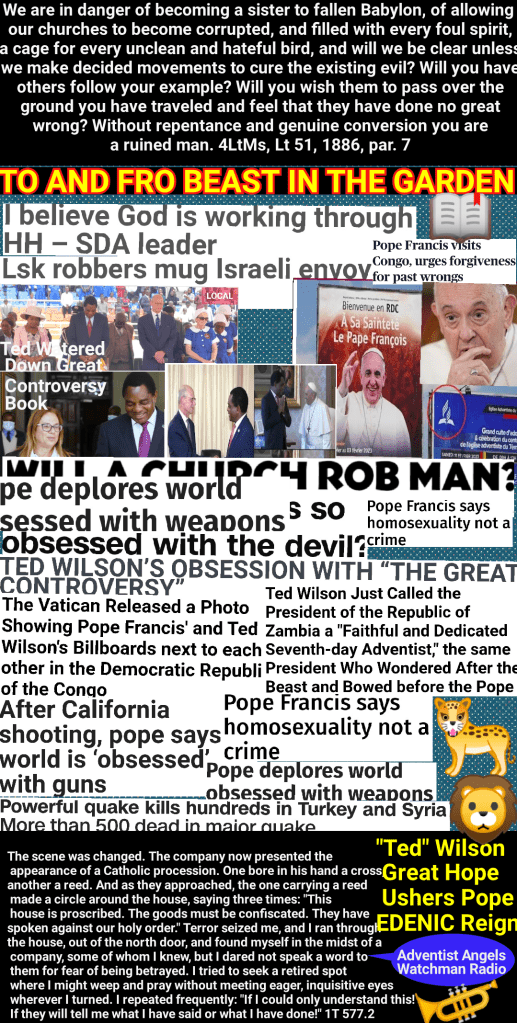
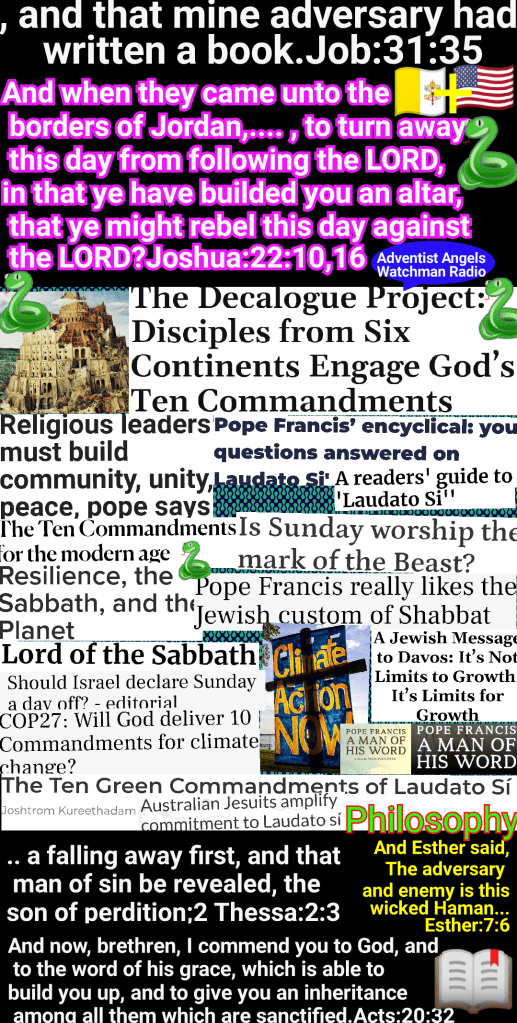
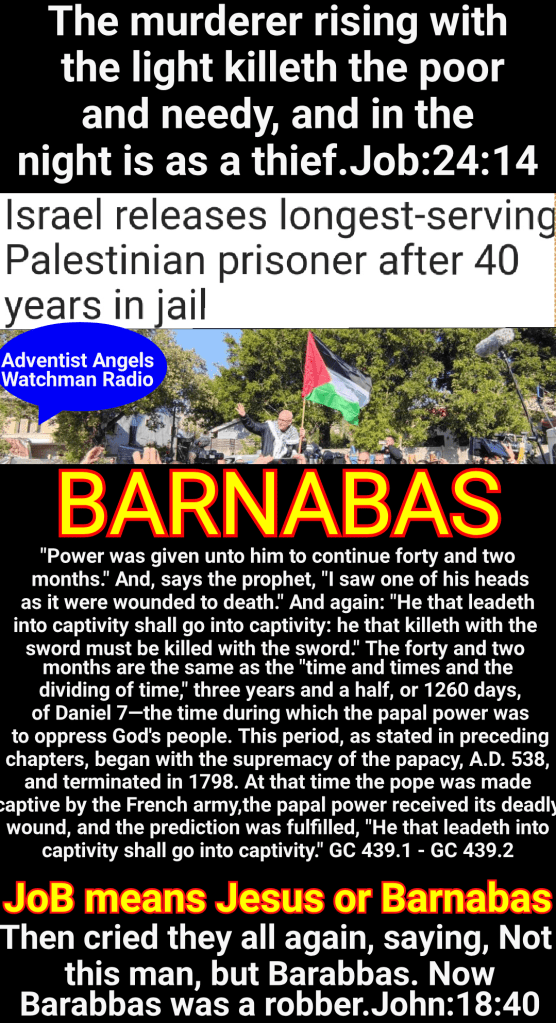
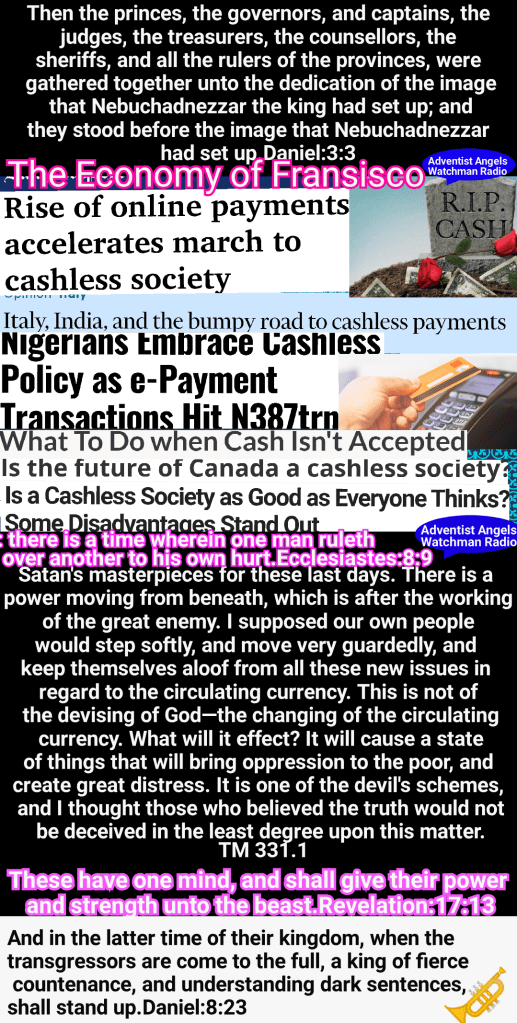
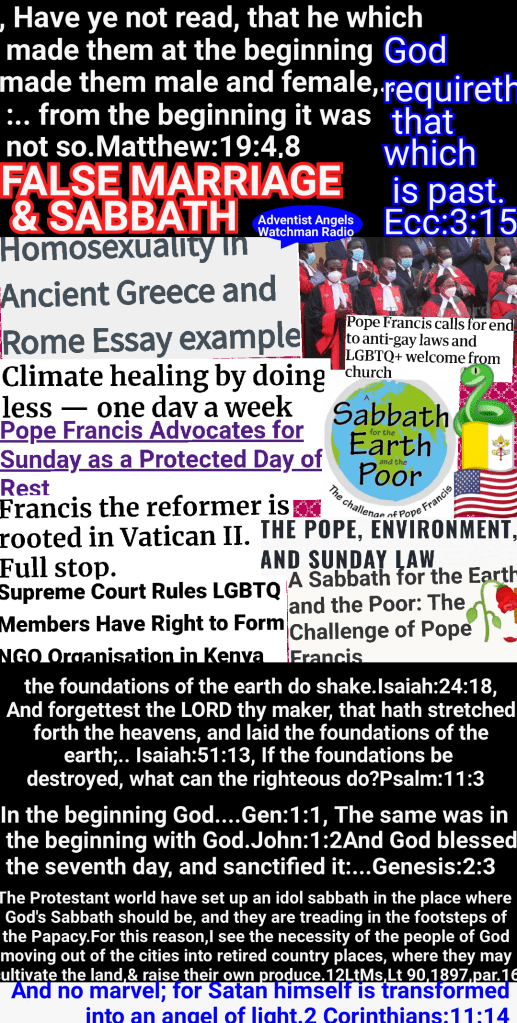
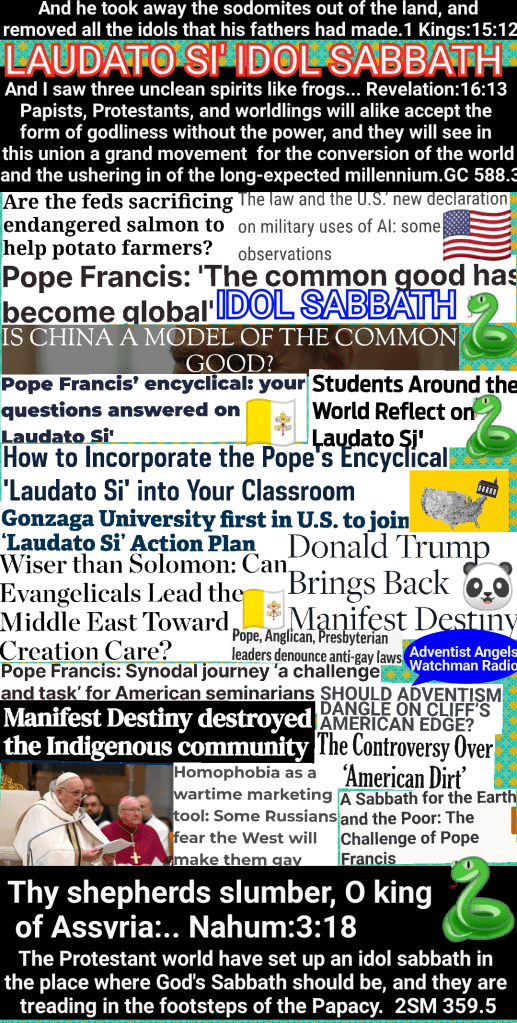
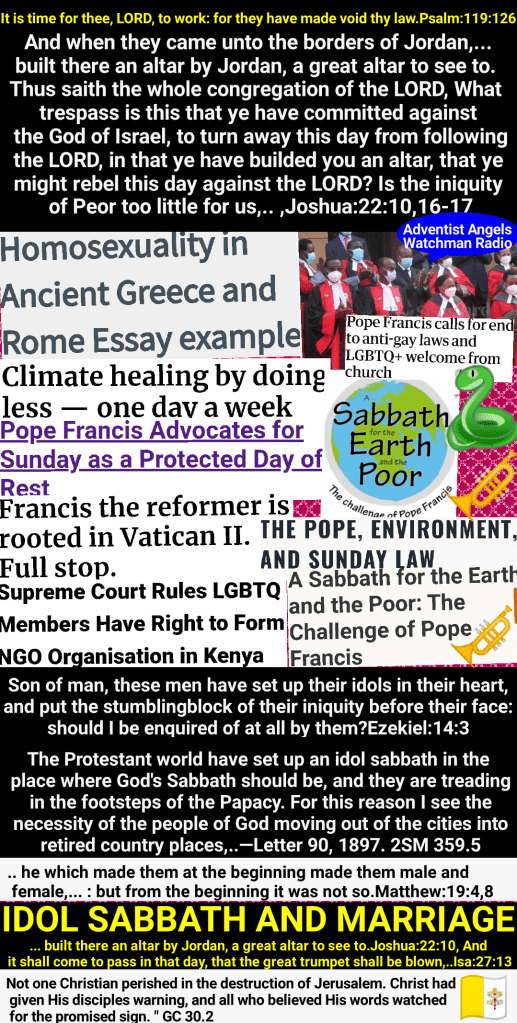
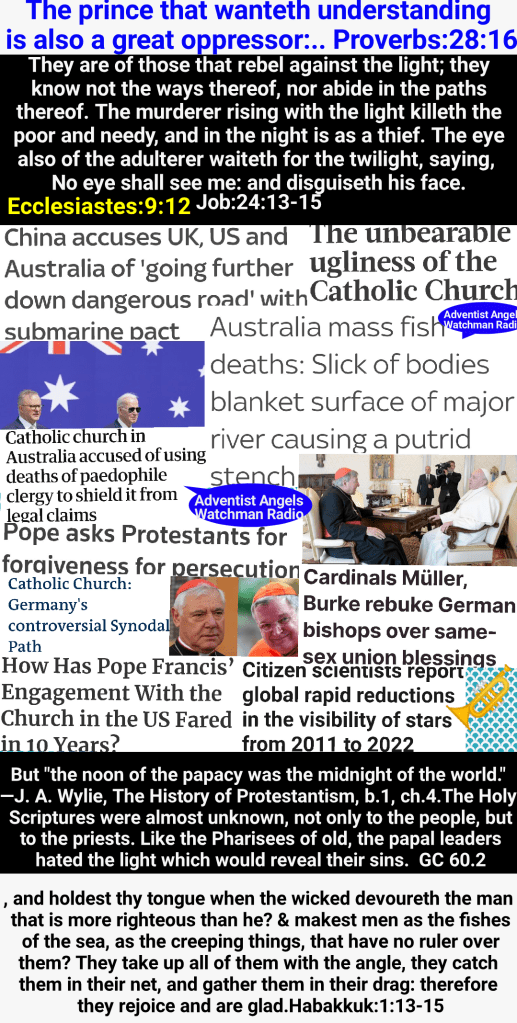
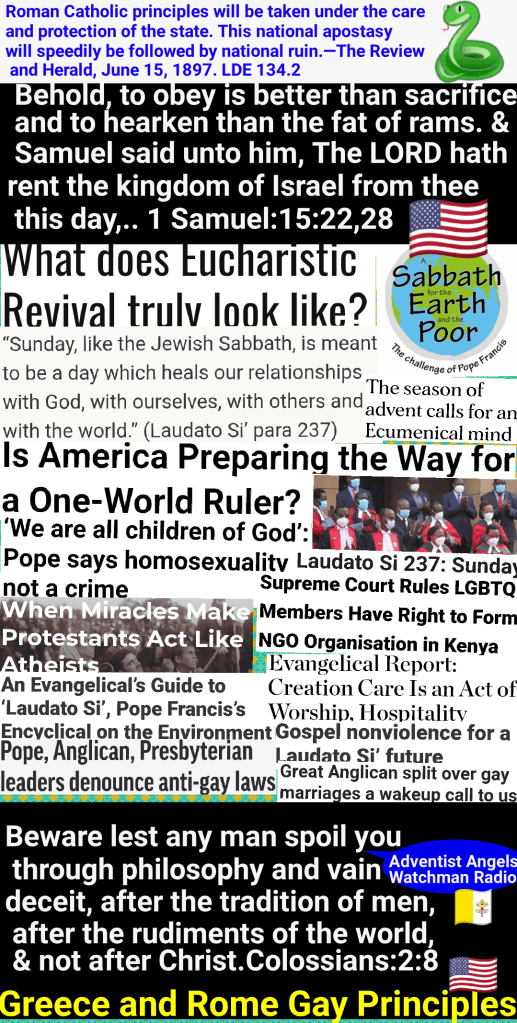
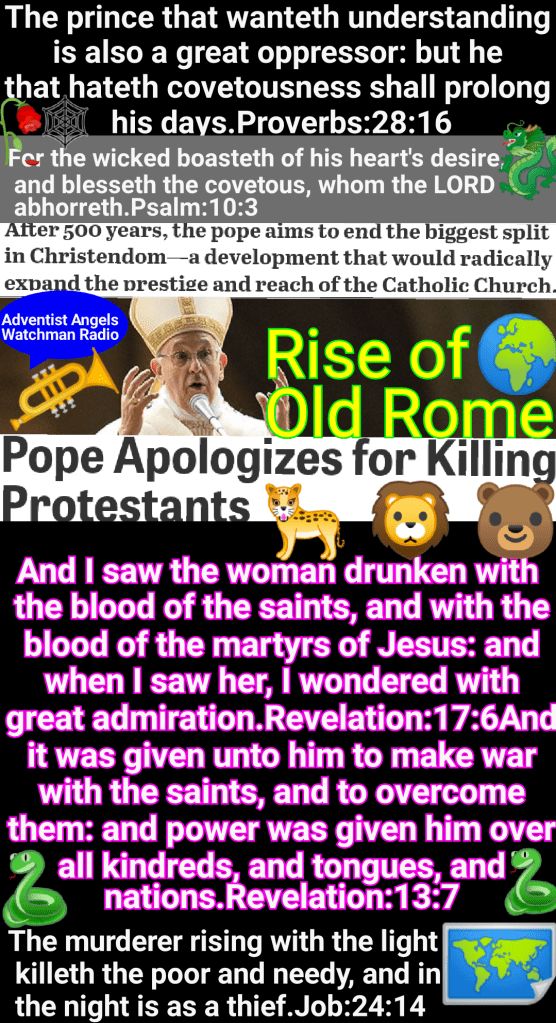
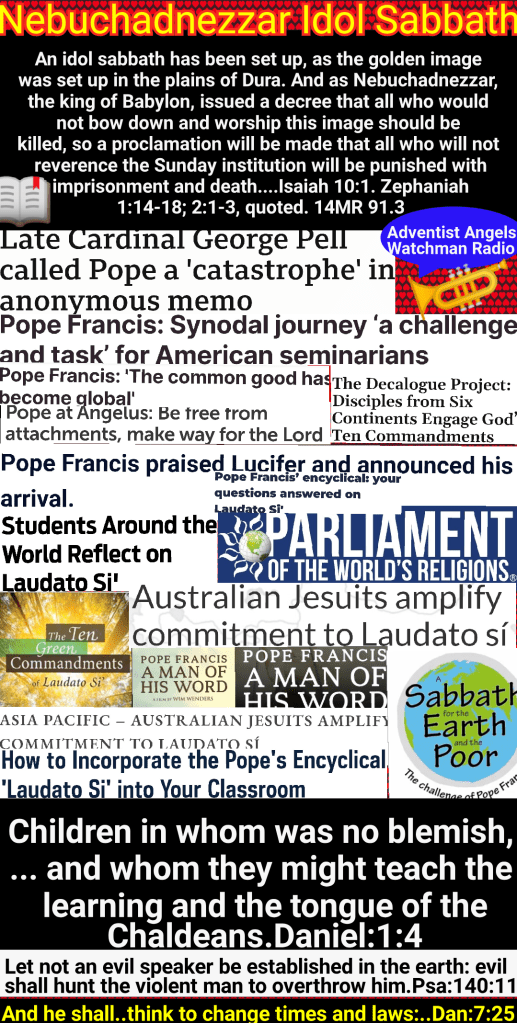
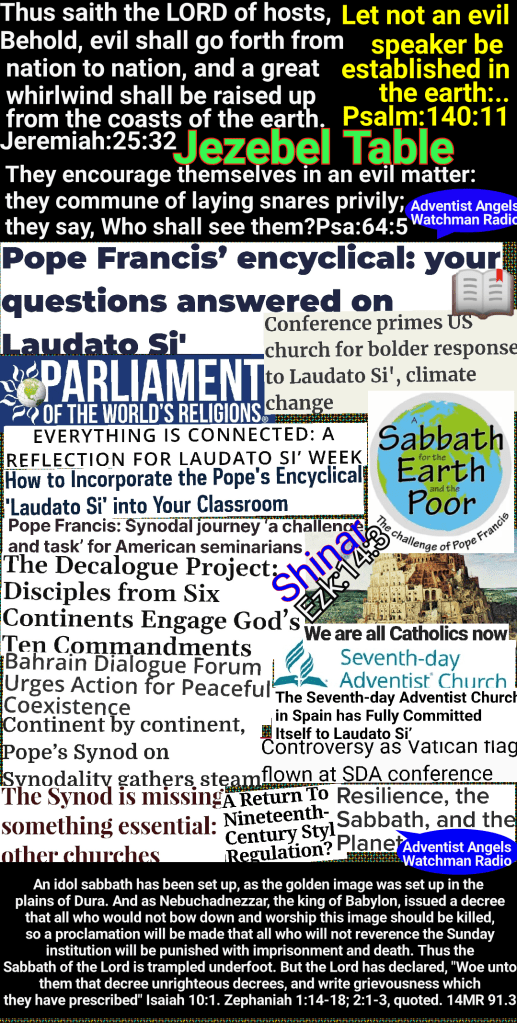
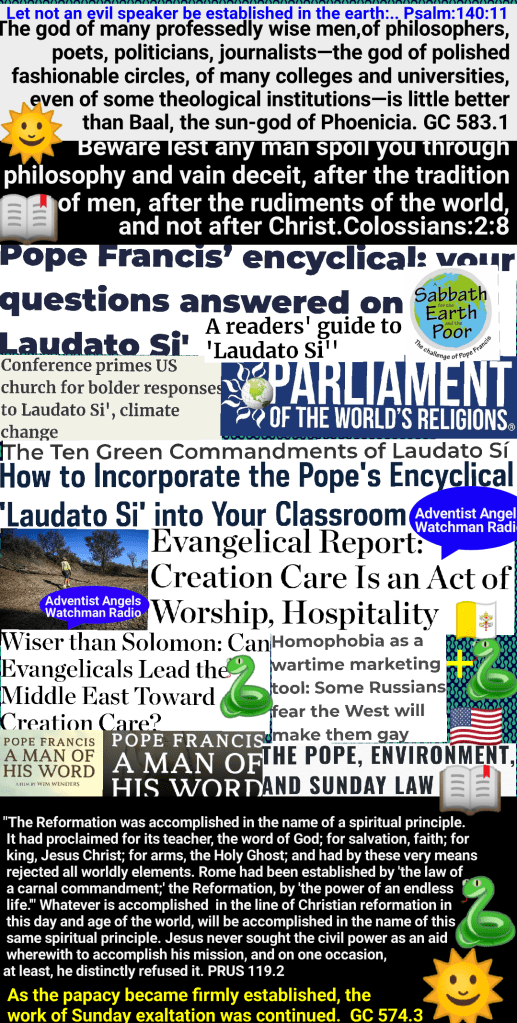

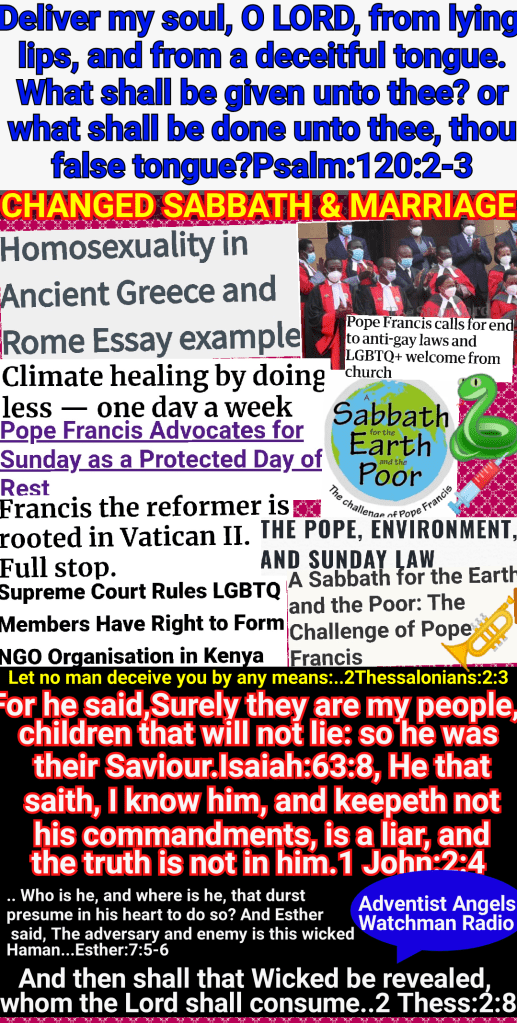
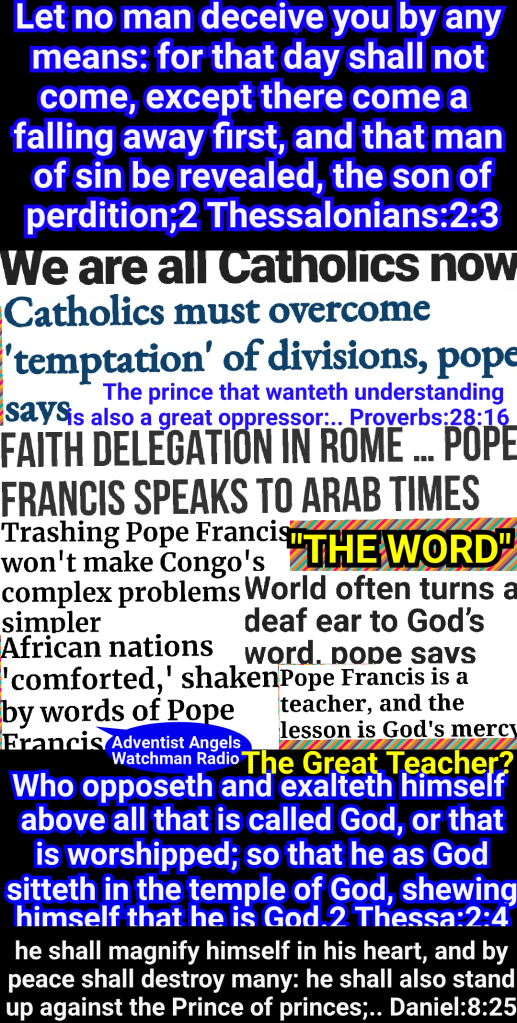
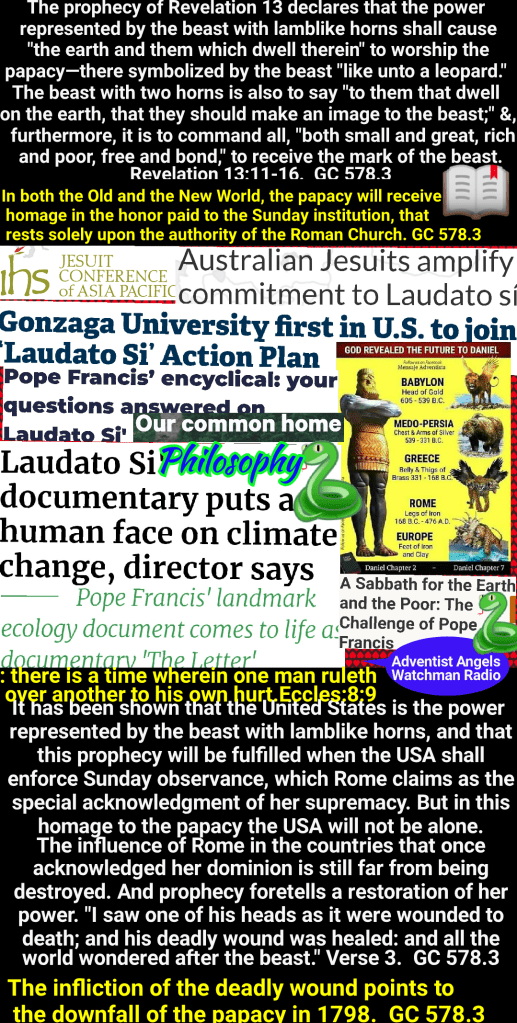
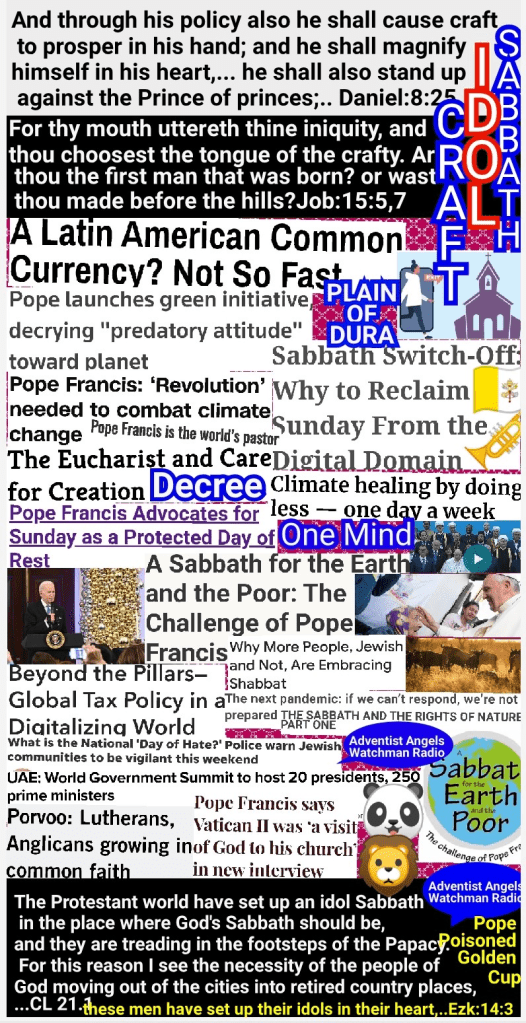
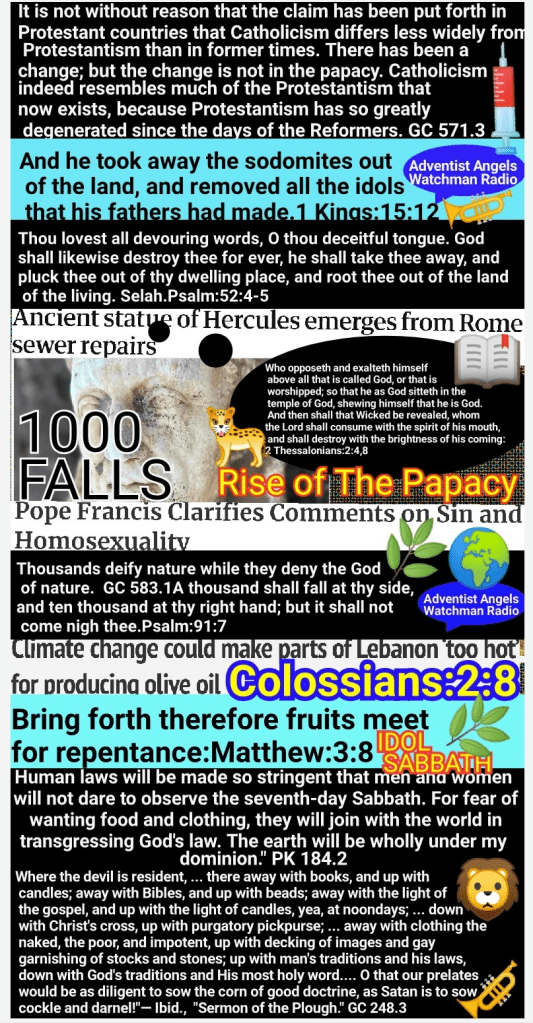
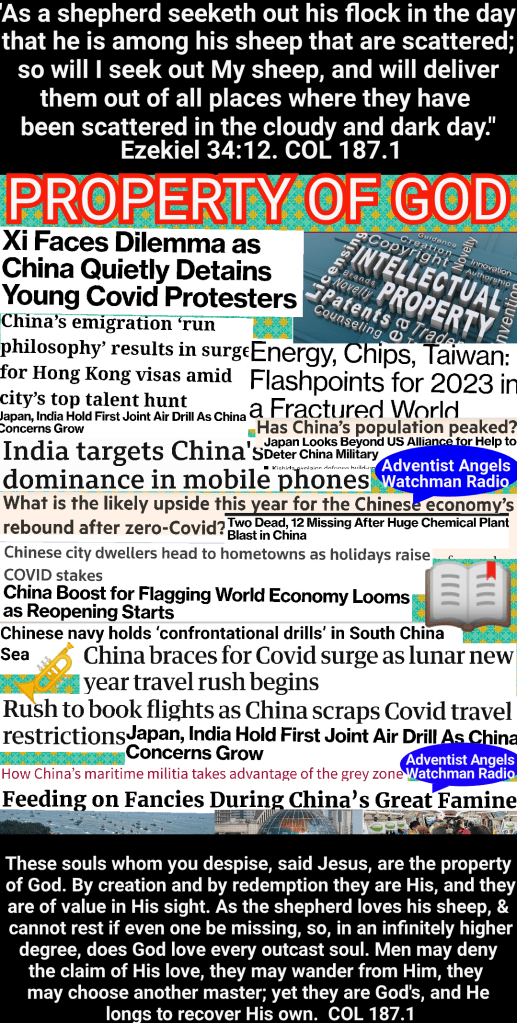
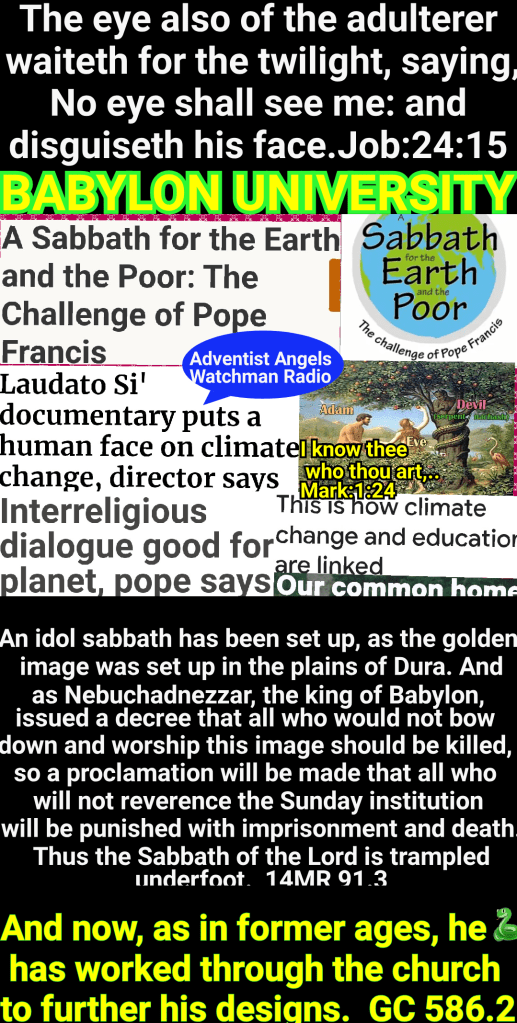
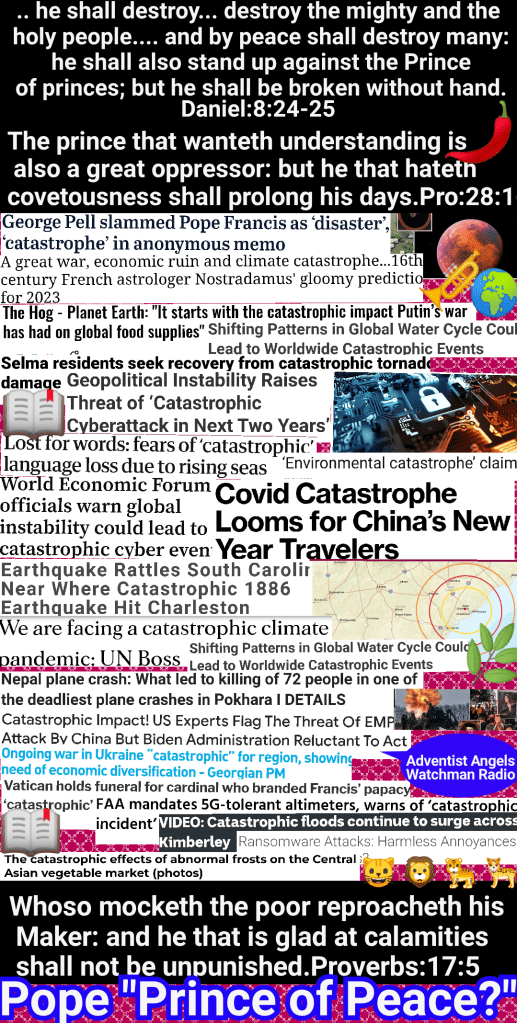
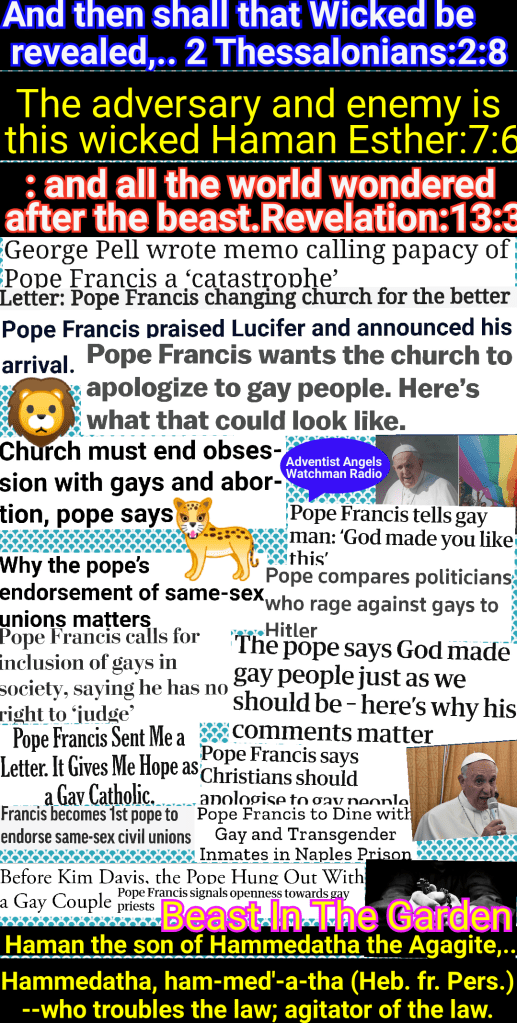

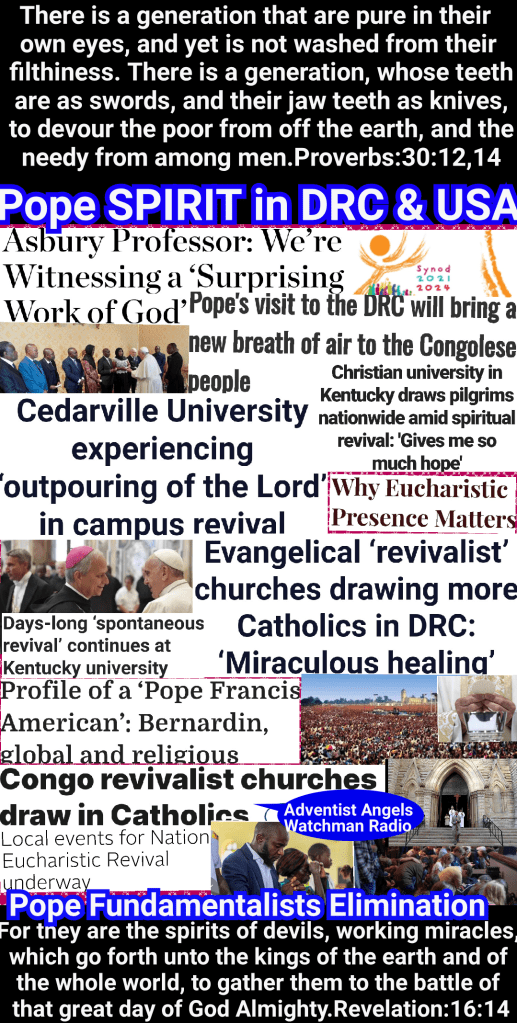
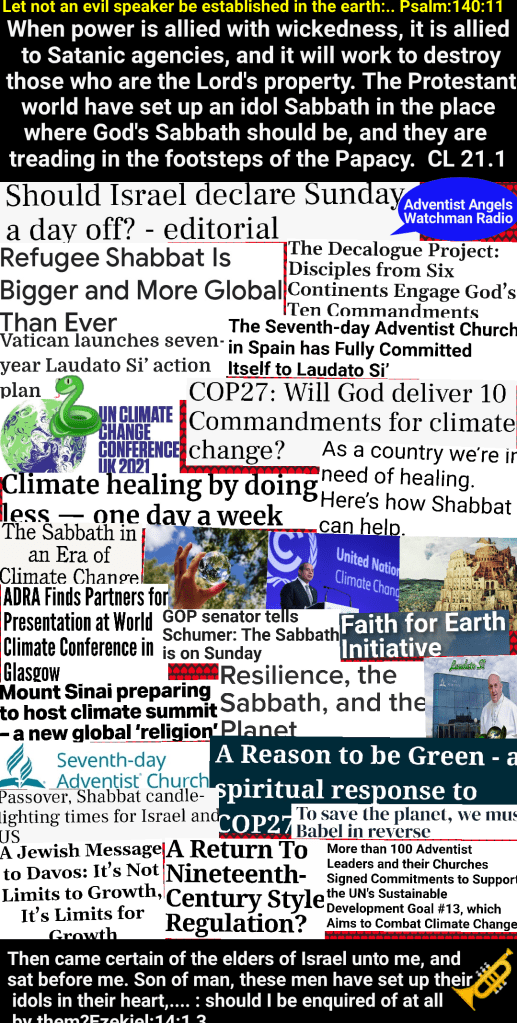
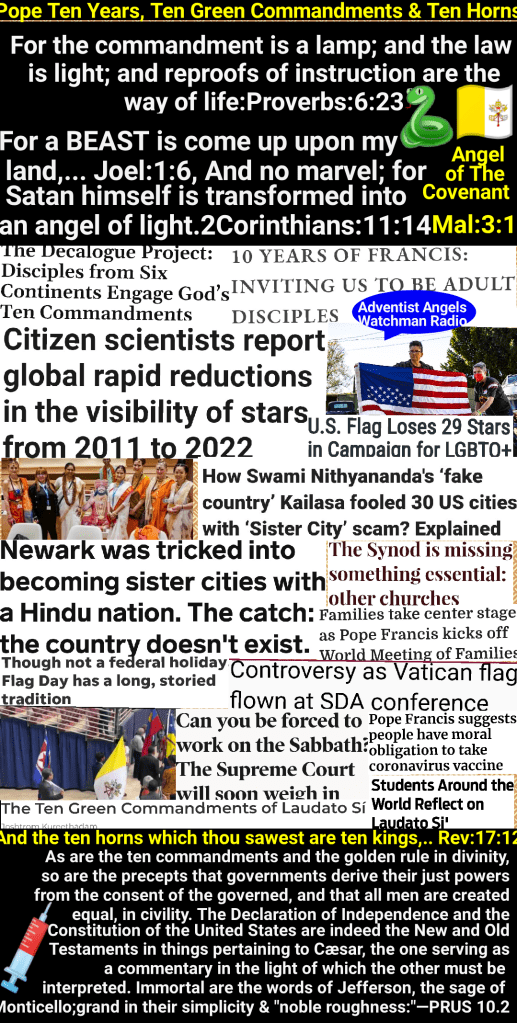
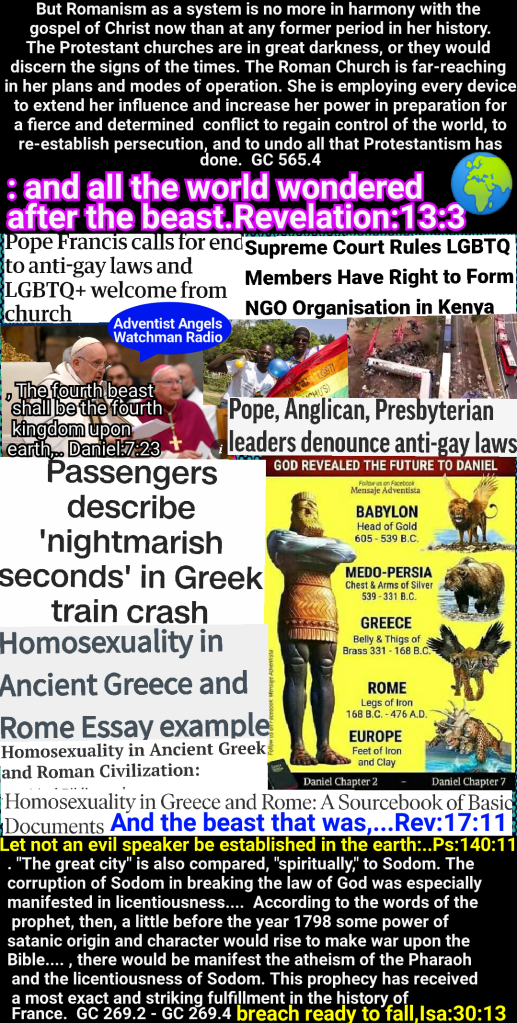


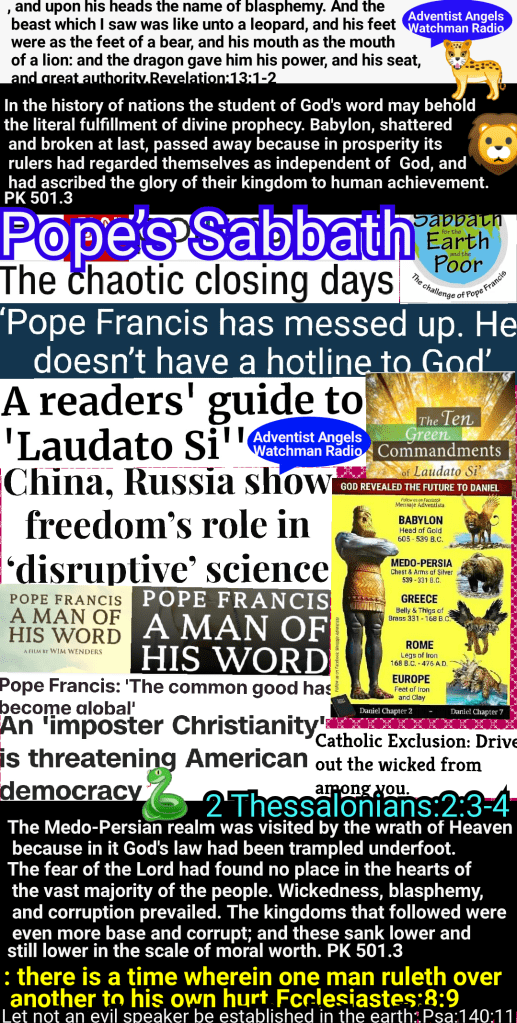
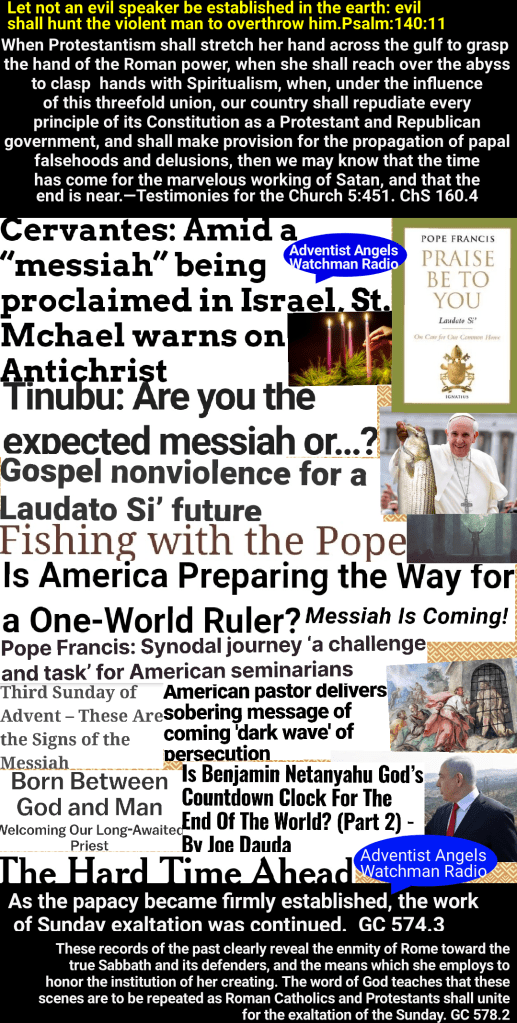
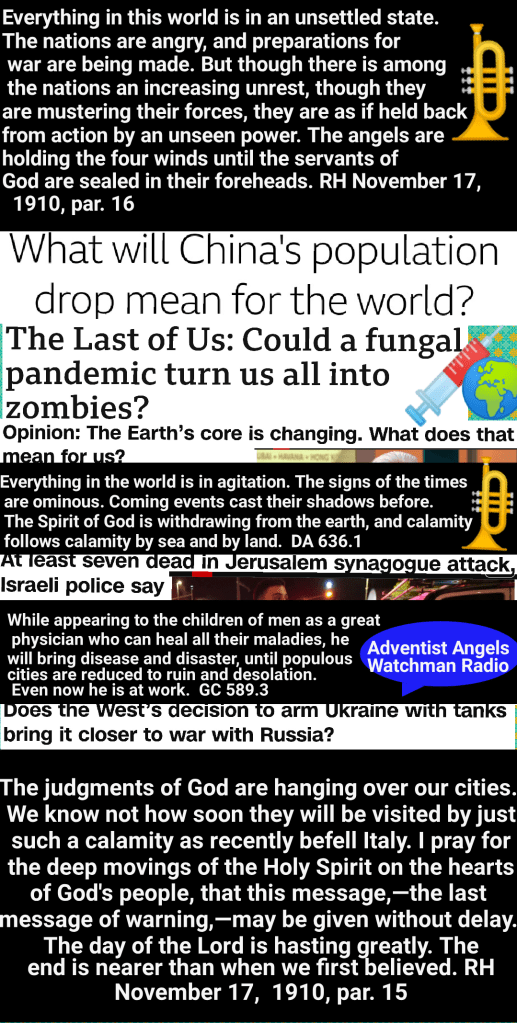

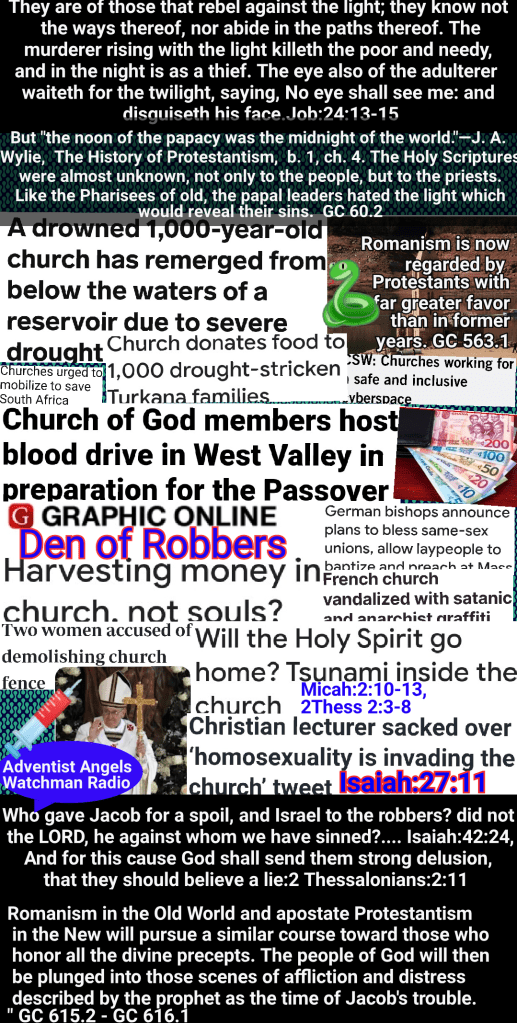
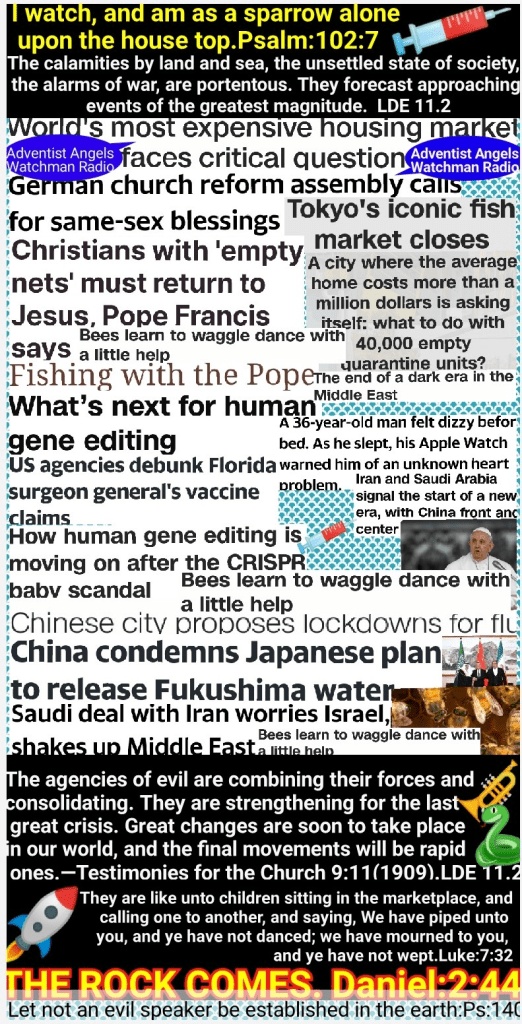
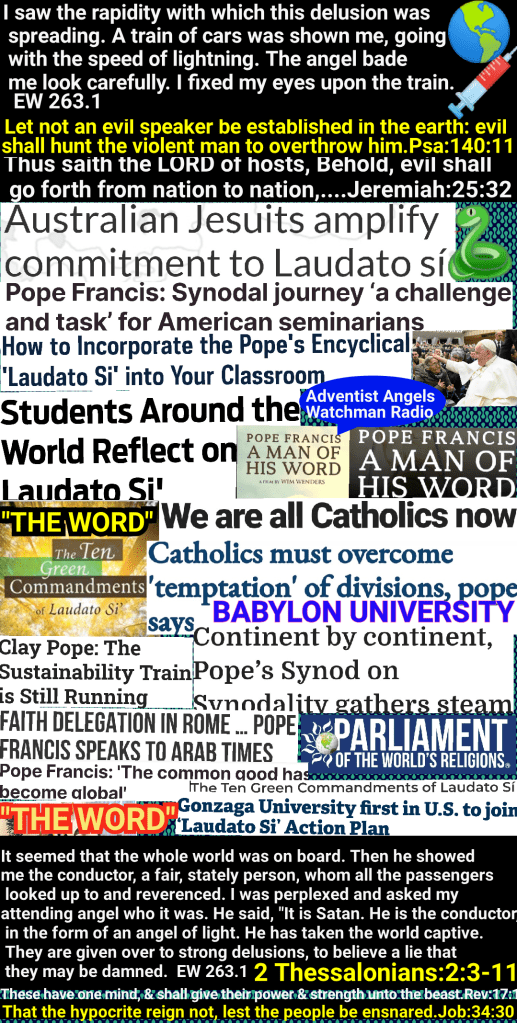



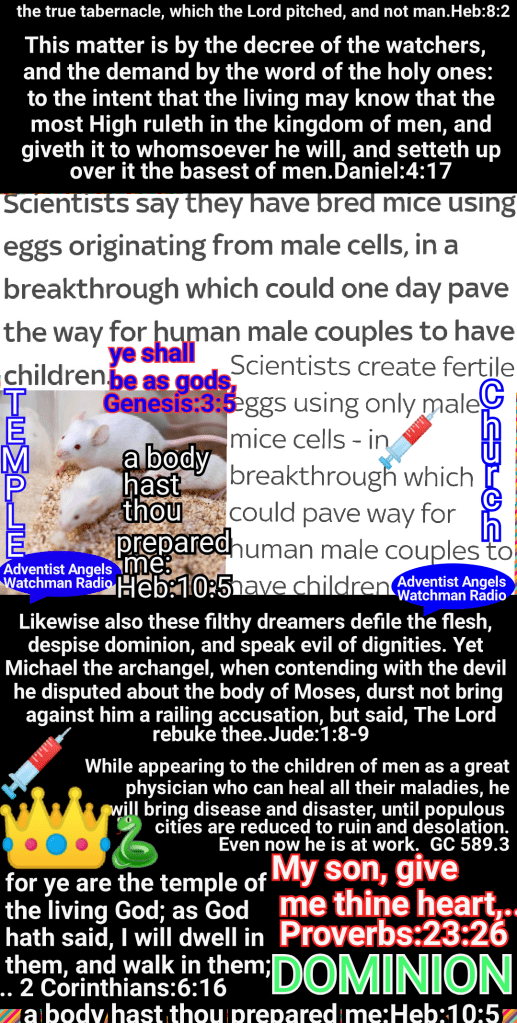
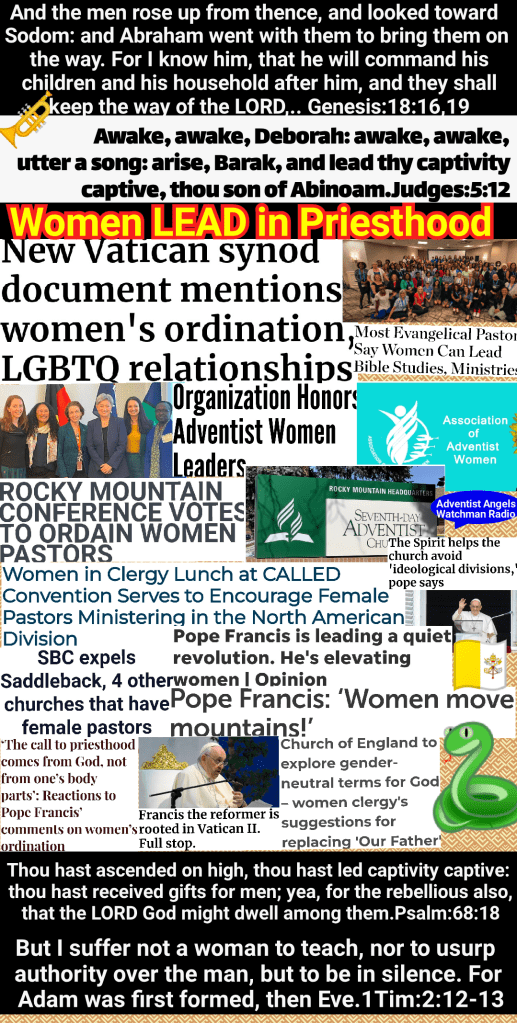
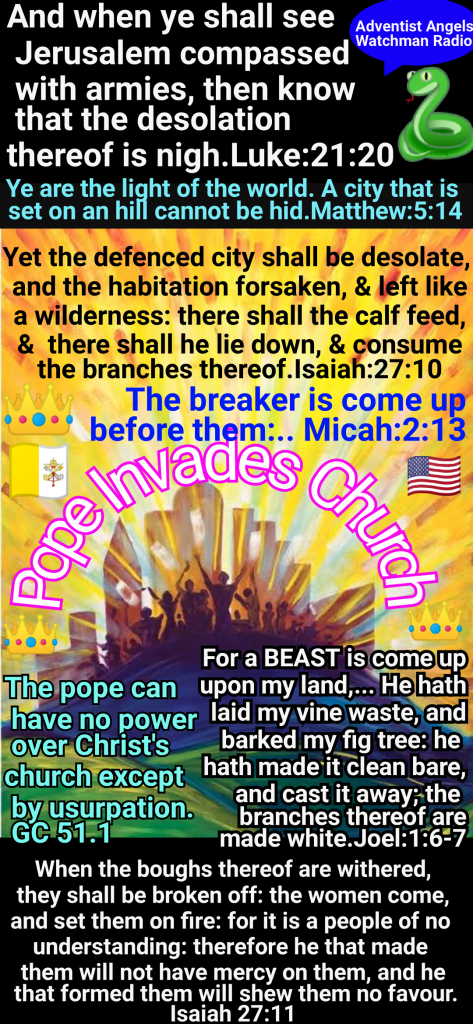
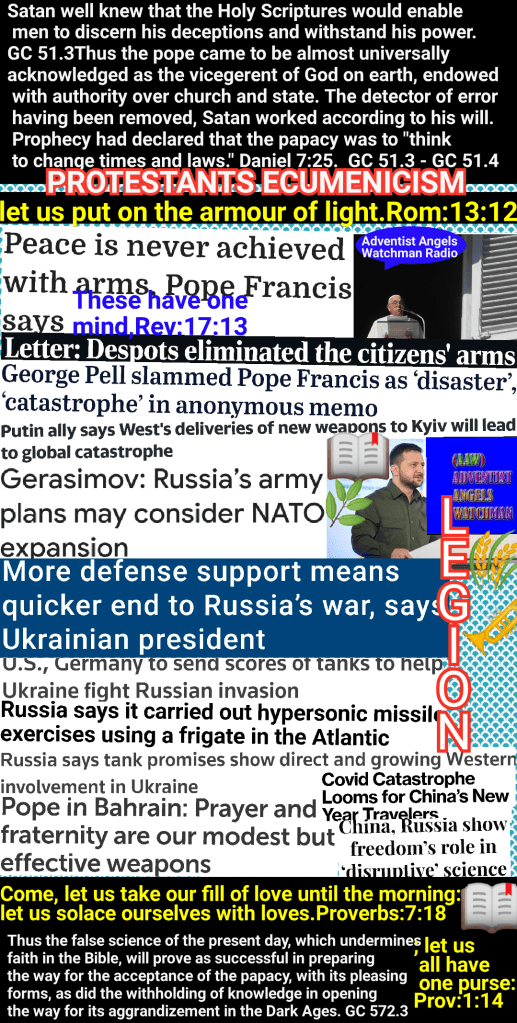
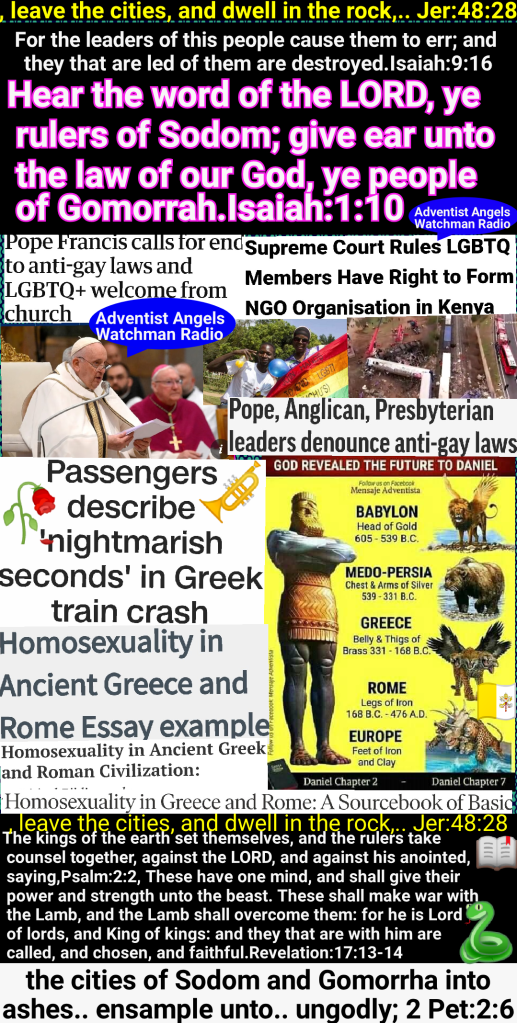
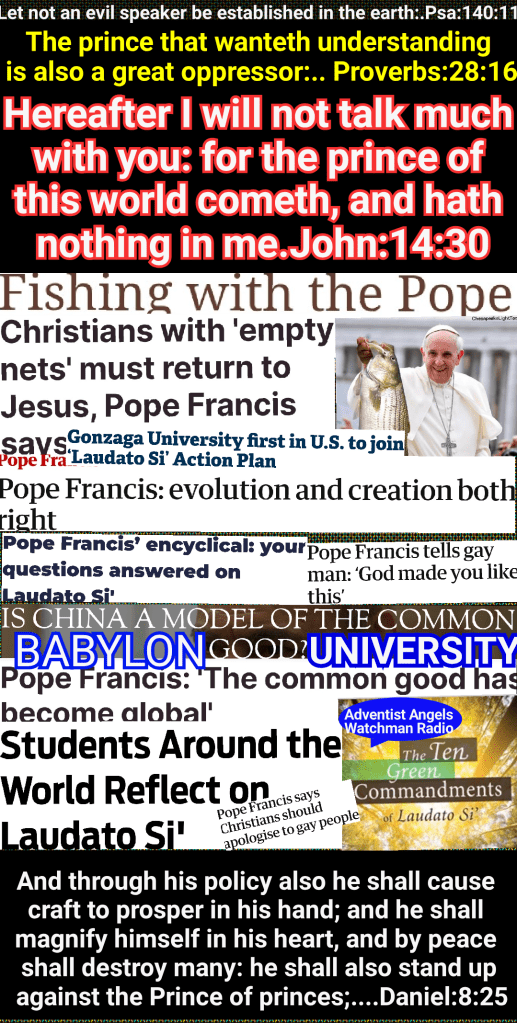
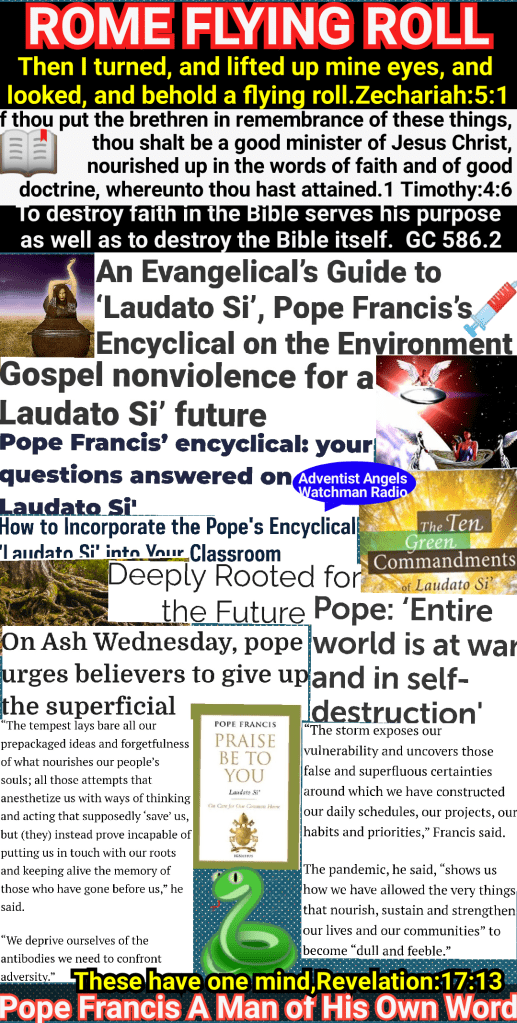
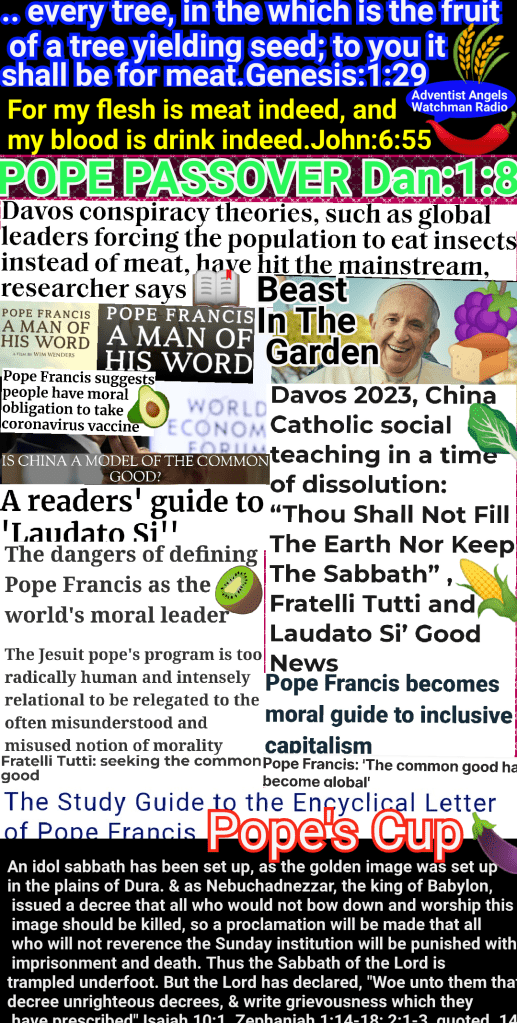
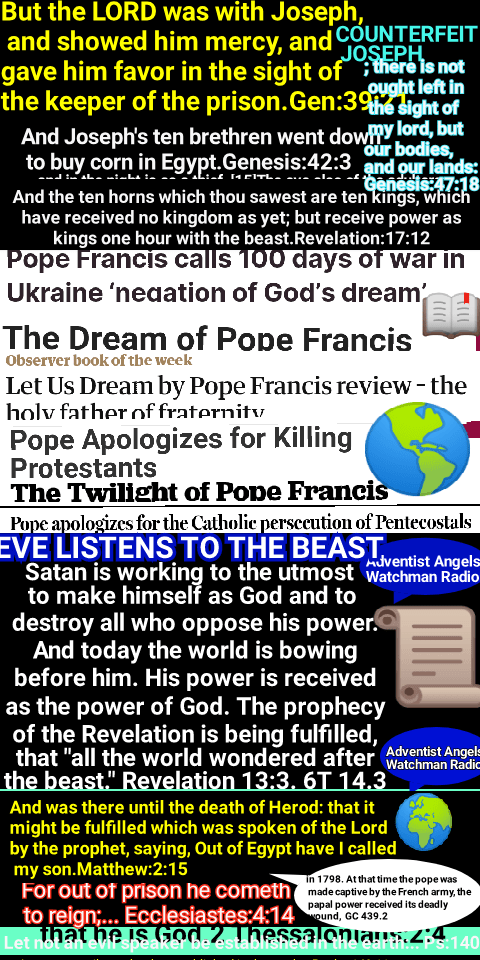
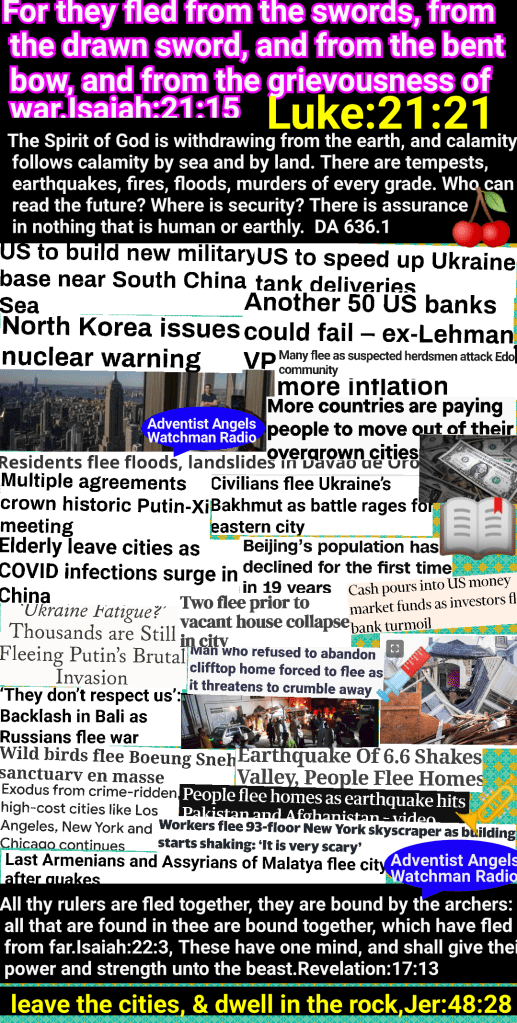
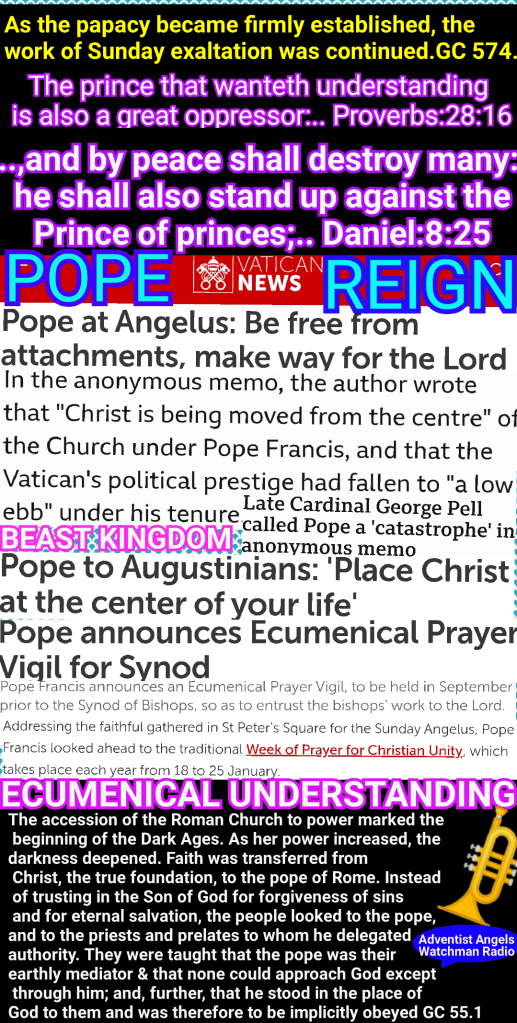
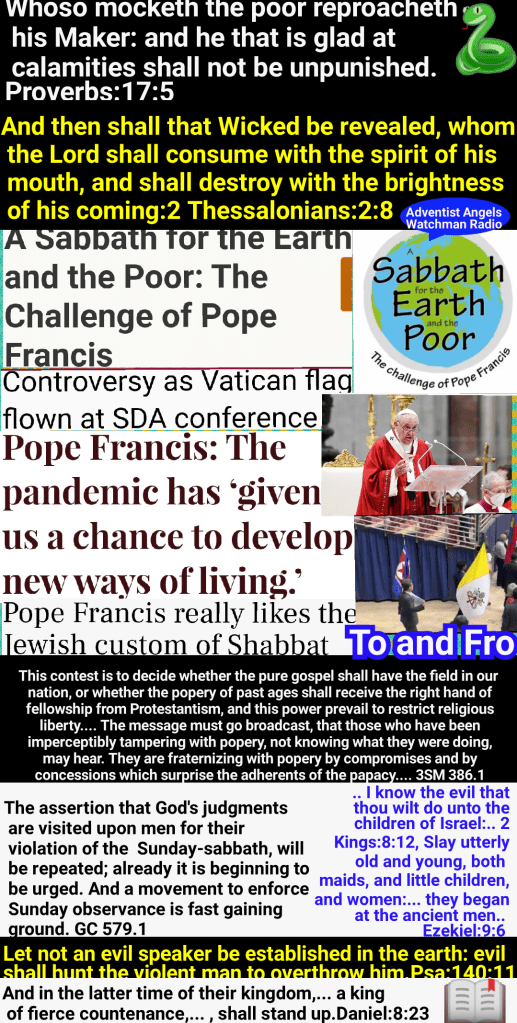
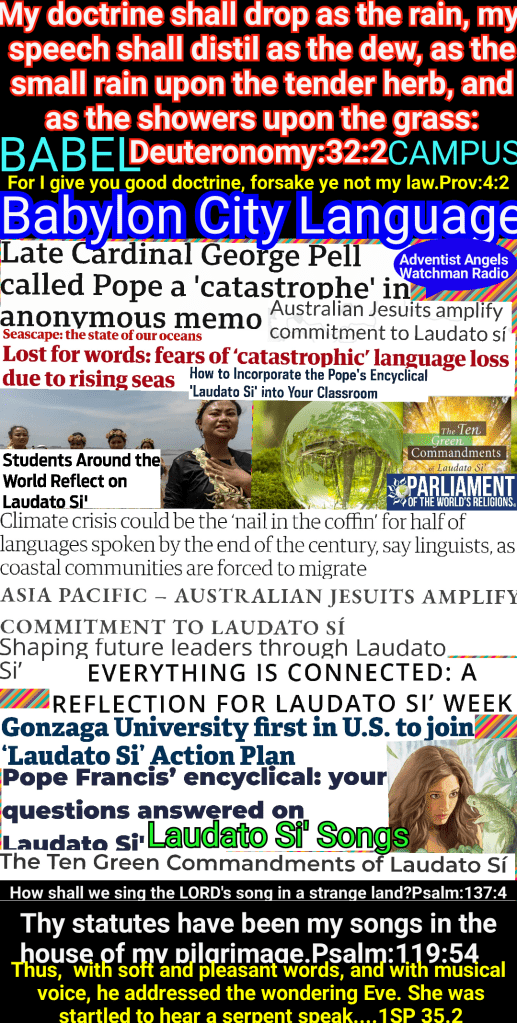
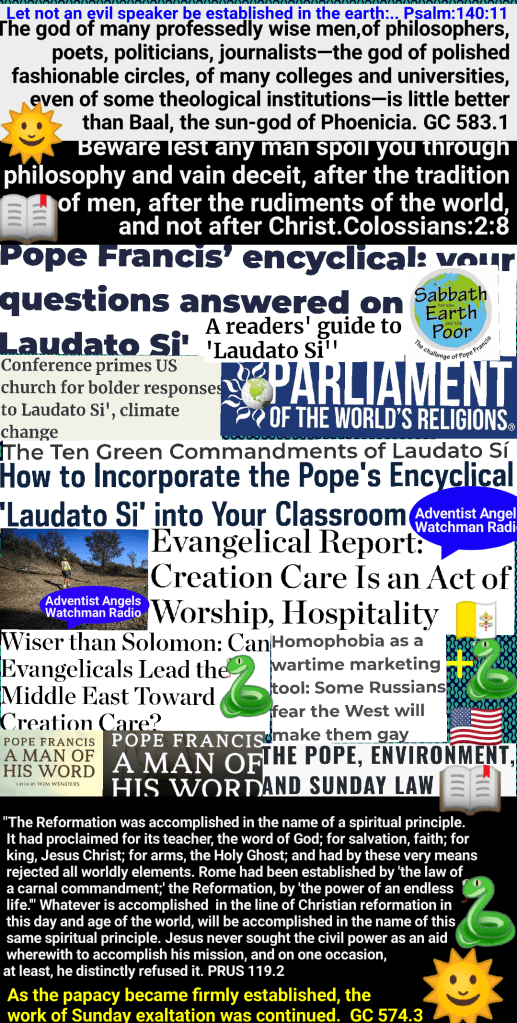
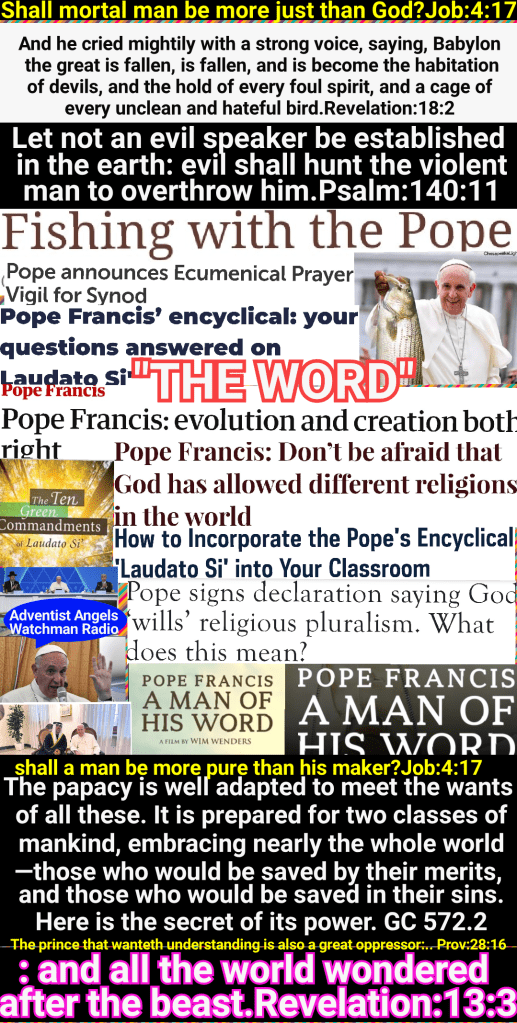



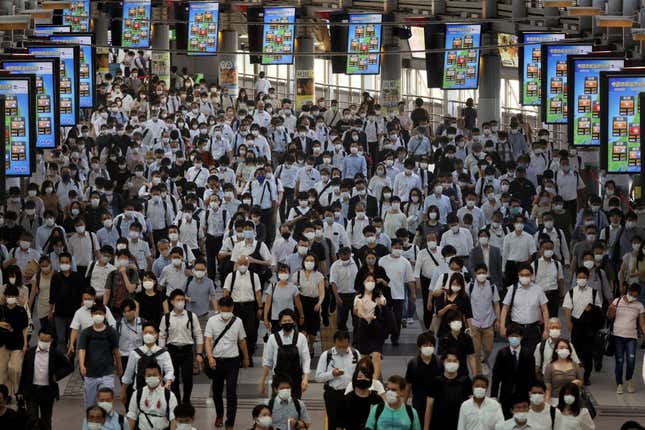



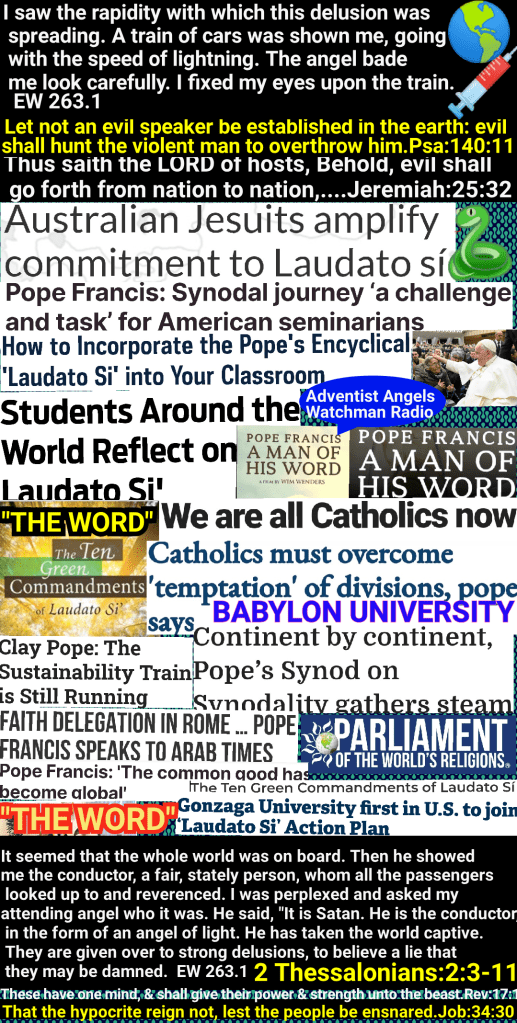
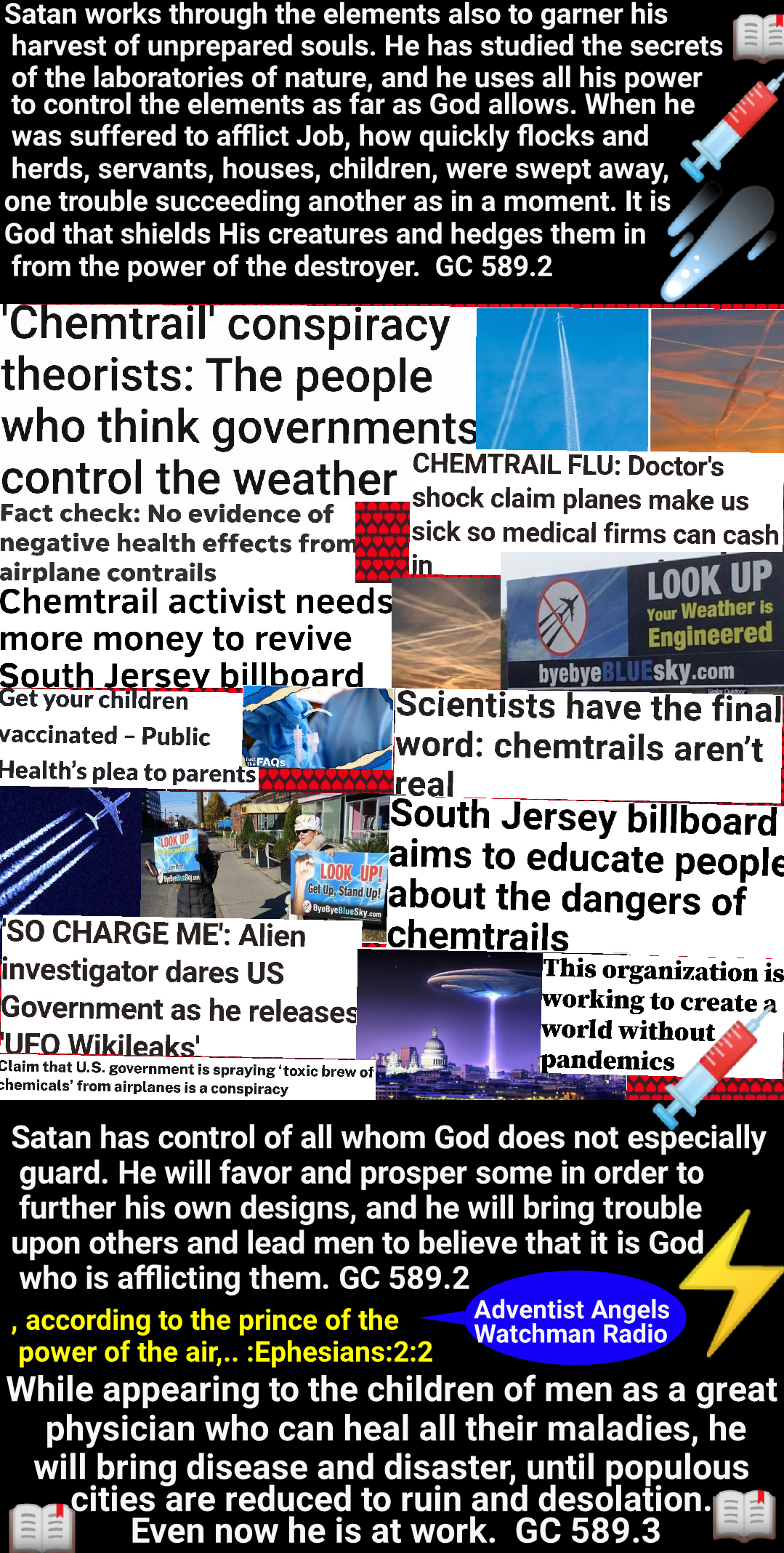
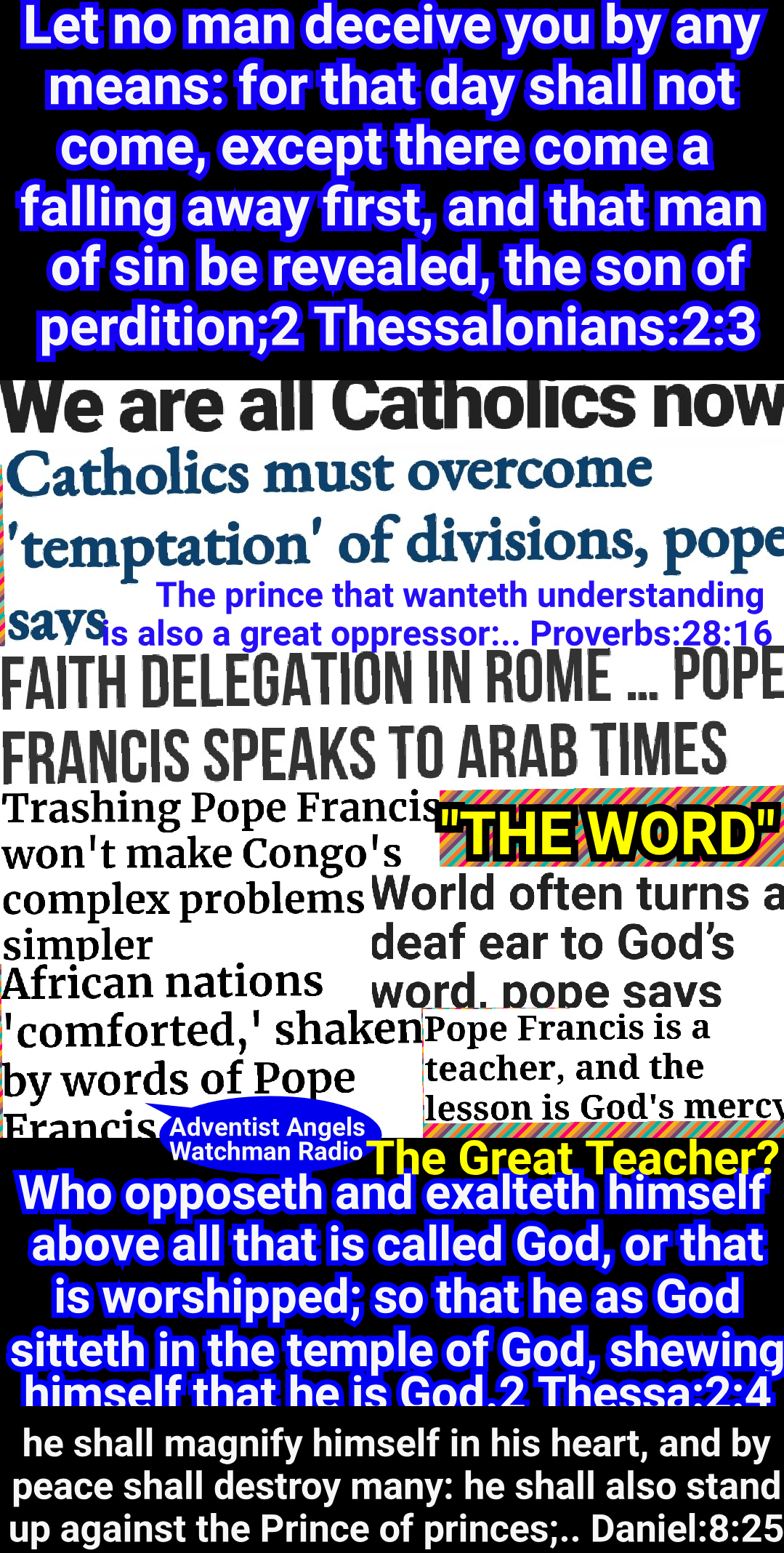
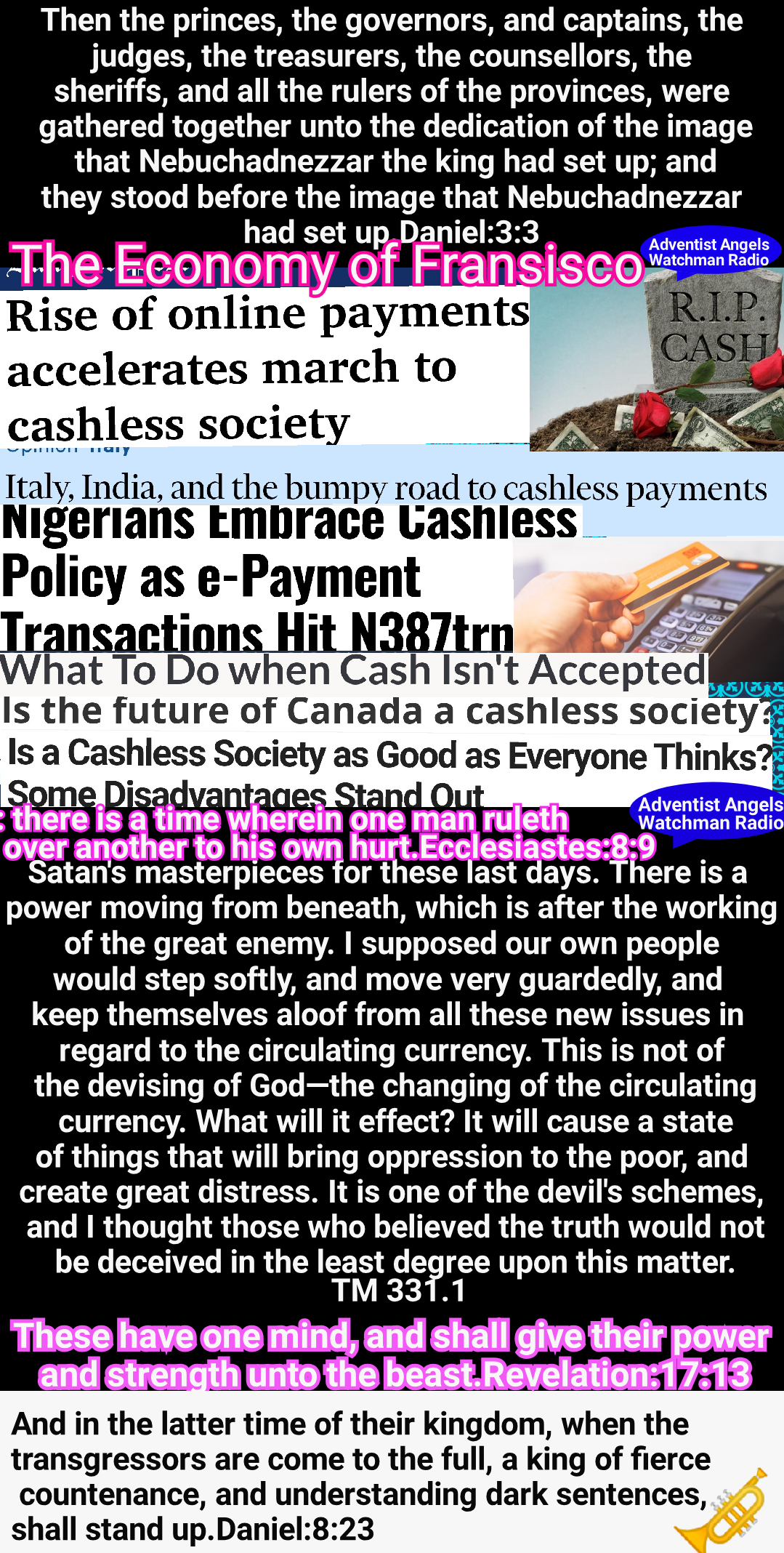

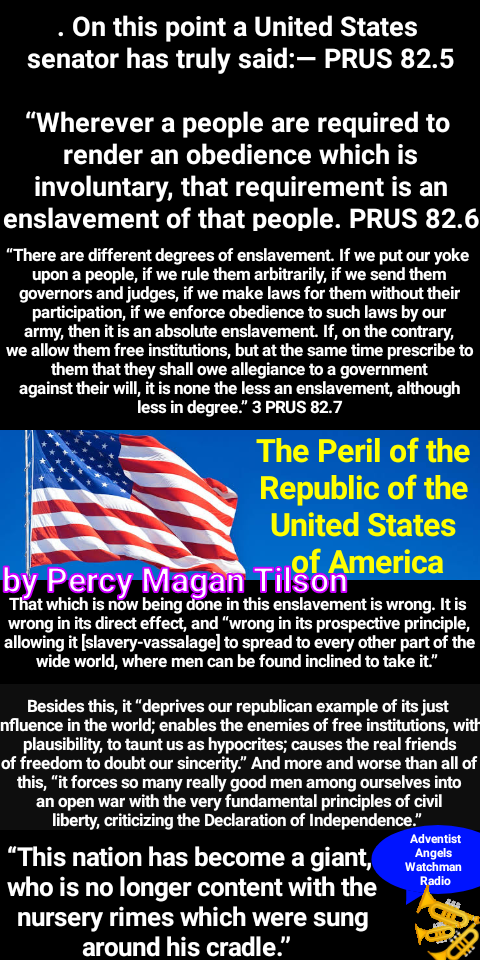
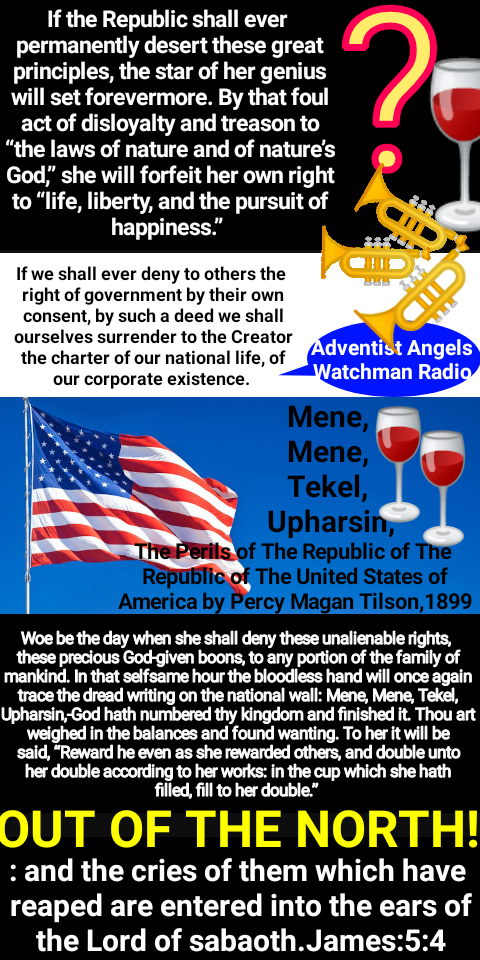
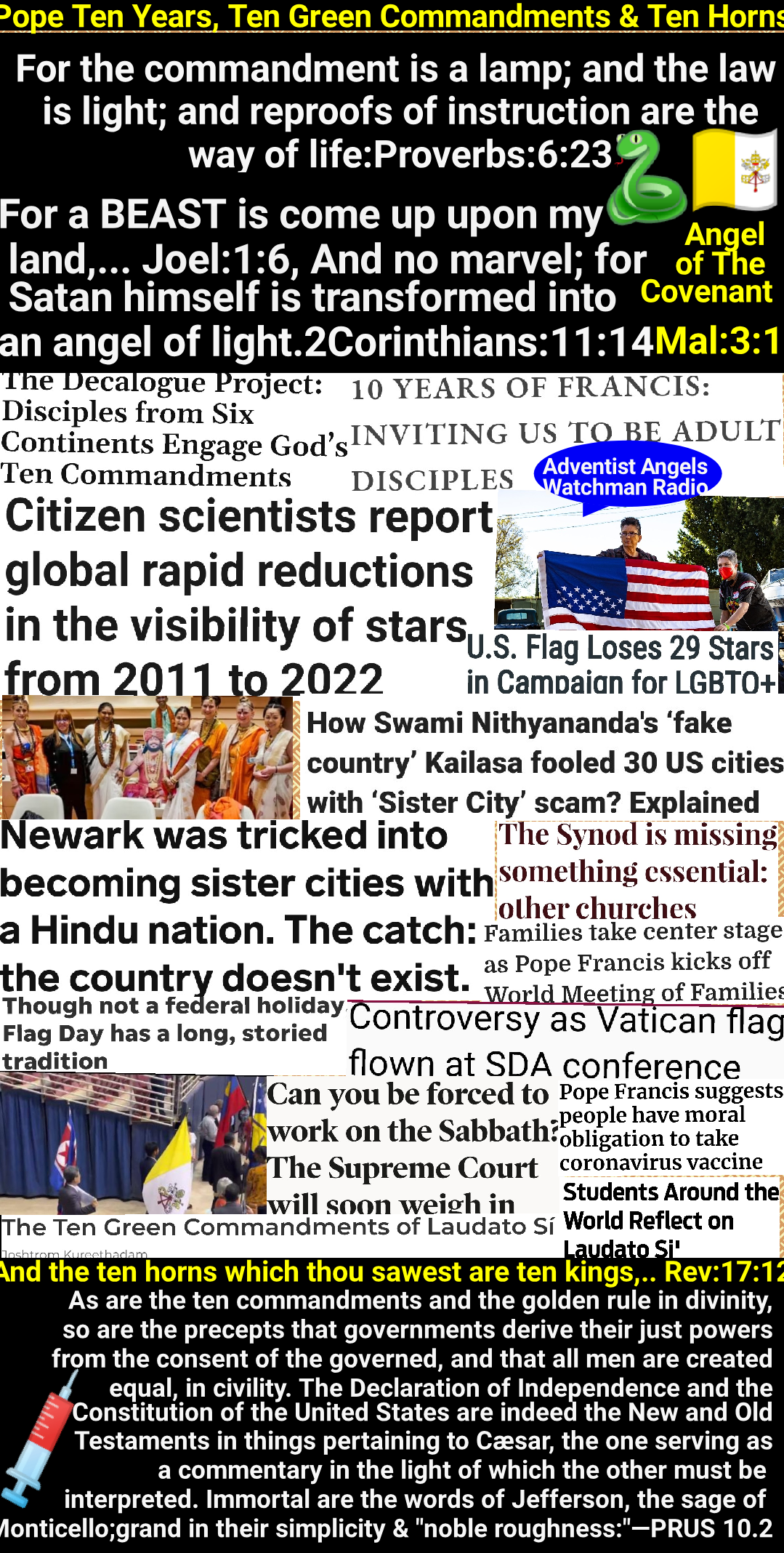
 Adventist Angels Watchman Radio