Welcome to Adventist Angels Watchman Radio official website, preparing the earth for Jesus Christ return Shortly, find us on Facebook, Twitter and You-tube. +254734228119 With Ev. King Osiemo
A courageous team rescues a leopard infested with millions of parasites. Watch their heroic efforts to save this magnificent predator and give it a second chance at life.
Magnificent Gaza Rebuild Second Chance Lie
My son, fear thou the LORD and the king: and meddle not with them that are given to change: Proverbs 24 : 21
P.S. Don’t repeat such actions. All stories are made up and created by AI.
#LeopardRescue #AnimalHeroes #SaveWildlife
Can the Ethiopian change his skin, or the leopard his spots? then may ye also do good, that are accustomed to do evil. Jeremiah 13 : 23
Upon obtaining supreme power, Rome had trampled upon the Sabbath of God to exalt her own; but the churches of Africa, hidden for nearly a thousand years, did not share in this apostasy. GC 578.1
The Great Controversy Between Christ and Satan by Ellen G White
Netanyahu, West or Pope Theological Drift? Modi ‘New Era’ _Why conservative American evangelicals are among Israel’s strongest supporters
Watch as they carefully treat the leopard, remove the parasites, and help it recover!”
In a shocking wildlife rescue, a leopard was found completely infested with millions of parasites, struggling to survive! 🦠😨 The brave rescue team rushed to the scene, fighting against time to save this majestic predator. Watch as they carefully treat the leopard, remove the parasites, and help it recover!”
[2] And the beast which I saw was like unto a leopard, and his feet were as the feet of a bear, and his mouth as the mouth of a lion: and the dragon gave him his power, and his seat, and great authority. [3] And I saw one of his heads as it were wounded to death; and his deadly wound was healed: and all the world wondered after the beast.
Revelation 13 : 2-3
Marvelous in her shrewdness and cunning is the Roman Church. She can read what is to be. She bides her time, seeing that the Protestant churches are paying her homage in their acceptance of the false sabbath and that they are preparing to enforce it by the very means which she herself employed in bygone days. Those who reject the light of truth will yet seek the aid of this self-styled infallible power to exalt an institution that originated with her. How readily she will come to the help of Protestants in this work it is not difficult to conjecture. Who understands better than the papal leaders how to deal with those who are disobedient to the church? The Roman Catholic Church, with all its ramifications throughout the world, forms one vast organization under the control, and designed to serve the interests, of the papal see. Its millions of communicants, in every country on the globe, are instructed to hold themselves as bound in allegiance to the pope. Whatever their nationality or their government, they are to regard the authority of the church as above all other. Though they may take the oath pledging their loyalty to the state, yet back of this lies the vow of obedience to Rome, absolving them from every pledge inimical to her interests. GC 580.1 – GC 580.2
🔥 What happened to the leopard? ⚠️ How did it get covered in so many parasites? 💪 Will the rescue mission be successful?
Watch till the end to witness this incredible battle for survival! 🎥🐆
And this gospel of the kingdom shall be preached in all the world for a witness unto all nations; and then shall the end come.
Matthew 24 : 14
The line of prophecy in which these symbols are found begins with Revelation 12, with the dragon that sought to destroy Christ at His birth. The dragon is said to be Satan (Revelation 12:9); he it was that moved upon Herod to put the Saviour to death. But the chief agent of Satan in making war upon Christ and His people during the first centuries of the Christian Era was the Roman Empire, in which paganism was the prevailing religion. Thus while the dragon, primarily, represents Satan, it is, in a secondary sense, a symbol of pagan Rome. In chapter 13 (verses 1-10) is described another beast, “like unto a leopard,” to which the dragon gave “his power, and his seat, and great authority.” This symbol, as most Protestants have believed, represents the papacy, which succeeded to the power and seat and authority once held by the ancient Roman empire. Of the leopardlike beast it is declared: “There was given unto him a mouth speaking great things and blasphemies…. And he opened his mouth in blasphemy against God, to blaspheme His name, and His tabernacle, and them that dwell in heaven. And it was given unto him to make war with the saints, and to overcome them: and power was given him over all kindreds, and tongues, and nations.” This prophecy, which is nearly identical with the description of the little horn of Daniel 7, unquestionably points to the papacy. “Power was given unto him to continue forty and two months.” And, says the prophet, “I saw one of his heads as it were wounded to death.” And again: “He that leadeth into captivity shall go into captivity: he that killeth with the sword must be killed with the sword.” The forty and two months are the same as the “time and times and the dividing of time,” three years and a half, or 1260 days, of Daniel 7—the time during which the papal power was to oppress God’s people. This period, as stated in preceding chapters, began with the supremacy of the papacy, A.D. 538, and terminated in 1798. At that time the pope was made captive by the French army, the papal power received its deadly wound, and the prediction was fulfilled, “He that leadeth into captivity shall go into captivity.” GC 438.2 – GC 439.2
👉 Don’t forget to LIKE, COMMENT, and SUBSCRIBE for more amazing wildlife rescues! Hit the bell icon 🔔 so you never miss an update!
The churches of Africa held the Sabbath as it was held by the papal church before her complete apostasy. While they kept the seventh day in obedience to the commandment of God, they abstained from labor on the Sunday in conformity to the custom of the church. Upon obtaining supreme power, Rome had trampled upon the Sabbath of God to exalt her own; but the churches of Africa, hidden for nearly a thousand years, did not share in this apostasy. When brought under the sway of Rome, they were forced to set aside the true and exalt the false sabbath; but no sooner had they regained their independence than they returned to obedience to the fourth commandment. (See Appendix.) These records of the past clearly reveal the enmity of Rome toward the true Sabbath and its defenders, and the means which she employs to honor the institution of her creating. The word of God teaches that these scenes are to be repeated as Roman Catholics and Protestants shall unite for the exaltation of the Sunday. GC 578.1 – GC 578.2
Can the Ethiopian change his skin, or the leopard his spots? then may ye also do good, that are accustomed to do evil.
Righteous art thou, O LORD, when I plead with thee: yet let me talk with thee of thy judgments: Wherefore doth the way of the wicked prosper? wherefore are all they happy that deal very treacherously? If thou hast run with the footmen, and they have wearied thee, then how canst thou contend with horses? and if in the land of peace, wherein thou trustedst, they wearied thee, then how wilt thou do in the swelling of Jordan? Jeremiah:12:1,5
The promised sign had been given to the waiting Christians, and now an opportunity was offered for all who would, to obey the Saviour’s warning. Events were so overruled that neither Jews nor Romans should hinder the flight of the Christians. Upon the retreat of Cestius, the Jews, sallying from Jerusalem, pursued after his retiring army; and while both forces were thus fully engaged, the Christians had an opportunity to leave the city. GC 30.2
The world, full of rioting, full of godless pleasure, is asleep, asleep in carnal security. Men are putting afar off the coming of the Lord. They laugh at warnings. The proud boast is made, “All things continue as they were from the beginning.” “Tomorrow shall be as this day, and much more abundant.” 2 Peter 3:4; Isaiah 56:12. We will go deeper into pleasure loving. But Christ says, “Behold, I come as a thief.” Revelation 16:15. At the very time when the world is asking in scorn, “Where is the promise of His coming?” the signs are fulfilling. While they cry, “Peace and safety,” sudden destruction is coming. When the scorner, the rejecter of truth, has become presumptuous; when the routine of work in the various money-making lines is carried on without regard to principle; when the student is eagerly seeking knowledge of everything but his Bible, Christ comes as a thief.
Everything in the world is in agitation. The signs of the times are ominous. Coming events cast their shadows before. The Spirit of God is withdrawing from the earth, and calamity follows calamity by sea and by land. There are tempests, earthquakes, fires, floods, murders of every grade. Who can read the future? Where is security? There is assurance in nothing that is human or earthly. Rapidly are men ranging themselves under the banner they have chosen. Restlessly are they waiting and watching the movements of their leaders. There are those who are waiting and watching and working for our Lord’s appearing. Another class are falling into line under the generalship of the first great apostate. Few believe with heart and soul that we have a hell to shun and a heaven to win.
The crisis is stealing gradually upon us. The sun shines in the heavens, passing over its usual round, and the heavens still declare the glory of God. Men are still eating and drinking, planting and building, marrying, and giving in marriage. Merchants are still buying and selling. Men are jostling one against another, contending for the highest place. Pleasure lovers are still crowding to theaters, horse races, gambling hells. The highest excitement prevails, yet probation’s hour is fast closing, and every case is about to be eternally decided. Satan sees that his time is short. He has set all his agencies at work that men may be deceived, deluded, occupied and entranced, until the day of probation shall be ended, and the door of mercy be forever shut.
Solemnly there come to us down through the centuries the warning words of our Lord from the Mount of Olives: “Take heed to yourselves, lest at any time your hearts be overcharged with surfeiting, and drunkenness, and cares of this life, and so that day come upon you unawares.” “Watch ye therefore, and pray always, that ye may be accounted worthy to escape all these things that shall come to pass, and to stand before the Son of man.” DA 635.3 – DA 636.3
Death In The Pot,Jezebel Philosophy- A Wild Vine Back to Caves—Ev. King Osiemo
And, behold, there came a man of God out of Judah by the word of the LORD unto Bethel: and Jeroboam stood by the altar to burn incense. Now there dwelt an old prophet in Bethel; and his sons came and told him all the works that the man of God had done that day in Bethel: the words which he had spoken unto the king, them they told also to their father. 1 Kings:13:1,11
Ye are of your father the devil, and the lusts of your father ye will do. He was a murderer from the beginning, and abode not in the truth, because there is no truth in him. When he speaketh a lie, he speaketh of his own: for he is a liar, and the father of it. John:8:44
And the great dragon was cast out, that old serpent, called the Devil, and Satan, which deceiveth the whole world: he was cast out into the earth, and his angels were cast out with him. Revelation:12:9
The Special Point of Controversy
ST February 22, 1910
When the Sabbath shall become the special point of controversy throughout Christendom, the persistent refusal of a small minority to yield to the popular demand will make them objects of universal execration. Satan will excite indignation against the humble remnant who conscientiously refuse to accept the customs and traditions of error. Blinded by the prince of darkness, popular religionists will see only as he sees, and feel as he feels. They will determine as he determines, and oppress as he has oppressed. Liberty of conscience, which has cost this nation so great a sacrifice, will no longer be respected. The church and the world will unite, and the world will lend to the church her power to crush out the right of the people to worship God according to His Word.
It will be urged that the few who stand in opposition to an institution of the church and a law of the state, ought not to be tolerated; that it is better for them to suffer than for whole nations to be thrown into confusion and lawlessness. This argument will appear conclusive; and against those who hallow the Sabbath of the fourth commandment will finally be issued a decree denouncing them as deserving of the severest punishment, and giving the people liberty, after a certain time, to put them to death.
Romanism in the Old World, and apostate Protestantism in the New, will pursue a similar course toward those who honor all the divine precepts. This is the mystery of iniquity, the devising of satanic agencies, carried into effect by the man of sin.
Death In The Pot,Jezebel Philosophy- A Wild Vine Back to Caves—Ev. King Osiemo
An Ancient Example
ST February 22, 1910
The decree which is to go forth against the people of God in the near future, will be in some respects similar to that issued by Ahasuerus against the Jews in the time of Esther. The Persian edict sprang from the malice of Haman toward Mordecai. Not that Mordecai had done Haman harm, but he had refused to flatter his vanity by showing him the reverence which belongs only to God.
The king’s decision against the Jews was secured under false pretenses,—a misrepresentation of that peculiar people. Satan instigated the scheme in order to rid the earth of those who preserved the knowledge of the true God. But his plots were defeated by a counter-power that reigns among the children of men. Angels that excel in strength were commissioned to protect the people of God, and the plots of their adversaries returned upon their own heads.
History will repeat itself. In this age the test will be on the point of Sabbath observance. The same masterful mind that plotted against the faithful in ages past, is now at work to gain control of the falling churches, that through them he may condemn and put to death all who will not worship the idol sabbath. Our battle will not be with men, altho it may appear so; we war “not against flesh and blood, but against principalities, against powers, against the rulers of the darkness of this world, against wicked spirits in high places.” But if the people of God will put their trust in Him, and by faith rely upon His power, the devices of Satan will be defeated in our time, as signally as in the days of Mordecai.
The people of God will enter into no controversy with the world over this matter. They will simply take God’s Word for their guide, and maintain their allegiance to Him whose commandments they keep. They will obey the words of Jehovah, “Verily My Sabbaths ye shall keep: for it is a sign between Me and you throughout your generations; that ye may know that I am the Lord that doth sanctify you. Ye shall keep the Sabbath therefore … for a perpetual covenant.” ST February 22, 1910 – ST February 22, 1910, par. 11
It’s not in the interests of the ordinary person but it’s not a conspiracy either. A cashless society is a system run amok
by Brett Scott + BIO
4,500 wordsSave
Four centuries ago, a woman named Else Knutsdatter was executed in Vardø, a small coastal town in Norway. She was accused of having used witchcraft to raise an ocean storm that claimed the lives of 40 men. She wasn’t the only one to fall victim to 17th-century folk who – in the absence of other explanations – could be convinced that disasters were conjured by malevolent sorcerers. Ninety others were executed for conspiring to produce the same storm.
Today, we know that physics and atmospheric pressures produced those storms. So, in the realm of weather, we’ve moved to systemic thinking, where bad things don’t need to be explained with reference to bad actors. When it comes to descriptions of politics and economics, the progress is not so unequivocal. Do bad things like climate change, conflict and corporate greed happen because powerful politicians and CEOs construct it like that, or do they emerge in the vacuum of human agency, in the fact that nobody’s actually in control? This is a question that confronts me in the campaign to protect the physical cash system against the digital takeover by Big Finance and Big Tech.
Photo supplied by the author
For more than eight years, I’ve advocated for the protection and promotion of physical notes and coins. I wrote a book called Cloudmoney: Why the War on Cash Endangers Our Freedom (2023). In that book, I point out that the public has swallowed a false just-so story that says we are pining for a cashless society. All over the world, public and private sector leaders claim that ‘our’ desire for speed, convenience, scale and interconnection drives an inevitable digital transition. This is supposed to bring a ‘frictionless’ world of digital payment-fuelled commerce, done at the click of a button or scan of the iris. The message is: keep up or else face being left behind.
The fact that so many leaders recite this script triggers some folks into thinking ulterior motives are guiding them, and it is true that the finance and tech sectors, for example, gain massively from the digitisation hype. Over the past few decades, they’ve launched various top-down attacks against the cash system, something I chronicle in my book. Physical cash is issued by governments (via central banks), whereas the units in your bank account are basically ‘digital casino chips’ issued by the likes of Barclays, HSBC and Santander. ‘Cashless society’ is a privatisation, in which power over payments is transferred to the banking sector. Every tap of a contactless card or Apple Pay triggers banks into moving these digital casino chips around for you. It gives them enormous power, revenue and data. They can share that data with governments but, more often than not, they’re using it for their own purposes (such as passing it through AI models to decide whether you get access to things or not).
By rejecting the story that cashless society is driven primarily from the bottom up, I sometimes get accused of being a conspiracy theorist. It’s not hard to imagine the outlines of a ‘conspiracy’ when you look at who benefits most from payments privatisation. Not only are Visa, Mastercard and the banking sector big beneficiaries, the fixation on digitisation also extends the power of Amazon and other corporate behemoths that are moving beyond the internet into the physical world via smart devices and automated stores that plug into digital finance systems. It’s a small jump to imagine how governments can piggyback on this digital enclosure to spy on us, or manipulate us.
Thank you to the small group of readers who donate to Aeon. You help to keep the magazine free for millions more.
We are a charity dedicated to sharing knowledge with the world and we rely on reader support to keep going. If you love what we do, will you support us?
Angst about this creeping enclosure finds widespread expression on social media. In London, and other places where the use of cash has plummeted, it’s turning up in the form of warning posters and pamphlets handed out by conscientious objectors against ‘cashless’ establishments. They warn against a looming digital takeover, but what they don’t realise is that the powerful corporations leading this takeover are themselves led by a larger puppetmaster, and this ‘puppetmaster of puppetmasters’ is no conspiring group of elites. It’s a system, and the dominant stories about digital progress are its ideology.
Systemic thinking requires stretching out the mind to picture powerful but invisible forces. So, let’s ease in through a simple thought experiment: imagine a million blindfolded people tied together, trying to find a direction to walk. They collectively form a system, but its interdependence is so complex that it’s almost impossible for people to coordinate. This means they default to some lowest common denominator, vaguely stumbling in a direction without knowing why. This resembles how our global economic system works. We’re all tied into complex webs of interdependency, and the system generates pressures that require it to expand and accelerate. Its logic demonstrates almost evolutionary properties, such that anyone who goes against its default tendencies hits a wall, while anyone who stumbles in the direction of its prevailing current doesn’t. This may sound abstract, but we can see it clearly at work in the world with physical cash.
For centuries, the capitalist system has been underpinned by nation-states that have fostered the growth of large firms. For a long time, cash helped that system to expand and accelerate. In the 1950s, corporates were more than happy to have adverts featuring people using cash to buy their products, but in the contemporary moment firms are turning against it. Cash is hard to automate. It cannot be plugged into globe-spanning digital infrastructures. It operates at human scale and speed within a system that increasingly demands inhuman scale and speed. It’s creating ‘friction’ at a systemic level, so even if you like cash at a local level, you’ll gradually find yourself coerced away from it.
Amazon lacks infrastructure to process cash, and street-level shops are drawn into this systemic recalibration
‘Coercion’ in this situation doesn’t mean a consortium of CEOs or politicians will force you to stop using cash. If you are tied into a system that contains processes beyond your control, then the system itself can just pull you along. Capitalism often operates on autopilot, with the players following a set formula to boost profits, and one part of that formula is to automate stuff. In 1759, Adam Smith introduced the metaphor of the ‘invisible hand’ to illustrate how all these movements, and these chains of interdependency, can be mapped. For example, Lloyds Bank, guided by shareholder demands for profits, shuts down physical branches to cut costs by pushing you on to automated apps. Having no branches makes it harder for small businesses to deposit cash, so they are nudged toward putting up signs saying ‘We’re cashless.’ That then sends a message to customers that there’s something newly unacceptable about cash. At the same time, people will notice that banks have shut down many ATMs, with the banks justifying this by saying their customers are ‘going digital’, but this creates a self-fulfilling prophesy because removing ATMs lowers public access to cash, making it harder to use. Lloyds and other banks then see the resulting up-tick in digital finance as implicit permission to close down further branches.
What we have here are a series of feedback loops, all serving the prevailing systemic logic of expansion and acceleration. Cashless society, then, is not just a privatisation process, but also an automation process. Automated giants like Amazon in fact lack any infrastructure to process physical cash, and street-level shops are being drawn into this systemic recalibration. Hipster cafés in London have signs saying ‘We’ve gone cashless’; what they are actually saying is ‘We’ve joined an automation alliance with Big Finance, Big Tech, Visa and Mastercard. To interact with us you must interact with them.’
The politics of the ‘invisible hand’ can be visualised with a pyramid:
Where does power lie in this pyramid? Anyone who wishes to divert attention away from the top will likely claim that it resides in numbers, at the bottom. Appealing to legitimacy-from-below is a major tactic used by politicians, who present their governments as reflecting the will of the people, with industry following suit. Rather than admitting to their own interests, banks and fintech companies present the decline of cash as a bottom-up phenomenon driven by popular support. In this view, HSBC’s decision to close ATMs must simply reflect the fact that ordinary people no longer care for cash. In this view, industry simply responds to our demands.
Big firms turn to freemarket doctrine in these situations, which maintains that businesses survive only if they mould themselves to our needs. So the presence of thriving corporations can indicate only that they’re serving us well. Left-wing thinkers reject this freemarket dogma, pointing out that some industries are powerful enough to effectively legislate the conditions of our lives. We all know that firms invest heavily in warping our perceptions via marketing, and often secure our consent only through tricks and misrepresentation. Left-wing calls for government regulation in turn compel freemarketeers to accuse them of stifling both popular will and business. Market conservatives paint a picture of consumers, workers and small entrepreneurs battling the clumsy state, while Lefties present workers, citizens and mom-and-pop shops fighting the corporate behemoths. Economic politics is all about painting these contrasting David-and-Goliath options.
When it comes to money, though, the battle lines get more confusing, because the monetary system is a public-private hybrid. Physical cash is government money, but it has properties – like anonymity – that appeal to some anti-government libertarians. Privacy-invading card-payment systems, by contrast, have historically been run by the private sector, so those pro-business libertarians who are concerned by surveillance are forced to accuse banks of being phoney ‘crony capitalists’ collaborating with controlling governments.
This collaboration can be seen in the case of the 2022 anti-vax ‘Freedom Convoy’ truckers, whose bank accounts were frozen by a Canadian government order. Libertarians rallied in support of the truckers, but there’s many variations of these alliances between states and payments firms. For example, the US government agency USAID has funded programmes like Catalyst: Inclusive Cashless Payment Partnership, pushing Visa as a tool of empowerment in India. In its 2017 annual report, Visa talks about doubling its market penetration into India after it ‘worked closely’ with Narendra Modi’s government in its ‘demonetisation’ efforts in 2016, during which time certain banknotes were outlawed. The Indian prime minister’s open attacks on the public cash system also drew fawning praise from Indian digital-payments firms.
It’s easy to get stuck in a binary of explaining cashless society as either a bottom-up phenomenon demanded by us, or a top-down enclosure pushed by power players. The reality is a more complex mix. Because at scale it’s cheaper to push billions of people through a handful of centralised players, almost every industry in the world is dominated by oligopolies of large firms. Those firms will inevitably build political connections, while smaller firms get relegated to the periphery. Oligopolistic firms fluctuate between collaboration and competition, but the evolutionary logic of our economic system is always towards greater automation. Corporate executives benefit if they nudge everyone in this direction, and they have a niggling insecurity that, if they don’t, competitors will leave them behind. The problem is that many people don’t love digital acceleration, and it takes a considerable effort over time to erode their resistance. This is why big retailers like Tesco start by tentatively testing cashless stores in certain locations to set a precedent. It took years for the airline industry to make it feel ‘normal’ to refuse cash, but that norm is still not universal. Even last year, I found myself seated next to a man on a flight who was humiliated and flustered when the attendants refused his banknote.
The man wasn’t a frequent flyer and came from a working-class background, pointing toward an important fact: when a capitalist system is resetting to a state of higher speed and automation, it often does so first through social elites. In London, a hipster barber targeting yuppies may very well refuse cash, but a hair salon targeting working-class immigrants will almost certainly ‘still’ take it. Words like ‘still’ are loaded, because they imply that whoever is still doing the thing has yet to go through some evolutionary upgrade.
Digital payments giants like Visa invest heavily in presenting ‘going cashless’ as a grassroots triumph for the small entrepreneur who wants to cut costs. In reality, this alliance between Big Finance/Big Tech and small and medium-sized enterprises applies only to businesses with middle-class customers. A decade ago, many of those customers didn’t even perceive cash as particularly inconvenient. Even now, they would prefer choice (the fact that I sometimes use my card doesn’t mean I asked a shop to remove its cash till). It’s businesses that remove our payments choice, but they rely on the fact that most middle-class people simply adapt their expectations and edit their memories to forget those old days when cash felt totally normal. Once new cultural norms are established, it compels compliance. Eventually, you get discriminated against if you insist on being that guy who complains that the London bar won’t accept your coins.
The fact that people fall into line and begin displaying a preference for card payments is read by politicians as a signal to support the transition. They too are worried about being ‘left behind’. This pressure to go along with the transnational automation drive means that the average UK Labour Party politician doesn’t challenge cashless society. Rather, they call for a slight slowdown in the imagined ‘race’ towards it, to give cash-dependent communities a chance to ‘catch up’.
Cashless pubs allow hundreds of unmasked people in while refusing cash to protect their employees
So, capitalism has inherent trends, but it also has inherent contradictions. Here’s one of them. Our cashless card payments rely upon ‘digital casino chips’ issued to us by banks, but – as anyone who has been to a casino knows – such chips have power only because you believe they can be redeemed for cash. In the total absence of cash, there could be a collapse in the public’s belief in bank-issued digital money. Banks and corporates make private decisions that erode our cash infrastructure, but in doing so they are undermining the public basis of confidence in their private systems.
This was accelerated by the outbreak of COVID-19, which gave companies a convenient cover to fast-track their automation plans. It’s easier for a retailer to announce they don’t accept cash because of COVID-19 than to admit that they’re trying to shave a percent off their costs. For example, Visa entered a deal with the US National Football League to promote cashless Super Bowls. Signed in 2019 and piloted in 2020, it went public in 2021 during the pandemic, with attendant media coverage presenting it as a measure of public hygiene. Cashless pubs in London allow hundreds of unmasked people in their establishments while claiming to refuse cash to protect their employees from any coronavirus that may be stuck to the notes (a contention that is scientifically inaccurate).
In 2020, such scaremongering, along with the fact that so many of us were forced into online shopping during the pandemic, caused a precipitous drop in transactional cash use. This raised the possibility of a financial stability problem, because cash psychologically (and legally) backs our cashless digital casino chips. This puts central banks in a bind. They know that the trajectory leads to a crisis-prone bank-dominated version of cashless society. So they think about how to maintain public access to government money without upsetting the transnational automation agenda. One way they are trying to resolve this is with a new form of ‘digital cash’ – central bank digital currency (CBDC).
To understand CBDC, imagine being able to download a payments app on the iPhone App Store from your nation’s central bank (like the US Federal Reserve or the Bank of England). Various countries have appointed teams to experiment with this hypothetical government payment system, but it creates a new problem. In a country like the UK, a state-issued digital pound would upset banking giants like Barclays, Lloyds and HSBC. They would rightly perceive it as competition to their own digital money empires. Given that central banks are supposed to maintain the stability of private banks, rather than directly compete with them, the Bank of England (and all other central banks) will have to make concessions: any future CBDC will be watered down to prevent disruption to the banking sector, and its operation will be outsourced to private partners… like the banks themselves.
In 2015, I was one of the few people raising awareness of the dangers of cashless society from a Left-wing perspective. Then the pandemic hit, and a new generation of pro-cash activism emerged in the so-called populist Right. Libertarians seized upon early COVID-19 controls as evidence of a new era in totalitarianism. Social conservatives had already cast Big Tech firms as hives of ‘wokeness’. Conservative commentators began to weave these perspectives together. They presented themselves as rebellious champions protecting the everyman from an alliance of liberal corporate elites and authoritarian socialist governments.
In May 2020, my mother was sent a video by her friend on Facebook. It claimed that Bill Gates had orchestrated COVID-19 to microchip us via vaccines and to usher in a cashless society where our every economic move could be monitored. Her friend was very excited to announce that ‘Your son is in this! You must be so proud.’ Sure enough, there was a clip of me (used without my permission), in which I was describing how financial institutions engage in a war on cash. It was followed by a clip of an evangelical pastor warning that ‘the Bible clearly links the mark of the beast with the emergence of a cashless society’.
How is it that I end up in a video like this? Conspiracy theorists happily take my work out of context in order to push their version of events. Rather than analysing the logic of capitalism, many of them have decided that behind digital innovation-speak lie satanic overlords, paedophiles, Marxists, Jews or caricatured banksters smoking cigars.
Ironically, it’s central banks’ response to the corporate attack on cash that has really spurred the new wave of pro-cash activism. The possibility of a state-controlled digital pound or digital euro replacing the battered cash system has galvanised the imagination of libertarian activists. Libertarians have always faced a tension when complaining about the surveillance that accompanies cashless society. This is because digital payment systems are pushed by private sector fintech entrepreneurs, and libertarians are supposed to be pro-entrepreneurialism. CBDC has enabled them to escape this bind. It allows them to rework the story of cashless society as being driven by an oppressive digital state.
These systems limit choice, and can be used to push people’s business to big retailers, rather than small ones
This mutated version of the cashless society story is now spreading virally. My dad recently forwarded me a video, which he received on WhatsApp, about the looming spectre of CBDC. The anonymous producers stitched together clips from libertarian activists, self-help gurus and even the populist UK politician Nigel Farage, all of whom cast CBDC as a new form of digital totalitarianism. They argued that this centralised digital money will be sold to us under the banner of convenience, but that the true agenda is to enable governments to micromanage us by controlling our payments. The conclusion? Say no to CBDC. Say yes to physical cash.
They’re not wrong to point out the dangers of digital control, but their selective curation of the form and examples misrepresents why it is happening and how to oppose it. The cashless system is run by transnational corporations, and the actually existing examples of payments control often concern welfare recipients: for instance, the Australian ‘cashless welfare card’ was a Visa card system that blocked Indigenous Australians on benefits from buying non-approved goods in non-approved stores. These systems not only limit choice, but can be used to push people’s business to big retailers, rather than small ones.
Farage and his contemporaries don’t focus on the payments censorship of Indigenous welfare recipients. They fixate on conservative fears, like the hypothetical blocking of transactions for guns and meat. This is causing me problems, because moderate progressives – who previously would have expressed some concern about corporate power – have started associating a pro-cash stance with reactionaries, and to a broader suite of ideas that they espouse. In Germany, I’ve even been accused of being aligned with the neo-Nazi Reichsbürger movement, purely on the basis that they too are pro-cash. I’ve seen digital payments promoters use this disorientation to their advantage. They can suggest that critiques of their industry are the realm of crackpot antisemites. If conspiracy theorists are the ones leading the charge against digitisation, surely it must show the concern is built from the wild fantasies of paranoid flat-Earthers. Rather than fight cashless society, then, they suggest we should promote corporate financial inclusion: give a helping hand to all those people who have yet to be absorbed into Big Finance. Get them accounts. Help them become corporate consumers.
Moderate progressives are often taken in by this story and in backing away from the cashless society battle they cede territory to the far Right. It’s an example of a trend in our post-pandemic moment, where the meeting of two sides of the political horseshoe has led to the spread of Right-wing ideas among people who previously considered themselves Leftists. The new Right has appropriated the rebellious language of Left-wing hacker culture, which pushed digital privacy for decades (for a pop-culture version of this, watch the TV series Mr. Robot, in which anti-capitalist hackers target the corporate giant ‘Evil Corp’). Top-down power has been re-ascribed to a generic blob of ‘globalists’, acting via institutions like the World Economic Forum (WEF), but anti-WEF campaigning was a standard part of Left-wing culture in the 1990s and ’00s. To Left-wingers, the WEF represented venal corporate capitalists, which is why the ‘alter-globalisation’ movement championed the World Social Forum as an alternative. In the midst of lockdowns, however, it was anti-mask and anti-vax campaigners who took on the aesthetics of Occupy Wall Street, holding street protests with placards warning about cashless society and digital ID.
A surreal twilight zone has formed between the language of the old Left and that of the populist Right, and into it has stepped a character like Russell Brand. In 2013, he came out as an anti-corporate socialist and, back then, every Lefty activist I knew was clamouring to find his email address in the hope that he’d platform their cause. Fast-forward several years, and he renamed his podcast to Stay Free, peppering it with libertarian language and topics that appeal to the Right. He presents himself as being on an open-minded search for the truth that the mainstream media won’t tell us, and it increasingly involves him having discussions with conservative edge-lords. In November 2022, he released an obligatory video about CBDCs, entitled ‘Oh Sh*t, It’s REALLY Happening’.
Notably, no cashless establishments use CBDC, because it doesn’t exist yet. They all use the private sector digital payments system but, in choosing to focus on the fantasy version of cashless society, rather than the actual one, Brand signals that his allegiance lies with the Right wing.
In the martial arts classic Kill Bill: Vol 2 (2004), the five-point palm exploding-heart technique is a precise sequence of five hits that cause an opponent’s heart to stop. In the conspiracy world, the five-point punch of the globalists involves them hitting us with digital IDs, 5G technology, vaccines, COVID-19 passports and now CBDCs. This is supposed to trigger a global cardiac arrest called the ‘Great Reset’. The Great Reset is actually the name of a real programme convened by the WEF, in which they talk about the need for a post-pandemic digital and green transition. Those goals emerge from different sources because, while capitalism generates a digitisation agenda to speed things up, it doesn’t generate a conservation impulse to slow things down. Green transition rhetoric doesn’t emerge from market processes: it’s the result of decades of relentless campaigning from civil society groups, who pushed past the lobbying of the fossil fuel industry to showcase the economic risks of climate change. Big business and politicians now pay lip service to that.
Nevertheless, they attempt to subordinate it to their automation fixation by proposing digital techno-fixes for climate change. This is a gift to our conspiracy theorists. They can now present CBDCs as being a future tool to force us to buy only low-carbon vegan sausages, under the control of Greta Thunberg and the Bank for International Settlements (a BIS video about CBDC is a favourite among them).
An anti-cashless society propaganda leaflet. Supplied by the author
Cashless society authentically sucks. It’s a world where your kid cannot sell lemonade on the side of the road without paying Mastercard executives in New York. It’s an attack on privacy, autonomy, local independence and casual informal interactions in favour of surveillance, dependence and centralisation of power in large institutions. I frequently interact with people who have very real concerns about it, but who – like our 17th-century folk who lost loved ones to a storm – have been steered into reactionary ideas about it. Our struggle to see large-scale systemic processes gives oxygen to conspiracy theorists. I frequently get asked to go on Right-wing media channels, such as GB News, to be interviewed by anti-woke libertarians or Christian evangelists. Many of them imagine capitalism to be the realm of the small individual, and present elites as being malevolent actors who attack the system from above. It’s an easy story to tell. But the reality is that elites are a by-product of our system. The invisible hand likes tapping the contactless card, regardless of whether you as an individual do, and the role of the elites in the war on cash is to simply unblock resistance to that. More often than not, they’re examples of Hannah Arendt’s banality of evil. They’re just people ‘doing their job’, serving a system that wants to commodify any aspect of our lives that remains un-commodified and un-automated.
The dominant tendencies in capitalism pull upon all of us but it’s possible to demand space for other values. It’s been done before. There was a time when the automobile industry seemed ascendant, and bikes were pushed off the roads, but we built a cultural movement to demand bicycle lanes. That’s why we should see cash as being like the public bicycle of payments, and support efforts across the political spectrum to protect and promote it. Digital bank systems are the private Uber of payments: they may appear convenient, but total Uberisation unleashes demons that cash historically kept in check – surveillance, censorship, digital exclusion, and serious resilience and financial stability problems. The point isn’t to argue that everyone must always use the ‘bicycle’. It’s to ensure that we don’t get totally ‘Uberised’ in private and public life. We need to promote a healthy balance of power between different forms of money in the system, and that’s within our collective political abilities.
It’s not in the interests of the ordinary person but it’s not a conspiracy either. A cashless society is a system run amok
by Brett Scott + BIO
4,500 wordsSave
Four centuries ago, a woman named Else Knutsdatter was executed in Vardø, a small coastal town in Norway. She was accused of having used witchcraft to raise an ocean storm that claimed the lives of 40 men. She wasn’t the only one to fall victim to 17th-century folk who – in the absence of other explanations – could be convinced that disasters were conjured by malevolent sorcerers. Ninety others were executed for conspiring to produce the same storm.
Today, we know that physics and atmospheric pressures produced those storms. So, in the realm of weather, we’ve moved to systemic thinking, where bad things don’t need to be explained with reference to bad actors. When it comes to descriptions of politics and economics, the progress is not so unequivocal. Do bad things like climate change, conflict and corporate greed happen because powerful politicians and CEOs construct it like that, or do they emerge in the vacuum of human agency, in the fact that nobody’s actually in control? This is a question that confronts me in the campaign to protect the physical cash system against the digital takeover by Big Finance and Big Tech.
Photo supplied by the author
For more than eight years, I’ve advocated for the protection and promotion of physical notes and coins. I wrote a book called Cloudmoney: Why the War on Cash Endangers Our Freedom (2023). In that book, I point out that the public has swallowed a false just-so story that says we are pining for a cashless society. All over the world, public and private sector leaders claim that ‘our’ desire for speed, convenience, scale and interconnection drives an inevitable digital transition. This is supposed to bring a ‘frictionless’ world of digital payment-fuelled commerce, done at the click of a button or scan of the iris. The message is: keep up or else face being left behind.
The fact that so many leaders recite this script triggers some folks into thinking ulterior motives are guiding them, and it is true that the finance and tech sectors, for example, gain massively from the digitisation hype. Over the past few decades, they’ve launched various top-down attacks against the cash system, something I chronicle in my book. Physical cash is issued by governments (via central banks), whereas the units in your bank account are basically ‘digital casino chips’ issued by the likes of Barclays, HSBC and Santander. ‘Cashless society’ is a privatisation, in which power over payments is transferred to the banking sector. Every tap of a contactless card or Apple Pay triggers banks into moving these digital casino chips around for you. It gives them enormous power, revenue and data. They can share that data with governments but, more often than not, they’re using it for their own purposes (such as passing it through AI models to decide whether you get access to things or not).
By rejecting the story that cashless society is driven primarily from the bottom up, I sometimes get accused of being a conspiracy theorist. It’s not hard to imagine the outlines of a ‘conspiracy’ when you look at who benefits most from payments privatisation. Not only are Visa, Mastercard and the banking sector big beneficiaries, the fixation on digitisation also extends the power of Amazon and other corporate behemoths that are moving beyond the internet into the physical world via smart devices and automated stores that plug into digital finance systems. It’s a small jump to imagine how governments can piggyback on this digital enclosure to spy on us, or manipulate us.
Thank you to the small group of readers who donate to Aeon. You help to keep the magazine free for millions more.
We are a charity dedicated to sharing knowledge with the world and we rely on reader support to keep going. If you love what we do, will you support us?
Angst about this creeping enclosure finds widespread expression on social media. In London, and other places where the use of cash has plummeted, it’s turning up in the form of warning posters and pamphlets handed out by conscientious objectors against ‘cashless’ establishments. They warn against a looming digital takeover, but what they don’t realise is that the powerful corporations leading this takeover are themselves led by a larger puppetmaster, and this ‘puppetmaster of puppetmasters’ is no conspiring group of elites. It’s a system, and the dominant stories about digital progress are its ideology.
Systemic thinking requires stretching out the mind to picture powerful but invisible forces. So, let’s ease in through a simple thought experiment: imagine a million blindfolded people tied together, trying to find a direction to walk. They collectively form a system, but its interdependence is so complex that it’s almost impossible for people to coordinate. This means they default to some lowest common denominator, vaguely stumbling in a direction without knowing why. This resembles how our global economic system works. We’re all tied into complex webs of interdependency, and the system generates pressures that require it to expand and accelerate. Its logic demonstrates almost evolutionary properties, such that anyone who goes against its default tendencies hits a wall, while anyone who stumbles in the direction of its prevailing current doesn’t. This may sound abstract, but we can see it clearly at work in the world with physical cash.
For centuries, the capitalist system has been underpinned by nation-states that have fostered the growth of large firms. For a long time, cash helped that system to expand and accelerate. In the 1950s, corporates were more than happy to have adverts featuring people using cash to buy their products, but in the contemporary moment firms are turning against it. Cash is hard to automate. It cannot be plugged into globe-spanning digital infrastructures. It operates at human scale and speed within a system that increasingly demands inhuman scale and speed. It’s creating ‘friction’ at a systemic level, so even if you like cash at a local level, you’ll gradually find yourself coerced away from it.
Amazon lacks infrastructure to process cash, and street-level shops are drawn into this systemic recalibration
‘Coercion’ in this situation doesn’t mean a consortium of CEOs or politicians will force you to stop using cash. If you are tied into a system that contains processes beyond your control, then the system itself can just pull you along. Capitalism often operates on autopilot, with the players following a set formula to boost profits, and one part of that formula is to automate stuff. In 1759, Adam Smith introduced the metaphor of the ‘invisible hand’ to illustrate how all these movements, and these chains of interdependency, can be mapped. For example, Lloyds Bank, guided by shareholder demands for profits, shuts down physical branches to cut costs by pushing you on to automated apps. Having no branches makes it harder for small businesses to deposit cash, so they are nudged toward putting up signs saying ‘We’re cashless.’ That then sends a message to customers that there’s something newly unacceptable about cash. At the same time, people will notice that banks have shut down many ATMs, with the banks justifying this by saying their customers are ‘going digital’, but this creates a self-fulfilling prophesy because removing ATMs lowers public access to cash, making it harder to use. Lloyds and other banks then see the resulting up-tick in digital finance as implicit permission to close down further branches.
What we have here are a series of feedback loops, all serving the prevailing systemic logic of expansion and acceleration. Cashless society, then, is not just a privatisation process, but also an automation process. Automated giants like Amazon in fact lack any infrastructure to process physical cash, and street-level shops are being drawn into this systemic recalibration. Hipster cafés in London have signs saying ‘We’ve gone cashless’; what they are actually saying is ‘We’ve joined an automation alliance with Big Finance, Big Tech, Visa and Mastercard. To interact with us you must interact with them.’
The politics of the ‘invisible hand’ can be visualised with a pyramid:
Where does power lie in this pyramid? Anyone who wishes to divert attention away from the top will likely claim that it resides in numbers, at the bottom. Appealing to legitimacy-from-below is a major tactic used by politicians, who present their governments as reflecting the will of the people, with industry following suit. Rather than admitting to their own interests, banks and fintech companies present the decline of cash as a bottom-up phenomenon driven by popular support. In this view, HSBC’s decision to close ATMs must simply reflect the fact that ordinary people no longer care for cash. In this view, industry simply responds to our demands.
Big firms turn to freemarket doctrine in these situations, which maintains that businesses survive only if they mould themselves to our needs. So the presence of thriving corporations can indicate only that they’re serving us well. Left-wing thinkers reject this freemarket dogma, pointing out that some industries are powerful enough to effectively legislate the conditions of our lives. We all know that firms invest heavily in warping our perceptions via marketing, and often secure our consent only through tricks and misrepresentation. Left-wing calls for government regulation in turn compel freemarketeers to accuse them of stifling both popular will and business. Market conservatives paint a picture of consumers, workers and small entrepreneurs battling the clumsy state, while Lefties present workers, citizens and mom-and-pop shops fighting the corporate behemoths. Economic politics is all about painting these contrasting David-and-Goliath options.
When it comes to money, though, the battle lines get more confusing, because the monetary system is a public-private hybrid. Physical cash is government money, but it has properties – like anonymity – that appeal to some anti-government libertarians. Privacy-invading card-payment systems, by contrast, have historically been run by the private sector, so those pro-business libertarians who are concerned by surveillance are forced to accuse banks of being phoney ‘crony capitalists’ collaborating with controlling governments.
This collaboration can be seen in the case of the 2022 anti-vax ‘Freedom Convoy’ truckers, whose bank accounts were frozen by a Canadian government order. Libertarians rallied in support of the truckers, but there’s many variations of these alliances between states and payments firms. For example, the US government agency USAID has funded programmes like Catalyst: Inclusive Cashless Payment Partnership, pushing Visa as a tool of empowerment in India. In its 2017 annual report, Visa talks about doubling its market penetration into India after it ‘worked closely’ with Narendra Modi’s government in its ‘demonetisation’ efforts in 2016, during which time certain banknotes were outlawed. The Indian prime minister’s open attacks on the public cash system also drew fawning praise from Indian digital-payments firms.
It’s easy to get stuck in a binary of explaining cashless society as either a bottom-up phenomenon demanded by us, or a top-down enclosure pushed by power players. The reality is a more complex mix. Because at scale it’s cheaper to push billions of people through a handful of centralised players, almost every industry in the world is dominated by oligopolies of large firms. Those firms will inevitably build political connections, while smaller firms get relegated to the periphery. Oligopolistic firms fluctuate between collaboration and competition, but the evolutionary logic of our economic system is always towards greater automation. Corporate executives benefit if they nudge everyone in this direction, and they have a niggling insecurity that, if they don’t, competitors will leave them behind. The problem is that many people don’t love digital acceleration, and it takes a considerable effort over time to erode their resistance. This is why big retailers like Tesco start by tentatively testing cashless stores in certain locations to set a precedent. It took years for the airline industry to make it feel ‘normal’ to refuse cash, but that norm is still not universal. Even last year, I found myself seated next to a man on a flight who was humiliated and flustered when the attendants refused his banknote.
The man wasn’t a frequent flyer and came from a working-class background, pointing toward an important fact: when a capitalist system is resetting to a state of higher speed and automation, it often does so first through social elites. In London, a hipster barber targeting yuppies may very well refuse cash, but a hair salon targeting working-class immigrants will almost certainly ‘still’ take it. Words like ‘still’ are loaded, because they imply that whoever is still doing the thing has yet to go through some evolutionary upgrade.
Digital payments giants like Visa invest heavily in presenting ‘going cashless’ as a grassroots triumph for the small entrepreneur who wants to cut costs. In reality, this alliance between Big Finance/Big Tech and small and medium-sized enterprises applies only to businesses with middle-class customers. A decade ago, many of those customers didn’t even perceive cash as particularly inconvenient. Even now, they would prefer choice (the fact that I sometimes use my card doesn’t mean I asked a shop to remove its cash till). It’s businesses that remove our payments choice, but they rely on the fact that most middle-class people simply adapt their expectations and edit their memories to forget those old days when cash felt totally normal. Once new cultural norms are established, it compels compliance. Eventually, you get discriminated against if you insist on being that guy who complains that the London bar won’t accept your coins.
The fact that people fall into line and begin displaying a preference for card payments is read by politicians as a signal to support the transition. They too are worried about being ‘left behind’. This pressure to go along with the transnational automation drive means that the average UK Labour Party politician doesn’t challenge cashless society. Rather, they call for a slight slowdown in the imagined ‘race’ towards it, to give cash-dependent communities a chance to ‘catch up’.
Cashless pubs allow hundreds of unmasked people in while refusing cash to protect their employees
So, capitalism has inherent trends, but it also has inherent contradictions. Here’s one of them. Our cashless card payments rely upon ‘digital casino chips’ issued to us by banks, but – as anyone who has been to a casino knows – such chips have power only because you believe they can be redeemed for cash. In the total absence of cash, there could be a collapse in the public’s belief in bank-issued digital money. Banks and corporates make private decisions that erode our cash infrastructure, but in doing so they are undermining the public basis of confidence in their private systems.
This was accelerated by the outbreak of COVID-19, which gave companies a convenient cover to fast-track their automation plans. It’s easier for a retailer to announce they don’t accept cash because of COVID-19 than to admit that they’re trying to shave a percent off their costs. For example, Visa entered a deal with the US National Football League to promote cashless Super Bowls. Signed in 2019 and piloted in 2020, it went public in 2021 during the pandemic, with attendant media coverage presenting it as a measure of public hygiene. Cashless pubs in London allow hundreds of unmasked people in their establishments while claiming to refuse cash to protect their employees from any coronavirus that may be stuck to the notes (a contention that is scientifically inaccurate).
In 2020, such scaremongering, along with the fact that so many of us were forced into online shopping during the pandemic, caused a precipitous drop in transactional cash use. This raised the possibility of a financial stability problem, because cash psychologically (and legally) backs our cashless digital casino chips. This puts central banks in a bind. They know that the trajectory leads to a crisis-prone bank-dominated version of cashless society. So they think about how to maintain public access to government money without upsetting the transnational automation agenda. One way they are trying to resolve this is with a new form of ‘digital cash’ – central bank digital currency (CBDC).
To understand CBDC, imagine being able to download a payments app on the iPhone App Store from your nation’s central bank (like the US Federal Reserve or the Bank of England). Various countries have appointed teams to experiment with this hypothetical government payment system, but it creates a new problem. In a country like the UK, a state-issued digital pound would upset banking giants like Barclays, Lloyds and HSBC. They would rightly perceive it as competition to their own digital money empires. Given that central banks are supposed to maintain the stability of private banks, rather than directly compete with them, the Bank of England (and all other central banks) will have to make concessions: any future CBDC will be watered down to prevent disruption to the banking sector, and its operation will be outsourced to private partners… like the banks themselves.
In 2015, I was one of the few people raising awareness of the dangers of cashless society from a Left-wing perspective. Then the pandemic hit, and a new generation of pro-cash activism emerged in the so-called populist Right. Libertarians seized upon early COVID-19 controls as evidence of a new era in totalitarianism. Social conservatives had already cast Big Tech firms as hives of ‘wokeness’. Conservative commentators began to weave these perspectives together. They presented themselves as rebellious champions protecting the everyman from an alliance of liberal corporate elites and authoritarian socialist governments.
In May 2020, my mother was sent a video by her friend on Facebook. It claimed that Bill Gates had orchestrated COVID-19 to microchip us via vaccines and to usher in a cashless society where our every economic move could be monitored. Her friend was very excited to announce that ‘Your son is in this! You must be so proud.’ Sure enough, there was a clip of me (used without my permission), in which I was describing how financial institutions engage in a war on cash. It was followed by a clip of an evangelical pastor warning that ‘the Bible clearly links the mark of the beast with the emergence of a cashless society’.
How is it that I end up in a video like this? Conspiracy theorists happily take my work out of context in order to push their version of events. Rather than analysing the logic of capitalism, many of them have decided that behind digital innovation-speak lie satanic overlords, paedophiles, Marxists, Jews or caricatured banksters smoking cigars.
Ironically, it’s central banks’ response to the corporate attack on cash that has really spurred the new wave of pro-cash activism. The possibility of a state-controlled digital pound or digital euro replacing the battered cash system has galvanised the imagination of libertarian activists. Libertarians have always faced a tension when complaining about the surveillance that accompanies cashless society. This is because digital payment systems are pushed by private sector fintech entrepreneurs, and libertarians are supposed to be pro-entrepreneurialism. CBDC has enabled them to escape this bind. It allows them to rework the story of cashless society as being driven by an oppressive digital state.
These systems limit choice, and can be used to push people’s business to big retailers, rather than small ones
This mutated version of the cashless society story is now spreading virally. My dad recently forwarded me a video, which he received on WhatsApp, about the looming spectre of CBDC. The anonymous producers stitched together clips from libertarian activists, self-help gurus and even the populist UK politician Nigel Farage, all of whom cast CBDC as a new form of digital totalitarianism. They argued that this centralised digital money will be sold to us under the banner of convenience, but that the true agenda is to enable governments to micromanage us by controlling our payments. The conclusion? Say no to CBDC. Say yes to physical cash.
They’re not wrong to point out the dangers of digital control, but their selective curation of the form and examples misrepresents why it is happening and how to oppose it. The cashless system is run by transnational corporations, and the actually existing examples of payments control often concern welfare recipients: for instance, the Australian ‘cashless welfare card’ was a Visa card system that blocked Indigenous Australians on benefits from buying non-approved goods in non-approved stores. These systems not only limit choice, but can be used to push people’s business to big retailers, rather than small ones.
Farage and his contemporaries don’t focus on the payments censorship of Indigenous welfare recipients. They fixate on conservative fears, like the hypothetical blocking of transactions for guns and meat. This is causing me problems, because moderate progressives – who previously would have expressed some concern about corporate power – have started associating a pro-cash stance with reactionaries, and to a broader suite of ideas that they espouse. In Germany, I’ve even been accused of being aligned with the neo-Nazi Reichsbürger movement, purely on the basis that they too are pro-cash. I’ve seen digital payments promoters use this disorientation to their advantage. They can suggest that critiques of their industry are the realm of crackpot antisemites. If conspiracy theorists are the ones leading the charge against digitisation, surely it must show the concern is built from the wild fantasies of paranoid flat-Earthers. Rather than fight cashless society, then, they suggest we should promote corporate financial inclusion: give a helping hand to all those people who have yet to be absorbed into Big Finance. Get them accounts. Help them become corporate consumers.
Moderate progressives are often taken in by this story and in backing away from the cashless society battle they cede territory to the far Right. It’s an example of a trend in our post-pandemic moment, where the meeting of two sides of the political horseshoe has led to the spread of Right-wing ideas among people who previously considered themselves Leftists. The new Right has appropriated the rebellious language of Left-wing hacker culture, which pushed digital privacy for decades (for a pop-culture version of this, watch the TV series Mr. Robot, in which anti-capitalist hackers target the corporate giant ‘Evil Corp’). Top-down power has been re-ascribed to a generic blob of ‘globalists’, acting via institutions like the World Economic Forum (WEF), but anti-WEF campaigning was a standard part of Left-wing culture in the 1990s and ’00s. To Left-wingers, the WEF represented venal corporate capitalists, which is why the ‘alter-globalisation’ movement championed the World Social Forum as an alternative. In the midst of lockdowns, however, it was anti-mask and anti-vax campaigners who took on the aesthetics of Occupy Wall Street, holding street protests with placards warning about cashless society and digital ID.
A surreal twilight zone has formed between the language of the old Left and that of the populist Right, and into it has stepped a character like Russell Brand. In 2013, he came out as an anti-corporate socialist and, back then, every Lefty activist I knew was clamouring to find his email address in the hope that he’d platform their cause. Fast-forward several years, and he renamed his podcast to Stay Free, peppering it with libertarian language and topics that appeal to the Right. He presents himself as being on an open-minded search for the truth that the mainstream media won’t tell us, and it increasingly involves him having discussions with conservative edge-lords. In November 2022, he released an obligatory video about CBDCs, entitled ‘Oh Sh*t, It’s REALLY Happening’.
Notably, no cashless establishments use CBDC, because it doesn’t exist yet. They all use the private sector digital payments system but, in choosing to focus on the fantasy version of cashless society, rather than the actual one, Brand signals that his allegiance lies with the Right wing.
In the martial arts classic Kill Bill: Vol 2 (2004), the five-point palm exploding-heart technique is a precise sequence of five hits that cause an opponent’s heart to stop. In the conspiracy world, the five-point punch of the globalists involves them hitting us with digital IDs, 5G technology, vaccines, COVID-19 passports and now CBDCs. This is supposed to trigger a global cardiac arrest called the ‘Great Reset’. The Great Reset is actually the name of a real programme convened by the WEF, in which they talk about the need for a post-pandemic digital and green transition. Those goals emerge from different sources because, while capitalism generates a digitisation agenda to speed things up, it doesn’t generate a conservation impulse to slow things down. Green transition rhetoric doesn’t emerge from market processes: it’s the result of decades of relentless campaigning from civil society groups, who pushed past the lobbying of the fossil fuel industry to showcase the economic risks of climate change. Big business and politicians now pay lip service to that.
Nevertheless, they attempt to subordinate it to their automation fixation by proposing digital techno-fixes for climate change. This is a gift to our conspiracy theorists. They can now present CBDCs as being a future tool to force us to buy only low-carbon vegan sausages, under the control of Greta Thunberg and the Bank for International Settlements (a BIS video about CBDC is a favourite among them).
An anti-cashless society propaganda leaflet. Supplied by the author
Cashless society authentically sucks. It’s a world where your kid cannot sell lemonade on the side of the road without paying Mastercard executives in New York. It’s an attack on privacy, autonomy, local independence and casual informal interactions in favour of surveillance, dependence and centralisation of power in large institutions. I frequently interact with people who have very real concerns about it, but who – like our 17th-century folk who lost loved ones to a storm – have been steered into reactionary ideas about it. Our struggle to see large-scale systemic processes gives oxygen to conspiracy theorists. I frequently get asked to go on Right-wing media channels, such as GB News, to be interviewed by anti-woke libertarians or Christian evangelists. Many of them imagine capitalism to be the realm of the small individual, and present elites as being malevolent actors who attack the system from above. It’s an easy story to tell. But the reality is that elites are a by-product of our system. The invisible hand likes tapping the contactless card, regardless of whether you as an individual do, and the role of the elites in the war on cash is to simply unblock resistance to that. More often than not, they’re examples of Hannah Arendt’s banality of evil. They’re just people ‘doing their job’, serving a system that wants to commodify any aspect of our lives that remains un-commodified and un-automated.
The dominant tendencies in capitalism pull upon all of us but it’s possible to demand space for other values. It’s been done before. There was a time when the automobile industry seemed ascendant, and bikes were pushed off the roads, but we built a cultural movement to demand bicycle lanes. That’s why we should see cash as being like the public bicycle of payments, and support efforts across the political spectrum to protect and promote it. Digital bank systems are the private Uber of payments: they may appear convenient, but total Uberisation unleashes demons that cash historically kept in check – surveillance, censorship, digital exclusion, and serious resilience and financial stability problems. The point isn’t to argue that everyone must always use the ‘bicycle’. It’s to ensure that we don’t get totally ‘Uberised’ in private and public life. We need to promote a healthy balance of power between different forms of money in the system, and that’s within our collective political abilities.
The burden of Dumah. He calleth to me out of Seir, Watchman, what of the night? Watchman, what of the night? The watchman said, The morning cometh, and also the night: if ye will enquire, enquire ye: return, come.
The burden upon Arabia. In the forest in Arabia shall ye lodge, O ye travelling companies of Dedanim.
The inhabitants of the land of Tema brought water to him that was thirsty, they prevented with their bread him that fled.
For they fled from the swords, from the drawn sword, and from the bent bow, and from the grievousness of war. Isaiah:21:11-15
Satan works through the elements also to garner his harvest of unprepared souls. He has studied the secrets of the laboratories of nature, and he uses all his power to control the elements as far as God allows. When he was suffered to afflict Job, how quickly flocks and herds, servants, houses, children, were swept away, one trouble succeeding another as in a moment. It is God that shields His creatures and hedges them in from the power of the destroyer.
But the Christian world have shown contempt for the law of Jehovah; and the Lord will do just what He has declared that He would—He will withdraw His blessings from the earth and remove His protecting care from those who are rebelling against His law and teaching and forcing others to do the same. Satan has control of all whom God does not especially guard. He will favor and prosper some in order to further his own designs, and he will bring trouble upon others and lead men to believe that it is God who is afflicting them.
While appearing to the children of men as a great physician who can heal all their maladies, he will bring disease and disaster, until populous cities are reduced to ruin and desolation. Even now he is at work. In accidents and calamities by sea and by land, in great conflagrations, in fierce tornadoes and terrific hailstorms, in tempests, floods, cyclones, tidal waves, and earthquakes, in every place and in a thousand forms, Satan is exercising his power. He sweeps away the ripening harvest, and famine and distress follow. He imparts to the air a deadly taint, and thousands perish by the pestilence. These visitations are to become more and more frequent and disastrous. Destruction will be upon both man and beast. “The earth mourneth and fadeth away,” “the haughty people … do languish. The earth also is defiled under the inhabitants thereof; because they have transgressed the laws, changed the ordinance, broken the everlasting covenant.” Isaiah 24:4, 5.
And then the great deceiver will persuade men that those who serve God are causing these evils. The class that have provoked the displeasure of Heaven will charge all their troubles upon those whose obedience to God’s commandments is a perpetual reproof to transgressors. It will be declared that men are offending God by the violation of the Sunday sabbath; that this sin has brought calamities which will not cease until Sunday observance shall be strictly enforced; and that those who present the claims of the fourth commandment, thus destroying reverence for Sunday, are troublers of the people, preventing their restoration to divine favor and temporal prosperity.
Thus the accusation urged of old against the servant of God will be repeated and upon grounds equally well established: “And it came to pass, when Ahab saw Elijah, that Ahab said unto him, Art thou he that troubleth Israel? And he answered, I have not troubled Israel; but thou, and thy father’s house, in that ye have forsaken the commandments of the Lord, and thou hast followed Baalim.” 1 Kings 18:17, 18. As the wrath of the people shall be excited by false charges, they will pursue a course toward God’s ambassadors very similar to that which apostate Israel pursued toward Elijah.
The miracle-working power manifested through spiritualism will exert its influence against those who choose to obey God rather than men. Communications from the spirits will declare that God has sent them to convince the rejecters of Sunday of their error, affirming that the laws of the land should be obeyed as the law of God. They will lament the great wickedness in the world and second the testimony of religious teachers that the degraded state of morals is caused by the desecration of Sunday. Great will be the indignation excited against all who refuse to accept their testimony.
Satan’s policy in this final conflict with God’s people is the same that he employed in the opening of the great controversy in heaven. He professed to be seeking to promote the stability of the divine government, while secretly bending every effort to secure its overthrow. And the very work which he was thus endeavoring to accomplish he charged upon the loyal angels.
The same policy of deception has marked the history of the Roman Church. It has professed to act as the vicegerent of Heaven, while seeking to exalt itself above God and to change His law. Under the rule of Rome, those who suffered death for their fidelity to the gospel were denounced as evildoers; they were declared to be in league with Satan; and every possible means was employed to cover them with reproach, to cause them to appear in the eyes of the people and even to themselves as the vilest of criminals. So it will be now.
While Satan seeks to destroy those who honor God’s law, he will cause them to be accused as lawbreakers, as men who are dishonoring God and bringing judgments upon the world. God never forces the will or the conscience; but Satan’s constant resort—to gain control of those whom he cannot otherwise seduce—is compulsion by cruelty. Through fear or force he endeavors to rule the conscience and to secure homage to himself. To accomplish this, he works through both religious and secular authorities, moving them to the enforcement of human laws in defiance of the law of God.
Those who honor the Bible Sabbath will be denounced as enemies of law and order, as breaking down the moral restraints of society, causing anarchy and corruption, and calling down the judgments of God upon the earth. Their conscientious scruples will be pronounced obstinacy, stubbornness, and contempt of authority. They will be accused of disaffection toward the government. Ministers who deny the obligation of the divine law will present from the pulpit the duty of yielding obedience to the civil authorities as ordained of God. In legislative halls and courts of justice, commandment keepers will be misrepresented and condemned. A false coloring will be given to their words; the worst construction will be put upon their motives.
As the Protestant churches reject the clear, Scriptural arguments in defense of God’s law, they will long to silence those whose faith they cannot overthrow by the Bible. Though they blind their own eyes to the fact, they are now adopting a course which will lead to the persecution of those who conscientiously refuse to do what the rest of the Christian world are doing, and acknowledge the claims of the papal sabbath.
The dignitaries of church and state will unite to bribe, persuade, or compel all classes to honor the Sunday. The lack of divine authority will be supplied by oppressive enactments. Political corruption is destroying love of justice and regard for truth; and even in free America, rulers and legislators, in order to secure public favor, will yield to the popular demand for a law enforcing Sunday observance. Liberty of conscience, which has cost so great a sacrifice, will no longer be respected. In the soon-coming conflict we shall see exemplified the prophet’s words: “The dragon was wroth with the woman, and went to make war with the remnant of her seed, which keep the commandments of God, and have the testimony of Jesus Christ.” Revelation 12:17. GC 589.2 – GC 592.3
An end is come, the end is come: it watcheth for thee; behold, it is come. Ezekiel:7:6
The Sunday movement is now making its way in darkness. The leaders are concealing the true issue, and many who unite in the movement do not themselves see whither the undercurrent is tending…. They are working in blindness. They do not see that if a Protestant government sacrifices the principles that have made them a free, independent nation, and through legislation brings into the Constitution principles that will propagate papal falsehood and papal delusion, they are plunging into the Roman horrors of the Dark Ages.—The Review and Herald Extra, December 11, 1888. LDE 125.3
This is the purpose that is purposed upon the whole earth: and this is the hand that is stretched out upon all the nations. Isaiah:14:26
These have one mind, and shall give their power and strength unto the beast. These shall make war with the Lamb, and the Lamb shall overcome them: for he is Lord of lords, and King of kings: and they that are with him are called, and chosen, and faithful. For God hath put in their hearts to fulfil his will, and to agree, and give their kingdom unto the beast, until the words of God shall be fulfilled. And the woman which thou sawest is that great city, which reigneth over the kings of the earth. Revelation:17:13-14,17-18
The Sabbath the Great Point at Issue
In the warfare to be waged in the last days there will be united, in opposition to God’s people, all the corrupt powers that have apostatized from allegiance to the law of Jehovah. In this warfare the Sabbath of the fourth commandment will be the great point at issue, for in the Sabbath commandment the great Lawgiver identifies Himself as the Creator of the heavens and the earth.—Selected Messages 3:392 (1891).
“Verily My Sabbaths ye shall keep,” the Lord says, “for it is a sign between Me and you throughout your generations; that ye may know that I am the Lord that doth sanctify you” (Exodus 31:13). Some will seek to place obstacles in the way of Sabbath observance, saying, “You do not know what day is the Sabbath,” but they seem to understand when Sunday comes, and have manifested great zeal in making laws compelling its observance.—The Kress Collection, 148 (1900). LDE 124 – LDE 124.2
The instruments also of the churl are evil: he deviseth wicked devices to destroy the poor with lying words, even when the needy speaketh right. Isaiah:32:7
Sharing a meme of the famous South Indian movie – Don No.1 – on X (formerly known as Twitter), Delhi Police updated the public regarding the G20 Summit.
Sharing a meme of the famous South Indian movie – Don No.1 – on X (formerly known as Twitter), Delhi Police informed the general public that there will not be any lockdown in Delhi amid the G20 Summit
On Sunday, the Delhi Police announced that Delhi will not be under lockdown during the G20 Summit scheduled from September 9 to September 10
The need for this clarification arrived after there was a lot of confusion among the people regarding a potential lockdown
The need for this clarification arrived after there was a lot of confusion among the people regarding a potential lockdown
On Sunday, the Delhi Police announced that Delhi will not be under lockdown during the G20 Summit scheduled from September 9 to September 10. The need for this clarification arrived after a lot of confusion regarding a potential lockdown in the national capital due to security reasons during the summit emerged.
Sharing a meme of the famous South Indian movie – Don No.1 – on X (formerly known as Twitter), Delhi Police informed the general public that there will not be any lockdown in Delhi amid the G20 Summit.
The meme reads, “Boys and girls, relax! G20 Summit ke time par Delhi main lockdown nahi hai.” And the Delhi Police cation for the post reads, “Dear Delhiites, Don’t panic at all! There is no lockdown. Just keep yourself updated with traffic information available on @dtpftraffic’s Virtual Help Desk
In addition, the Delhi Traffic Police has also set up a specialised helpdesk that will provide reliable real-time updates on traffic situations in the national capital throughout the summit. They have also advised the public to use the metro service during the G20 Summit.
On Friday, the Delhi Traffic Police said in its advisory that areas outside the New Delhi Municipal Council’s (NDMC) jurisdiction, except for National Highway 48, will not be affected. Essential services will remain operational, including medical shops, milk booths, grocery stores, and vegetable/fruit shops.
There will be no restrictions on the operation of vehicles used in housekeeping, waste management, hotels and similar services. Residents of New Delhi, along with authorised vehicles, will be permitted to enter the confined zone after having their identity documents verified.
Commercial vehicles will not be allowed to enter the New Delhi district during the summit from 5 am on September 9 to 11:59 pm on September 10. Only locals and visitors with confirmed hotel reservations in the area will be permitted to use commercial vehicles within the zone.
Delhi Police also escorted carcades from various locations in the national capital to the New Delhi district earlier on Saturday as part of full-dress rehearsals for the upcoming G20 Summit. The rehearsals occurred between 8.30 am to 12 pm, 4.30 pm to 6 pm, and 7 pm to 11 pm. During the rehearsals, commuters were advised to use metro services for transportation as traffic was likely to be affected due to the practice session.
“The importance of the Sabbath as the memorial of creation is that it keeps ever present the true reason why worship is due to God”—because He is the Creator, and we are His creatures. “The Sabbath therefore lies at the very foundation of divine worship, for it teaches this great truth in the most impressive manner, and no other institution does this. The true ground of divine worship, not of that on the seventh day merely, but of all worship, is found in the distinction between the Creator and His creatures. This great fact can never become obsolete, and must never be forgotten.”—J. N. Andrews, History of the Sabbath, chapter 27. It was to keep this truth ever before the minds of men, that God instituted the Sabbath in Eden; and so long as the fact that He is our Creator continues to be a reason why we should worship Him, so long the Sabbath will continue as its sign and memorial. Had the Sabbath been universally kept, man’s thoughts and affections would have been led to the Creator as the object of reverence and worship, and there would never have been an idolater, an atheist, or an infidel. The keeping of the Sabbath is a sign of loyalty to the true God, “Him that made heaven, and earth, and the sea, and the fountains of waters.” It follows that the message which commands men to worship God and keep His commandments will especially call upon them to keep the fourth commandment. GC 437.1 – GC 437.2
The Great Controversy Between Christ and Satan by Ellen G White
AfCFTA Secretary General Wamkele Mene is hoping for greater engagement with the continent by BRICS
“Anti-terror” program grouping Christians, GOP with Nazis gets cash from Biden administration: Gospel Non-violence Laudato Si Future 🔮
Cooperation between African nations and BRICS member states is crucial for the entire continent, as developing countries are now making a major contribution to global trade, Secretary General of the African Continental Free Trade Area (AfCFTA) Wamkele Mene has told RT.
Faith-based finance and the fight against climate change, Carbon tax is ’eminently doable’ climate solution, As G7 begins, the world needs’ climate Sundays and ‘wild Christians’ more than ever
Speaking on the sidelines of the BRICS summit in Johannesburg, Mene declared: “If you look at the economic profile of BRICS countries and its GDP, it’s a significant part of the global economy.” He added that in the next few days, there may be greater engagement with the rest of the African continent in terms of trade and investment.
His lord answered and said unto him, Thou wicked and slothful servant, thou knewest that I reap where I sowed not, and gather where I have not strawed: Thou oughtest therefore to have put my money to the exchangers, and then at my coming I should have received mine own with usury. Take therefore the talent from him, and give it unto him which hath ten talents. Matthew:25:26-28
According to Mene, BRICS countries should consider the African Continental Free Trade Area to be “an opportunity to expand into new dynamic areas AfCFTA presents.”
Rooted and built up in him, and stablished in the faith, as ye have been taught, abounding therein with thanksgiving. Beware lest any man spoil you through philosophy and vain deceit, after the tradition of men, after the rudiments of the world, and not after Christ. Colossians:2:7-8
Continent by Continent Pope’s Synod on Synodality gathers steam Conquering
Formed in 2021, AfCFTA is expected to become a continental market with a total GDP of more than $3 trillion, making Africa one of the leaders of a multipolar world. According to President Vladimir Putin, Russia is in favor of establishing ties with AfCFTA both through the Eurasian Economic Union and on a bilateral level.
“The importance of the Sabbath as the memorial of creation is that it keeps ever present the true reason why worship is due to God”—because He is the Creator, and we are His creatures. “The Sabbath therefore lies at the very foundation of divine worship, for it teaches this great truth in the most impressive manner, and no other institution does this. The true ground of divine worship, not of that on the seventh day merely, but of all worship, is found in the distinction between the Creator and His creatures. This great fact can never become obsolete, and must never be forgotten.”—J. N. Andrews, History of the Sabbath, chapter 27. It was to keep this truth ever before the minds of men, that God instituted the Sabbath in Eden; and so long as the fact that He is our Creator continues to be a reason why we should worship Him, so long the Sabbath will continue as its sign and memorial. Had the Sabbath been universally kept, man’s thoughts and affections would have been led to the Creator as the object of reverence and worship, and there would never have been an idolater, an atheist, or an infidel. The keeping of the Sabbath is a sign of loyalty to the true God, “Him that made heaven, and earth, and the sea, and the fountains of waters.” It follows that the message which commands men to worship God and keep His commandments will especially call upon them to keep the fourth commandment. GC 437.1 – GC 437.2
The Interfaith, atheists Sabbath for the Earth and For the poor: The Challenge of Pope Francis
Mene stated that the members of AfCFTA and the African Union have timelines within which they intend to introduce a common African currency.
“There will be challenges, but it’s there,” he said.
He identified a lack of infrastructure as the biggest disadvantage in Africa, and said support from BRICS countries in this area would be a positive sign.
The 15th BRICS summit is currently taking place in Johannesburg, South Africa. More than 20 countries have formally applied to join the group of developing economies, and several others have expressed an interest. In recent months, Argentina, Algeria, Egypt and Türkiye have hinted that they may seek BRICS membership.
The Lord is not in the alliances that are being formed with political movements. They are bound to bring confusion and great entanglement. “Come out from among them, and be ye separate, … and touch not the unclean thing.” Verse 17. 13LtMs, Lt 4, 1898, par. 31
My brethren who believe the truth. I tell you that division will constantly arise. Unholy principles will be brought to the front. All classes will be called upon to take their stand on one side or the other. Christ says of one class, Let them alone. Men who have so long trampled upon the rights of God, who have accepted the idol Sabbath will accept very strong and unreasonable beliefs. The Lord is not in the alliances that are being formed with political movements. They are bound to bring confusion and great entanglement. “Come out from among them, and be ye separate, … and touch not the unclean thing.” Verse 17. The Word of the Lord is to be studied. It contains lessons for nations, for churches, for individuals. Warnings are given us in this Word, that we may learn clearly the way of safety for the soul. The greatest thing each human agent is to study is, How shall I save my soul? God has given to every man his work. Do you stand under God’s colors, the commandments of God and the testimony of Jesus Christ? Those who would be overcomers are to make it their first work to seek the kingdom of God and His righteousness. And all other things shall be added unto them. We are not as a people to become mixed up with political questions. All would do well to take heed to the Word of God, Be ye not unequally yoked together with unbelievers in political strife, nor bind with them in their attachments. There is no safe ground on which they can stand, and work together. The loyal and the disloyal have no equal ground on which to meet. He who breaks one precept of the commandments of God is a transgressor of the whole law. Keep your voting to yourself. Do not feel it your duty to urge every one to do as you do. That one rotten plank is in every platform. Men trample under their feet the holy law of Jehovah. “What communion hath light with darkness? … Or what part hath he that believeth with an infidel?” Verses 14, 15. I tell you in the name of the Lord, You cannot bind up Christ with Belial. The elements will never mingle. The Lord tells His people the conditions of their prosperity and the continuance of His favors and blessings. There must be no intercourse with idolaters. It was a violation of this contract on the part of the Jewish nation that led to their overthrow. No man can possibly serve two masters. He cannot enter into partnership with Christ and with Belial. 13LtMs, Lt 4, 1898, par. 30 – 13LtMs, Lt 4, 1898, par. 33
Pope catastrophic African Trip Spotlights Conflict, The Dream
You can think of the unfolding disaster in Niger in four ways, from embarrassing to ominous, catastrophic and apocalyptic.
Embarrassing, because the country’s coup on July 26 is blowback for a clueless West: Neither the hapless former colonial power, France, nor the waning superpower, the US, saw this coming. Ominous, because it’s a windfall for Russia and China, as they vie with the West for influence in the region and world. Potentially catastrophic, because it’s a setback in the struggle against jihadist terrorism and uncontrolled migration. Possibly apocalyptic, if it marks a slide into world war.
Continent by Continent Pope’s Synod on Synodality gathers steam: Hunger of The Word of God
And all this because a general heard that he might be fired and decided instead to oust the leader he was meant to protect. That — not ideology, not geopolitics, not the world food crisis, not anything large, but a staffing problem — is the immediate reason for Niger’s coup, the fifth since its independence from France in 1960.
Behold, the days come, saith the Lord GOD, that I will send a famine in the land, not a famine of bread, nor a thirst for water, but of hearing the words of the LORD: And they shall wander from sea to sea, and from the north even to the east, they shall run to and fro to seek the word of the LORD, and shall not find it.
Amos:8:11-12
Story continues below advertisement
null
It brings to more than half a dozen the putsches in the region just since 2020, including two each in Mali and Burkina Faso, and others in Guinea and Sudan. Chaos now reigns from the Atlantic to the Red Sea. If there is hell on Earth, it’s the Sahel, the arid and wretched savannas south of the Sahara.
Moral Leader Coronation a Remembrance of things past: Shaping Future Leaders Through Laudato Si
The Nigerien general’s name is Abdourahamane (Omar) Tchiani. As commander of the presidential guard, he was supposed to protect President Mohamed Bazoum, elected in 2021 and a rare American ally in the Sahel. But when Bazoum mused about replacing Tchiani, the general showed up with his junta and goons. Bazoum fled across the hall from his office into a safe room. Holed up, he’s been begging the outside world for help, even dictating an op-ed article in the Washington Post by phone.
If the coups in Burkina Faso and Mali are any guide, here’s what’ll happen next. Niger’s junta will kick out French and American troops stationed there and throw itself into the arms of Russian President Vladimir Putin and Yevgeny Prigozhin, leader of the Wagner Group, a ruthless Russian mercenary army. Even as the Nigerien revolt was underway, Putin was hosting other pliant African leaders in St. Petersburg, schmoozing them into supporting, or at least not opposing, his war against Ukraine.
Over 400 households displaced by raging floods in Kisumu County
Prigozhin also showed up in St. Petersburg for photo ops with the African leaders. That may seem surprising, since the Wagner boss is supposed to be in Belarusian exile, in punishment for his short-lived mutiny in June. Apparently, though, Putin’s interests in the Sahel trump his concerns about Prigozhin.
For years, the Wagner Group has been fighting for the worst kind of people in Africa, hawking its services in return for concessions to diamonds or other riches of the soil. Putin blesses these Wagner operations and atrocities because he’ll do anything to pry countries away from the US.
In that way, Putin — like his Chinese counterpart, Xi Jinping — views the Sahel as just another front line in his civilizational struggle against the US-led West. Others run through Ukraine, obviously, but also Asia and the Arctic — last week, a combined Russian and Chinese flotilla sailed provocatively close to Alaska.
To fight the terrorists: Western countries, and notably France and the US, have stationed troops in the few places that remain cooperative.
And when ye shall see Jerusalem compassed with armies, then know that the desolation thereof is nigh. Then let them which are in Judaea flee to the mountains; and let them which are in the midst of it depart out; and let not them that are in the countries enter thereinto. For these be the days of vengeance, that all things which are written may be fulfilled. Luke:21:20-22
Putin is particularly drawn to the Sahel because the region can destabilize the West in many ways at once. It has become the global epicenter of terrorism, as groups such as Boko Haram and the local branches of the Islamic State move into the power vacuums left by coups, ethnic uprisings, banditry and Wagner mercenaries. To fight the terrorists, Western countries, and notably France and the US, have stationed troops in the few places that remain cooperative. Niger has been among the most important, housing an American drone base. Without a Western presence, there’ll be nothing to stop the terrorists.
Putin loves that prospect. It’ll cause even more suffering and even greater migrations northward and toward the European Union, which he loathes and wants to destabilize. That’s also a reason Putin has weaponized grain, which he’s preventing Ukraine from exporting, fully aware that his blockade causes hunger in places like Africa.
The cynicism on the part of Putin and Prigozhin is breathtaking. Even as he’s starving other Africans by bombing Ukrainian grain depots, Putin promised the ones who showed up in St. Petersburg “free” Russian grain instead — in amounts the United Nations considers risible. Prigozhin went on Telegram to praise the Nigerien junta for its righteous “struggle” against their country’s “colonizers,” by which he apparently means the French and Americans.
Ramadan in UAE: Religious, Political leaders from different faiths breaks fast under one roof
The willful gullibility of their African audiences is just as shocking. It should be plain to all countries in the region, and indeed every human alive, that Russia is the cause of the world’s food crisis, and that Putin is nowadays the colonizer fighting an imperialist war of subjugation in Ukraine.
The Economic Community of West African States (Ecowas)
What can the rest of the world do? Hard to say. The African Union and the West have of course condemned the putsch. The Economic Community of West African States (Ecowas), a bloc led by Nigeria, has stopped trade with Niger and shut off Nigerian electricity exports to it.
Ecowas even issued the junta an ultimatum to restore Bazoum to power or face military intervention. On cue, the pro-Russian regimes in Burkina Faso and Mali answered that they’d then come to the aid of the new leaders in Niger. With Russians in the second row on one side and Americans on the other, we’d be in another proxy war, and another step closer to World War III.
It is finally happening, Africa is Splitting into two continents
For now, Nigeria and the other Ecowas countries appear to have calculated that the risk is too great — they let their ultimatum’s deadline pass on Sunday without sending soldiers. The US and France are also unlikely to take up arms for Bazoum. They fear that Niger could be the next Iraq or Afghanistan, or worse, that they might end up shooting at Russians and igniting a global conflagration.
As I said, blowback. The US and its allies have for years neglected the region diplomatically. Of late, Washington hasn’t even had ambassadors to Niger or Nigeria. Senator Rand Paul has until recently been blocking nominees to force the White House to release information on Covid-19; a new ambassador to Niger was confirmed only the day after the coup.
Politics must once again stop at the Jordan 🇯🇴 water’s edge.
Politics must once again stop at the water’s edge. As Putin and Xi see it, we’re already in the next world war, even if nobody’s declared it yet or started shooting directly at the other side. The US, Europe and the wider West must support Africa — and indeed the whole Global South — not just now, but from now on. We have to make it easier for the world not just to stare down juntas, but to resist the dark side in geopolitics.
Then Nebuchadnezzar the king sent to gather together the princes, the governors, and the captains, the judges, the treasurers, the counsellors, the sheriffs, and all the rulers of the provinces, to come to the dedication of the image which Nebuchadnezzar the king had set up. Then the princes, the governors, and captains, the judges, the treasurers, the counsellors, the sheriffs, and all the rulers of the provinces, were gathered together unto the dedication of the image that Nebuchadnezzar the king had set up; and they stood before the image that Nebuchadnezzar had set up. Then an herald cried aloud, To you it is commanded, O people, nations, and languages, That at what time ye hear the sound of the cornet, flute, harp, sackbut, psaltery, dulcimer, and all kinds of musick, ye fall down and worship the golden image that Nebuchadnezzar the king hath set up:
Daniel:3:2-5
Story continues below advertisement
More From Bloomberg Opinion:
• Putin and Wagner Are Still Gunning for Africa: James Stavridis
• Russia Outnumbers the US 10-to-1 in Tactical Nukes. Now What?: Andreas Kluth
• Wagner Is Losing Its Grip on Africa, Too: Bobby Ghosh
(Corrects status of US ambassador to Niger in 17th paragraph.)
This column does not necessarily reflect the opinion of the editorial board or Bloomberg LP and its owners.
Andreas Kluth is a Bloomberg Opinion columnist covering US diplomacy, national security and geopolitics. A former editor in chief of Handelsblatt Global and a writer for the Economist, he is author of “Hannibal and Me.”


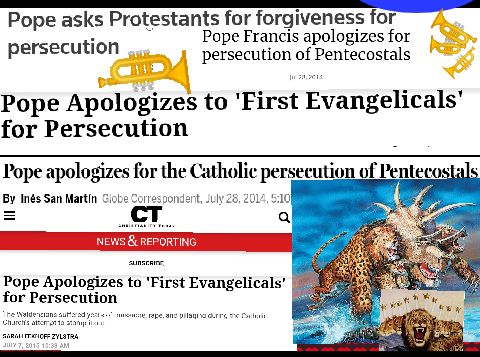


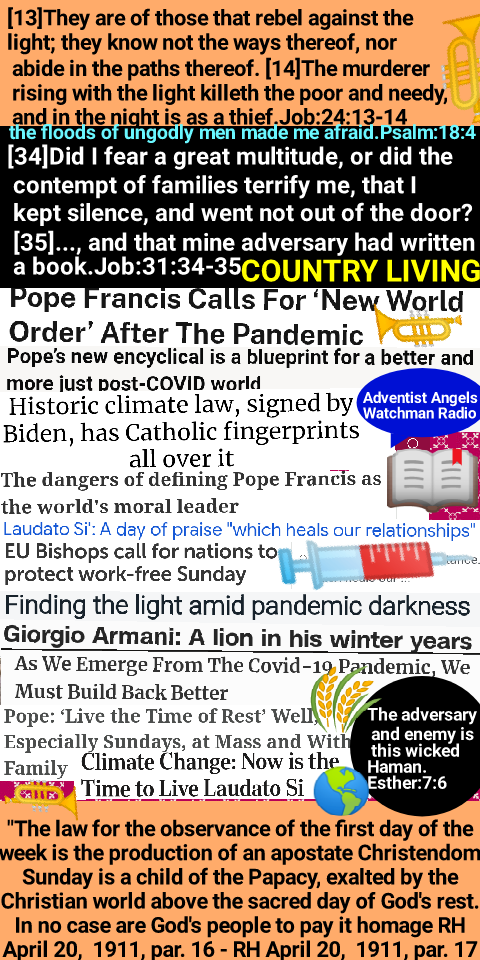


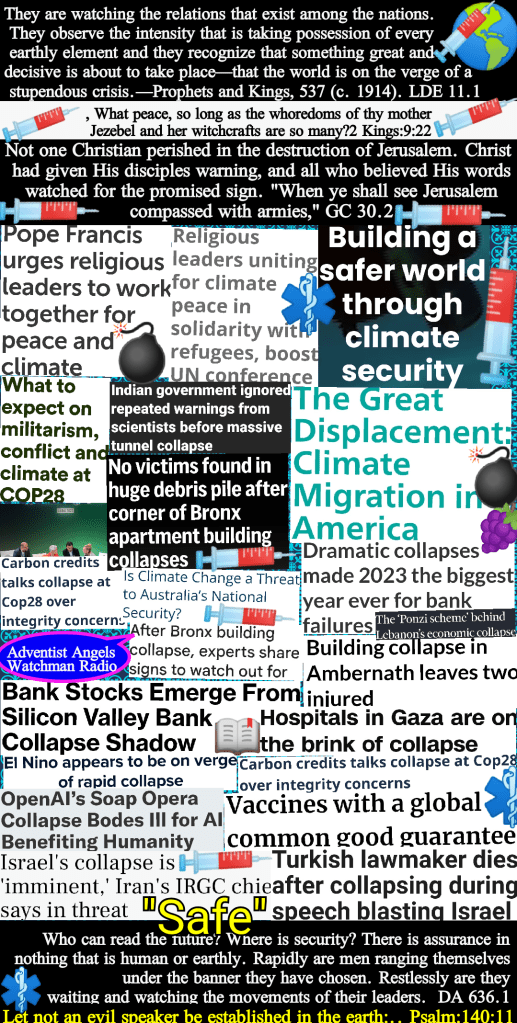
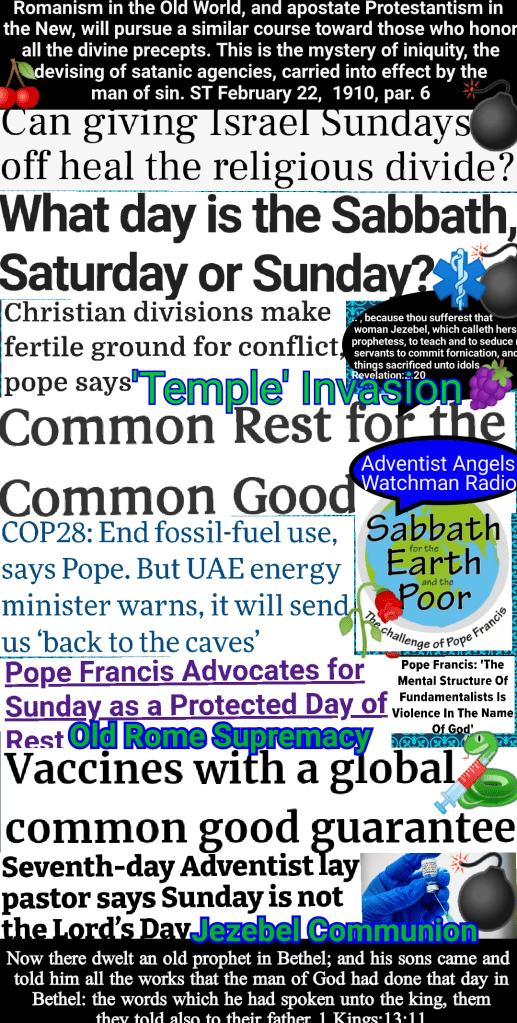
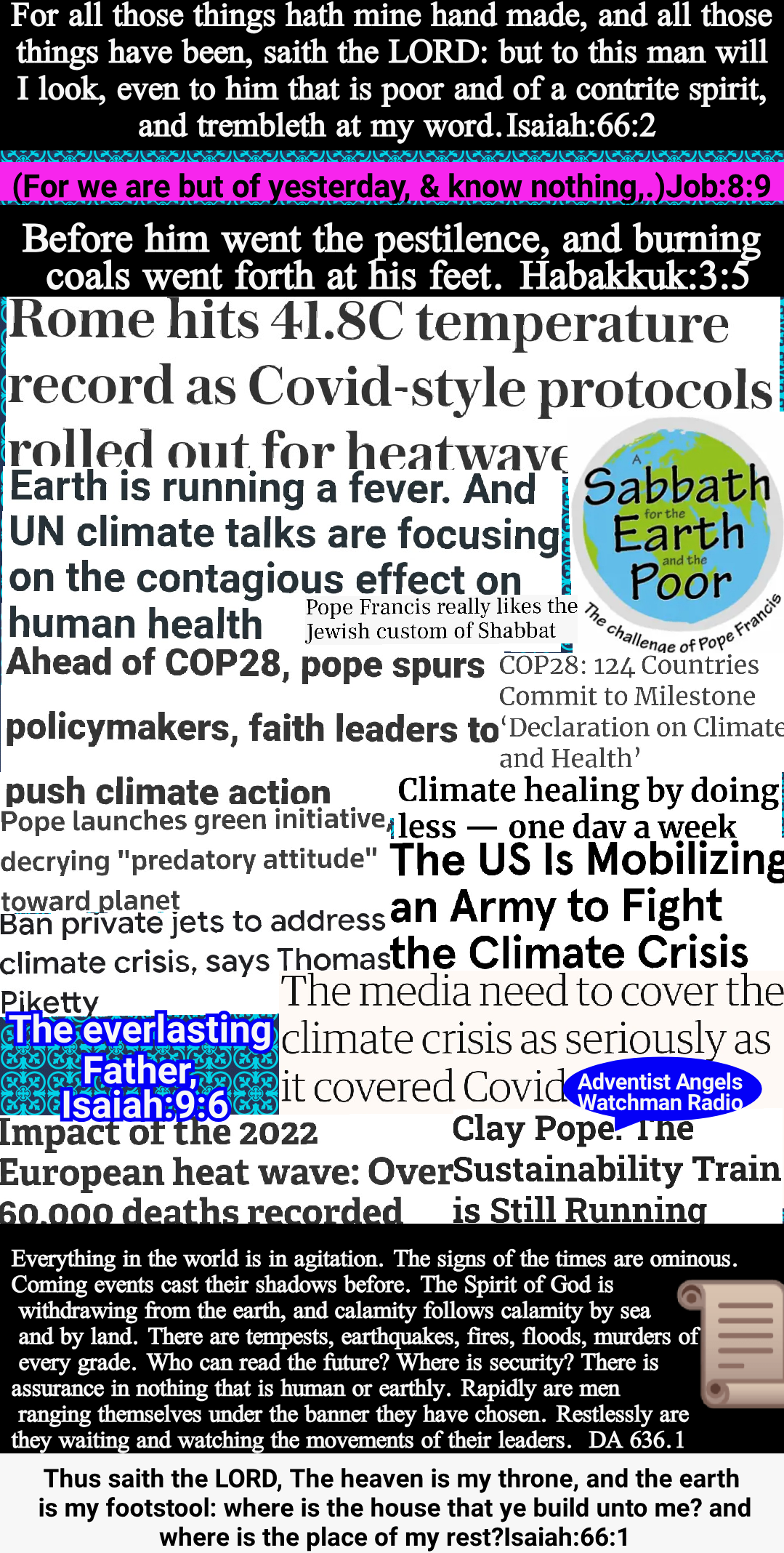
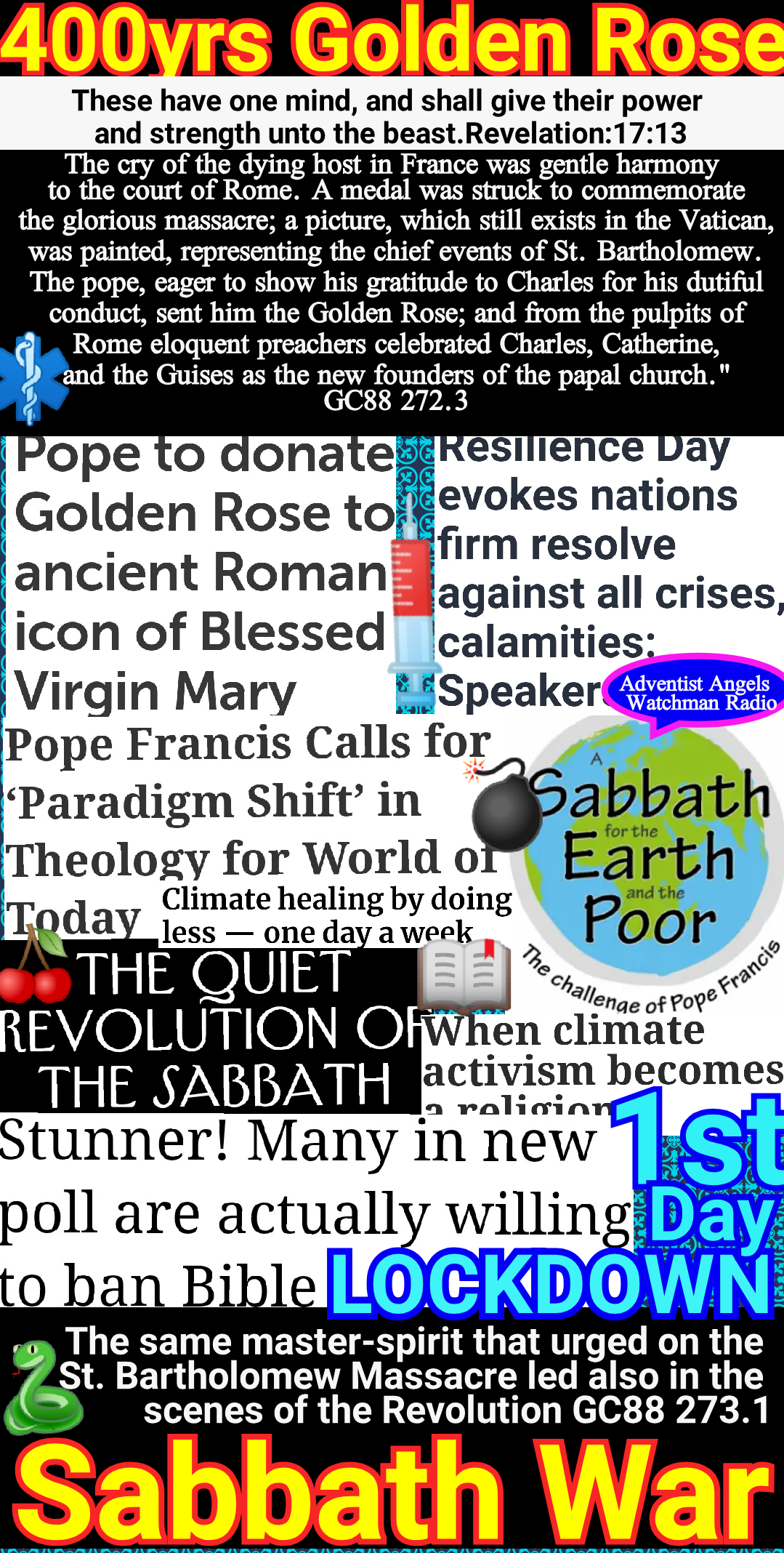
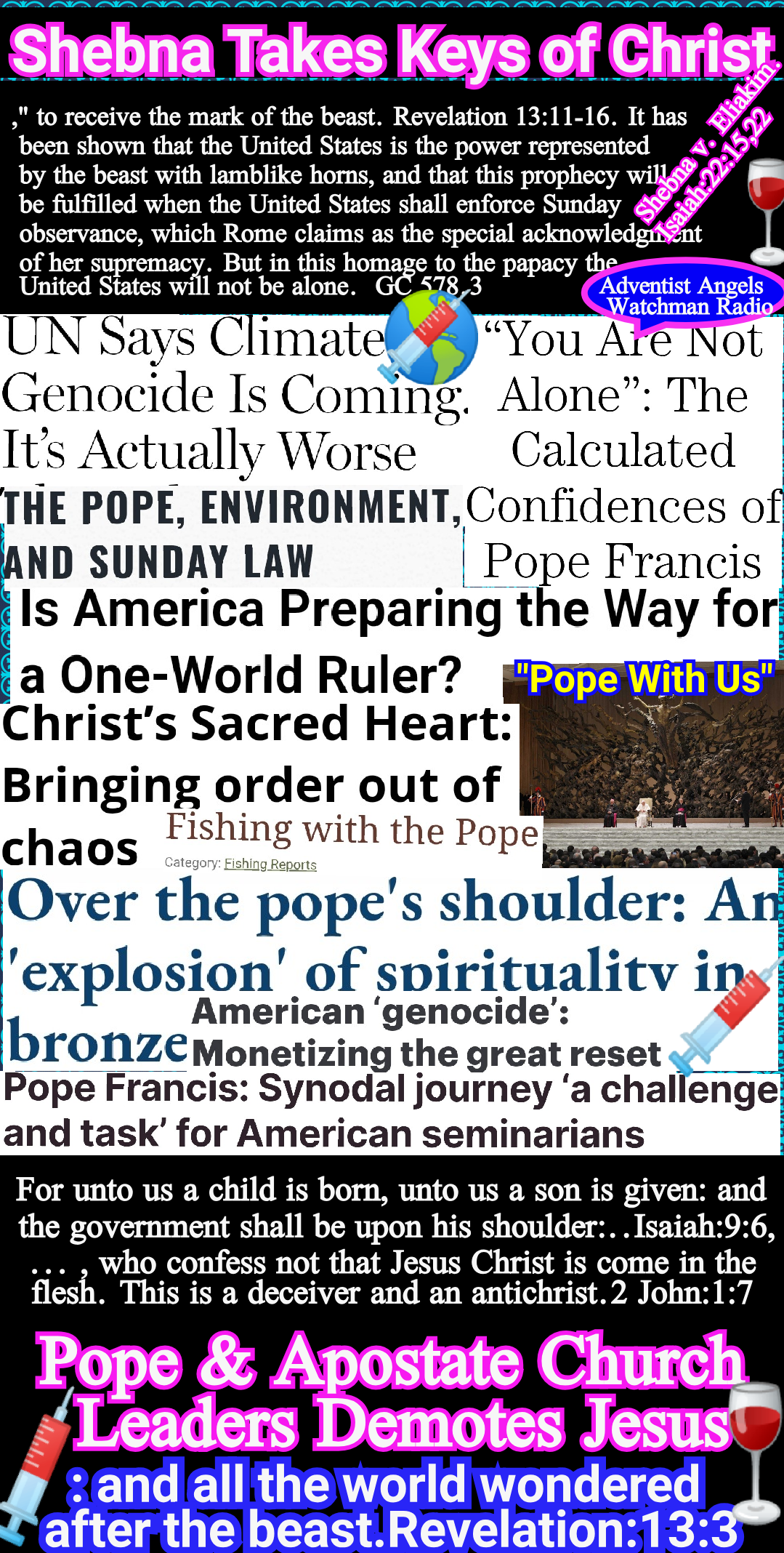
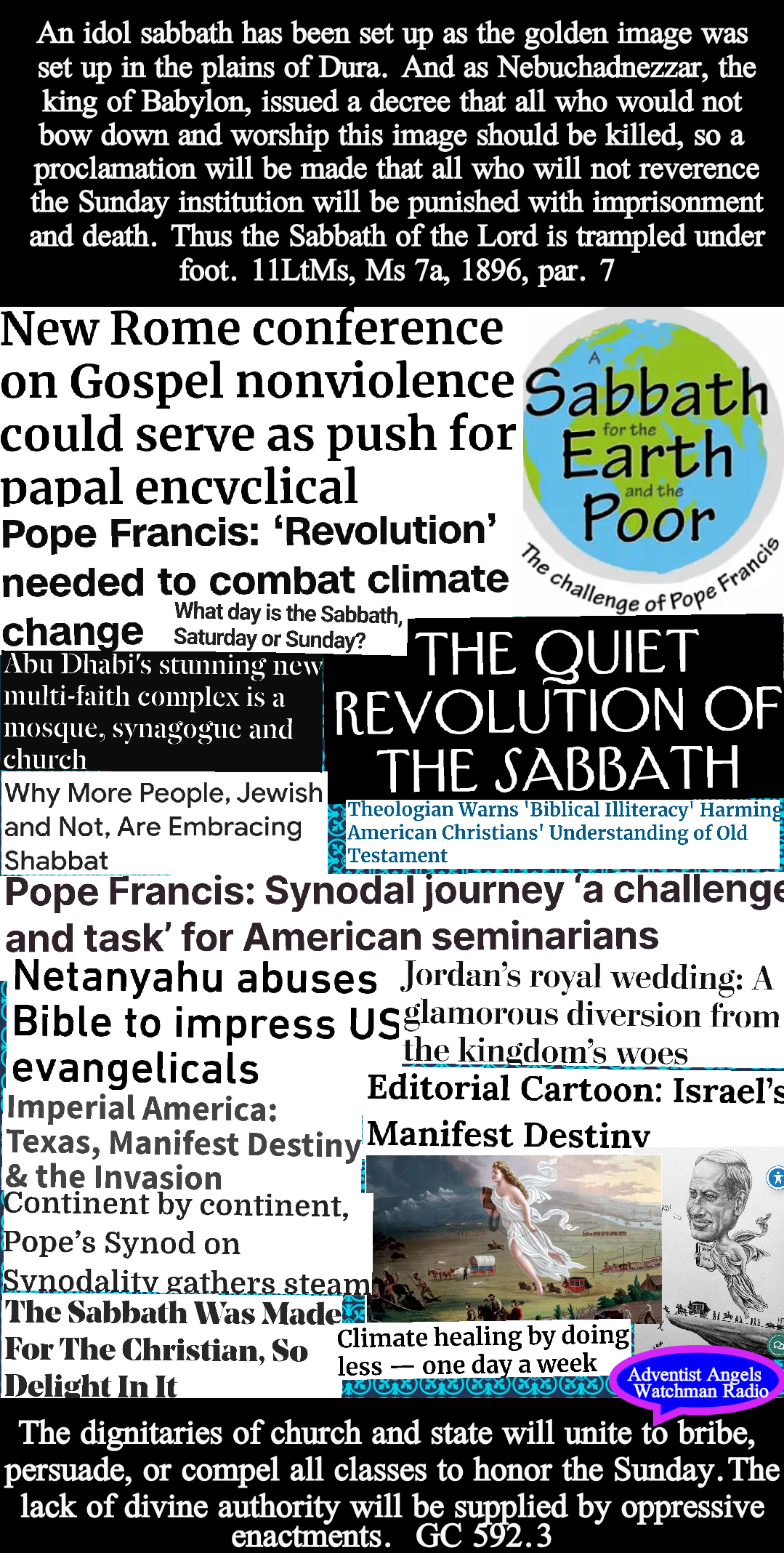


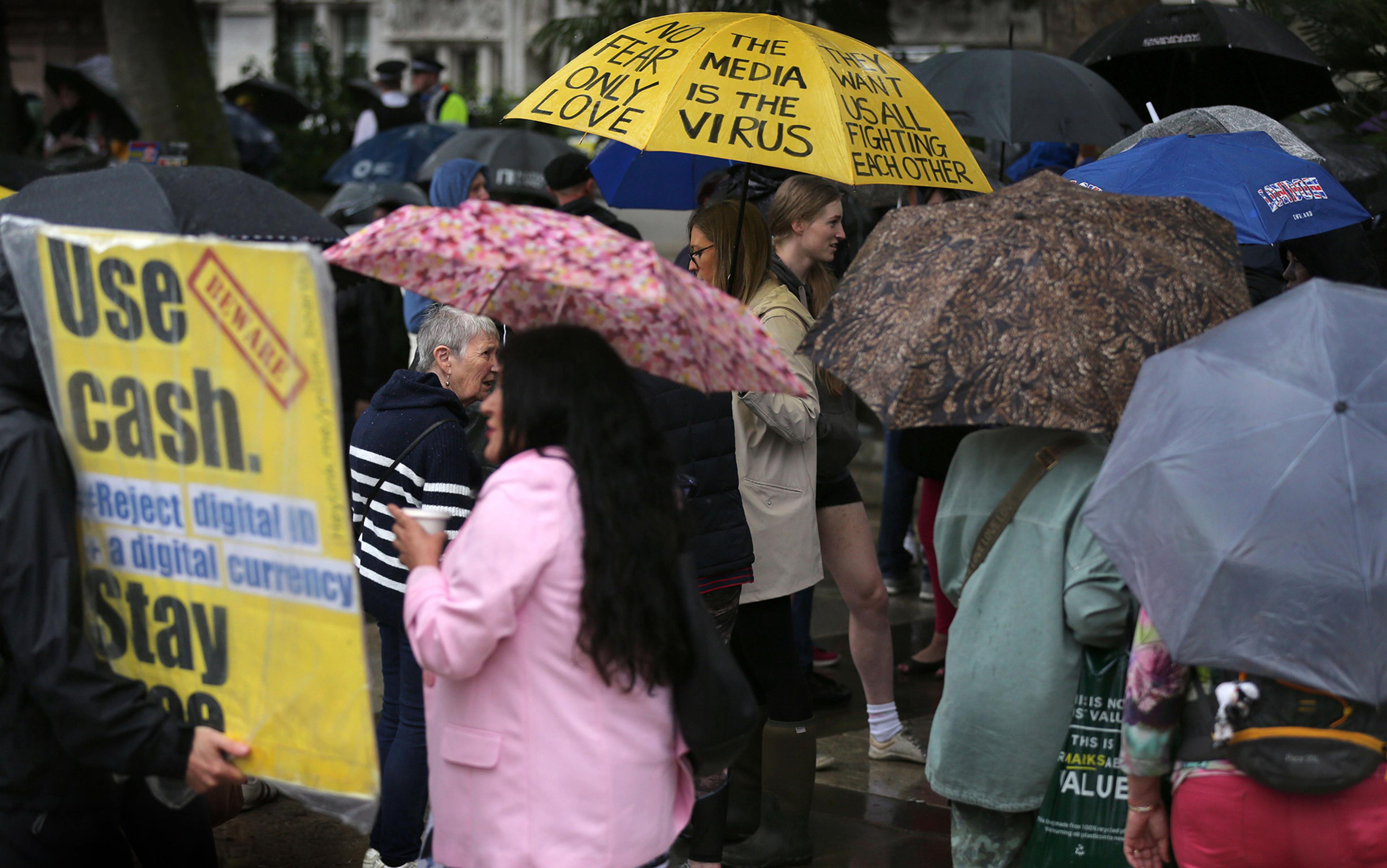
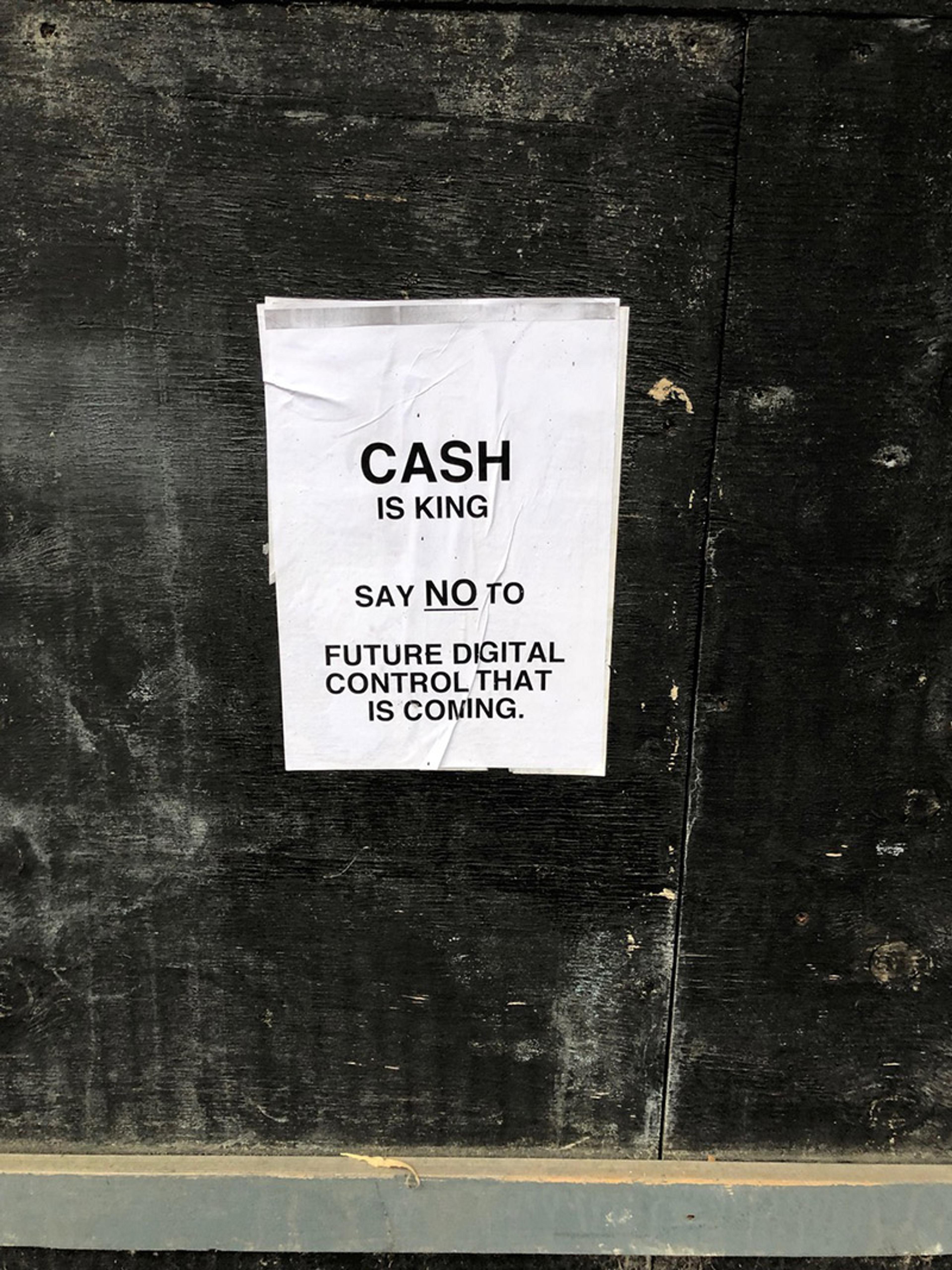
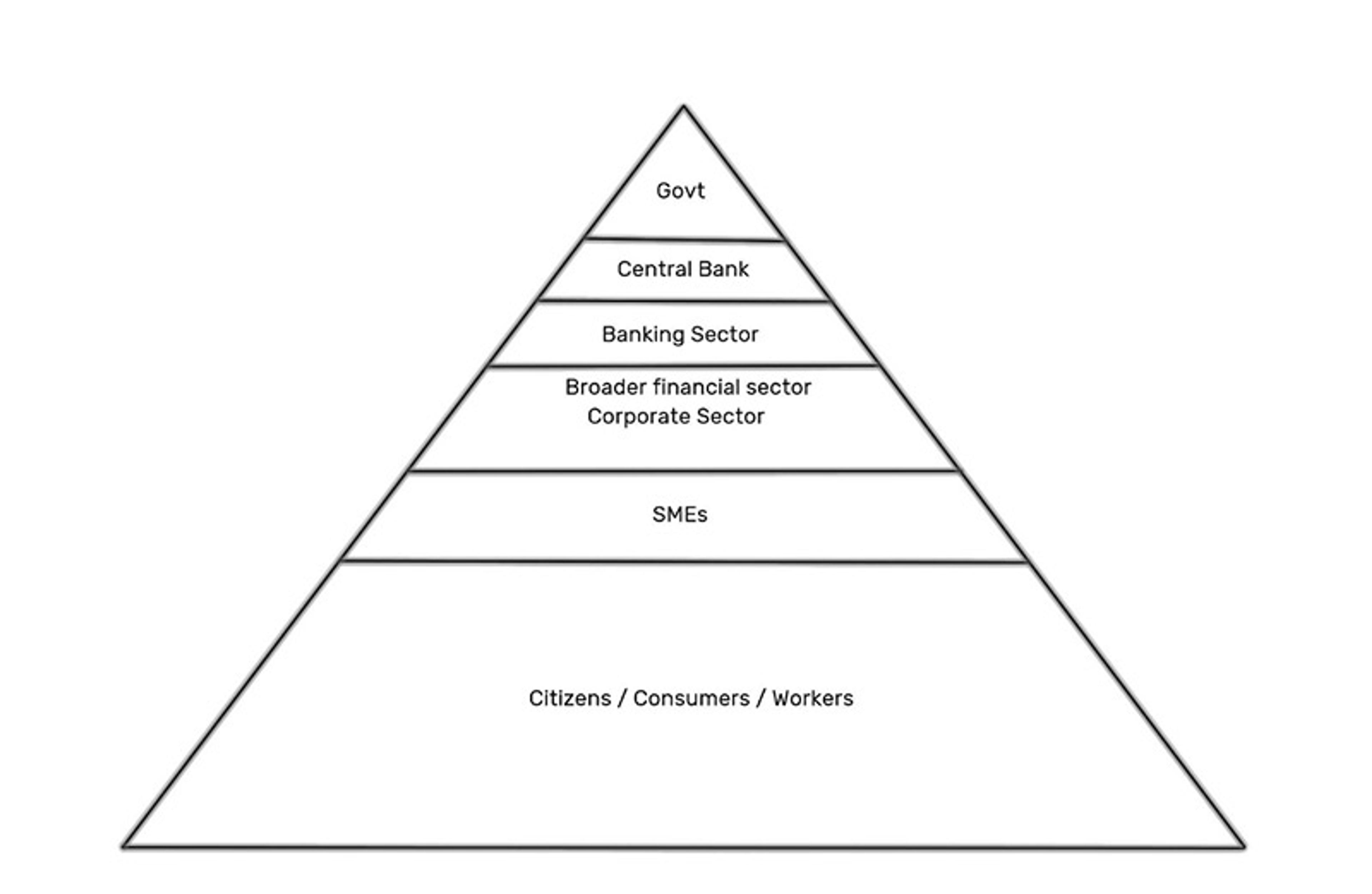
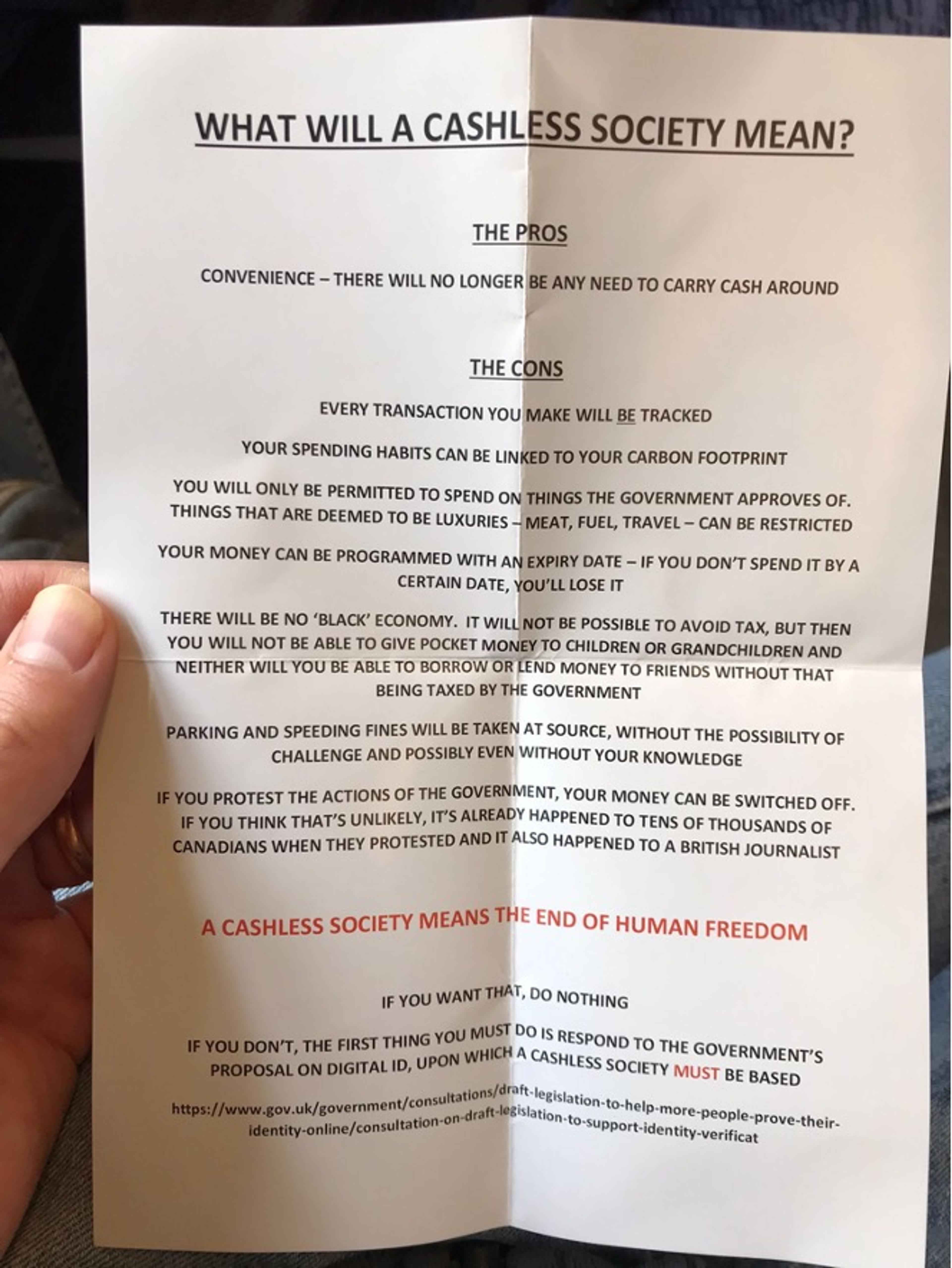




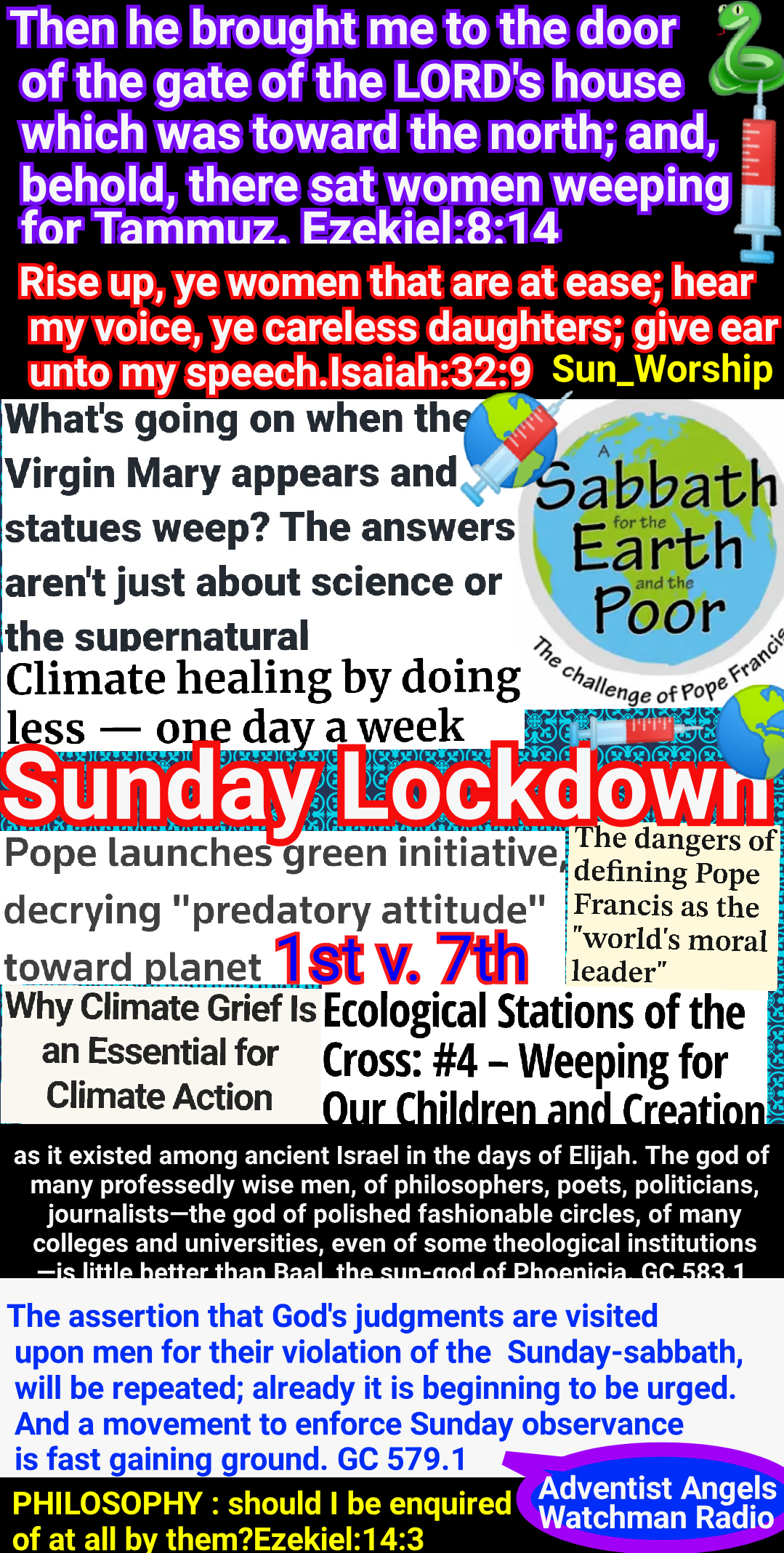

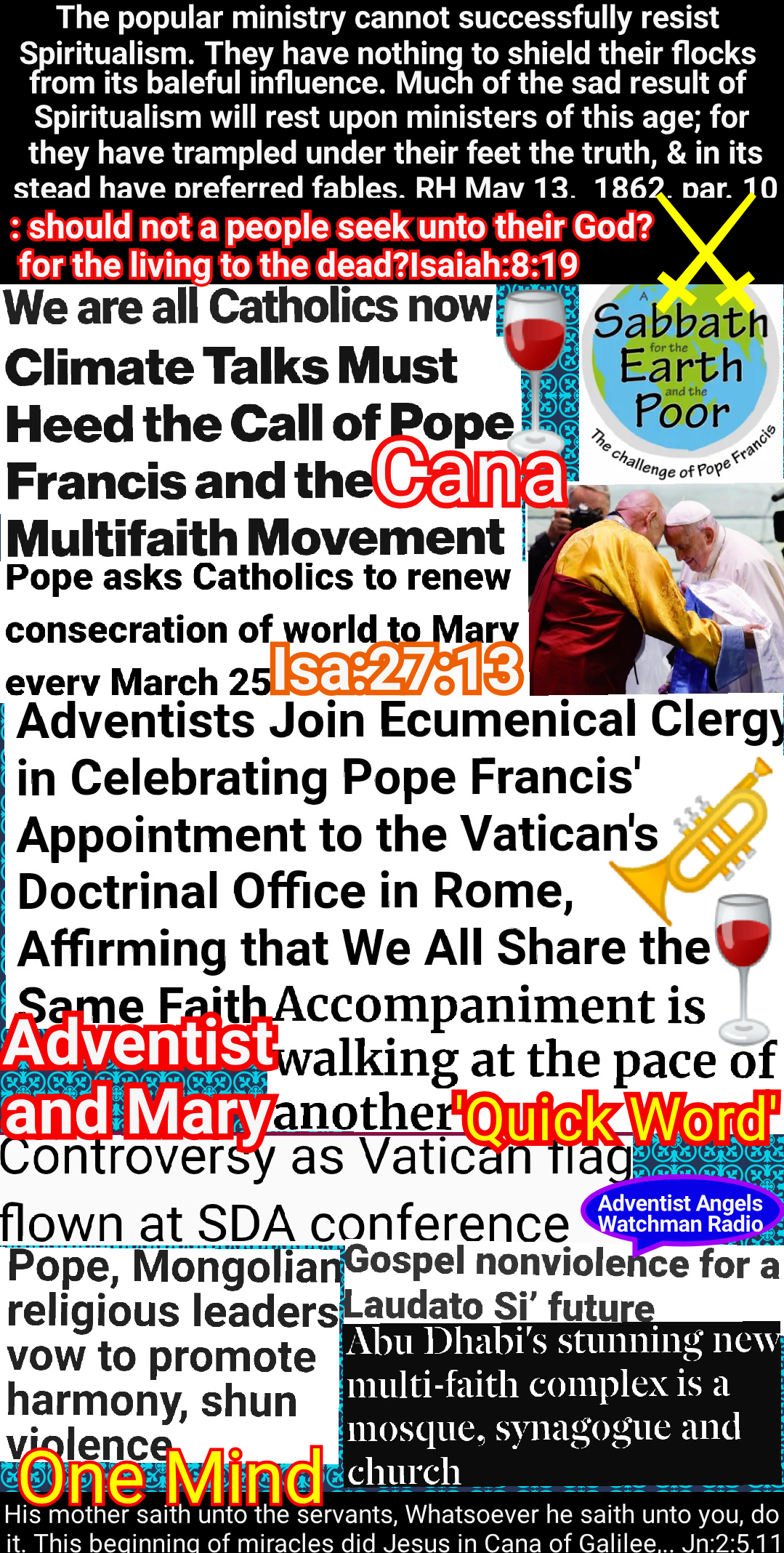
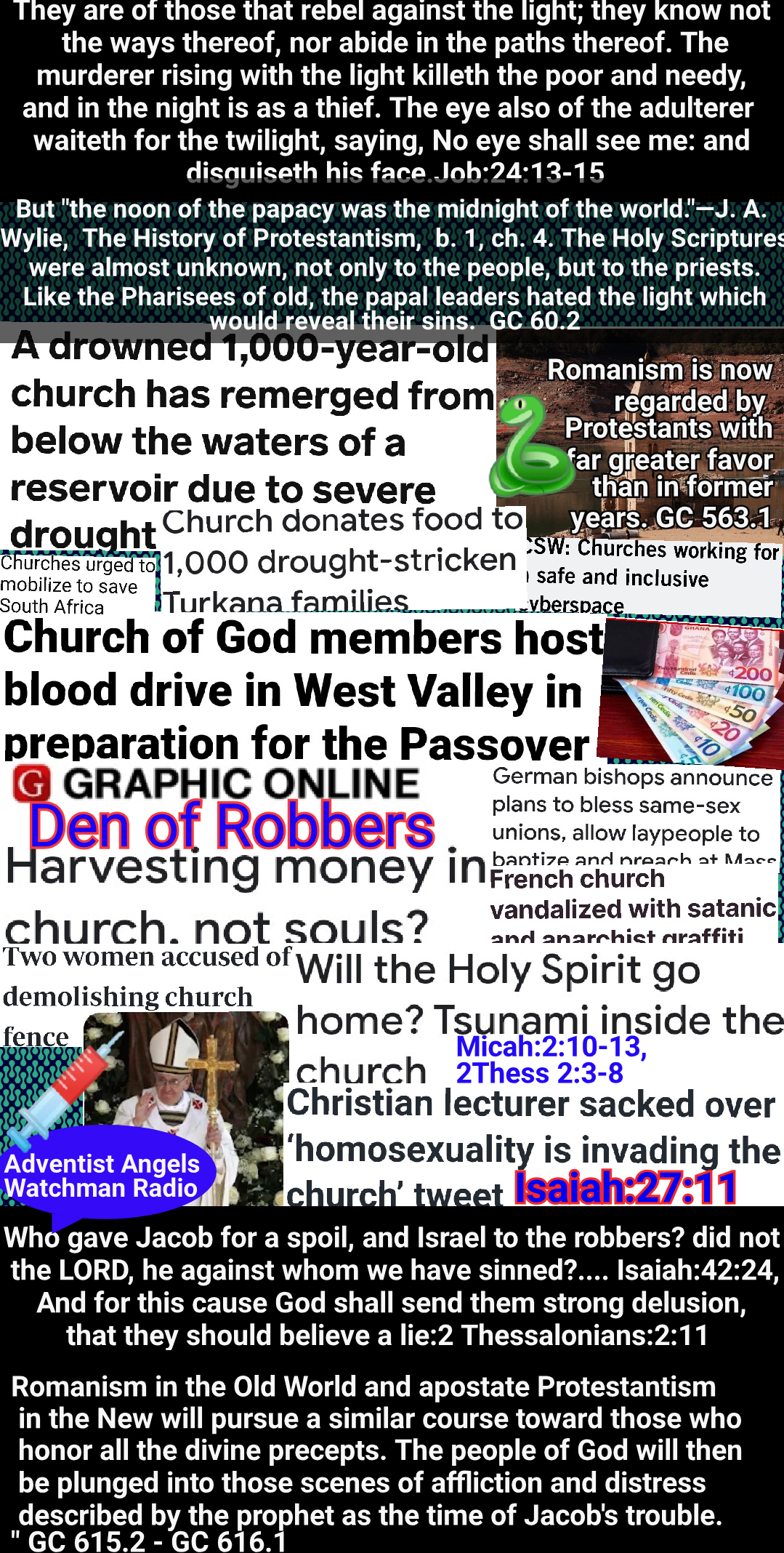

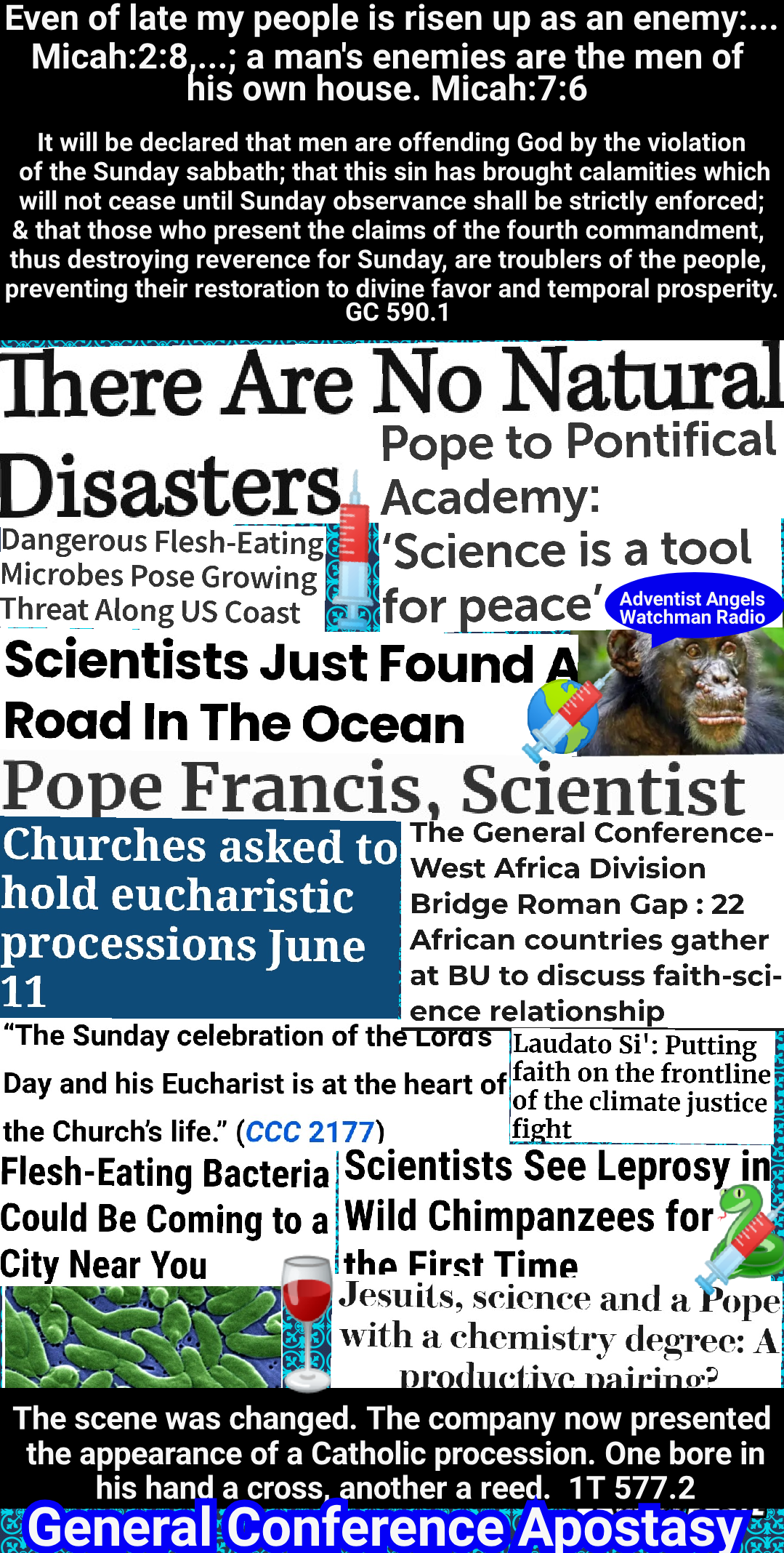







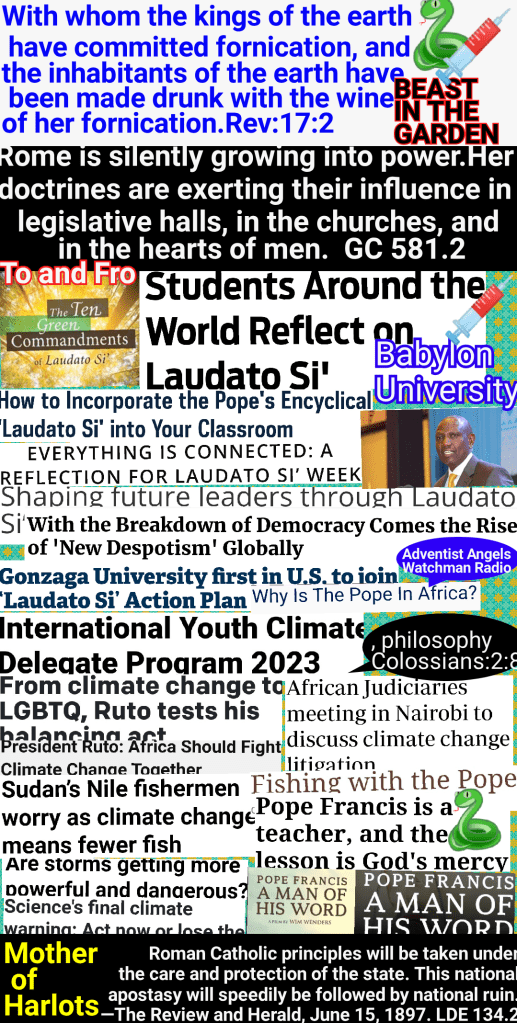
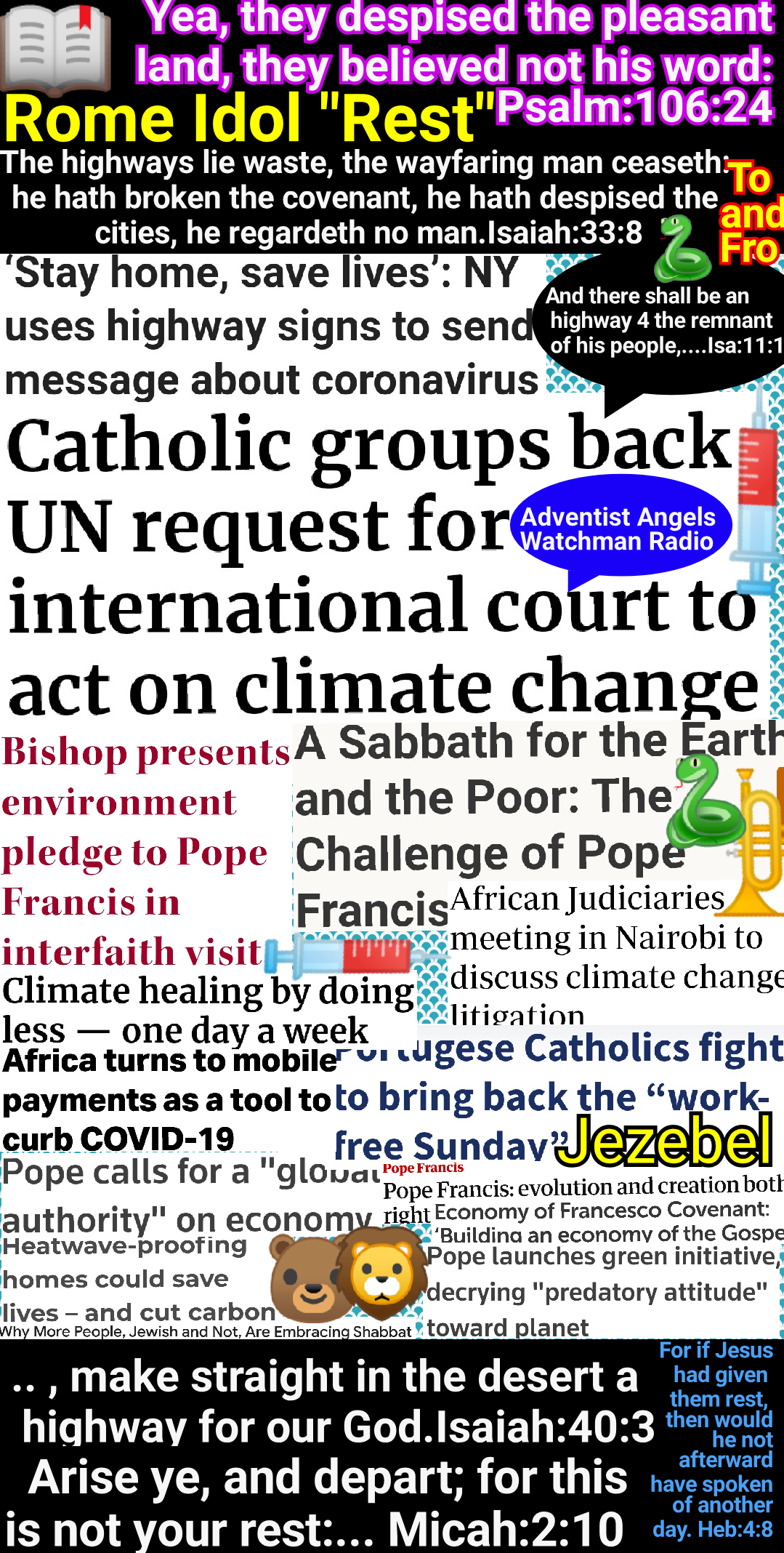

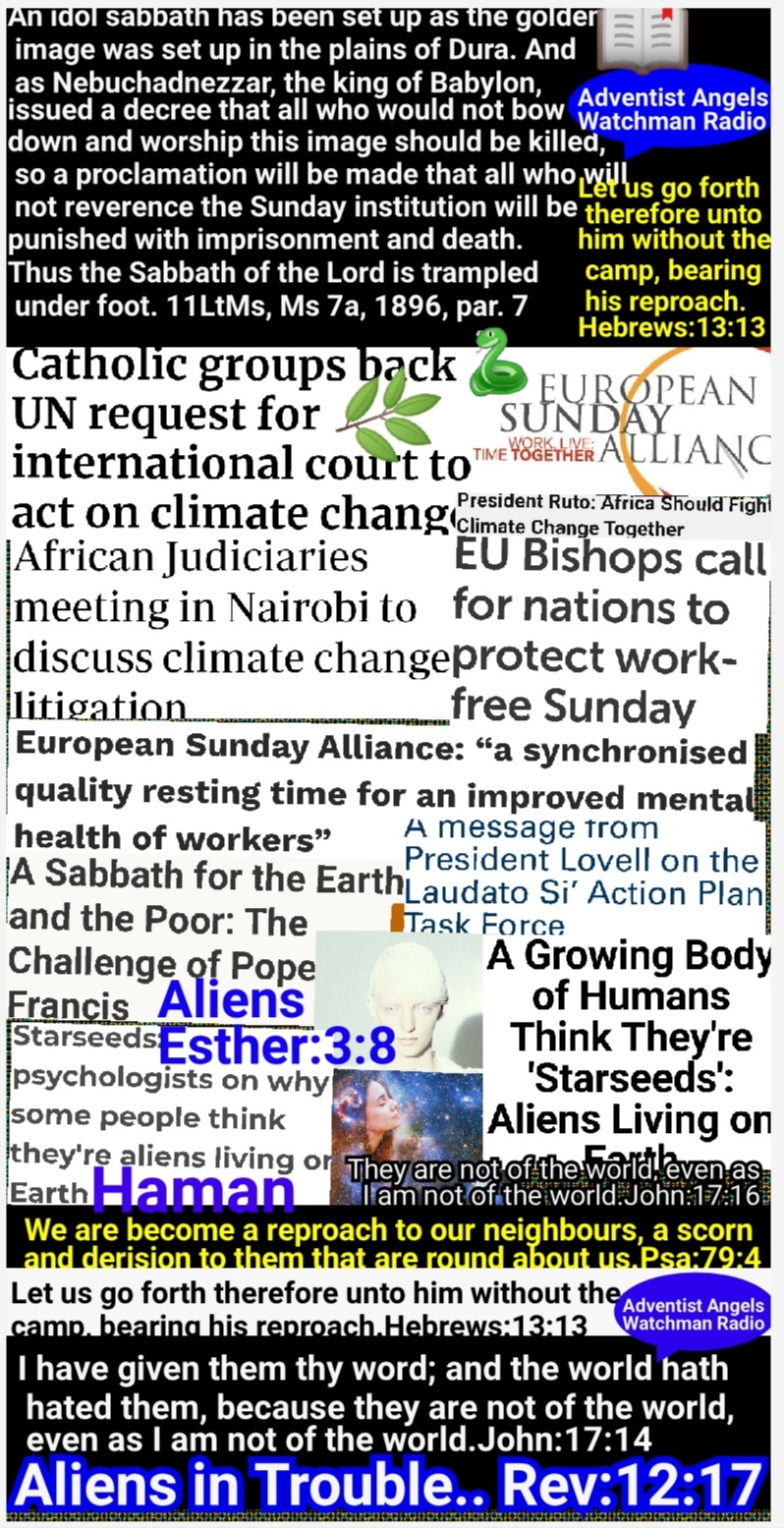
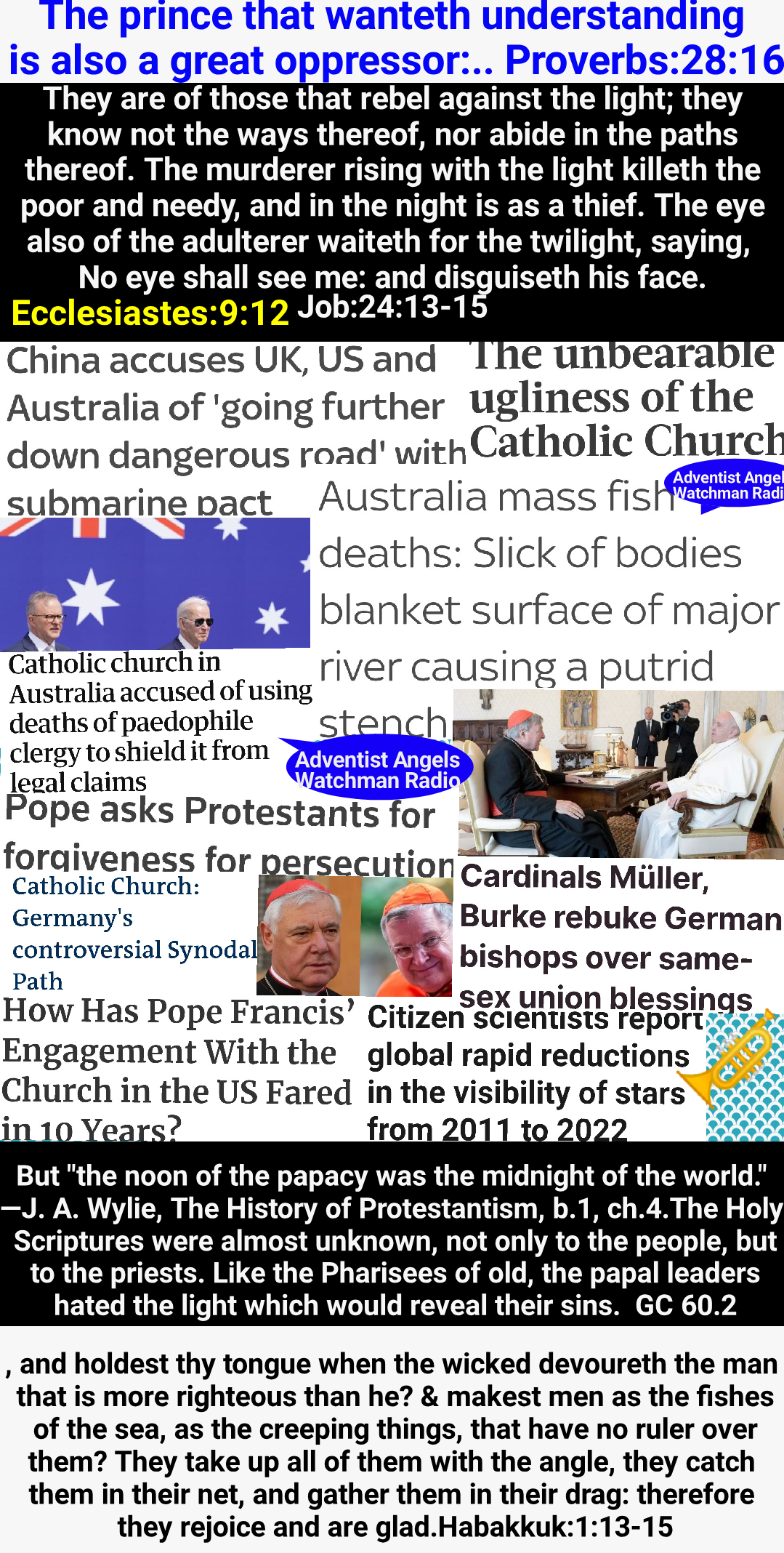


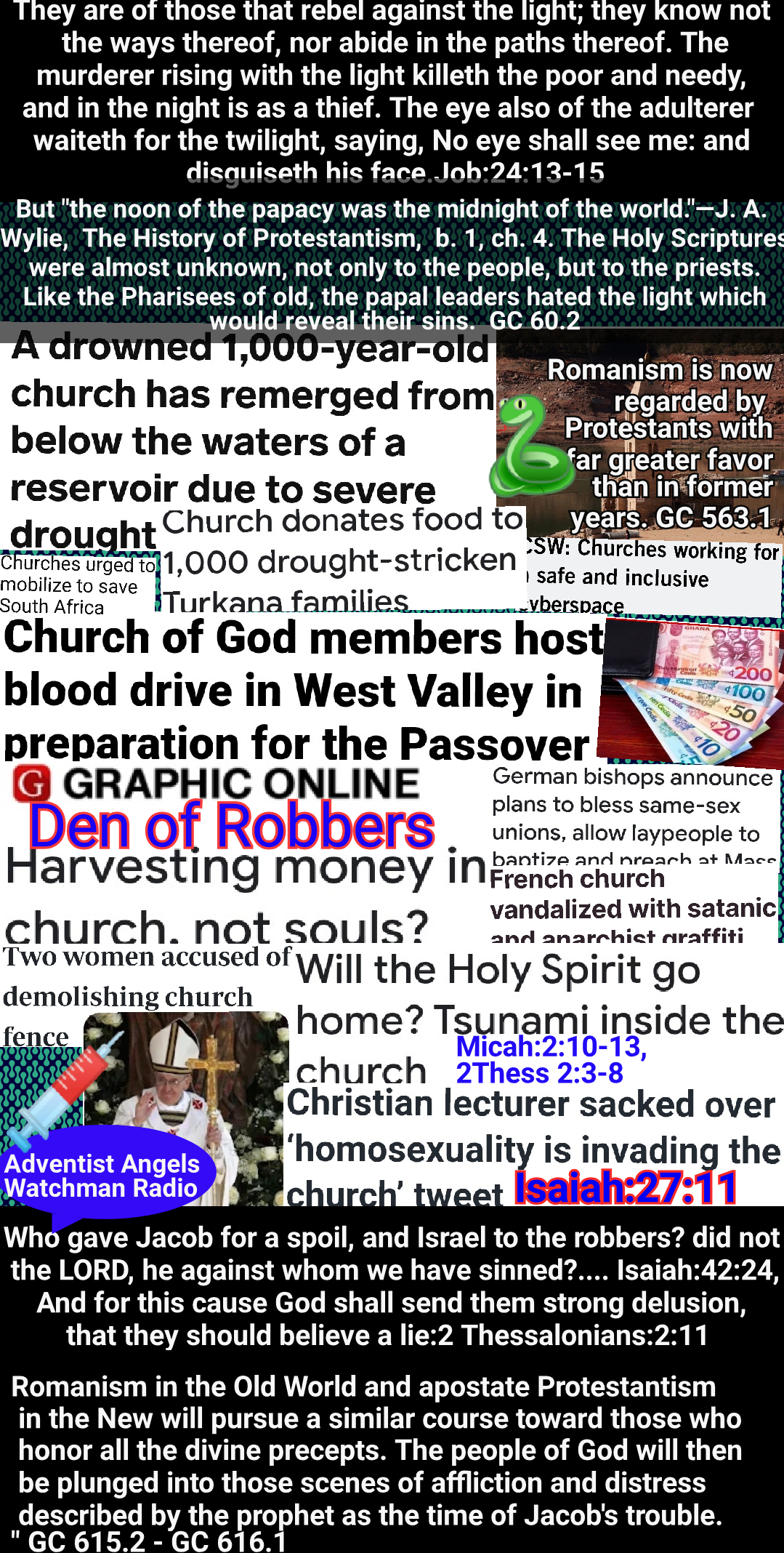
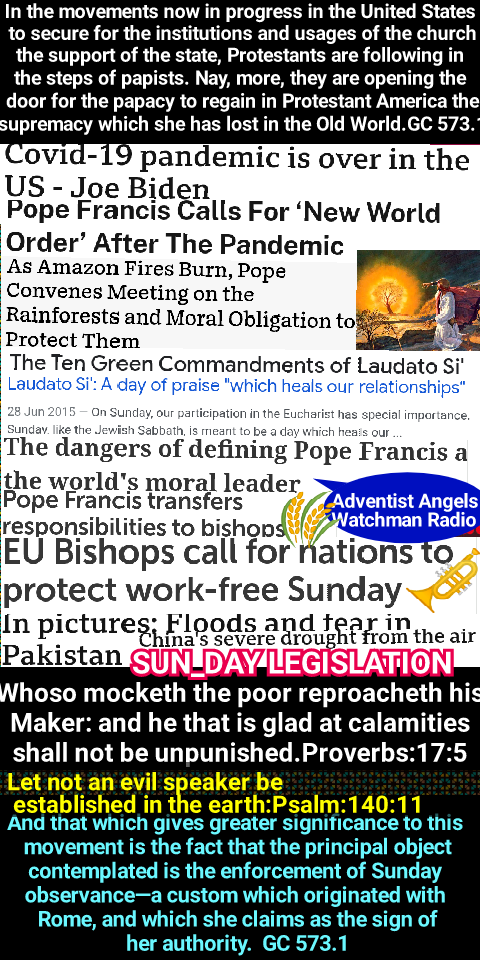
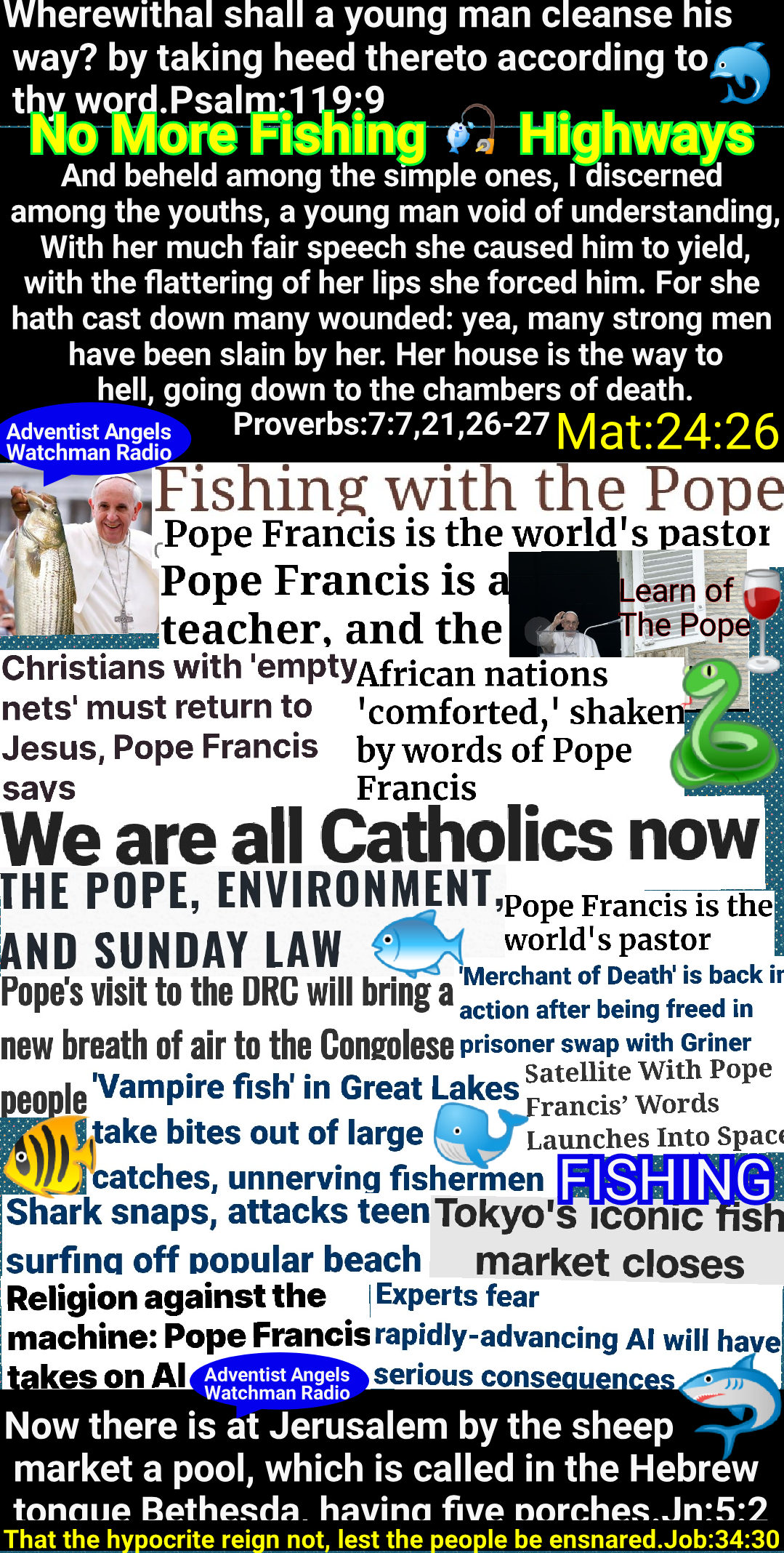




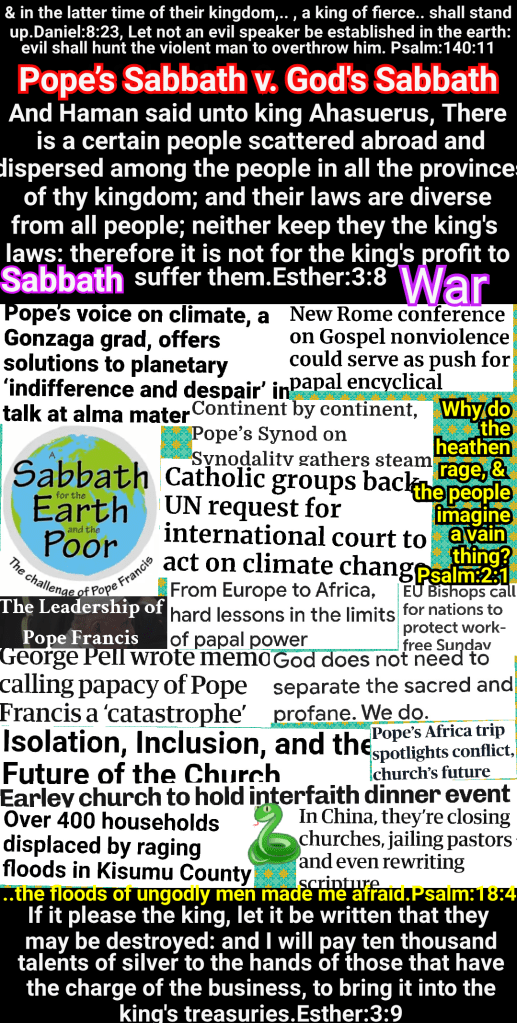
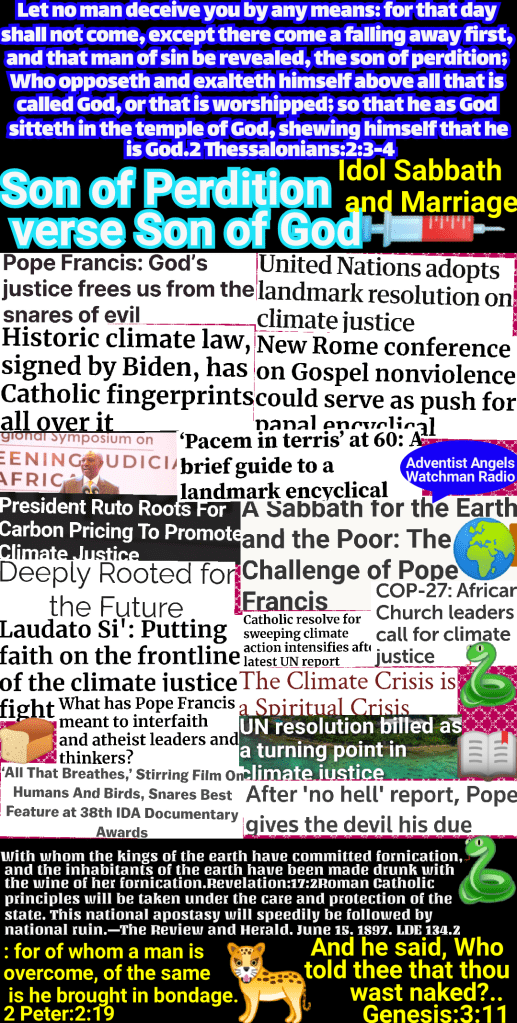
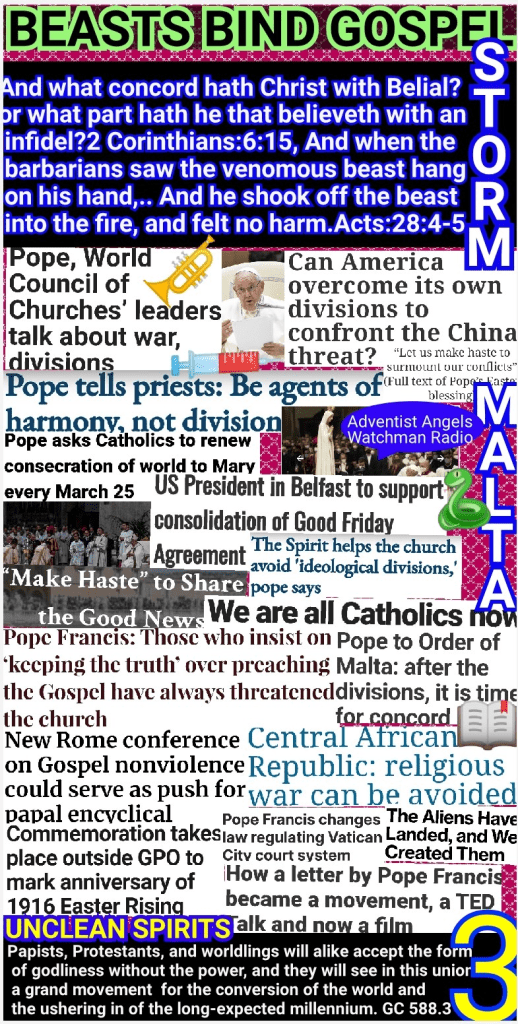




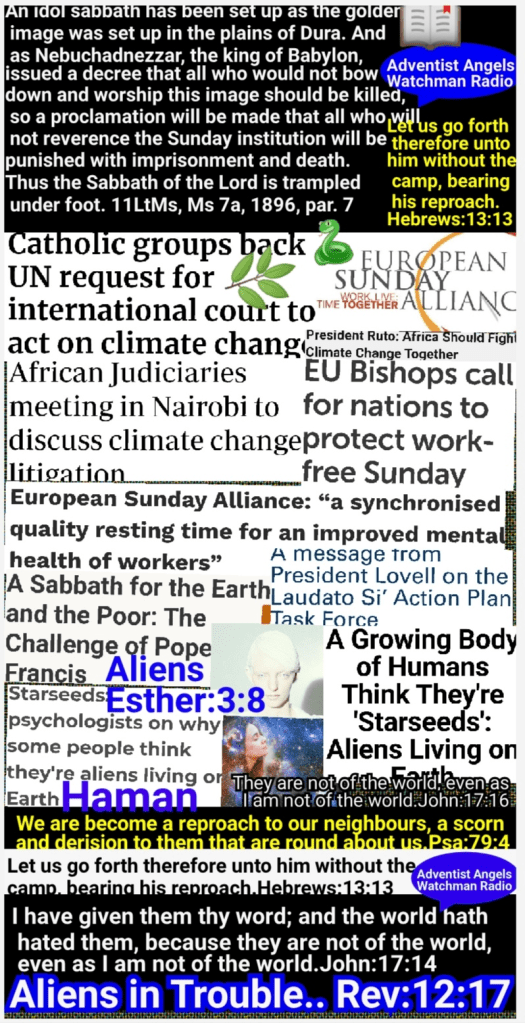


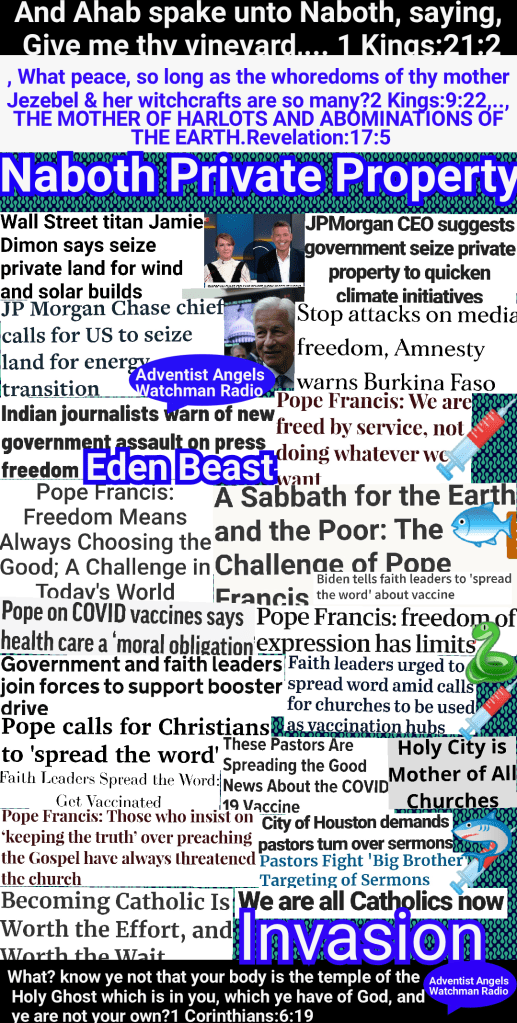
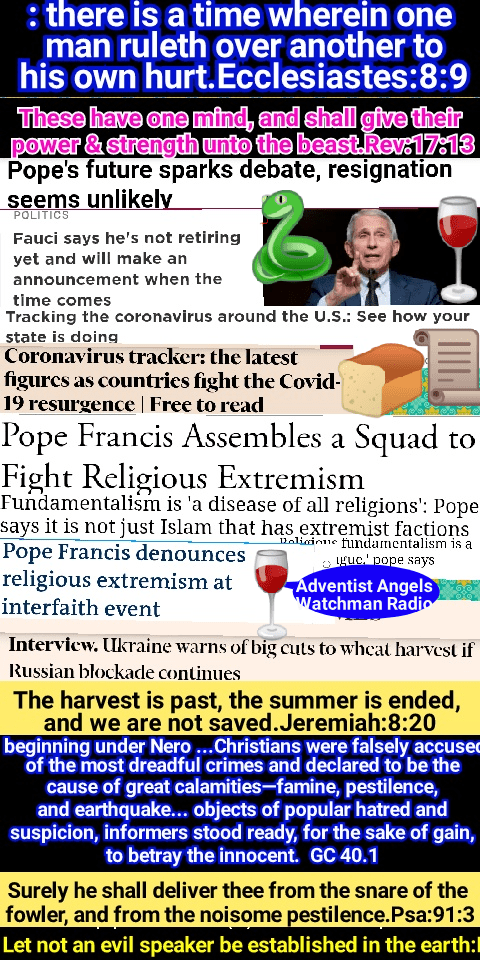
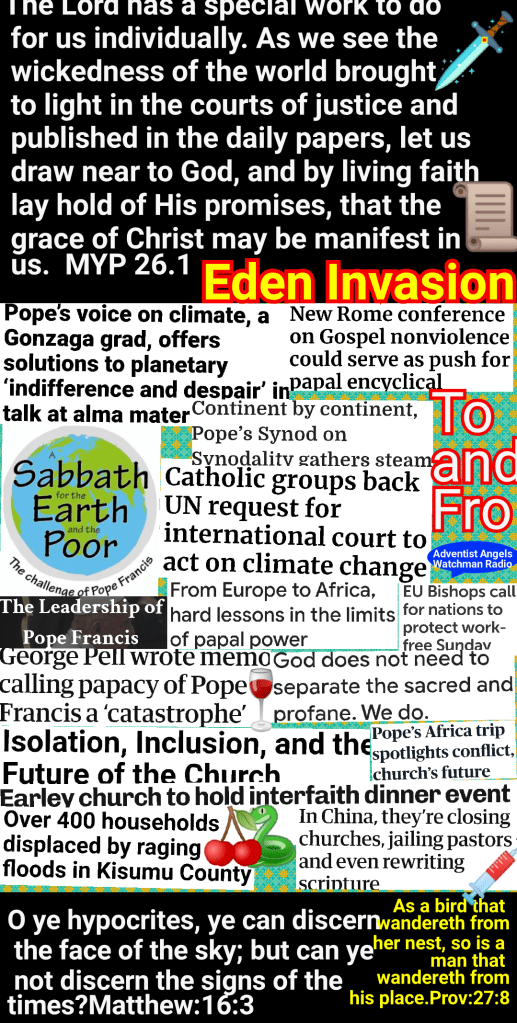
 Adventist Angels Watchman Radio