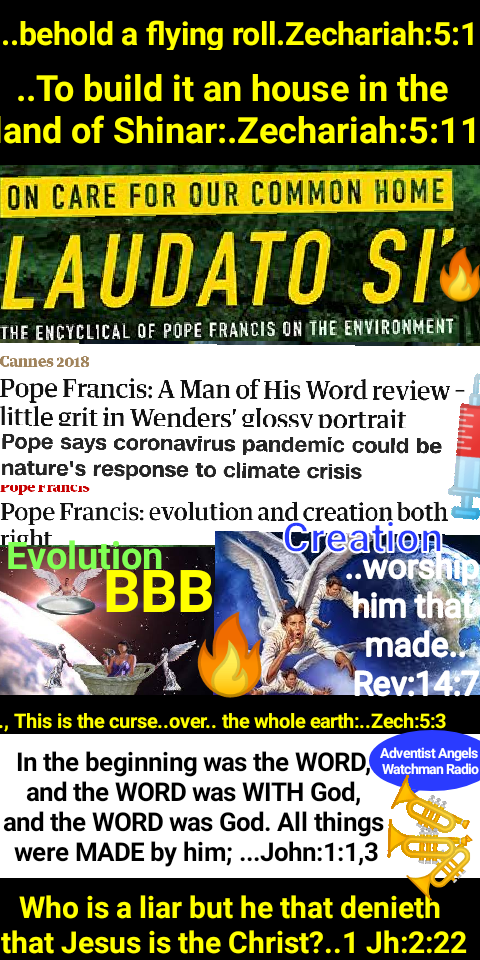
450 Prophets of Mother Jezebel Table Laudato Si Cup Bread Curriculum v The Lord Table, Murmured
https://youtu.be/D8SCnrTXgQY
450 Prophets of Mother Jezebel Table Laudato Si Cup Bread Curriculum v The Lord Table, Murmured

Adventist Angels Watchman Radio
Welcome to Adventist Angels Watchman Radio official website, preparing the earth for Jesus Christ return Shortly, find us on Facebook, Twitter and You-tube. +254734228119 With Ev. King Osiemo

450 Prophets of Mother Jezebel Table Laudato Si Cup Bread Curriculum v The Lord Table, Murmured
https://youtu.be/D8SCnrTXgQY
450 Prophets of Mother Jezebel Table Laudato Si Cup Bread Curriculum v The Lord Table, Murmured
My View
May 5, 202211:09 PM UTCLast Updated ago
By Brenda Goh
4 minute read
1/3
A resident looks outside through a barrier of a residential area during lockdown, amid the coronavirus disease (COVID-19) pandemic, in Shanghai, China, May 3, 2022. REUTERS/Aly Song/File Photo
SHANGHAI, May 6 (Reuters) – Veronica thought she did everything right by sticking to all of the COVID-19 lockdown rules in the Chinese city of Shanghai.
After the entire city was shut down on April 1, her family of four scrupulously followed government orders to stay at home, stepping out the front door only for mandatory PCR testing.
From Bohemia the light extended to Germany, for disturbances in the University of Prague caused the withdrawal of hundreds of German students. Many of them had received from Huss their first knowledge of the Bible, and on their return they spread the gospel in their fatherland.
Tidings of the work at Prague were carried to Rome, and Huss was soon summoned to appear before the pope. To obey would be to expose himself to certain death. The king and queen of Bohemia, the university, members of the nobility, and officers of the government united in an appeal to the pontiff that Huss be permitted to remain at Prague and to answer at Rome by deputy. Instead of granting this request, the pope proceeded to the trial and condemnation of Huss, and then declared the city of Prague to be under interdict.
In that age this sentence, whenever pronounced, created widespread alarm. The ceremonies by which it was accompanied were well adapted to strike terror to a people who looked upon the pope as the representative of God Himself, holding the keys of heaven and hell, and possessing power to invoke temporal as well as spiritual judgments. It was believed that the gates of heaven were closed against the region smitten with interdict; that until it should please the pope to remove the ban, the dead were shut out from the abodes of bliss. In token of this terrible calamity, all the services of religion were suspended. The churches were closed. Marriages were solemnized in the churchyard. The dead, denied burial in consecrated ground, were interred, without the rites of sepulture, in the ditches or the fields. Thus by measures which appealed to the imagination, Rome essayed to control the consciences of men.
Thou that art full of stirs, a tumultuous city, joyous city: thy slain men are not slain with the sword, nor dead in battle.
Isaiah:22:2
The city of Prague was filled with tumult. A large class denounced Huss as the cause of all their calamities and demanded that he be given up to the vengeance of Rome. To quiet the storm, the Reformer withdrew for a time to his native village. Writing to the friends whom he had left at Prague, he said: “If I have withdrawn from the midst of you, it is to follow the precept and example of Jesus Christ, in order not to give room to the ill-minded to draw on themselves eternal condemnation, and in order not to be to the pious a cause of affliction and persecution. I have retired also through an apprehension that impious priests might continue for a longer time to prohibit the preaching of the word of God amongst you; but I have not quitted you to deny the divine truth, for which, with God’s assistance, I am willing to die.”—Bonnechose, The Reformers Before the Reformation, vol. 1, p. 87. Huss did not cease his labors, but traveled through the surrounding country, preaching to eager crowds. Thus the measures to which the pope resorted to suppress the gospel were causing it to be the more widely extended. “We can do nothing against the truth, but for the truth.” 2 Corinthians 13:8. GC 100.2 – GC 101.2
When curbs were relaxed slightly in mid-April, letting residents walk about within their compounds, Veronica and her neighbours all wore masks.
Register
For weeks, their housing estate was free of COVID.
But in late April, after what Veronica thinks was her 12th PCR test, she, another member of her family, and a handful of neighbours tested positive.
“I have no idea how we caught it,” said Veronica, who declined to give her full name, citing privacy.
Her building was declared “sealed”. She, her family and the others who tested positive were sent into quarantine. Everyone else was ordered back indoors for another 14 days.

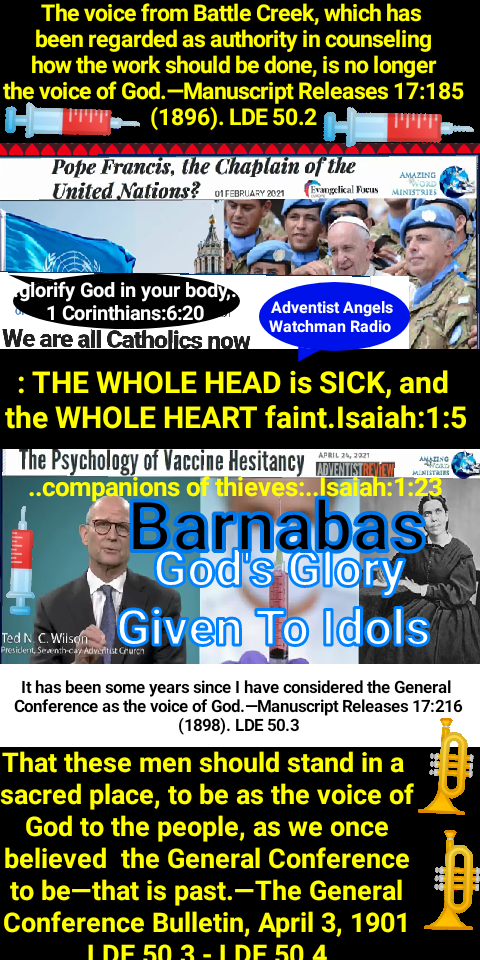
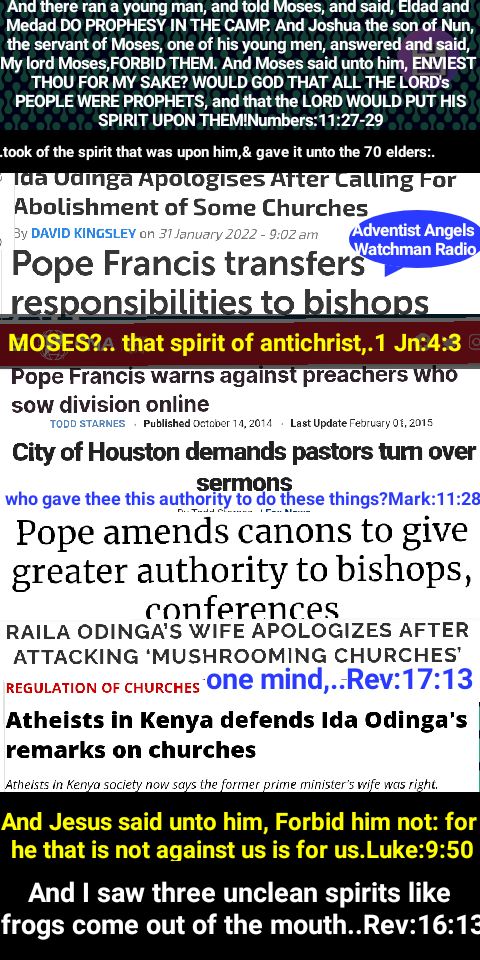
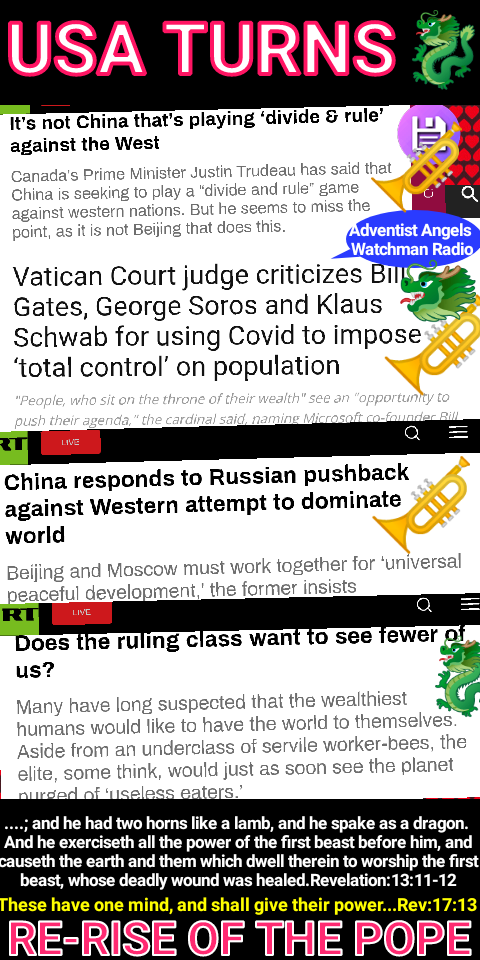
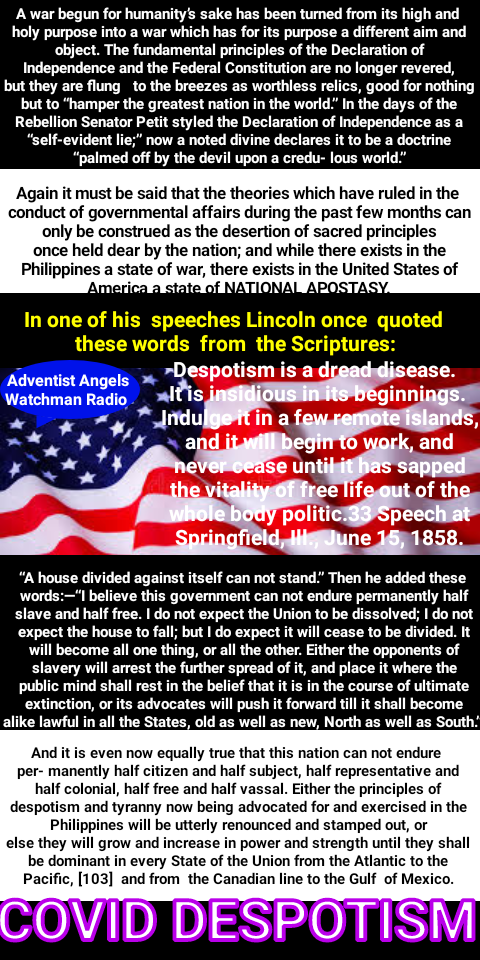
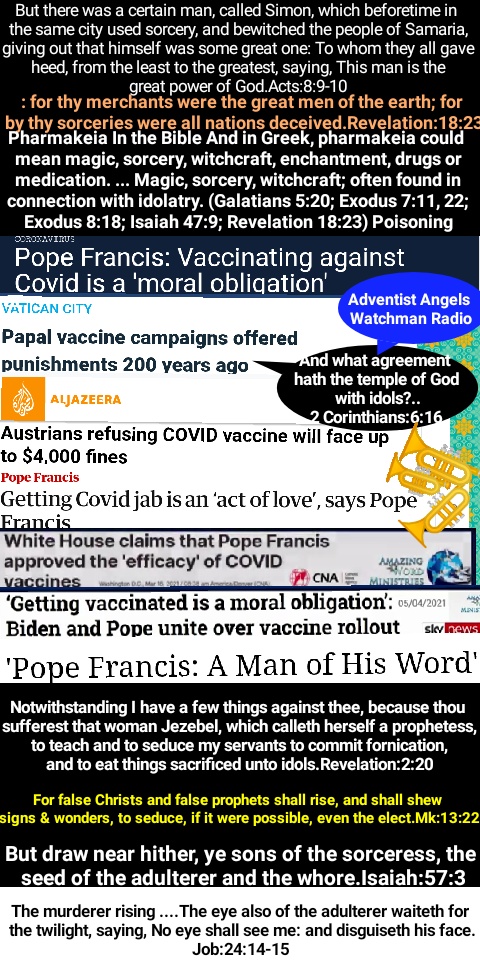




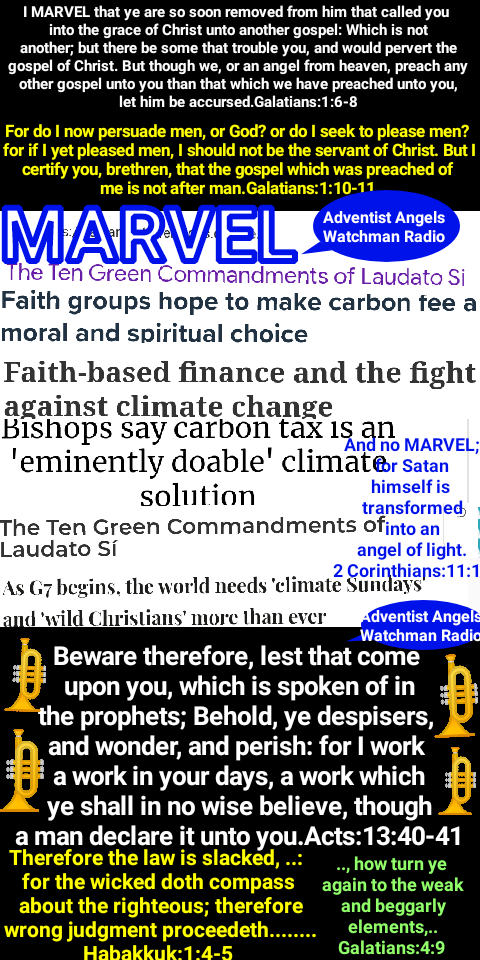
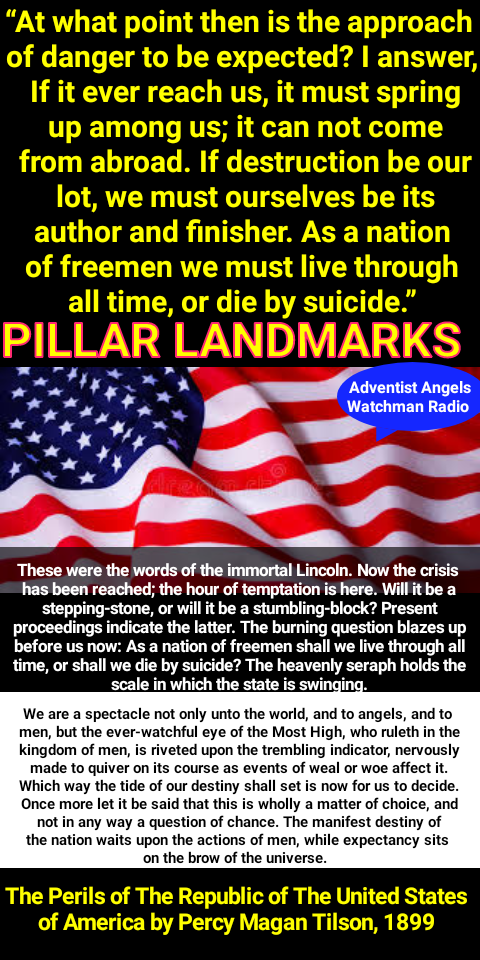
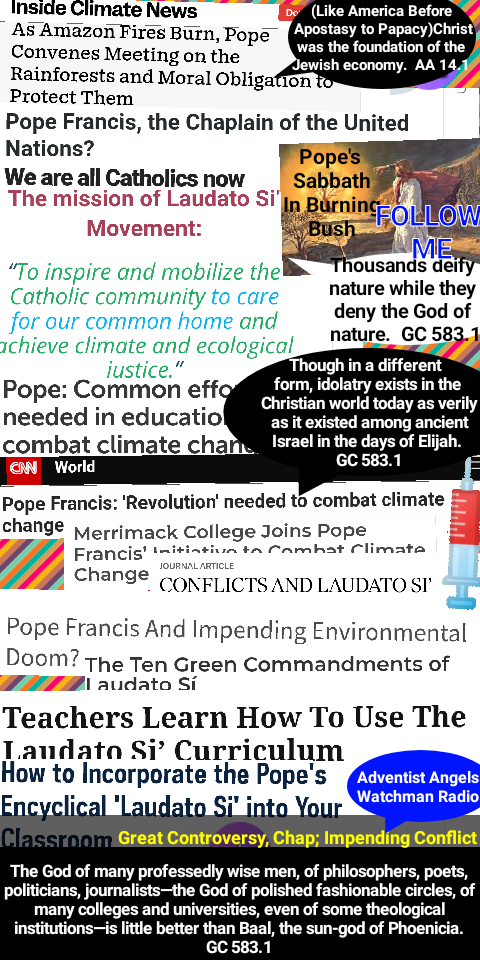
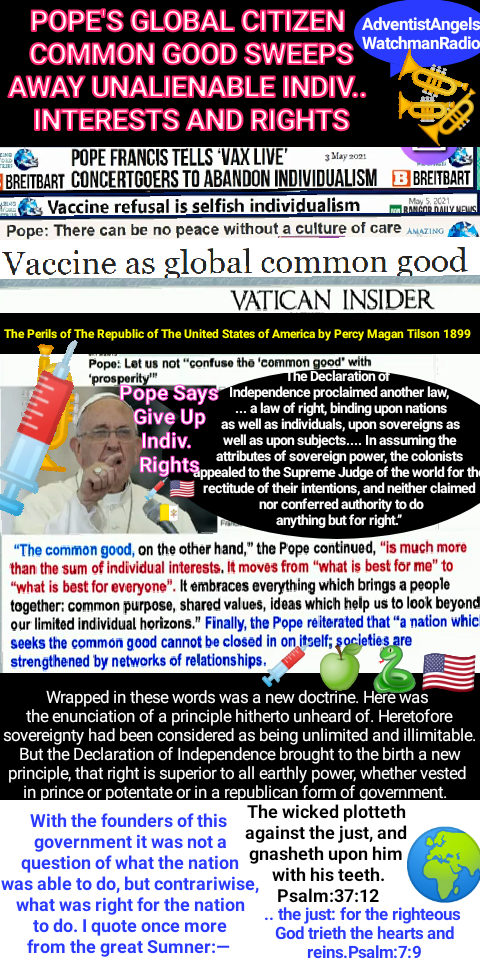
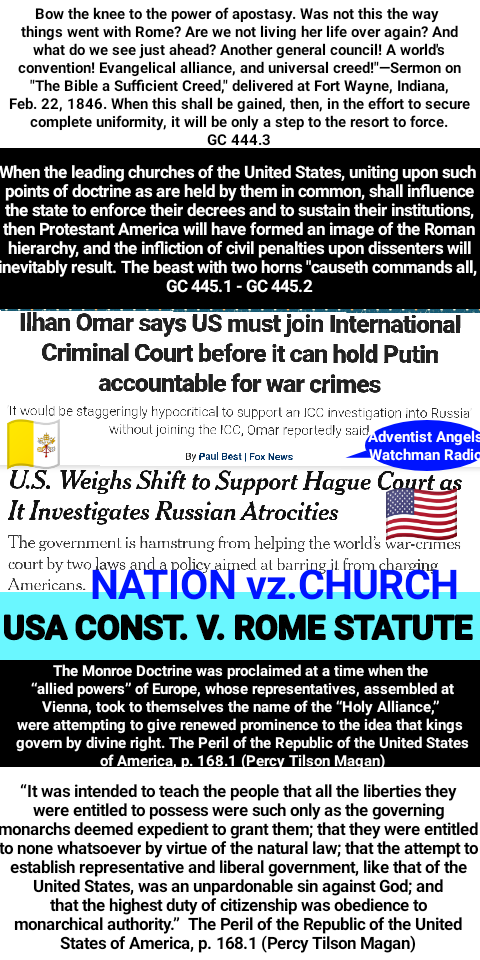


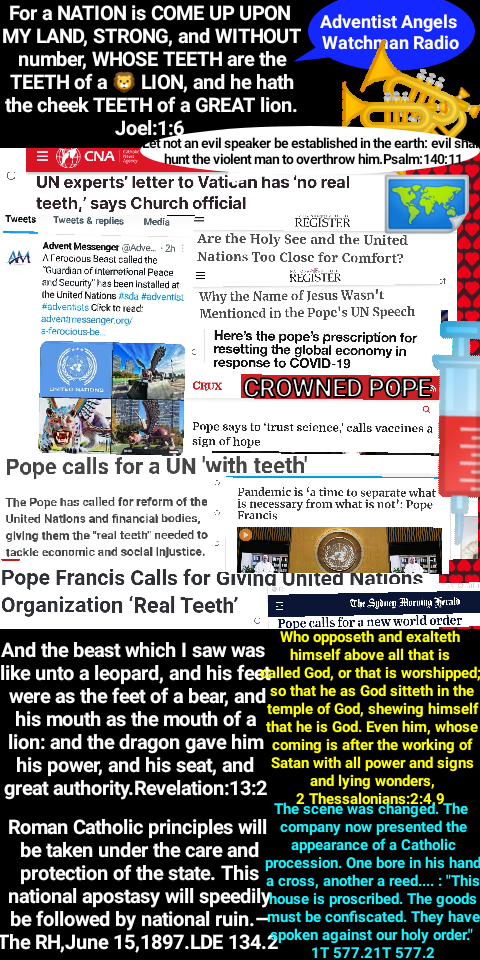
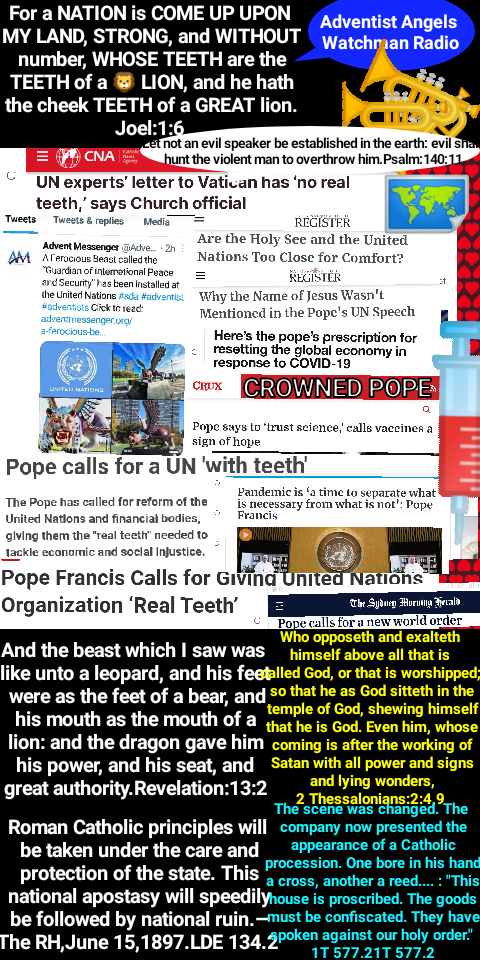
. I gathered up my writings, and we started on our journey. On the way we held two meetings in Orange and had evidence that the church was profited and encouraged. We were ourselves refreshed by the Spirit of the Lord. That night I dreamed that I was in Battle Creek looking out from the side glass at the door and saw a company marching up to the house, two and two. They looked stern and determined. I knew them well and turned to open the parlor door to receive them, but thought I would look again. The scene was changed. The company now presented the appearance of a Catholic procession. One bore in his hand a cross, another a reed. And as they approached, the one carrying a reed made a circle around the house, saying three times: “This house is proscribed. The goods must be confiscated. They have spoken against our holy order.” Terror seized me, and I ran through the house, out of the north door, and found myself in the midst of a company, some of whom I knew, but I dared not speak a word to them for fear of being betrayed. I tried to seek a retired spot where I might weep and pray without meeting eager, inquisitive eyes wherever I turned. I repeated frequently: “If I could only understand this! If they will tell me what I have said or what I have done!”
I wept and prayed much as I saw our goods confiscated. I tried to read sympathy or pity for me in the looks of those around me, and marked the countenances of several whom I thought would speak to me and comfort me if they did not fear that they would be observed by others. I made one attempt to escape from the crowd, but seeing that I was watched, I concealed my intentions. I commenced weeping aloud, and saying: “If they would only tell me what I have done or what I have said!” My husband, who was sleeping in a bed in the same room, heard me weeping aloud and awoke me. My pillow was wet with tears, and a sad depression of spirits was upon me. 1T 577.2 – 1T 578.1
“I followed all the rules,” Veronica said from a quarantine centre where she and her family are confined with hundreds of people in a vast hall.
Veronica is among thousands who have caught COVID in compounds that had been free of the coronavirus and sealed off for weeks.
The cases underscore how difficult it is to stop the spread of the highly transmissible Omicron variant as China clings to its zero-COVID policy, perpetuating a cycle of lockdowns, as well as bafflement, anguish and anger.
Between April 21 and May 2, residents at 4,836 different addresses found themselves in a similar situation, with infections cropping up after weeks in the clear, according to a Reuters examination of Shanghai government data.
On April 30 alone, 471 addresses were recorded as having found at least one case, after registering none at all in the previous 29 days. The number of residents at a given address varied from a handful to hundreds.
Shanghai’s lockdown measures have been extremely strict, especially during the first two weeks of April, with residents allowed out of compounds only for exceptional reasons, such as a medical emergency. Many are not even allowed out of their front doors to mingle with neighbours.
Shanghai’s daily case numbers have come down for six straight days but the thousands of new ones still being found every day drive speculation about how COVID is spreading, debate over the wisdom of the “zero-COVID” policy and fear of infection.
Searching for answers, many residents point to queuing for the all-to frequent PCR tests, or deliveries of food and other items, which all rely on volunteers, property management staff and couriers.
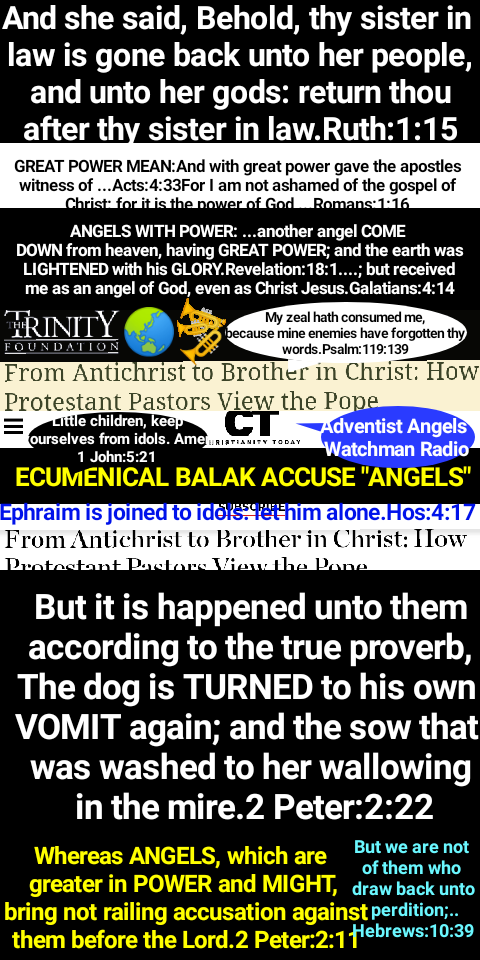
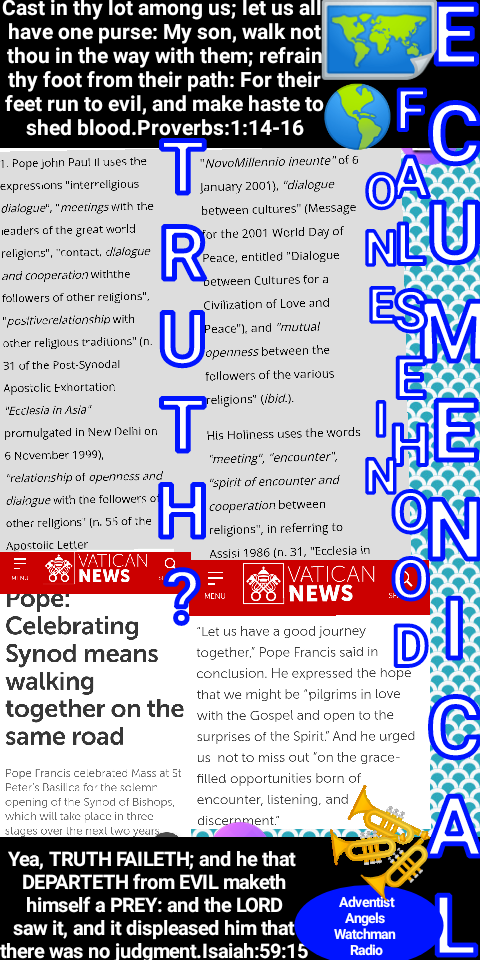
Some people have even begun to refuse PCR tests, bringing penalties for failure to comply.(Yea, truth faileth; and he that departeth from evil maketh himself a prey: and the LORD saw it, and it displeased him that there was no judgment.Isaiah:59:15)
The Shanghai government, asked for comment, referred to remarks on April 14 by city health official Wu Huanyu, who said that infection through the distribution of supplies could not be ruled out, among other possibilities.
Health experts say the relentless spread points to China’s difficulty in sticking to its zero-COVID goal.
“Their zero COVID policy works to a point but then they will keep getting hit hard, especially when they haven’t used that time to get high coverage of their most vulnerable population,” said Paul Hunter, professor of medicine at the University of East Anglia, referring to China’s relatively low rates of vaccination compared with other places.
Jaya Dantas, a public health expert at the Curtin School of Population Health in Australia, said China’s approach had come with high costs, and to stamp out transmission completely would take months.
“They have been effective but really harsh with constant testing which is resource, labour and financially intensive. The mental health impacts on the population are also significant,” she said.
Lockdowns in Shanghai and dozens of other cities have triggered rare public shows of discontent, especially as the persistent emergence of a relatively few infections prolongs the confinement of millions of others.
Each new case has multiple consequences: the COVID positive person and their close contacts must go into quarantine. All neighbours in their building must isolate for 14 days, with the clock resetting every time a new case is found.
Veronica says she has been scarred by the experience.
“Don’t leave your apartment, but I don’t even know if that helps anymore,” she said.
Register
Reporting by Brenda Goh; Additional reporting by Natalie Grover in London Editing by Tony Munroe, Robert Birsel
Our Standards: The Thomson Reuters Trust Principles.
Sustainable Switch
Subscribe to our sustainability newsletter to make sense of the latest ESG trends affecting companies and governments.
Sign up
Daily Briefing
Subscribe to our newsletter to get all the news you need to start your day.
Sign up
Reuters, the news and media division of Thomson Reuters, is the world’s largest multimedia news provider, reaching billions of people worldwide every day. Reuters provides business, financial, national and international news to professionals via desktop terminals, the world’s media organizations, industry events and directly to consumers.
All quotes delayed a minimum of 15 minutes. See here for a complete list of exchanges and delays.
© 2022 Reuters. All rights reserved
A prayerful study of the Bible would show Protestants the real character of the papacy and would cause them to abhor and to shun it; but many are so wise in their own conceit that they feel no need of humbly seeking God that they may be led into the truth. Although priding themselves on their enlightenment, they are ignorant both of the Scriptures and of the power of God. They must have some means of quieting their consciences, and they seek that which is least spiritual and humiliating. What they desire is a method of forgetting God which shall pass as a method of remembering Him. The papacy is well adapted to meet the wants of all these. It is prepared for two classes of mankind, embracing nearly the whole world—those who would be saved by their merits, and those who would be saved in their sins. Here is the secret of its power.
A day of great intellectual darkness has been shown to be favorable to the success of the papacy. It will yet be demonstrated that a day of great intellectual light is equally favorable for its success. In past ages, when men were without God’s word and without the knowledge of the truth, their eyes were blindfolded, and thousands were ensnared, not seeing the net spread for their feet. In this generation there are many whose eyes become dazzled by the glare of human speculations, “science falsely so called;” they discern not the net, and walk into it as readily as if blindfolded. God designed that man’s intellectual powers should be held as a gift from his Maker and should be employed in the service of truth and righteousness; but when pride and ambition are cherished, and men exalt their own theories above the word of God, then intelligence can accomplish greater harm than ignorance. Thus the false science of the present day, which undermines faith in the Bible, will prove as successful in preparing the way for the acceptance of the papacy, with its pleasing forms, as did the withholding of knowledge in opening the way for its aggrandizement in the Dark Ages.
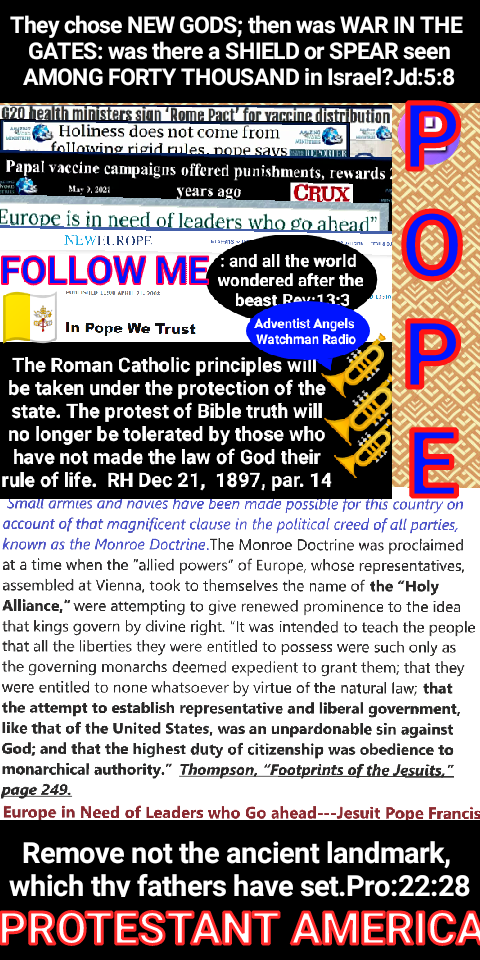
In the movements now in progress in the United States to secure for the institutions and usages of the church the support of the state, Protestants are following in the steps of papists. Nay, more, they are opening the door for the papacy to regain in Protestant America the supremacy which she has lost in the Old World. And that which gives greater significance to this movement is the fact that the principal object contemplated is the enforcement of Sunday observance—a custom which originated with Rome, and which she claims as the sign of her authority. It is the spirit of the papacy—the spirit of conformity to worldly customs, the veneration for human traditions above the commandments of God—that is permeating the Protestant churches and leading them on to do the same work of Sunday exaltation which the papacy has done before them.
If the reader would understand the agencies to be employed in the soon-coming contest, he has but to trace the record of the means which Rome employed for the same object in ages past. If he would know how papists and Protestants united will deal with those who reject their dogmas, let him see the spirit which Rome manifested toward the Sabbath and its defenders.
Royal edicts, general councils, and church ordinances sustained by secular power were the steps by which the pagan festival attained its position of honor in the Christian world. The first public measure enforcing Sunday observance was the law enacted by Constantine. (A.D. 321; see Appendix note for page 53.) This edict required townspeople to rest on “the venerable day of the sun,” but permitted countrymen to continue their agricultural pursuits. Though virtually a heathen statute, it was enforced by the emperor after his nominal acceptance of Christianity.
The royal mandate not proving a sufficient substitute for divine authority, Eusebius, a bishop who sought the favor of princes, and who was the special friend and flatterer of Constantine, advanced the claim that Christ had transferred the Sabbath to Sunday. Not a single testimony of the Scriptures was produced in proof of the new doctrine. Eusebius himself unwittingly acknowledges its falsity and points to the real authors of the change. “All things,” he says, “whatever that it was duty to do on the Sabbath, these we have transferred to the Lord’s Day.”—Robert Cox, Sabbath Laws and Sabbath Duties, page 538. But the Sunday argument, groundless as it was, served to embolden men in trampling upon the Sabbath of the Lord. All who desired to be honored by the world accepted the popular festival.
As the papacy became firmly established, the work of Sunday exaltation was continued. For a time the people engaged in agricultural labor when not attending church, and the seventh day was still regarded as the Sabbath. But steadily a change was effected. Those in holy office were forbidden to pass judgment in any civil controversy on the Sunday. Soon after, all persons, of whatever rank, were commanded to refrain from common labor on pain of a fine for freemen and stripes in the case of servants. Later it was decreed that rich men should be punished with the loss of half of their estates; and finally, that if still obstinate they should be made slaves. The lower classes were to suffer perpetual banishment.
Miracles also were called into requisition. Among other wonders it was reported that as a husbandman who was about to plow his field on Sunday cleaned his plow with an iron, the iron stuck fast in his hand, and for two years he carried it about with him, “to his exceeding great pain and shame.”—Francis West, Historical and Practical Discourse on the Lord’s Day, page 174.
Later the pope gave directions that the parish priest should admonish the violators of Sunday and wish them to go to church and say their prayers, lest they bring some great calamity on themselves and neighbors. An ecclesiastical council brought forward the argument, since so widely employed, even by Protestants, that because persons had been struck by lightning while laboring on Sunday, it must be the Sabbath. “It is apparent,” said the prelates, “how high the displeasure of God was upon their neglect of this day.” An appeal was then made that priests and ministers, kings and princes, and all faithful people “use their utmost endeavors and care that the day be restored to its honor, and, for the credit of Christianity, more devoutly observed for the time to come.”—Thomas Morer, Discourse in Six Dialogues on the Name, Notion, and Observation of the Lord’s Day, page 271.
The decrees of councils proving insufficient, the secular authorities were besought to issue an edict that would strike terror to the hearts of the people and force them to refrain from labor on the Sunday. At a synod held in Rome, all previous decisions were reaffirmed with greater force and solemnity. They were also incorporated into the ecclesiastical law and enforced by the civil authorities throughout nearly all Christendom. (See Heylyn, History of the Sabbath, pt. 2, ch. 5, sec. 7.)
Still the absence of Scriptural authority for Sundaykeeping occasioned no little embarrassment. The people questioned the right of their teachers to set aside the positive declaration of Jehovah, “The seventh day is the Sabbath of the Lord thy God,” in order to honor the day of the sun. To supply the lack of Bible testimony, other expedients were necessary. A zealous advocate of Sunday, who about the close of the twelfth century visited the churches of England, was resisted by faithful witnesses for the truth; and so fruitless were his efforts that he departed from the country for a season and cast about him for some means to enforce his teachings. When he returned, the lack was supplied, and in his after labors he met with greater success. He brought with him a roll purporting to be from God Himself, which contained the needed command for Sunday observance, with awful threats to terrify the disobedient. This precious document—as base a counterfeit as the institution it supported—was said to have fallen from heaven and to have been found in Jerusalem, upon the altar of St. Simeon, in Golgotha. But, in fact, the pontifical palace at Rome was the source whence it proceeded. Frauds and forgeries to advance the power and prosperity of the church have in all ages been esteemed lawful by the papal hierarchy.
The roll forbade labor from the ninth hour, three o’clock, on Saturday afternoon, till sunrise on Monday; and its authority was declared to be confirmed by many miracles. It was reported that persons laboring beyond the appointed hour were stricken with paralysis. A Miller who attempted to grind his corn, saw, instead of flour, a torrent of blood come forth, and the mill wheel stood still, notwithstanding the strong rush of water. A woman who placed dough in the oven found it raw when taken out, though the oven was very hot. Another who had dough prepared for baking at the ninth hour, but determined to set it aside till Monday, found, the next day, that it had been made into loaves and baked by divine power. A man who baked bread after the ninth hour on Saturday found, when he broke it the next morning, that blood started therefrom. By such absurd and superstitious fabrications did the advocates of Sunday endeavor to establish its sacredness. (See Roger de Hoveden, Annals, vol. 2, pp. 526-530.)
In Scotland, as in England, a greater regard for Sunday was secured by uniting with it a portion of the ancient Sabbath. But the time required to be kept holy varied. An edict from the king of Scotland declared that “Saturday from twelve at noon ought to be accounted holy,” and that no man, from that time till Monday morning, should engage in worldly business.—Morer, pages 290, 291.
But notwithstanding all the efforts to establish Sunday sacredness, papists themselves publicly confessed the divine authority of the Sabbath and the human origin of the institution by which it had been supplanted. In the sixteenth century a papal council plainly declared: “Let all Christians remember that the seventh day was consecrated by God, and hath been received and observed, not only by the Jews, but by all others who pretend to worship God; though we Christians have changed their Sabbath into the Lord’s Day.”— Ibid., pages 281, 282. Those who were tampering with the divine law were not ignorant of the character of their work. They were deliberately setting themselves above God.
A striking illustration of Rome’s policy toward those who disagree with her was given in the long and bloody persecution of the Waldenses, some of whom were observers of the Sabbath. Others suffered in a similar manner for their fidelity to the fourth commandment. The history of the churches of Ethiopia and Abyssinia is especially significant. Amid the gloom of the Dark Ages, the Christians of Central Africa were lost sight of and forgotten by the world, and for many centuries they enjoyed freedom in the exercise of their faith. But at last Rome learned of their existence, and the emperor of Abyssinia was soon beguiled into an acknowledgment of the pope as the vicar of Christ. Other concessions followed. An edict was issued forbidding the observance of the Sabbath under the severest penalties. (See Michael Geddes, Church History of Ethiopia, pages 311, 312.) But papal tyranny soon became a yoke so galling that the Abyssinians determined to break it from their necks. After a terrible struggle the Romanists were banished from their dominions, and the ancient faith was restored. The churches rejoiced in their freedom, and they never forgot the lesson they had learned concerning the deception, the fanaticism, and the despotic power of Rome. Within their solitary realm they were content to remain, unknown to the rest of Christendom.
The churches of Africa held the Sabbath as it was held by the papal church before her complete apostasy. While they kept the seventh day in obedience to the commandment of God, they abstained from labor on the Sunday in conformity to the custom of the church. Upon obtaining supreme power, Rome had trampled upon the Sabbath of God to exalt her own; but the churches of Africa, hidden for nearly a thousand years, did not share in this apostasy. When brought under the sway of Rome, they were forced to set aside the true and exalt the false sabbath; but no sooner had they regained their independence than they returned to obedience to the fourth commandment. (See Appendix.)
These records of the past clearly reveal the enmity of Rome toward the true Sabbath and its defenders, and the means which she employs to honor the institution of her creating. The word of God teaches that these scenes are to be repeated as Roman Catholics and Protestants shall unite for the exaltation of the Sunday.
The prophecy of Revelation 13 declares that the power represented by the beast with lamblike horns shall cause “the earth and them which dwell therein” to worship the papacy—there symbolized by the beast “like unto a leopard.” The beast with two horns is also to say “to them that dwell on the earth, that they should make an image to the beast;” and, furthermore, it is to command all, “both small and great, rich and poor, free and bond,” to receive the mark of the beast. Revelation 13:11-16. It has been shown that the United States is the power represented by the beast with lamblike horns, and that this prophecy will be fulfilled when the United States shall enforce Sunday observance, which Rome claims as the special acknowledgment of her supremacy. But in this homage to the papacy the United States will not be alone. The influence of Rome in the countries that once acknowledged her dominion is still far from being destroyed. And prophecy foretells a restoration of her power. “I saw one of his heads as it were wounded to death; and his deadly wound was healed: and all the world wondered after the beast.” Verse 3. The infliction of the deadly wound points to the downfall of the papacy in 1798. After this, says the prophet, “his deadly wound was healed: and all the world wondered after the beast.” Paul states plainly that the “man of sin” will continue until the second advent. 2 Thessalonians 2:3-8. To the very close of time he will carry forward the work of deception. And the revelator declares, also referring to the papacy: “All that dwell upon the earth shall worship him, whose names are not written in the book of life.” Revelation 13:8. In both the Old and the New World, the papacy will receive homage in the honor paid to the Sunday institution, that rests solely upon the authority of the Roman Church.
Since the middle of the nineteenth century, students of prophecy in the United States have presented this testimony to the world. In the events now taking place is seen a rapid advance toward the fulfillment of the prediction. With Protestant teachers there is the same claim of divine authority for Sundaykeeping, and the same lack of Scriptural evidence, as with the papal leaders who fabricated miracles to supply the place of a command from God. The assertion that God’s judgments are visited upon men for their violation of the Sunday-sabbath, will be repeated; already it is beginning to be urged. And a movement to enforce Sunday observance is fast gaining ground.
Marvelous in her shrewdness and cunning is the Roman Church. She can read what is to be. She bides her time, seeing that the Protestant churches are paying her homage in their acceptance of the false sabbath and that they are preparing to enforce it by the very means which she herself employed in bygone days. Those who reject the light of truth will yet seek the aid of this self-styled infallible power to exalt an institution that originated with her. How readily she will come to the help of Protestants in this work it is not difficult to conjecture. Who understands better than the papal leaders how to deal with those who are disobedient to the church?
The Roman Catholic Church, with all its ramifications throughout the world, forms one vast organization under the control, and designed to serve the interests, of the papal see. Its millions of communicants, in every country on the globe, are instructed to hold themselves as bound in allegiance to the pope. Whatever their nationality or their government, they are to regard the authority of the church as above all other. Though they may take the oath pledging their loyalty to the state, yet back of this lies the vow of obedience to Rome, absolving them from every pledge inimical to her interests.
History testifies of her artful and persistent efforts to insinuate herself into the affairs of nations; and having gained a foothold, to further her own aims, even at the ruin of princes and people. In the year 1204, Pope Innocent III extracted from Peter II, king of Arragon, the following extraordinary oath: “I, Peter, king of Arragonians, profess and promise to be ever faithful and obedient to my lord, Pope Innocent, to his Catholic successors, and the Roman Church, and faithfully to preserve my kingdom in his obedience, defending the Catholic faith, and persecuting heretical pravity.”—John Dowling, The History of Romanism, b. 5, ch. 6, sec. 55. This is in harmony with the claims regarding the power of the Roman pontiff “that it is lawful for him to depose emperors” and “that he can absolve subjects from their allegiance to unrighteous rulers.”—Mosheim, b. 3, cent. 11, pt. 2, ch. 2, sec. 9, note 17. (See also Appendix note for page 447.)
And let it be remembered, it is the boast of Rome that she never changes. The principles of Gregory VII and Innocent III are still the principles of the Roman Catholic Church. And had she but the power, she would put them in practice with as much vigor now as in past centuries. Protestants little know what they are doing when they propose to accept the aid of Rome in the work of Sunday exaltation. While they are bent upon the accomplishment of their purpose, Rome is aiming to re-establish her power, to recover her lost supremacy. Let the principle once be established in the United States that the church may employ or control the power of the state; that religious observances may be enforced by secular laws; in short, that the authority of church and state is to dominate the conscience, and the triumph of Rome in this country is assured.
God’s word has given warning of the impending danger; let this be unheeded, and the Protestant world will learn what the purposes of Rome really are, only when it is too late to escape the snare. She is silently growing into power. Her doctrines are exerting their influence in legislative halls, in the churches, and in the hearts of men. She is piling up her lofty and massive structures in the secret recesses of which her former persecutions will be repeated. Stealthily and unsuspectedly she is strengthening her forces to further her own ends when the time shall come for her to strike. All that she desires is vantage ground, and this is already being given her. We shall soon see and shall feel what the purpose of the Roman element is. Whoever shall believe and obey the word of God will thereby incur reproach and persecution. GC 572.2 – GC 581.2
MICHAEL FARRELL-ROSEN | MAY 2, 2022Source: DSA International Committee
The Democratic Socialists of America (DSA) released a statement in February directly addressing the Russian invasion of Ukraine, calling the attack an “extreme and asymmetrical escalation” but opposing “other forms of military or economic brinkmanship,” which would include sanctions on Russia. The organization blamed the conflict on the United States and its membership in NATO, declaring that the “DSA reaffirms our call for the United States to withdraw from NATO and to end the imperialist expansionism that set the stage for this conflict.” When commenting on the situation, Senior Fellow Ted Galen Carpenter at the libertarian Cato Institute affirmed that, “It was entirely predictable that NATO expansion would ultimately lead to a tragic, perhaps violent, breach of relations with Moscow.” The responses from the DSA and Carpenter reflect a trend in rhetoric from some purported “anti-imperialist” organizations wherein true anti-imperialism is conflated with a bastardized anti-American imperialism. This line of thinking lacks the imagination to center any power but the United States in international conflicts. An examination of recent history demonstrates that Russia’s invasion of Ukraine should be viewed as an imperialist endeavor in its own right, and not as a consequence of American foreign policy.
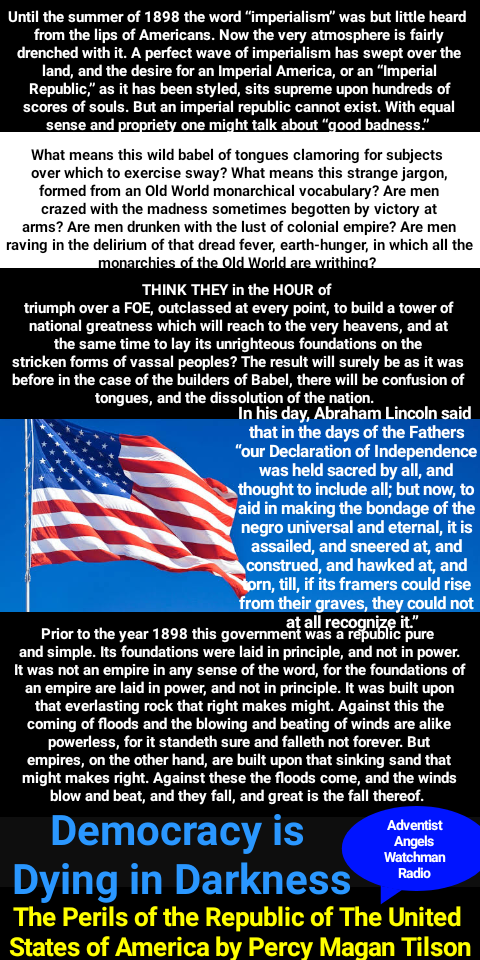
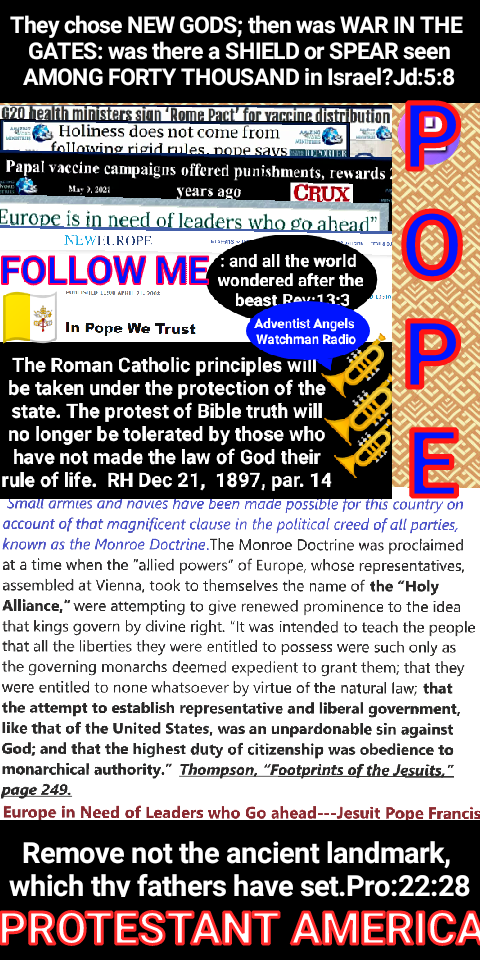
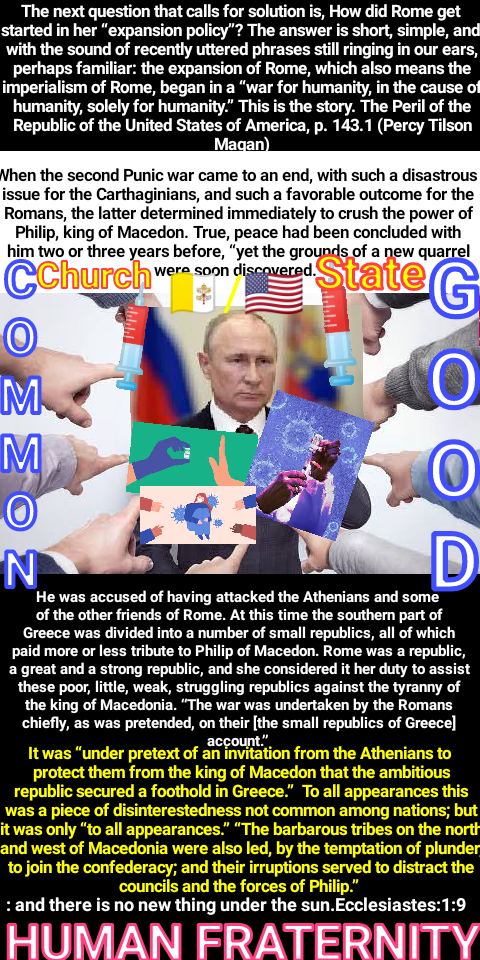
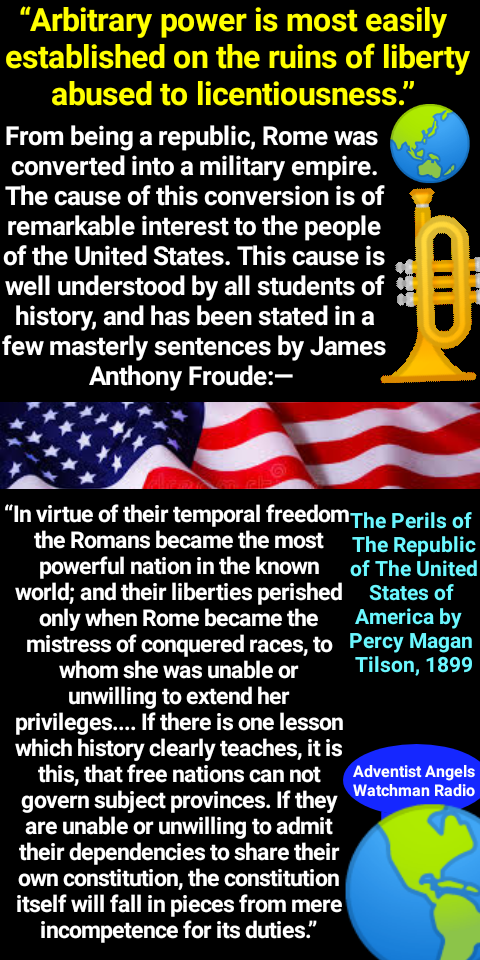
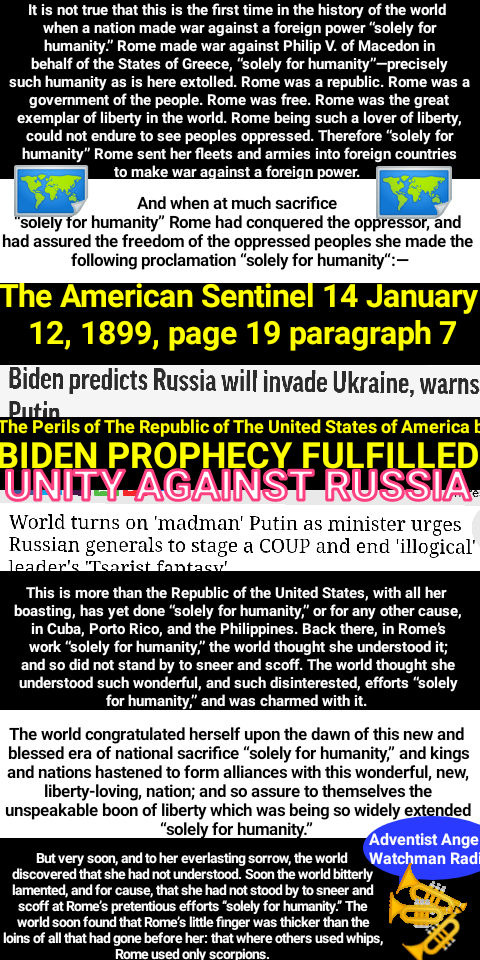
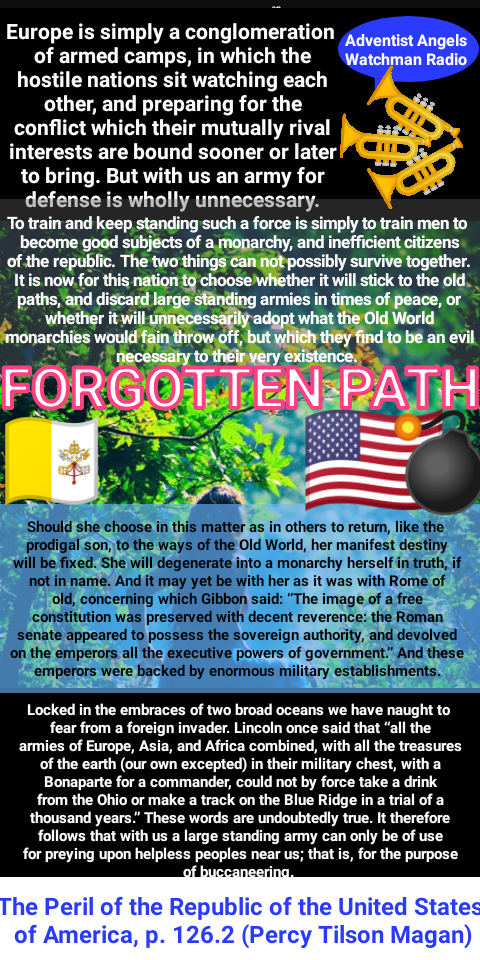
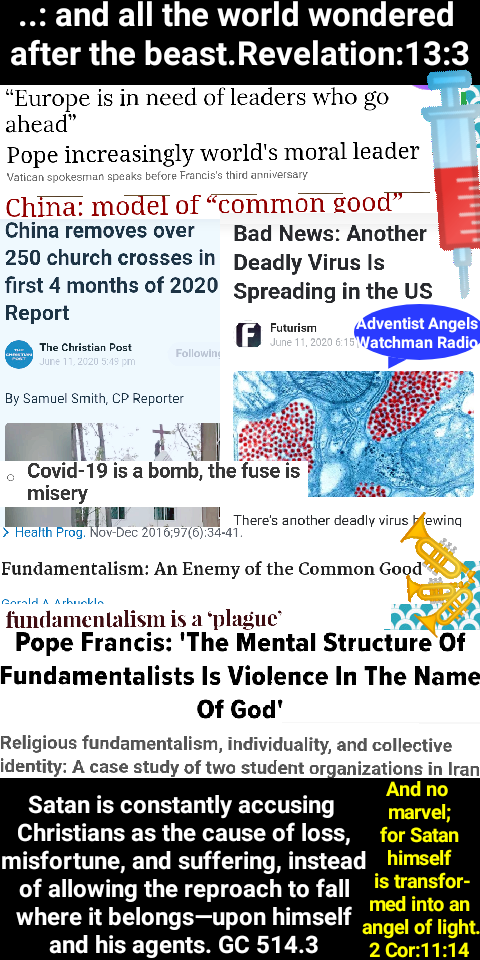
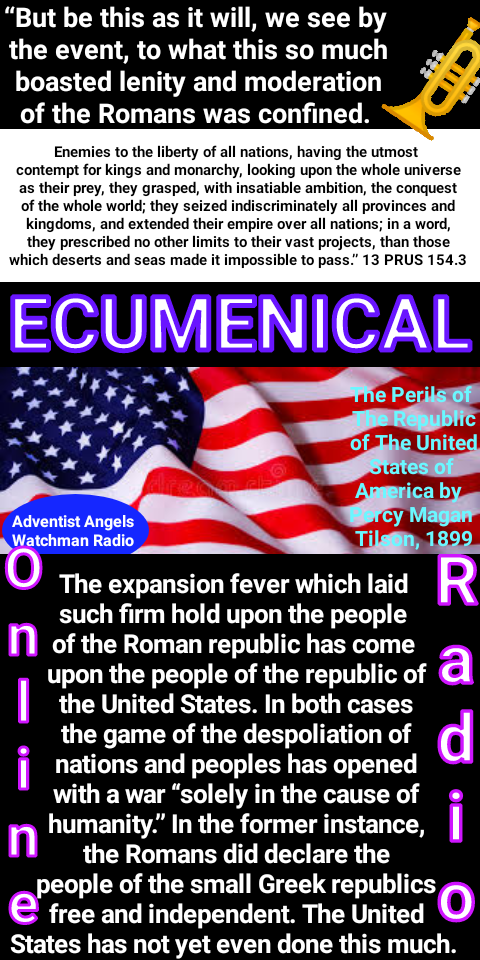
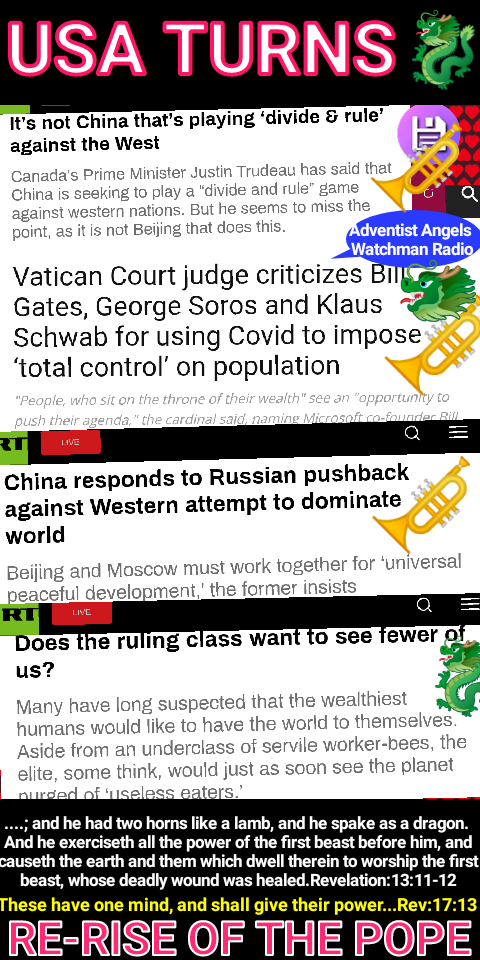
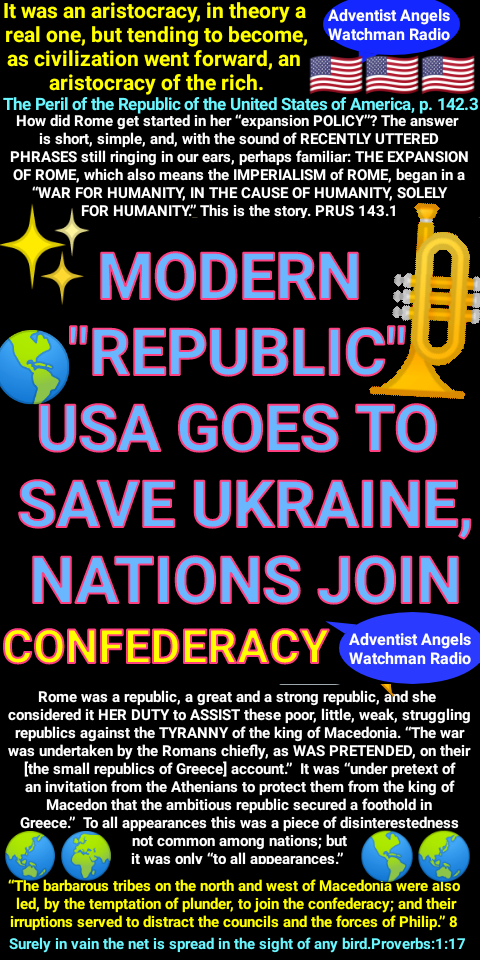
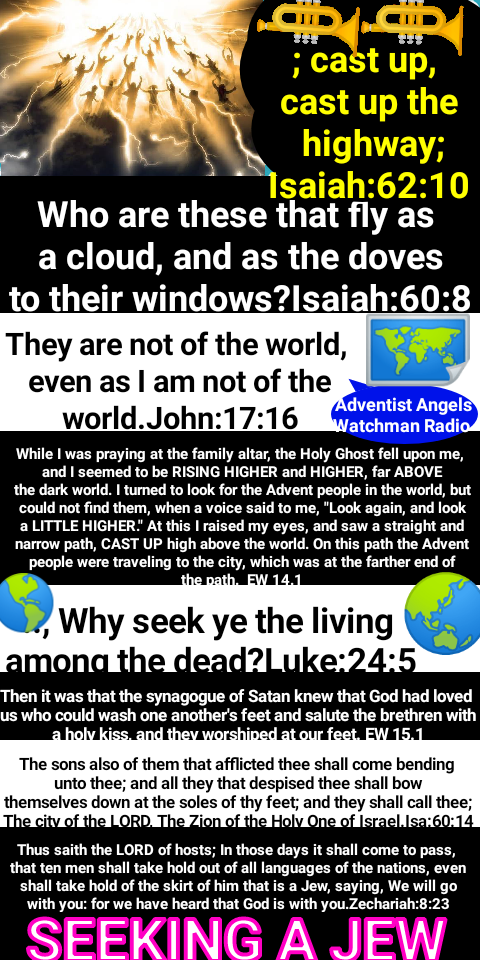






When the DSA criticizes NATO “imperialism,” the organization is in part referring to the organization’s expansion in the past 30 years. In 1999, the Czech Republic, Hungary, and Poland became the first states formerly in the Soviet sphere of influence to join the organization. In 2004, Bulgaria, Estonia, Lithuania, Latvia, Romania, Slovakia, and Slovenia also became members. The aforementioned commentary from the Cato Institute points to the addition of these countries as the impetus for the Russian invasion in Ukraine. The article cites an admission by former President Bill Clinton’s Secretary of State Madeleine Albright: “[Russian President Boris] Yeltsin and his countrymen were strongly opposed to enlargement, seeing it as a strategy for exploiting their vulnerability and moving Europe’s dividing line to the east, leaving them isolated.” The DSA and Carpenter view Russia’s aggression in Ukraine as a logical redress to NATO’s eastward encroachment. Albright’s claim is their smoking gun showing that the United States was cognizant of Russian fears but continued its “imperialist” ambitions in admitting more and more Eastern European countries to the consortium.
These “anti-American imperialist” analyses deny agency to the states that have joined NATO in the past two decades. A Dissent magazine article by Gregory Afinogenov summarizes it best: “The truth is, NATO has no more devoted accomplice than Vladimir Putin.” The treaty’s swelling membership is a result of imperialism––Russian imperialism––rather than an example of it. To that point, for the first time ever, a majority of Finns favor their country joining NATO following the invasion of Ukraine. To argue that the admission of these European countries to the treaty constitutes imperialism ignores the opinions of the polity in those states. The history of support for NATO in Estonia, the northernmost Baltic state, situated between Russia and the rest of Europe, exemplifies this. In March 2002, a poll found that 65 percent of Estonians supported joining NATO. A 2018 Pew Research report found “NATO is generally seen in a positive light across publics within the alliance, despite lingering tensions between the leaders of individual member countries.” NATO might actually be most popular in the former Warsaw Pact states closest to modern Russia. Emphasis on the treaty and the United States by the DSA and Carpenter effectively ignores this popular support in the expansion countries, as well as when and why they joined. Each instance of Russian aggression––or more accurately, Russian imperialism––pushes European states closer to NATO and the United States.
“”
The expansion of NATO may align with some form of US imperialism, yet the countries of Europe, including Ukraine, have agency in determining their geopolitical positioning.[/pullqoute]
There are also economic reasons that former Warsaw Pact countries are looking west instead of towards Russia. The United States, Canada, and the states of Western Europe are some of the wealthiest places in the contemporary world. It should come as no surprise that the citizens of Poland and Ukraine find the prosperous, liberal democracies of NATO more appealing than a Russia still recovering from the end of the Cold War and the 1998 Russian Financial Crisis. Following the collapse of the Soviet Union in 1990, the Gross Domestic Product (GDP) per capita of Ukraine stood at $7,600, higher than Poland’s $6,100. By 2020, Poland’s had reached $34,200, while Ukraine’s had only risen to $13,100. Poland’s greater integration with the liberal West, including NATO and the United States, has resulted in better outcomes for its citizens.
This context exposes the inaccuracy in calling the United States and NATO the effective aggressors in the Russia-Ukraine conflict, as the DSA and Carpenter’s analyses imply. The expansion of NATO may align with some form of US imperialism, yet the countries of Europe, including Ukraine, have agency in determining their geopolitical positioning. Moreover, the real imperialistic threat is not the United States, but Russia. Afinogenov writes in Dissent, “For Putin, resisting NATO is in fact secondary to the larger goal of reuniting Russians, Belarusians, and Ukrainians under Russian rule—or, failing that, at least ensuring that Russian speakers across the former Soviet Union are either in a secure alliance bloc with Russia…or are governed by it directly.” Russia has framed its aggression in an explicitly nationalistic manner that denies Ukraine’s sovereignty. This can only be described as imperialistic.
It is disappointing that some of the strongest voices opposing American imperialism in all its excesses––in Libya, Iraq, and so on––are so blinded by their conception of American hegemony that they cannot identify Russia as the most pressing global threat. Anti-imperialist voices are those most likely to deny American exceptionalism when it is used as a cudgel to invade and control sovereign nations. The DSA and Carpenter’s views are simply an inversion of that same exceptionalism, where the facile characterization of the United States as the “good guy” (and the only good guy) is replaced by the opposite: a narrow conception of a single “bad guy.” In reality, the nuances of geopolitics require a more sophisticated analysis, where imperialism can exist outside of American foreign policy.
4 May, 2022 05:38
The senior US lawmaker said the West must not be deterred by Russian ‘threats’
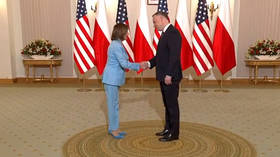
US House Speaker Nancy Pelosi meets with Polish President Andrzej Duda in Warsaw, Poland, May 2, 2022. © Polish President Andrzej Duda / Facebook
US House Speaker Nancy Pelosi has demanded the “strongest possible” retaliation to Russia’s attack on Ukraine following meetings with officials in Warsaw and Kiev.
In comments after a sit-down with Polish President Andrzej Duda on Monday, Pelosi said Washington and its allies must escalate their efforts against Moscow, calling for the “strongest possible military response” and “the strongest sanctions” in order to “make the case that this is not tolerable.”
“We shouldn’t do anything less because of a threat from Russia,” she continued, arguing that it had “already delivered” on that threat by attacking its neighbor.
The House speaker also noted that the US delegation “discussed the centrality of the US-Poland partnership in delivering security, economic and humanitarian aid to Ukraine,” as well as “the importance of bolstering the NATO alliance.”
READ MORE Pelosi makes surprise visit to Kiev
Both nations have devoted significant amounts of military gear and other assistance to Ukraine’s war effort, with Washington spending tens of billions to furnish the country with heavy artillery, drones, helicopters, armored vehicles, ammunition, and small arms, among other weapons. Western nations have also embarked on a heavy sanctions campaign seeking to “isolate” and “cripple” the Russian economy in response to the military operation.
In his own statement following the meeting, President Duda said the two sides also discussed how to further strengthen NATO’s “eastern flank,” after several US deployments pushed troop levels in Europe beyond 140,000, many stationed in the east.
Warsaw has made a number of major security proposals for both itself and Ukraine in recent weeks, calling on the United States to facilitate the transfer of warplanes to Kiev, as well as for US troop and even nuclear deployments on Polish soil. Russian officials have repeatedly urged against additional arms deliveries to Ukraine, and have warned that the stationing of nuclear weapons in Poland would trigger a response in kind from Moscow.
Pelosi’s visit to Poland followed a ‘surprise’ stop in Kiev last weekend, where she and fellow US lawmakers met with Ukrainian President Volodymyr Zelensky and other top officials. In a statement after that trip, Pelosi declared that “America stands firmly with Ukraine” and will “be there for you until the fight is done.”
You can share this story on social media:

Trends:Nancy PelosiPolandRussiaUkraine
From Around the World
New Book Packed With Evidence on Hushed COVID-19 Treatments
How COVID Vaccines Can Cause Blood Clots and More
Beijing Revives Its Coup Against the King of Eswatini

And it came to pass, when THE TIME was COME that he should be RECEIVED UP, he stedfastly SET HIS FACE TO GO TO JERUSALEM,
Luke:9:51
Many would stone me, as the congregation bade stone Caleb and Joshua for their report. (Numbers 14:10.) But I declare to you, my brethren and sisters in the Lord, it is a goodly land, and we are well able to go up and possess it.
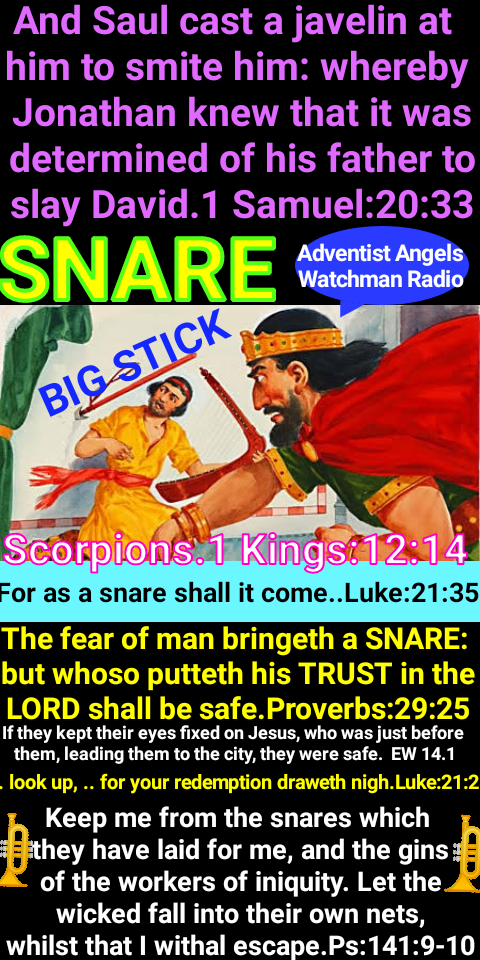
While I was praying at the family altar, the Holy Ghost fell upon me, and I seemed to be rising higher and higher, far above the dark world. I turned to look for the Advent people in the world, but could not find them, when a voice said to me, “Look again, and look a little higher.” At this I raised my eyes, and saw a straight and narrow path, cast up high above the world. On this path the Advent people were traveling to the city, which was at the farther end of the path. They had a bright light set up behind them at the beginning of the path, which an angel told me was the midnight cry. This light shone all along the path and gave light for their feet so that they might not stumble. If they kept their eyes fixed on Jesus, who was just before them, leading them to the city, they were safe. But soon some grew weary, and said the city was a great way off, and they expected to have entered it before. Then Jesus would encourage them by raising His glorious right arm, and from His arm came a light which waved over the Advent band, and they shouted, “Alleluia!” Others rashly denied the light behind them and said that it was not God that had led them out so far. The light behind them went out, leaving their feet in perfect darkness, and they stumbled and lost sight of the mark and of Jesus, and fell off the path down into the dark and wicked world below. Soon we See Appendix. heard the voice of God like many waters, which gave us the day and hour of Jesus’ coming. The living saints, 144,000 in number, knew and understood the voice, while the wicked thought it was thunder and an earthquake. When God spoke the time, He poured upon us the Holy Ghost, and our faces began to light up and shine with the glory of God, as Moses’ did when he came down from Mount Sinai.
The 144,000 were all sealed and perfectly united. On their foreheads was written, God, New Jerusalem, and a glorious star containing Jesus’ new name. At our happy, holy state the wicked were enraged, and would rush violently up to lay hands on us to thrust us into prison, when we would stretch forth the hand in the name of the Lord, and they would fall helpless to the ground. Then it was that the synagogue of Satan knew that God had loved us who could wash one another’s feet and salute the brethren with a holy kiss, and they worshiped at our feet. EW 13.3 – EW 15.1
The nations shall rush like the rushing of many waters: but God shall rebuke them, and they shall flee far off, and shall be chased as the chaff of the mountains before the wind, and like a rolling thing before the whirlwind. And behold at eveningtide trouble; and before the morning he is not. This is the portion of them that spoil us, and the lot of them that rob us.
Isaiah:17:13-14
Who hath believed our report? and to whom is the arm of the LORD revealed? He is despised and rejected of men; a man of sorrows, and acquainted with grief: and we hid as it were our faces from him; he was despised, and we esteemed him not. All we like sheep have gone astray; we have turned every one to his own way; and the LORD hath laid on him the iniquity of us all.
Isaiah:53:1,3,6
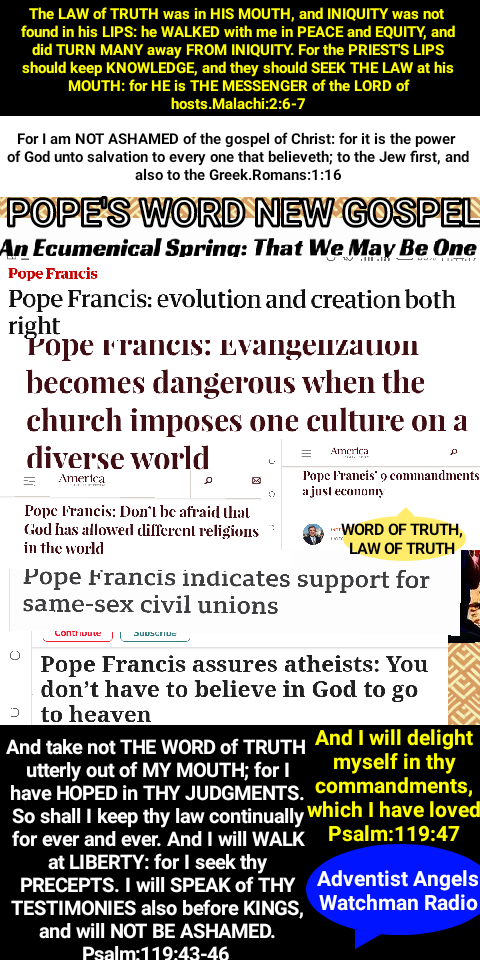
Pope’s Science and Sunday Undermines Bible Faith Once Delivered To Saints: Closed, open or restricted shopping, What’s the deal with Sunday opening in France? https://kingosiemo.wordpress.com/2022/05/04/popes-science-and-sunday-undermines-bible-faith-once-delivered-to-saints-closed-open-or-restricted-shopping-whats-the-deal-with-sunday-opening-in-france/

Romanism is now regarded by Protestants with far greater favor than in former years. In those countries where Catholicism is not in the ascendancy, and the papists are taking a conciliatory course in order to gain influence, there is an increasing indifference concerning the doctrines that separate the reformed churches from the papal hierarchy; the opinion is gaining ground that, after all, we do not differ so widely upon vital points as has been supposed, and that a little concession on our part will bring us into a better understanding with Rome. The time was when Protestants placed a high value upon the liberty of conscience which had been so dearly purchased. They taught their children to abhor popery and held that to seek harmony with Rome would be disloyalty to God. But how widely different are the sentiments now expressed!
The defenders of the papacy declare that the church has been maligned, and the Protestant world are inclined to accept the statement. Many urge that it is unjust to judge the church of today by the abominations and absurdities that marked her reign during the centuries of ignorance and darkness. They excuse her horrible cruelty as the result of the barbarism of the times and plead that the influence of modern civilization has changed her sentiments.
Have these persons forgotten the claim of infallibility put forth for eight hundred years by this haughty power? So far from being relinquished, this claim was affirmed in the nineteenth century with greater positiveness than ever before. As Rome asserts that the “church never erred; nor will it, according to the Scriptures, ever err ” (John L. von Mosheim, Institutes of Ecclesiastical History, book 3, century II, part 2, chapter 2, section 9, note 17), how can she renounce the principles which governed her course in past ages?
The papal church will never relinquish her claim to infallibility. All that she has done in her persecution of those who reject her dogmas she holds to be right; and would she not repeat the same acts, should the opportunity be presented? Let the restraints now imposed by secular governments be removed and Rome be reinstated in her former power, and there would speedily be a revival of her tyranny and persecution.
A well-known writer speaks thus of the attitude of the papal hierarchy as regards freedom of conscience, and of the perils which especially threaten the United States from the success of her policy:
“There are many who are disposed to attribute any fear of Roman Catholicism in the United States to bigotry or childishness. Such see nothing in the character and attitude of Romanism that is hostile to our free institutions, or find nothing portentous in its growth. Let us, then, first compare some of the fundamental principles of our government with those of the Catholic Church.
“The Constitution of the United States guarantees liberty of conscience . Nothing is dearer or more fundamental. Pope Pius IX, in his Encyclical Letter of August 15, 1854, said: `The absurd and erroneous doctrines or ravings in defense of liberty of conscience are a most pestilential error—a pest, of all others, most to be dreaded in a state.’ The same pope, in his Encyclical Letter of December 8, 1864, anathematized `those who assert the liberty of conscience and of religious worship,’ also ‘all such as maintain that the church may not employ force.’
“The pacific tone of Rome in the United States does not imply a change of heart. She is tolerant where she is helpless. Says Bishop O’Connor: ‘Religious liberty is merely endured until the opposite can be carried into effect without peril to the Catholic world.’… The archbishop of St. Louis once said: ‘Heresy and unbelief are crimes; and in Christian countries, as in Italy and Spain, for instance, where all the people are Catholics, and where the Catholic religion is an essential part of the law of the land, they are punished as other crimes.’…
“Every cardinal, archbishop, and bishop in the Catholic Church takes an oath of allegiance to the pope, in which occur the following words: ‘Heretics, schismatics, and rebels to our said lord (the pope), or his aforesaid successors, I will to my utmost persecute and oppose.'”—Josiah Strong, Our Country, ch. 5, pars. 2-4. See Appendix for Corrected References. GC 563.1 – GC 565.2
Different parts of France have a very different Sunday experience, but there are still plenty of places where everything closes on a Sunday.
Published: 3 May 2022 13:45 CEST
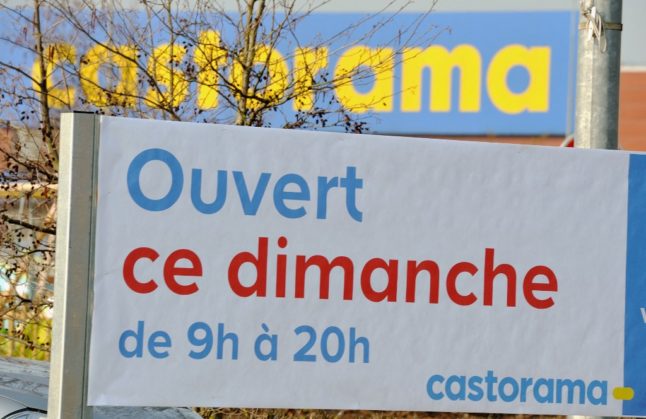
Sunday opening is becoming more common in France. Photo by Philippe HUGUEN / AFP
Readers of a certain age will probably remember long, boring Sundays when everything closed down and you had to make your own entertainment – and in some parts of France that is still the case.
But your Sunday experience in France will differ quite markedly depending on where you are.
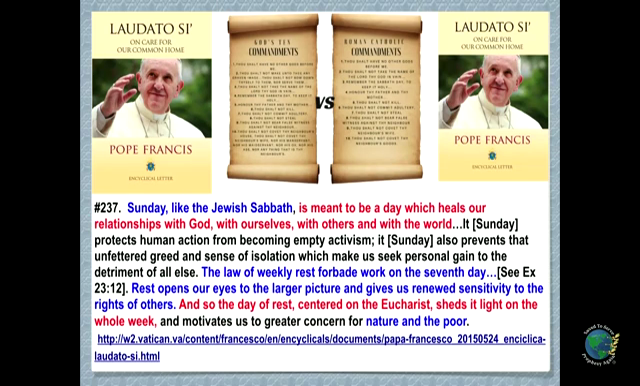
In big cities you will have no problem finding shops that are open on a Sunday.
You will, however, notice that many small and independent businesses are closed on a Sunday while others – particularly boulangeries and florists – are only open in the morning. This is to allow French families to pick up bread and a delicious pâtisserie tart for lunch en famille, as well as a gift of flowers or a plant for the hostess if they are lunching out.
Offices, including government offices and post offices, will close on a Sunday, while many public spaces such as leisure centres, museums and parks will have different opening times on Sundays.
In the movements now in progress in the United States to secure for the institutions and usages of the church the support of the state, Protestants are following in the steps of papists. Nay, more, they are opening the door for the papacy to regain in Protestant America the supremacy which she has lost in the Old World. And that which gives greater significance to this movement is the fact that the principal object contemplated is the enforcement of Sunday observance—a custom which originated with Rome, and which she claims as the sign of her authority. It is the spirit of the papacy—the spirit of conformity to worldly customs, the veneration for human traditions above the commandments of God—that is permeating the Protestant churches and leading them on to do the same work of Sunday exaltation which the papacy has done before them.
If the reader would understand the agencies to be employed in the soon-coming contest, he has but to trace the record of the means which Rome employed for the same object in ages past. If he would know how papists and Protestants united will deal with those who reject their dogmas, let him see the spirit which Rome manifested toward the Sabbath and its defenders.
Royal edicts, general councils, and church ordinances sustained by secular power were the steps by which the pagan festival attained its position of honor in the Christian world. The first public measure enforcing Sunday observance was the law enacted by Constantine. (A.D. 321; see Appendix note for page 53.) This edict required townspeople to rest on “the venerable day of the sun,” but permitted countrymen to continue their agricultural pursuits. Though virtually a heathen statute, it was enforced by the emperor after his nominal acceptance of Christianity.
The royal mandate not proving a sufficient substitute for divine authority, Eusebius, a bishop who sought the favor of princes, and who was the special friend and flatterer of Constantine, advanced the claim that Christ had transferred the Sabbath to Sunday. Not a single testimony of the Scriptures was produced in proof of the new doctrine. Eusebius himself unwittingly acknowledges its falsity and points to the real authors of the change. “All things,” he says, “whatever that it was duty to do on the Sabbath, these we have transferred to the Lord’s Day.”—Robert Cox, Sabbath Laws and Sabbath Duties, page 538. But the Sunday argument, groundless as it was, served to embolden men in trampling upon the Sabbath of the Lord. All who desired to be honored by the world accepted the popular festival.
As the papacy became firmly established, the work of Sunday exaltation was continued. For a time the people engaged in agricultural labor when not attending church, and the seventh day was still regarded as the Sabbath. But steadily a change was effected. Those in holy office were forbidden to pass judgment in any civil controversy on the Sunday. Soon after, all persons, of whatever rank, were commanded to refrain from common labor on pain of a fine for freemen and stripes in the case of servants. Later it was decreed that rich men should be punished with the loss of half of their estates; and finally, that if still obstinate they should be made slaves. The lower classes were to suffer perpetual banishment.
Miracles also were called into requisition. Among other wonders it was reported that as a husbandman who was about to plow his field on Sunday cleaned his plow with an iron, the iron stuck fast in his hand, and for two years he carried it about with him, “to his exceeding great pain and shame.”—Francis West, Historical and Practical Discourse on the Lord’s Day, page 174. GC 573.1 – GC 575.1
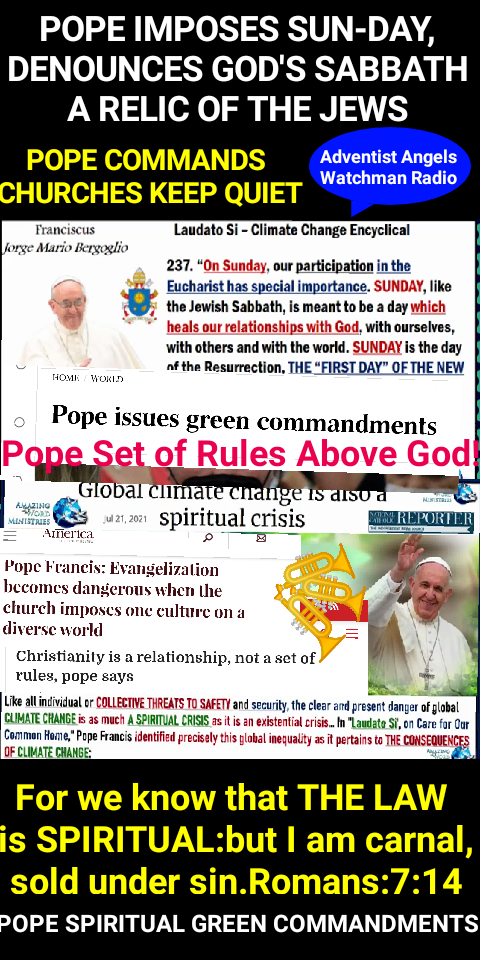
Frauds and forgeries to advance the power and prosperity of the church have in all ages been esteemed lawful by the papal hierarchy.
The roll forbade labor from the ninth hour, three o’clock, on Saturday afternoon, till sunrise on Monday; and its authority was declared to be confirmed by many miracles. It was reported that persons laboring beyond the appointed hour were stricken with paralysis. A Miller who attempted to grind his corn, saw, instead of flour, a torrent of blood come forth, and the mill wheel stood still, notwithstanding the strong rush of water. A woman who placed dough in the oven found it raw when taken out, though the oven was very hot. Another who had dough prepared for baking at the ninth hour, but determined to set it aside till Monday, found, the next day, that it had been made into loaves and baked by divine power. A man who baked bread after the ninth hour on Saturday found, when he broke it the next morning, that blood started therefrom. By such absurd and superstitious fabrications did the advocates of Sunday endeavor to establish its sacredness. (See Roger de Hoveden, Annals, vol. 2, pp. 526-530.)
In Scotland, as in England, a greater regard for Sunday was secured by uniting with it a portion of the ancient Sabbath. But the time required to be kept holy varied. An edict from the king of Scotland declared that “Saturday from twelve at noon ought to be accounted holy,” and that no man, from that time till Monday morning, should engage in worldly business.—Morer, pages 290, 291.
But notwithstanding all the efforts to establish Sunday sacredness, papists themselves publicly confessed the divine authority of the Sabbath and the human origin of the institution by which it had been supplanted. In the sixteenth century a papal council plainly declared: “Let all Christians remember that the seventh day was consecrated by God, and hath been received and observed, not only by the Jews, but by all others who pretend to worship God; though we Christians have changed their Sabbath into the Lord’s Day.”— Ibid., pages 281, 282. Those who were tampering with the divine law were not ignorant of the character of their work. They were deliberately setting themselves above God.
A striking illustration of Rome’s policy toward those who disagree with her was given in the long and bloody persecution of the Waldenses, some of whom were observers of the Sabbath. Others suffered in a similar manner for their fidelity to the fourth commandment. The history of the churches of Ethiopia and Abyssinia is especially significant. Amid the gloom of the Dark Ages, the Christians of Central Africa were lost sight of and forgotten by the world, and for many centuries they enjoyed freedom in the exercise of their faith. But at last Rome learned of their existence, and the emperor of Abyssinia was soon beguiled into an acknowledgment of the pope as the vicar of Christ. Other concessions followed. An edict was issued forbidding the observance of the Sabbath under the severest penalties. (See Michael Geddes, Church History of Ethiopia, pages 311, 312.) But papal tyranny soon became a yoke so galling that the Abyssinians determined to break it from their necks. After a terrible struggle the Romanists were banished from their dominions, and the ancient faith was restored. The churches rejoiced in their freedom, and they never forgot the lesson they had learned concerning the deception, the fanaticism, and the despotic power of Rome. Within their solitary realm they were content to remain, unknown to the rest of Christendom.
The churches of Africa held the Sabbath as it was held by the papal church before her complete apostasy. While they kept the seventh day in obedience to the commandment of God, they abstained from labor on the Sunday in conformity to the custom of the church. Upon obtaining supreme power, Rome had trampled upon the Sabbath of God to exalt her own; but the churches of Africa, hidden for nearly a thousand years, did not share in this apostasy. When brought under the sway of Rome, they were forced to set aside the true and exalt the false sabbath; but no sooner had they regained their independence than they returned to obedience to the fourth commandment. (See Appendix.)
These records of the past clearly reveal the enmity of Rome toward the true Sabbath and its defenders, and the means which she employs to honor the institution of her creating. The word of God teaches that these scenes are to be repeated as Roman Catholics and Protestants shall unite for the exaltation of the Sunday.
The prophecy of Revelation 13 declares that the power represented by the beast with lamblike horns shall cause “the earth and them which dwell therein” to worship the papacy—there symbolized by the beast “like unto a leopard.” The beast with two horns is also to say “to them that dwell on the earth, that they should make an image to the beast;” and, furthermore, it is to command all, “both small and great, rich and poor, free and bond,” to receive the mark of the beast. Revelation 13:11-16. It has been shown that the United States is the power represented by the beast with lamblike horns, and that this prophecy will be fulfilled when the United States shall enforce Sunday observance, which Rome claims as the special acknowledgment of her supremacy. But in this homage to the papacy the United States will not be alone. The influence of Rome in the countries that once acknowledged her dominion is still far from being destroyed. And prophecy foretells a restoration of her power. “I saw one of his heads as it were wounded to death; and his deadly wound was healed: and all the world wondered after the beast.” Verse 3. The infliction of the deadly wound points to the downfall of the papacy in 1798. After this, says the prophet, “his deadly wound was healed: and all the world wondered after the beast.” Paul states plainly that the “man of sin” will continue until the second advent. 2 Thessalonians 2:3-8. To the very close of time he will carry forward the work of deception. And the revelator declares, also referring to the papacy: “All that dwell upon the earth shall worship him, whose names are not written in the book of life.” Revelation 13:8. In both the Old and the New World, the papacy will receive homage in the honor paid to the Sunday institution, that rests solely upon the authority of the Roman Church. GC 576.1 – GC 578.3
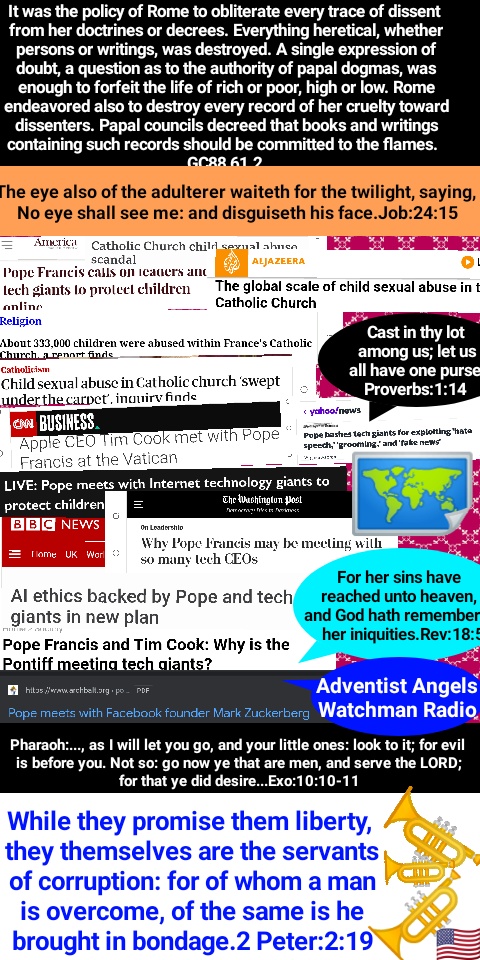

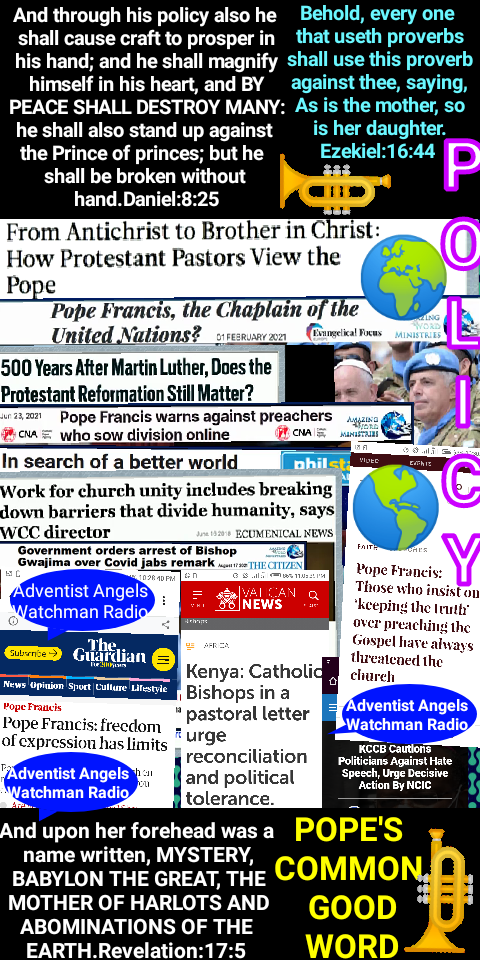
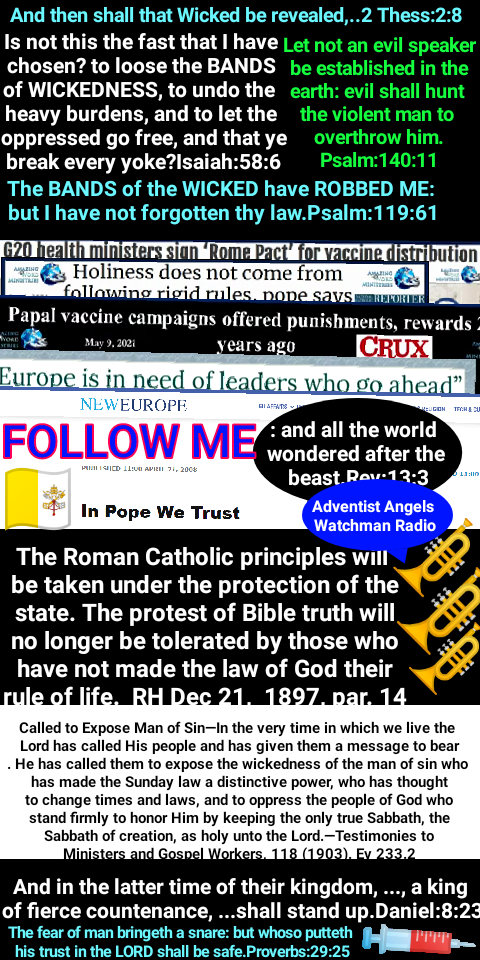
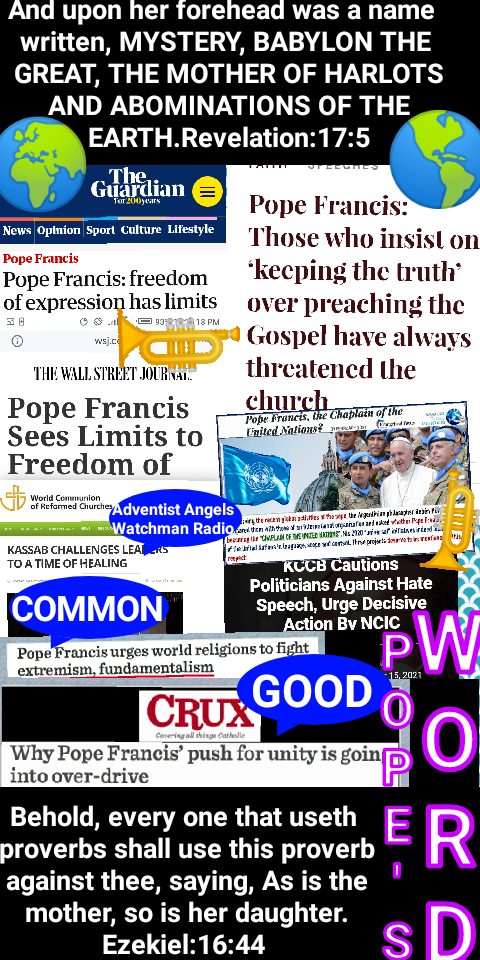
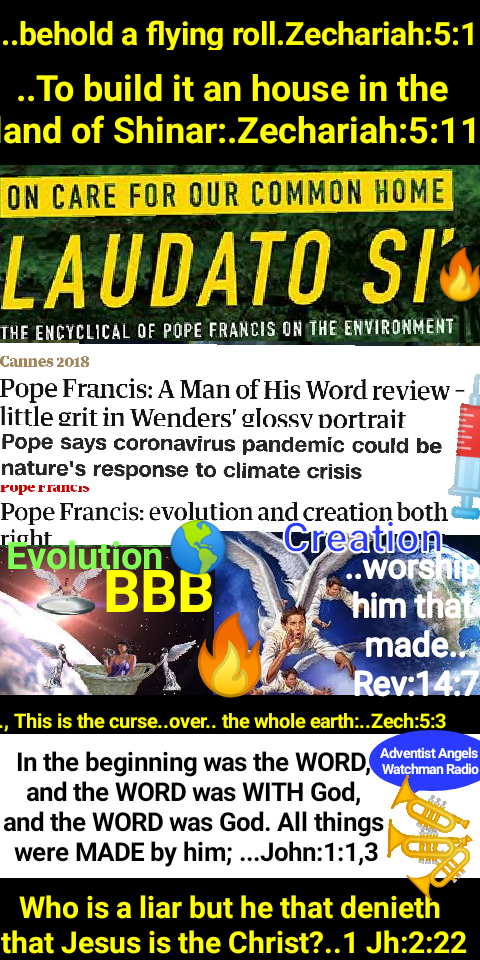
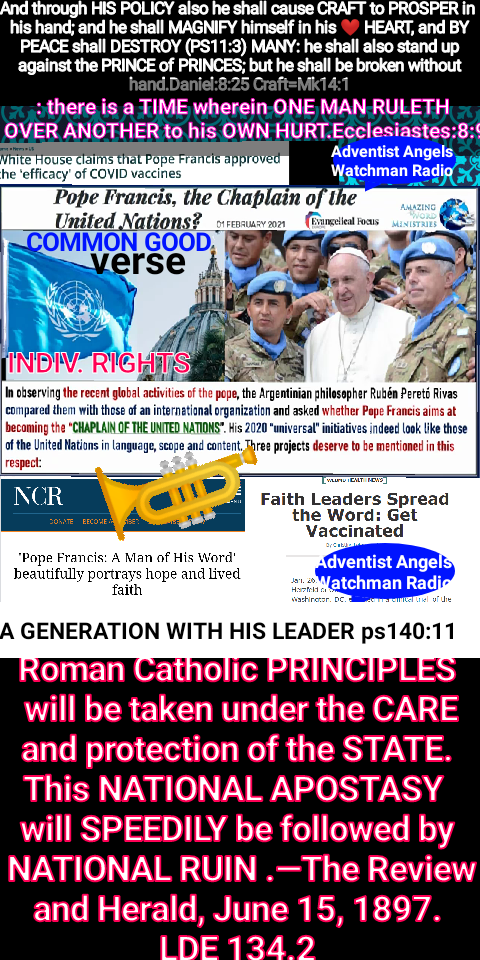
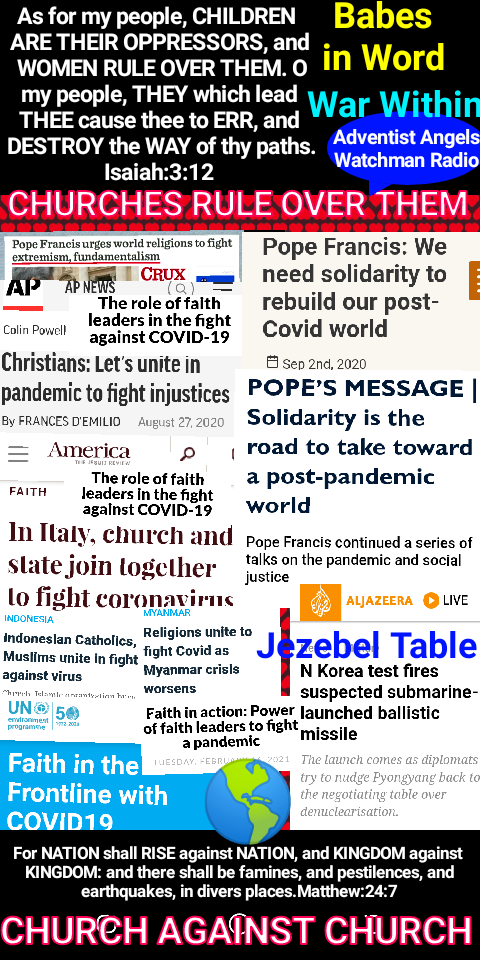

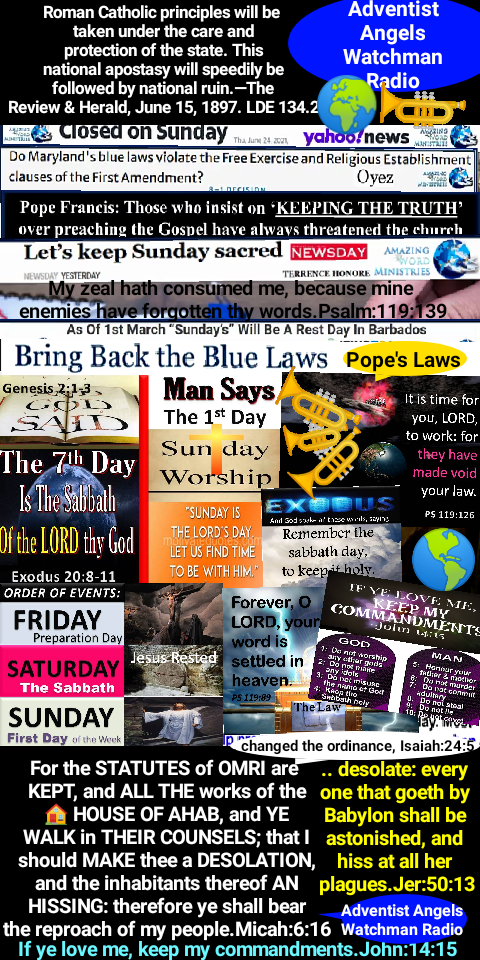

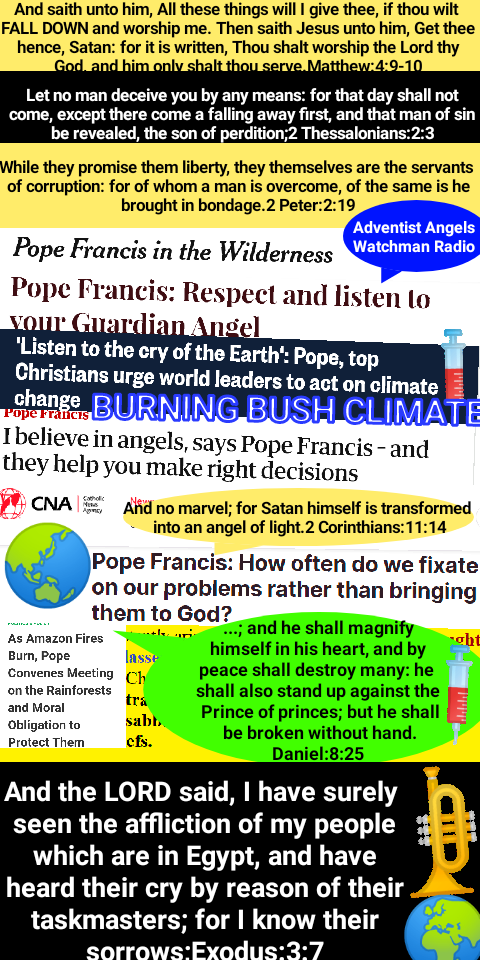
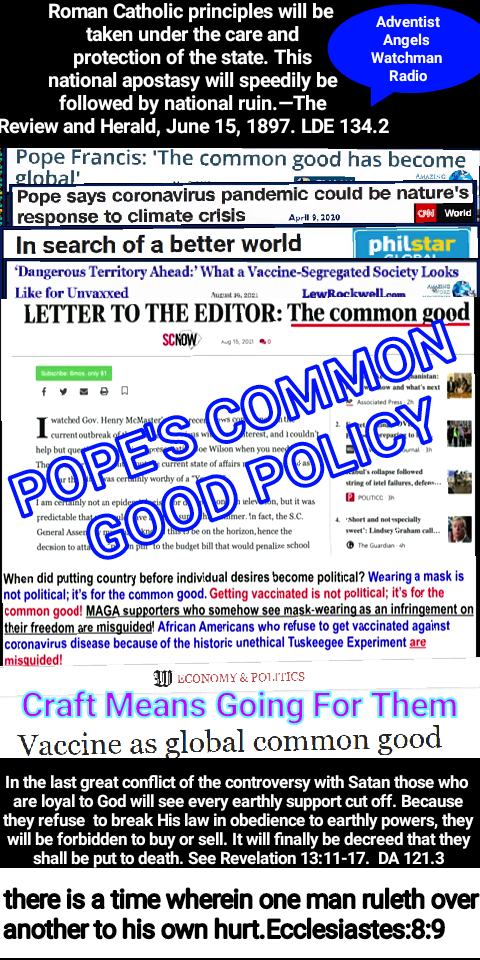
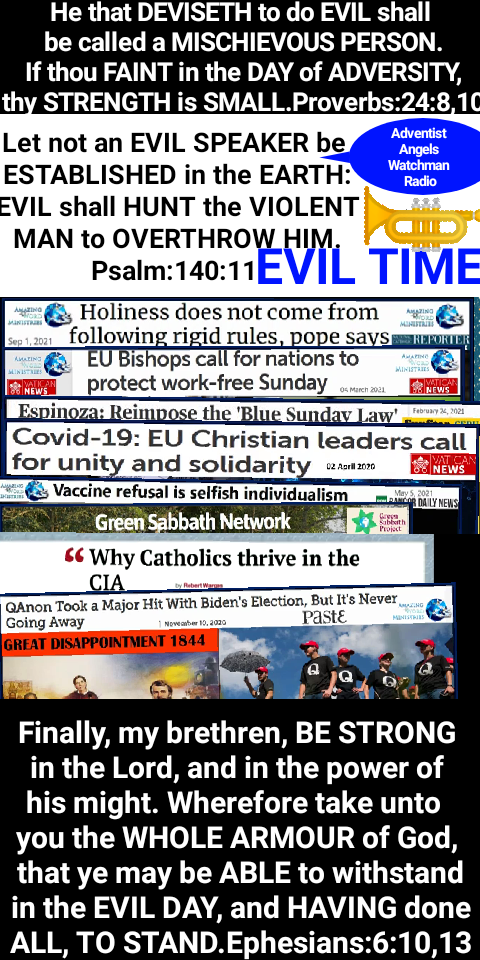
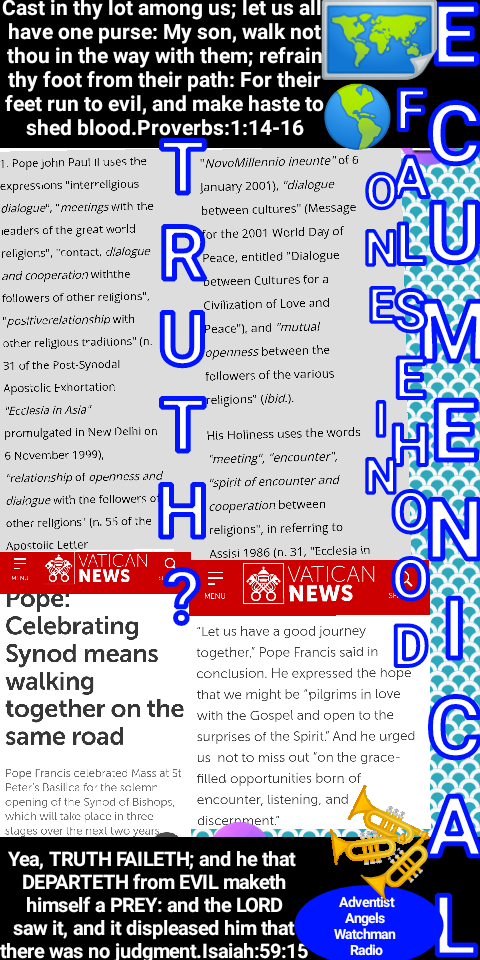
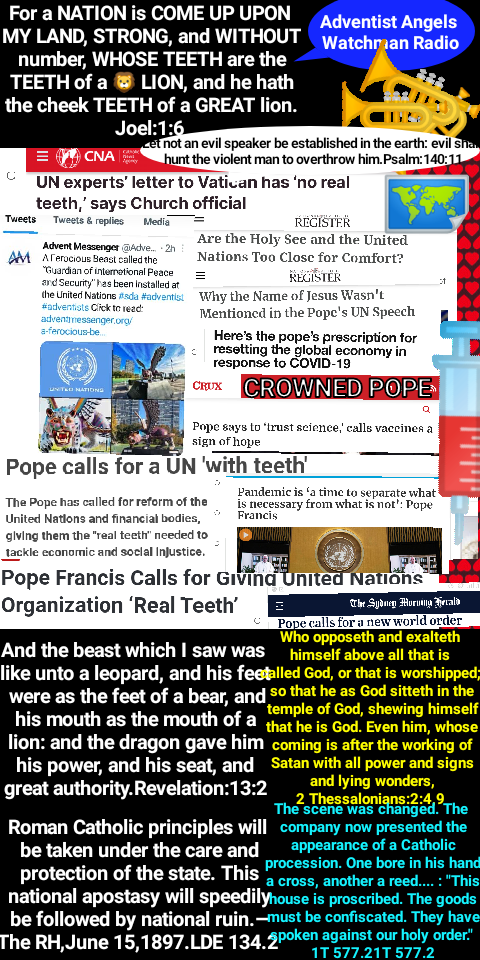
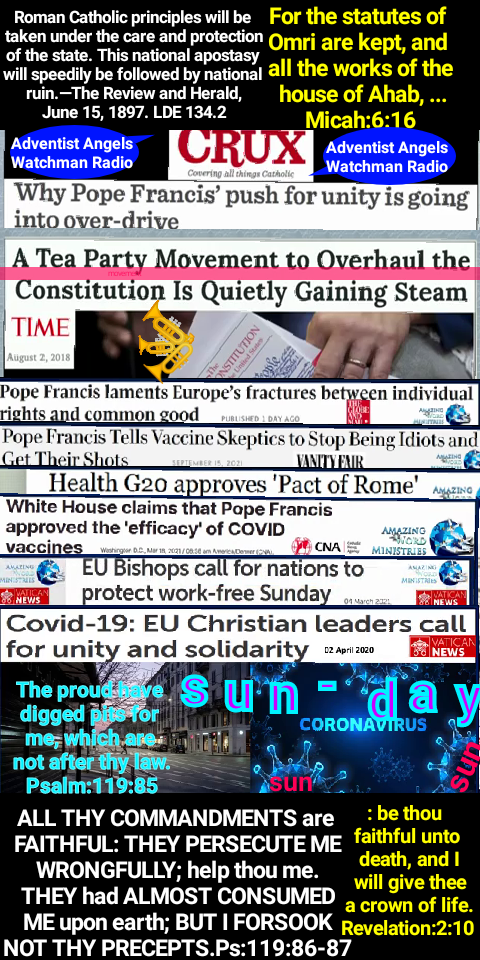
A day of great intellectual darkness has been shown to be favorable to the success of the papacy. It will yet be demonstrated that a day of great intellectual light is equally favorable for its success. In past ages, when men were without God’s word and without the knowledge of the truth, their eyes were blindfolded, and thousands were ensnared, not seeing the net spread for their feet. In this generation there are many whose eyes become dazzled by the glare of human speculations, “science falsely so called;” they discern not the net, and walk into it as readily as if blindfolded. God designed that man’s intellectual powers should be held as a gift from his Maker and should be employed in the service of truth and righteousness; but when pride and ambition are cherished, and men exalt their own theories above the word of God, then intelligence can accomplish greater harm than ignorance. Thus the false science of the present day, which undermines faith in the Bible, will prove as successful in preparing the way for the acceptance of the papacy, with its pleasing forms, as did the withholding of knowledge in opening the way for its aggrandizement in the Dark Ages. GC 572.3
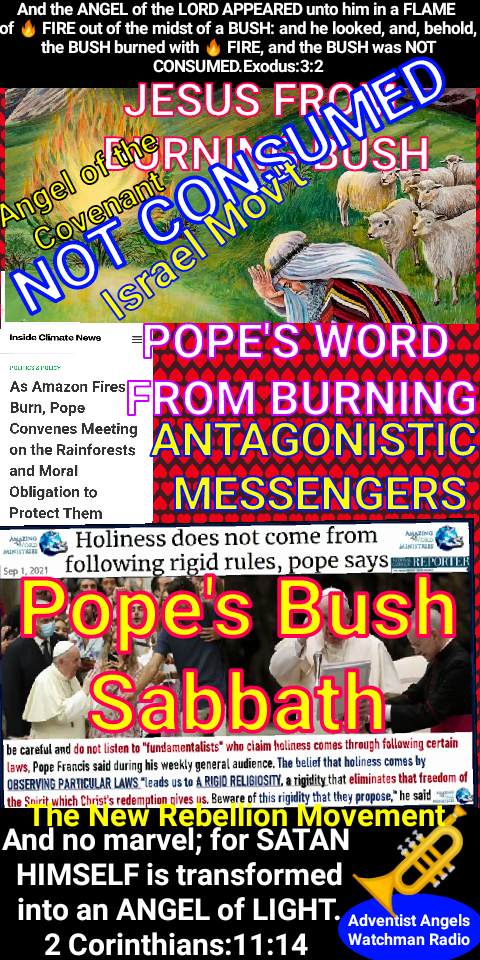
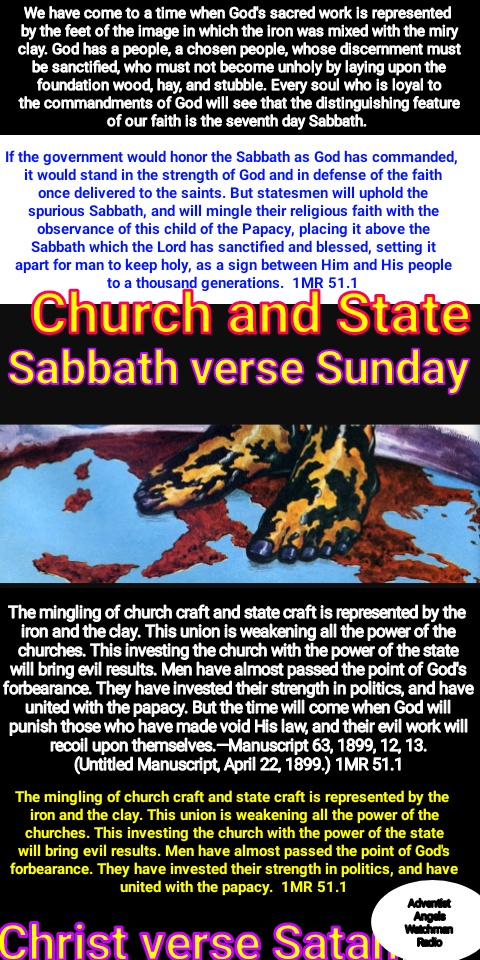
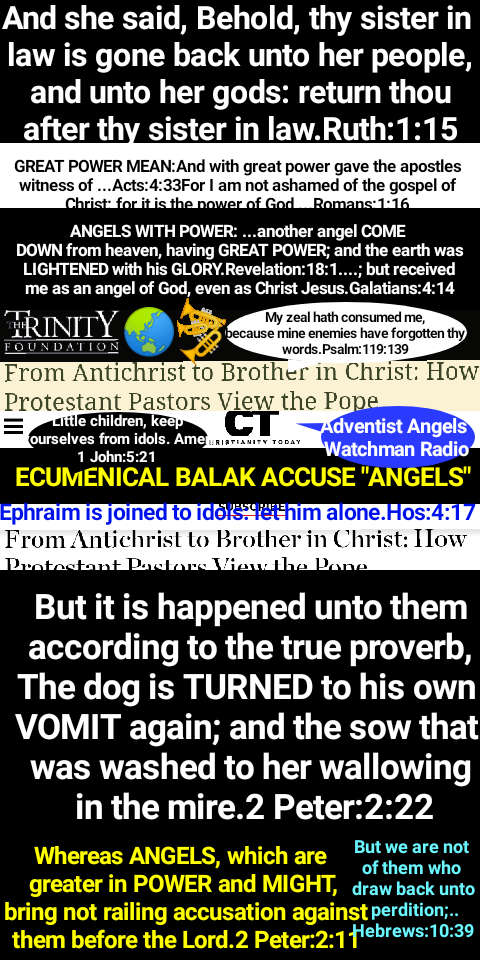
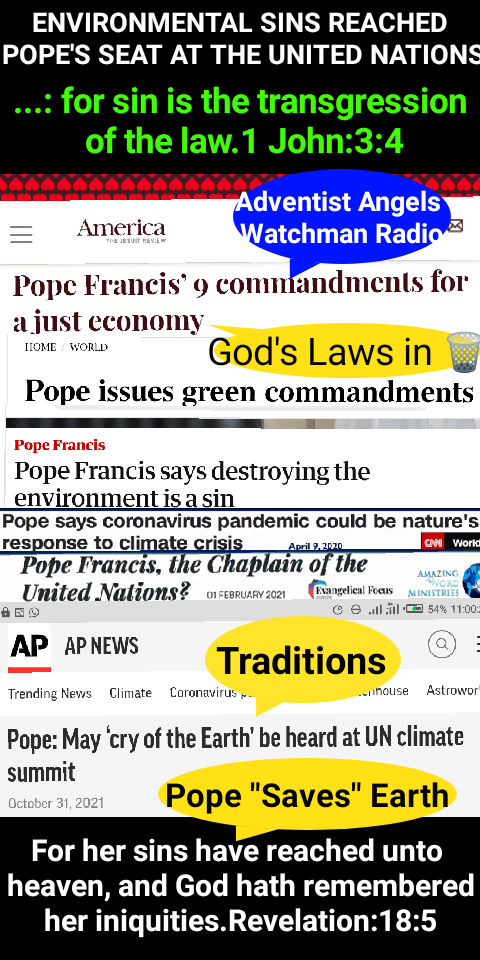
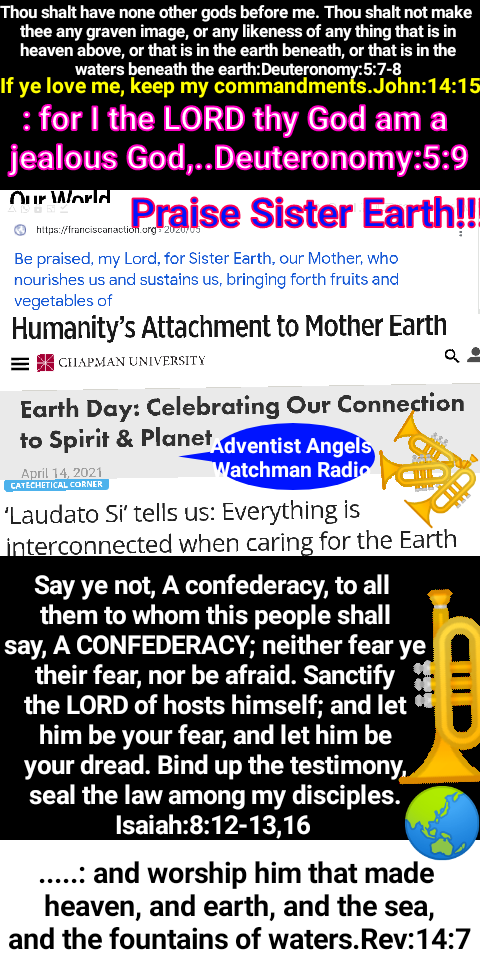
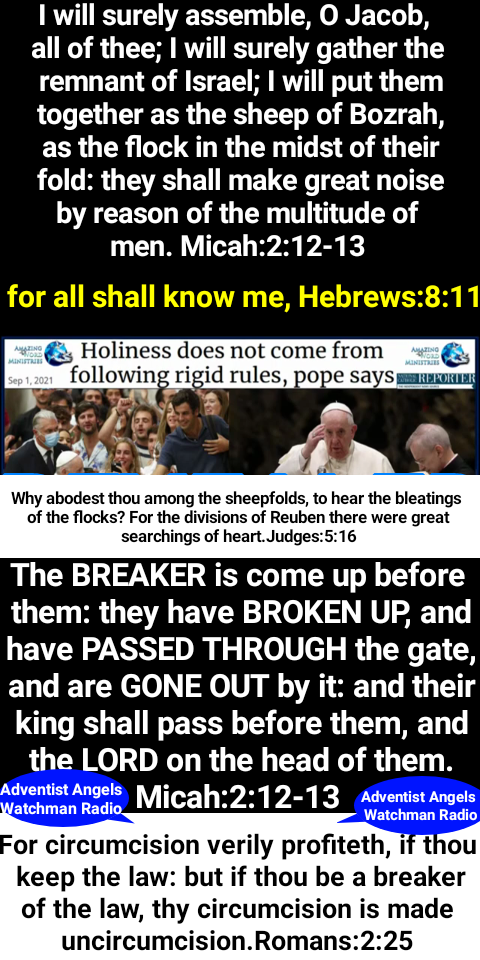

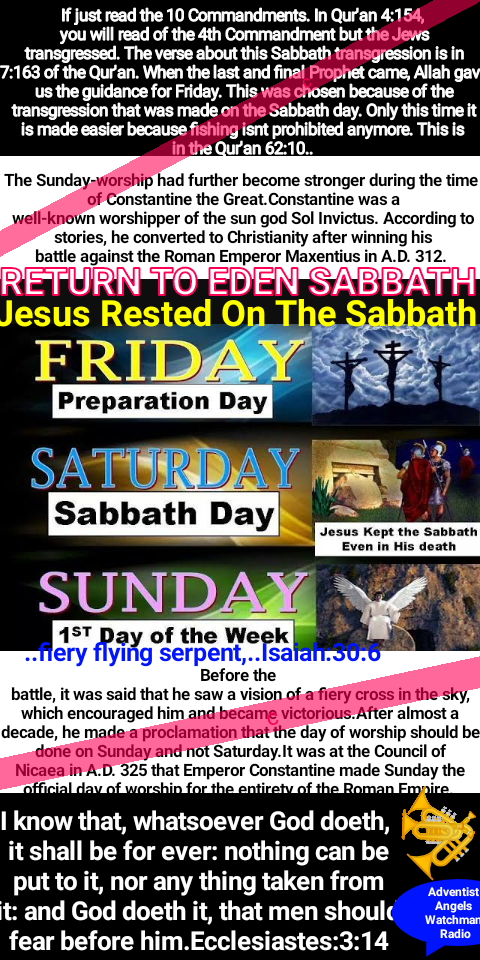
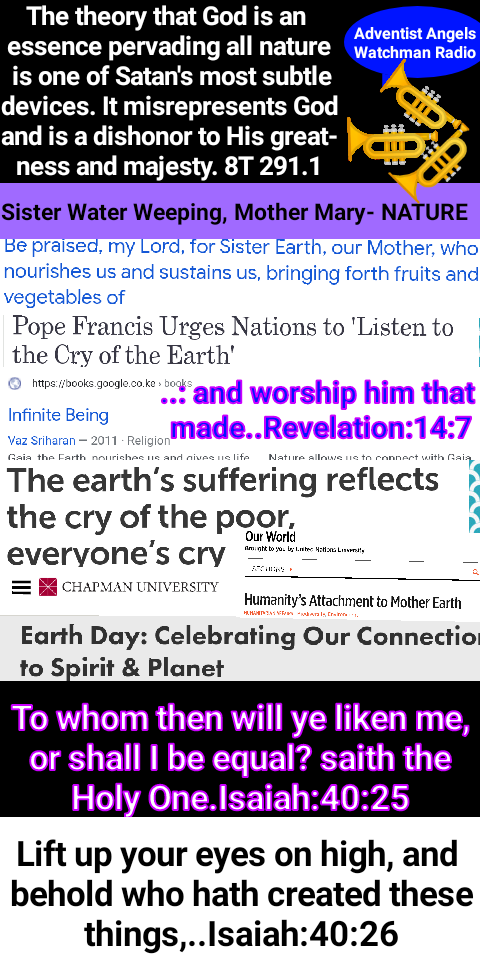
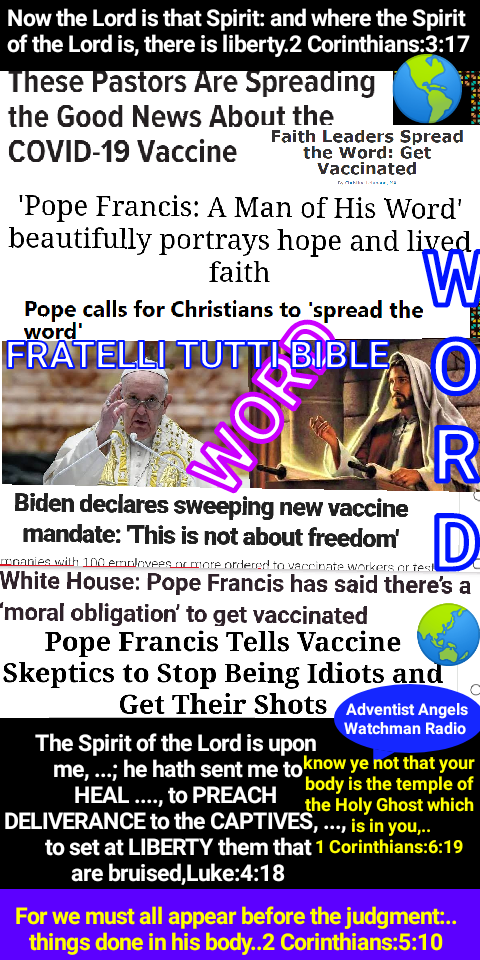
It’s also worth noting that many cities hold public events on a Sunday which means that access to some areas may be restricted.
In Paris the central arrondissements go car free once a month on a Sunday (and the city also holds a monthly ‘free museum Sunday’ when all state-owned museums have free entry).
In smaller towns its a mixed picture – usually the supermarket will be open at least on Sunday morning, and you’re likely to find a boulangerie and maybe a florist open on a Sunday morning.
Some supermarkets that open on a Sunday offer automatic checkouts only – meaning that you have to pay by card and you cannot buy alcohol.
It’s likely that most other shops will be closed, although it varies from town to town – and places that depend on the tourist trade are much more likely to have shops open on a Sunday.
In both towns and cities pharmacies usually operate a formal or informal rota system, so that in any reasonably-sized town or – in the cities – neighbourhood at least one pharmacy is open on a Sunday.
Once you get into the countryside and small towns, expect to find most things closed on a Sunday.
It’s also not unusual for small and independent businesses to also close on a Monday – this is to give staff who worked on Saturday a proper two-day break.
Changes
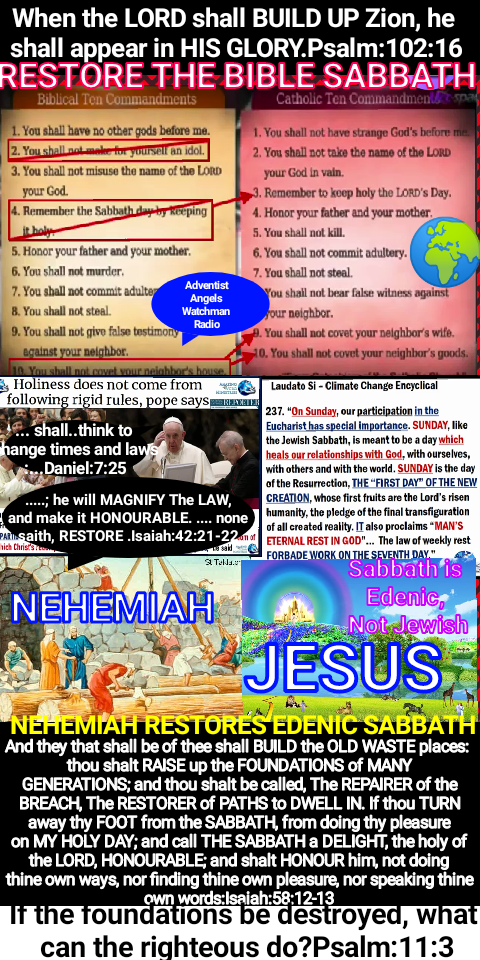
Sunday opening is definitely changing in France, driven by a mixture of new laws and social attitudes.
In 2015 François Hollande’s government introduced a relaxation in the strict Sunday closing rules that allowed local authorities to authorise Sunday opening for shops and also created ‘international tourist zones’ where places that a lot of tourists could also open their shops on a Sunday.
Since then, Sunday opening has become more and more common.
This change has been a controversial one though – in 2019 the decision by the retail chain Casino to open its hypermarché stores on a Sunday morning prompted demonstrations.
While traditionally it was Christian groups who opposed Sunday opening, these days it’s just as likely to be trade unions – who are concerned about the effect on employees’ work-life balance and right to time off if Sunday opening becomes the norm.
Some supermarkets have attempted to circumvent this by opening on Sundays with automated checkouts only, in order to reduce staffing levels.
Increasingly, green groups are also opposing Sunday opening as they focus on reducing consumption in order to save the planet.
While many shoppers welcome the convenience of Sunday opening, there is still plenty of support for making Sunday a more relaxing day where shopping is off the menu.
When we ran a poll of readers of The Local in 2019, 58 percent were against increasing Sunday opening.
The Localnews@thelocal.fr@thelocalfrance
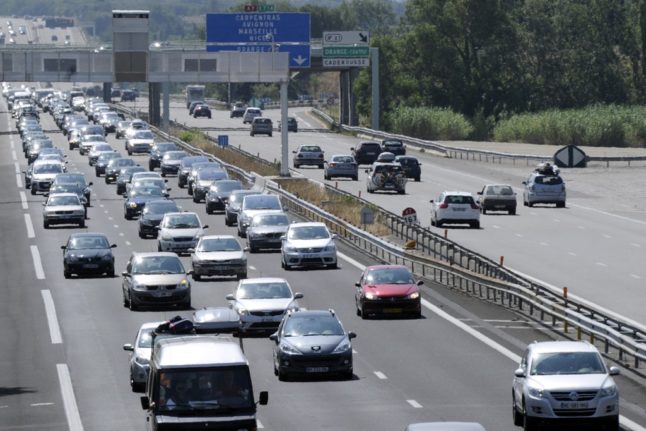
‘Be prepared to be patient’ – Registering your British car in France after Brexit
Kids, old age and tax rules: 6 essential articles for life in France
One of the many changes ushered in by Brexit concerns bringing a UK-registered car to France. The new process is considerably more complicated, but possible – as motorist Mark Pyman found out.
Published: 2 May 2022 11:16 CEST
It’s been quite a common practice among Brits moving to France to bring their car with them and re-register it as French, as cars – especially second-hand ones – have historically been cheaper in the UK.
However since Brexit what was a relatively simple process has become a lot more complicated.
This does not apply to people who are merely visiting France, but those who are moving to live here full time.
Plenty of people have given up and bought a French car instead, but if you prefer to keep your British vehicle there is a length re-registration process to go through.
READ ALSO Reader question: How can I import a car from the UK to France?
Mark Pyman, who lives in the south of France, has successfully re-registered his British car as French.
He said: “It has been a lengthy process – it has taken several months – and it has been complicated and frustrating. But if you are patient, resourceful and prepared to submit endless copies of various documents, then you do get there in the end.”
He took us through the process required.
Seven stages
My wife and I rented an apartment in Aix-en-Provence in September 2020, shortly before the Brexit deadline of December 2020. After spending summer 2021 in the UK we decided to bring our beloved but aged Volvo S60 to France, and to see if it was practical to re-register it in the French system.
There was plenty of guidance on first-port-of-call websites – but all the advice referred to registrations before Brexit. Since about 2018 the process started to change and French officials were said to be unsure of the procedure.
The process, as I now understand it, consists of seven steps:
Bringing the car to France
We drove to France from the UK without making any declarations of importation, and without obtaining any UK export documents. The car was still UK registered, UK taxed and insured. Some months later, we obtained the certificate of importation.
Dedouanement
Before Brexit, Britons needed a ‘Quitus Fiscal’, a tax document to show that importing their car from another EU country did not lead to any need to pay extra VAT.
You now need a Certificat from the Douanes Francaises to prove the car has been imported. This is then added to the documents required for immatriculation.
You start by going to the Customs site (here). They also have information post Brexit, here, which includes contact phone numbers.
I found the douane officials helpful, and it was they who told me the nearest place is to get the certificate.
It’s normally in a port or an airport; ours was in the Port of Marseille.
Then you have to keep emailing and phoning the contact point to get an appointment. This can take a while. When you go, take every document you have on the car; including, if possible, the date and cost at which you have purchased it and proof of where you are living in France. Because our car was not new, there was no customs charge or VAT charge. There is a small administrative cost, of about €40.
Certificate of Conformity
This is a very standard two-page document. So long as your car is a reasonably ordinary one by EU standards, then there are lots of websites that offer to provide you with one.
I went to a UK-based one – they charged £168 and took a month to send it. If I had phoned Volvo in the UK, as I did, they provided one free of charge within a few days.
If your car does not have a certificate of conformity, expect to go through a messy, slow, expensive procedure to get the car physically tested for the various necessary points of conformity. I don’t have any experience of this, but people we know locally do and this was their experience.
Contrôle Technique
This test is required every two years in France once your car is four years old.
Garages will do a pre-contrôle for you to tell you how much will have to be done before you can expect to pass it.
Very nervously, I put the Volvo straight in for the test. To my surprise, our car passed with no issues at all, despite being 12 years old and having done 120,000 miles.
Handily, this Volvo was the first to have electronic headlights, so they can be switched from being angled to the left (for the UK) to being angled to the right (for France) with just an electronic toggle. The test cost €69.
Note that the garage expects to be given the Certificat d’Immatriculation, as they normally stamp that document once the Contrôle is done.
Staff at the garage were surprised not to be handed a Certificate d’Immatriculation, as is usually the case in France – because I didn’t yet have one – but were still okay to do the test once I explained and gave them the UK registration document.
READ ALSO What you need to know about France’s car inspections
Certificat d’Immatriculation (Carte Grise)
This is the document to which all the above has been leading up to. It used to be not-too-hard to do when the process was run by the Sous-Prefecture of the local Mairie. But, since about 2019, these have all been closed and you must go through the nationwide IT system, ANTS.
This can be hard work, as the flow is not clear, and you cannot ask to speak to a person to help you. There is no ‘Chat’ function either.
You start here. We’ve discovered that it is best to connect via France Connect if you can.
READ ALSO What is France Connect and how could it make your life simpler?
Then go to:
We were directed several times back to the beginning of this cycle, then one time it miraculously went to the form we had to fill in.
Be prepared to curse the software the first few times you go through this and get it wrong. You have to add various documents, and they have to be within size and format limits (eg less than 1 Mbyte file size, JPG and PDF).
Here are the ones I uploaded:
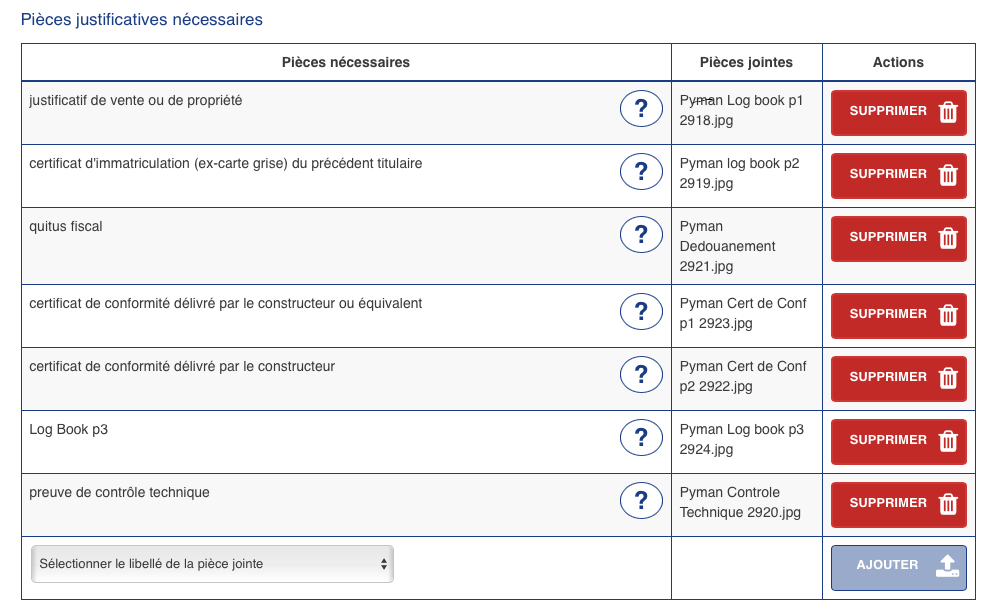
You might need to resubmit the application several times. At least, when they reject it, there is a box where the person dealing with it (who remains anonymous and uncontactable throughout) can tell you what you still need to do.
Once you are through this, they will give you a provisional Certificate, valid for one month.
The permanent document arrives in the post.
The cost depends on the emissions of your vehicle – the higher they are, the larger a ‘malus’ you have to pay. I paid €250.
Be warned: this one-page watermarked document is sent by courier and requires your signature on receipt – not just proof of identity, like with parcels.
If you are out and it is sent to a La Poste pick-up point, there is a special procedure for collecting the documents that require signature.
We had to return five times and go via the Poste phone tracking assistance (Tel 3631) before the person behind the counter could be persuaded to find the stored document.
Insurance
Car insurance requirements are different from the UK. For example, to assess your no claims bonus, your insurer will want to know the date you first contracted with your British insurer, whether you were at fault (responsable) or not (non-responsable) for each and every accident.
They also require documentary proof of almost everything – eg formal attestations – emails from your insurer are not acceptable.
READ ALSO Speed cameras in France now detect if your car has insurance
We managed to get some of these from our insurer but not all. Both insurers I dealt with also asked for key documents about your claims experience to be in French. One of them later backed down.
Once you have signed the contract, it is – they say – difficult to change. So if I were to come back later with more proof, my insurer said she would not be able to accept it. I found that the cost of insurance was roughly double the UK cost.
READ ALSO Seven need-to-know tips for cutting the cost of car insurance in France
Changing the plates
I took the car to the local Volvo garage, and they changed the plates from GB to French ones.
You do need to synchronise this. It is an offence in France to have French numberplates and no insurance. Equally, we did not want to let go our British insurance until we were sure that there were no remaining hurdles.
We kept the UK insurance valid until after the whole procedure was finished. This left us facing a Kafkaesque moment – our British insurers said that they wouldn’t send the No Claims evidence document (which is, I think, a standard format and procedure across all British insurers) until after you have cancelled the contract.
Which of course you don’t want to do until you know you’ll reach the end of this process. Our insurer was very helpful and provided me with a ‘for guidance purposes’ version of the No-Claims document.
Finally, UK formalities
There is a tear-off slip from the Car registration document that you have to send back to DVLA if you have exported the car. You can also request on this form how the remaining tax disc value can be refunded to you. I also informed the UK insurers, and they sent me the final no-claims-bonus statement.
Many thanks to Mark for taking us through this process. Have you had a different experience of the new system? Let us know on news@thelocal.frThe Localnews@thelocal.fr@thelocalfrance
SHOW COMMENTSREAD THIS ARTICLE

Tell us: What would you like in the new series of The Local’s French podcast?

What to do if you have fallen victim to a scam in France
Url copied to clipboard!
Get our daily news roundup straight in your inbox
By signing up you agree to our Terms of Use and Privacy Policy. We will use your email address to send you newsletters as well as information and offers related to your account.Sign up
The Local Europe AB
Vasagatan 10
111 20 Stockholm
Sweden


Published: May 3, 2022 at 11:58 a.m. ET
By
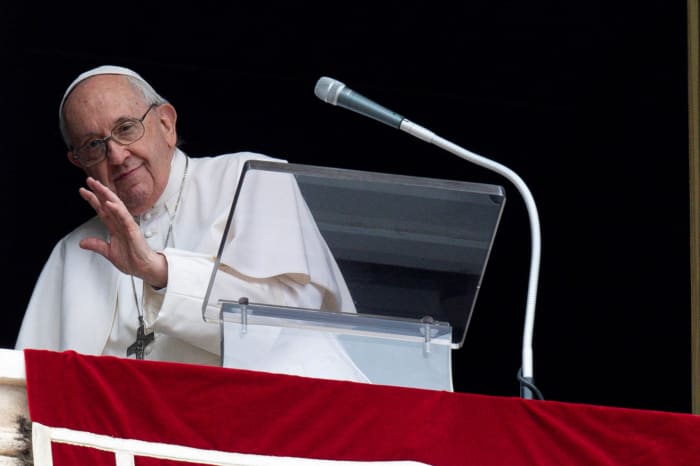
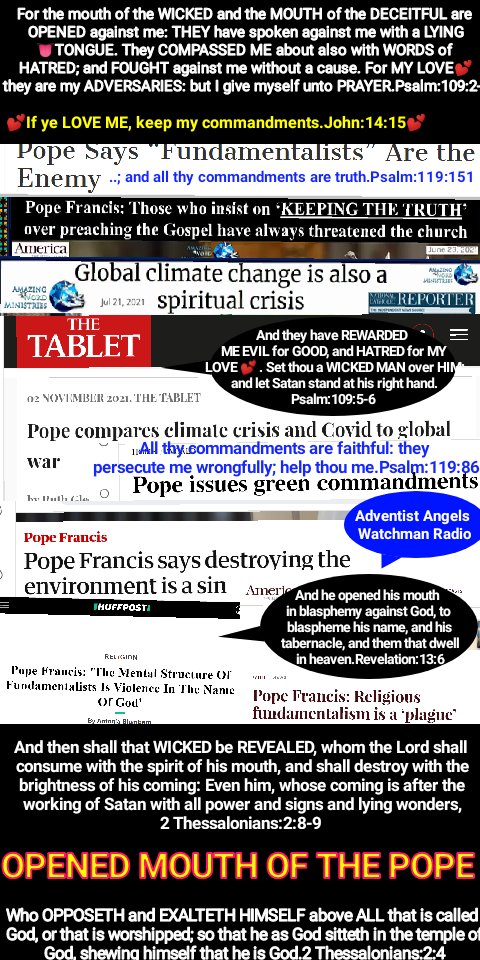
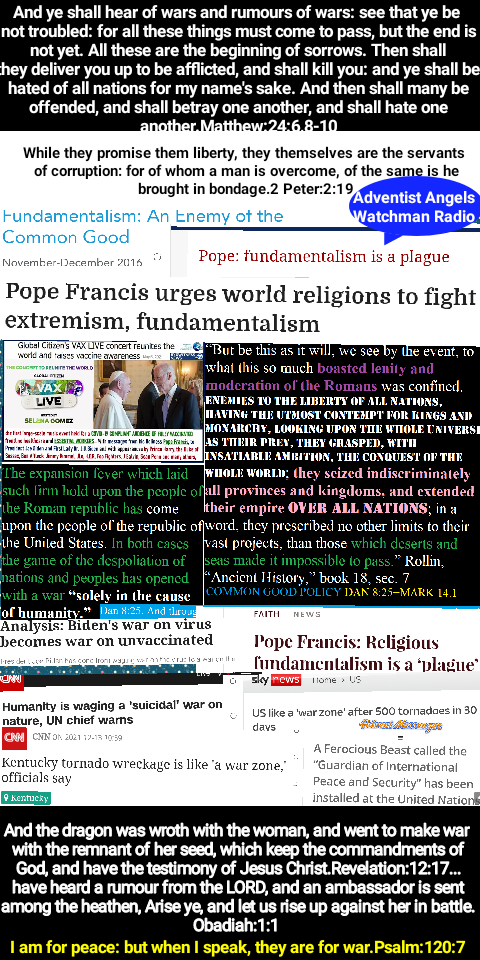
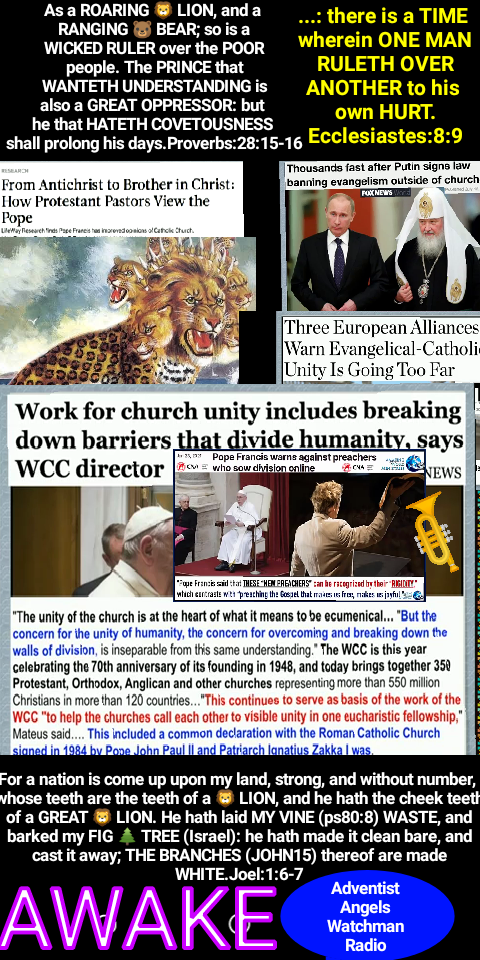
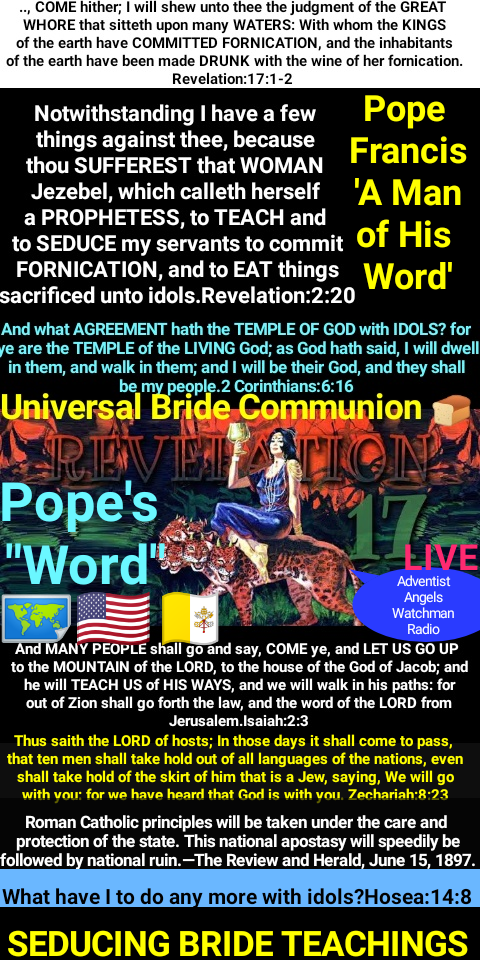
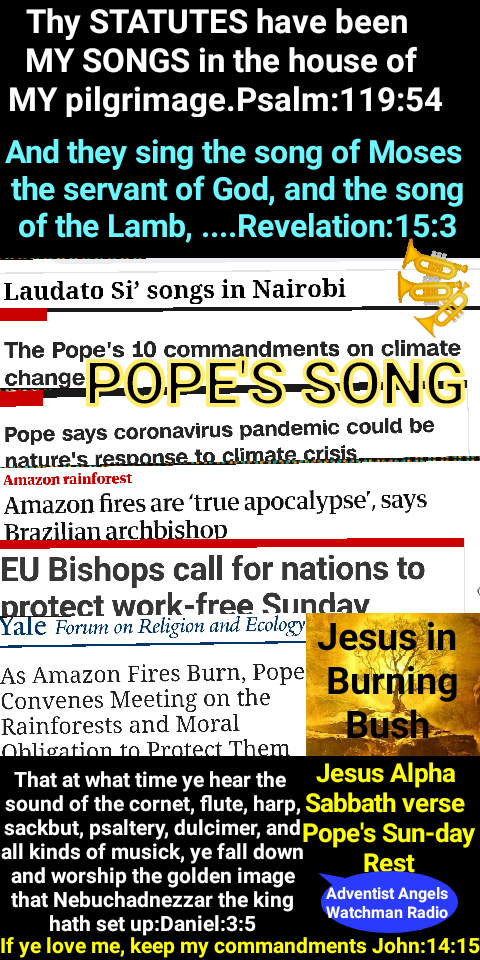
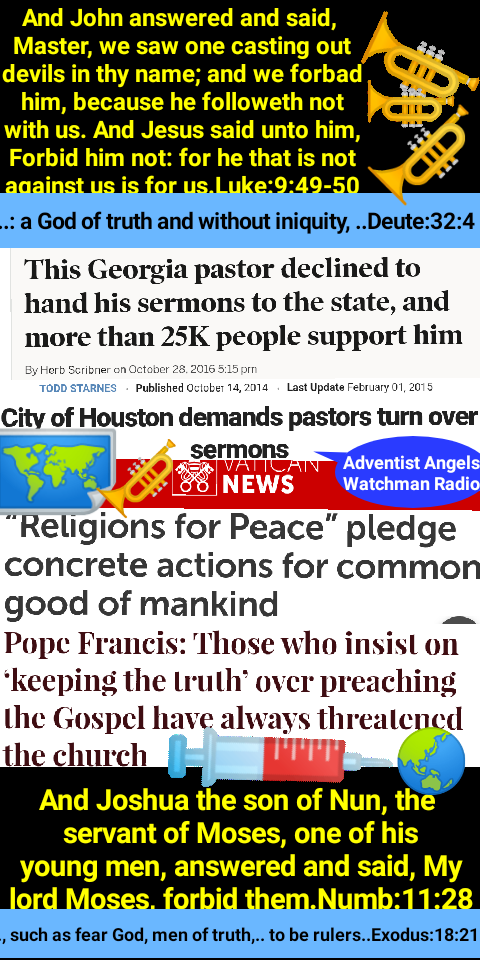
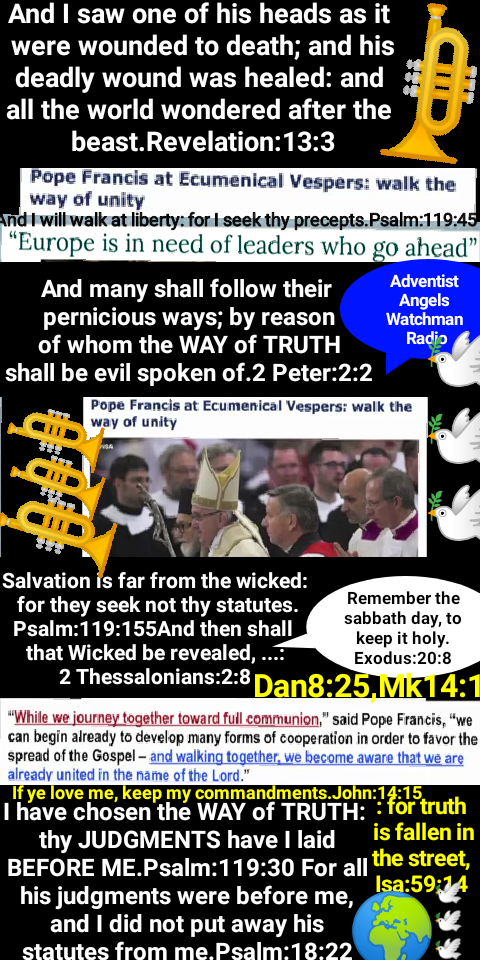
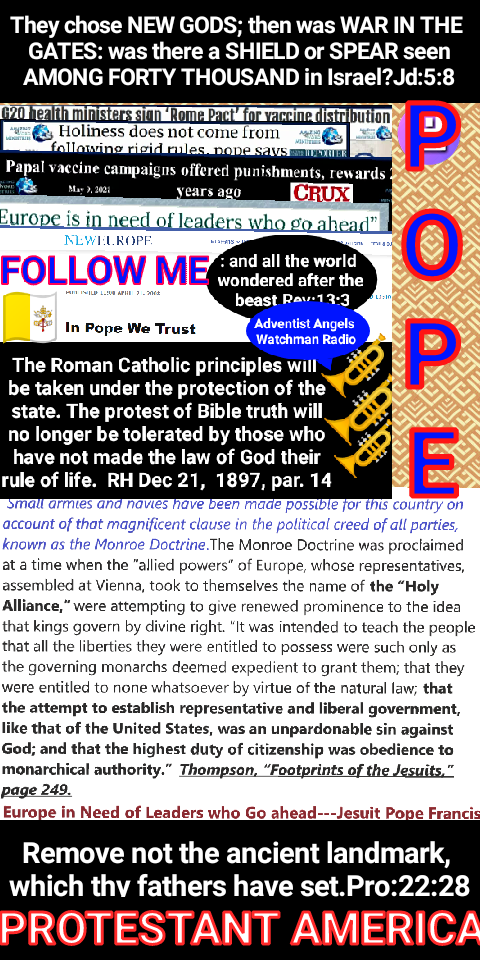
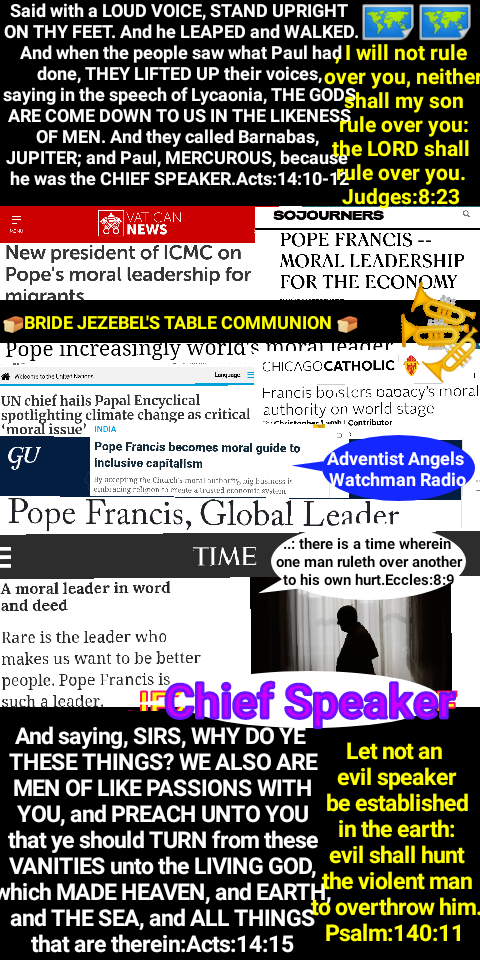
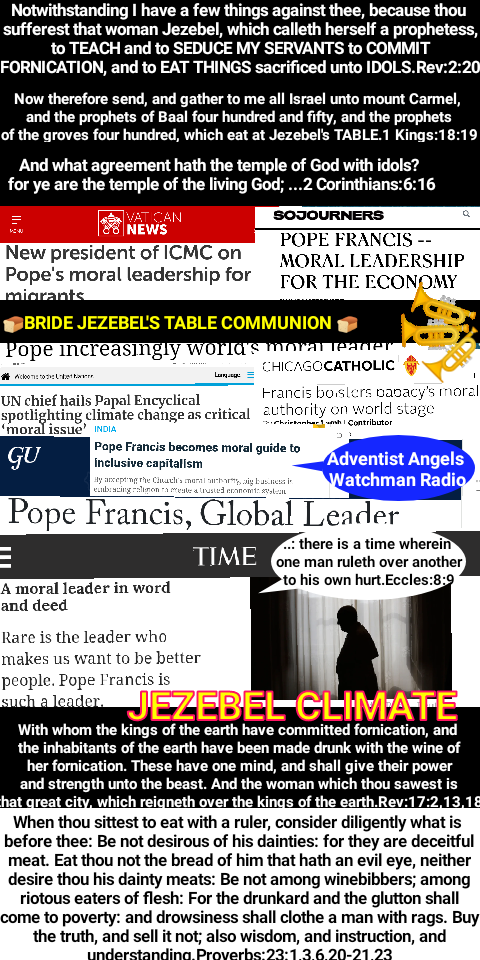
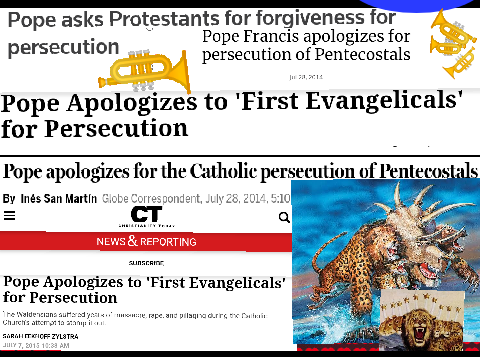
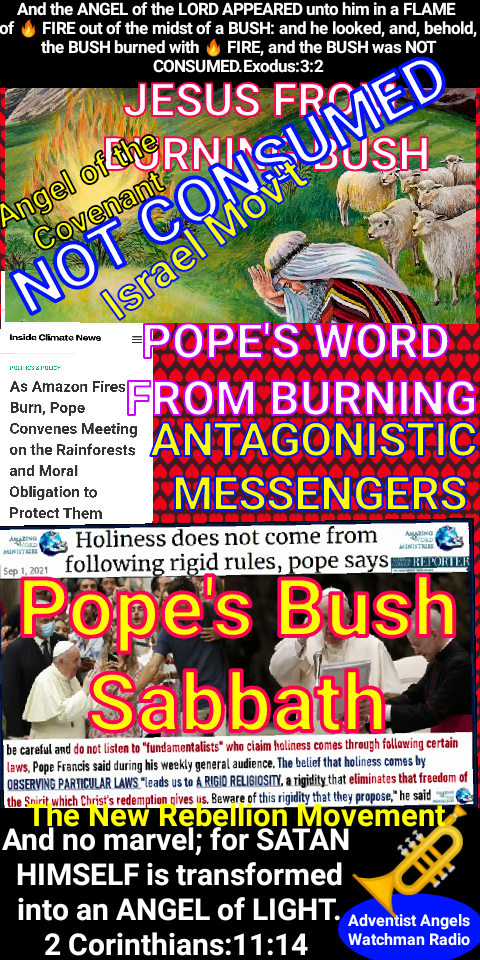
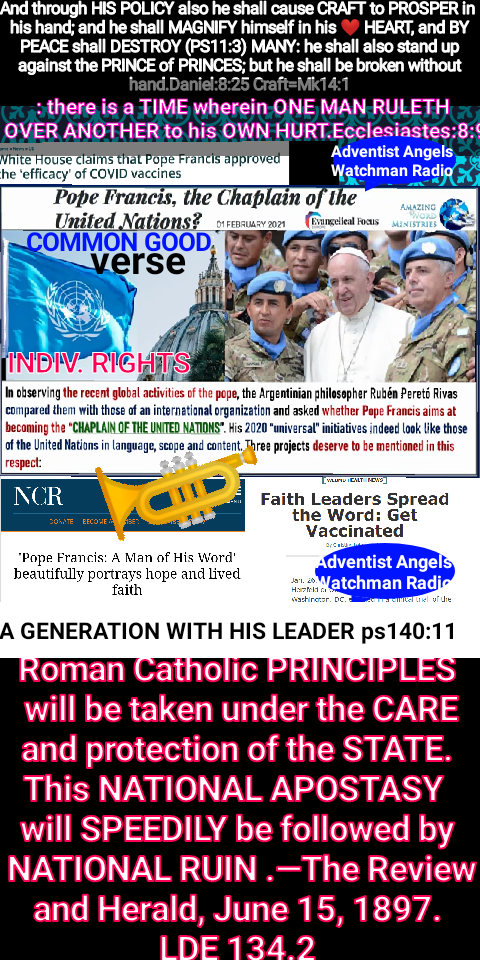
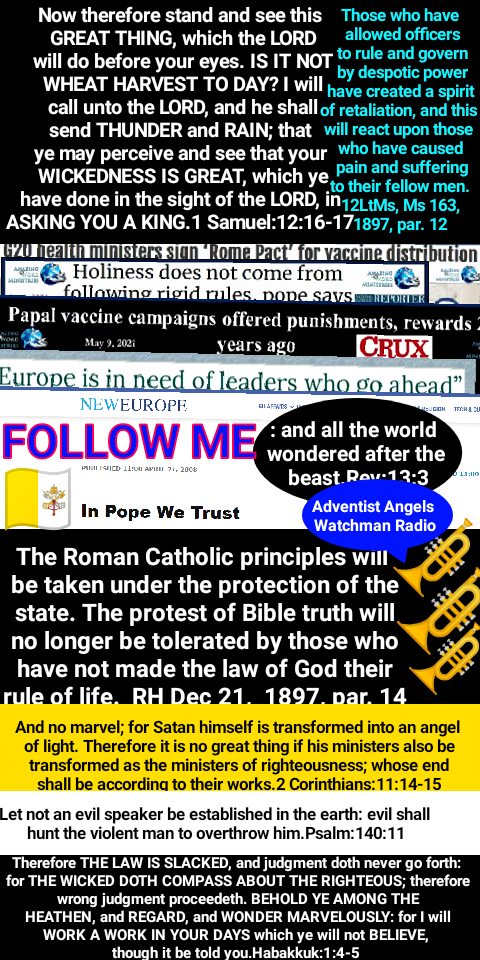
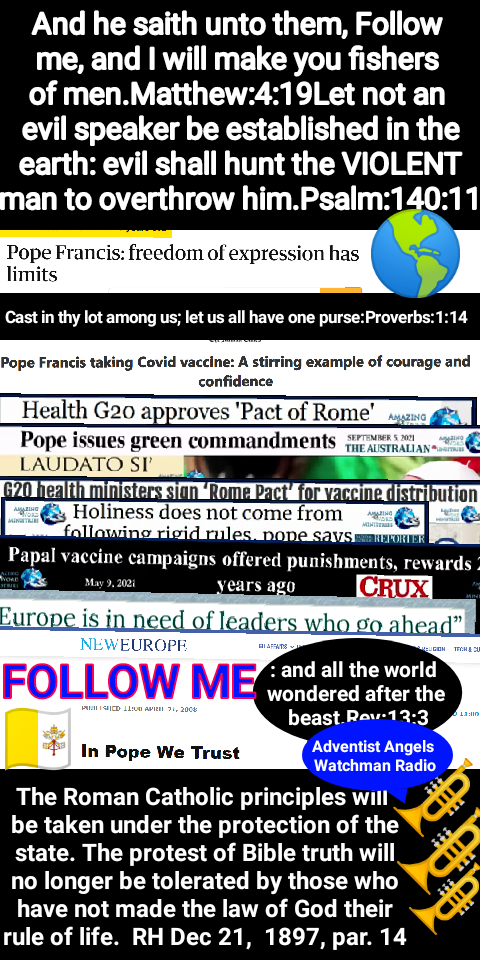
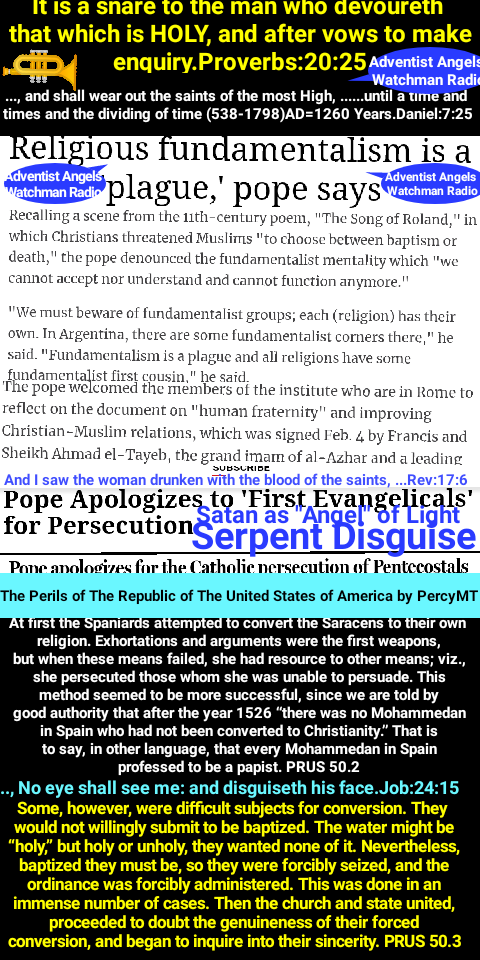
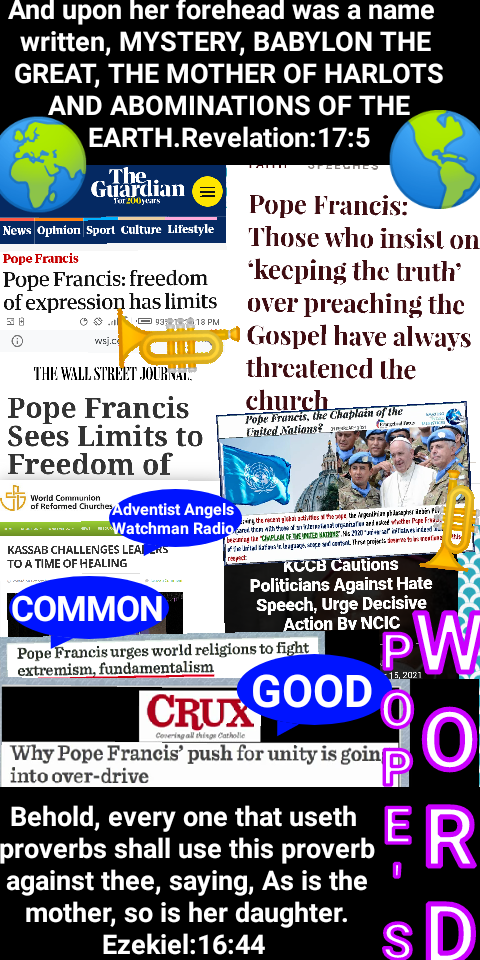
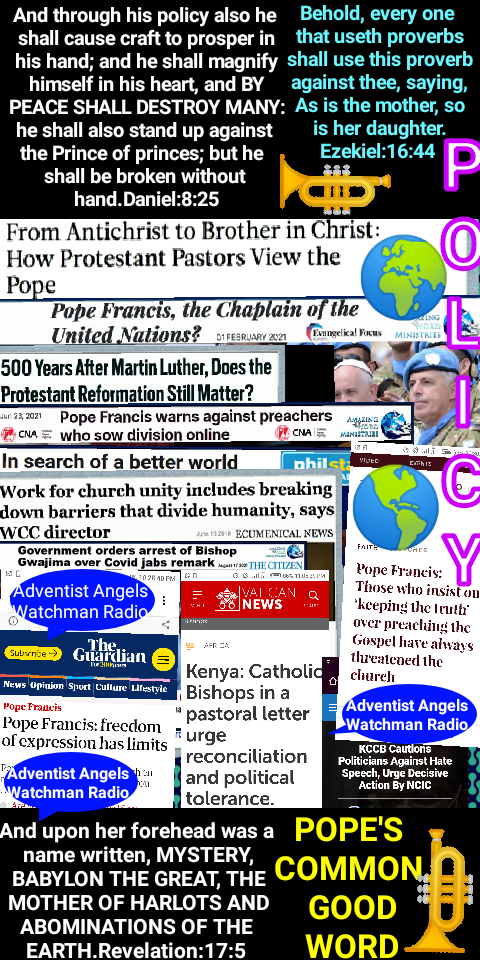
VATICAN CITY (AP) — Pope Francis told an Italian newspaper he had offered to travel to Moscow to meet with President Vladimir Putin to try to end Russia’s war in Ukraine and suggested the invasion might have been provoked by NATO’s eastward expansion.
The prince that wanteth understanding is also a great oppressor: but he that hateth covetousness shall prolong his days.
Proverbs:28:16
Francis said he made the offer about three weeks into Russia’s invasion, via the Vatican secretary of state, Cardinal Pietro Parolin, but has yet to hear back.
Popes for decades have sought to visit Moscow as part of the longstanding effort to heal relations with the Russian Orthodox Church, which split with Rome more than 1,000 years ago. But an invitation has never been forthcoming.
“Of course, it would be necessary for the leader of the Kremlin to make available some window of opportunity. But we still have not had a response and we are still pushing, even if I fear that Putin cannot and does not want to have this meeting at this moment,” Francis was quoted as saying by the newspaper Corriere della Sera.
Pontiff reportedly opines that, while NATO did not provoke Putin’s invasion of Ukraine, it might have ‘facilitated’ it.
Francis recalled that he spoke in March with the head of the Russian Orthodox Church, Patriarch Kirill, for 40 minutes by videoconference and for the first half “with paper in hand, he read all of the justifications for the war.”
“I listened and told him: ‘I don’t understand any of this. Brother, we are not clerics of the state, we cannot use language of politics, but that of Jesus. … For this we need to find the paths of peace, to stop the firing of arms.’ “
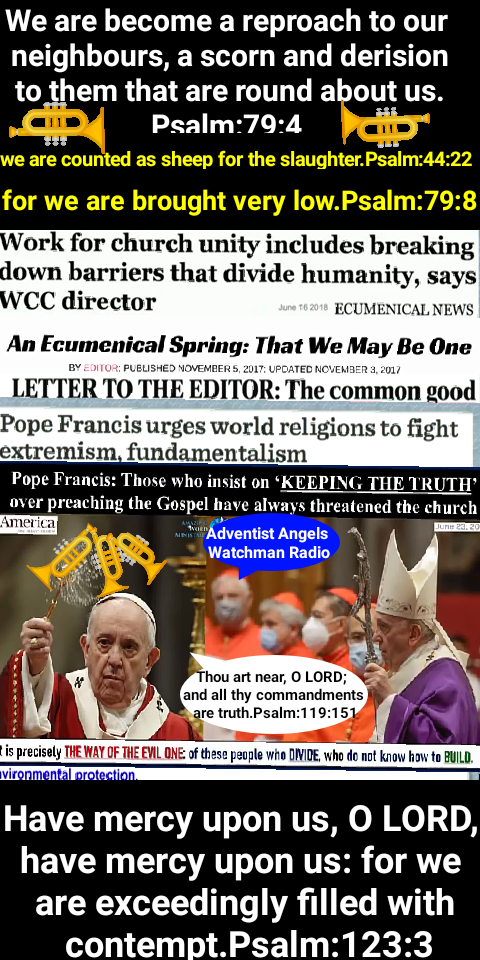
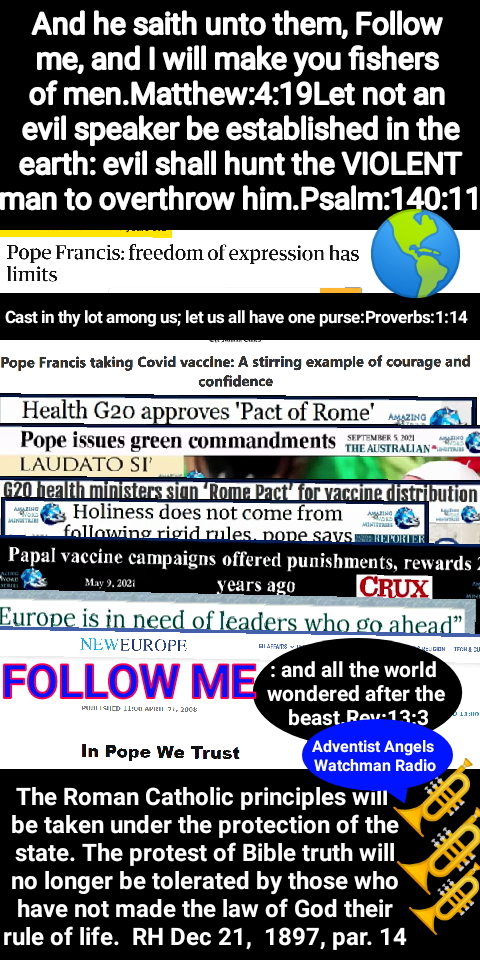

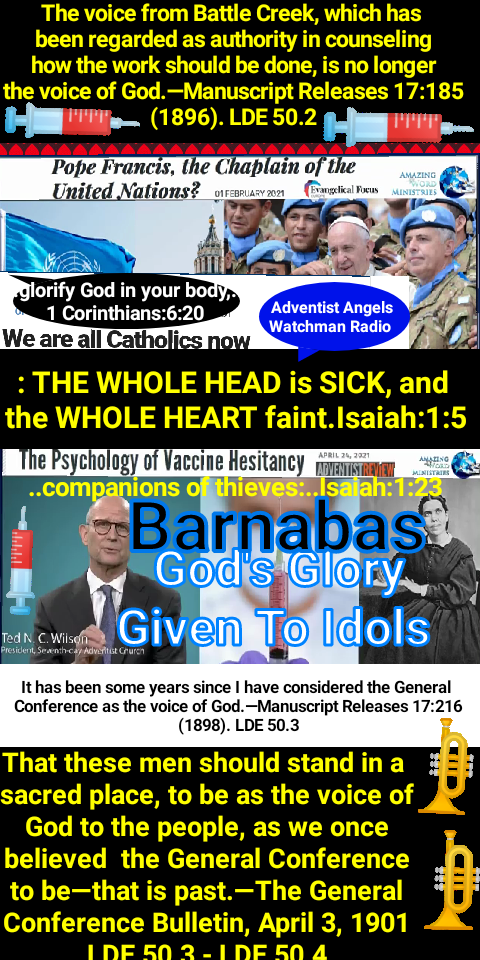

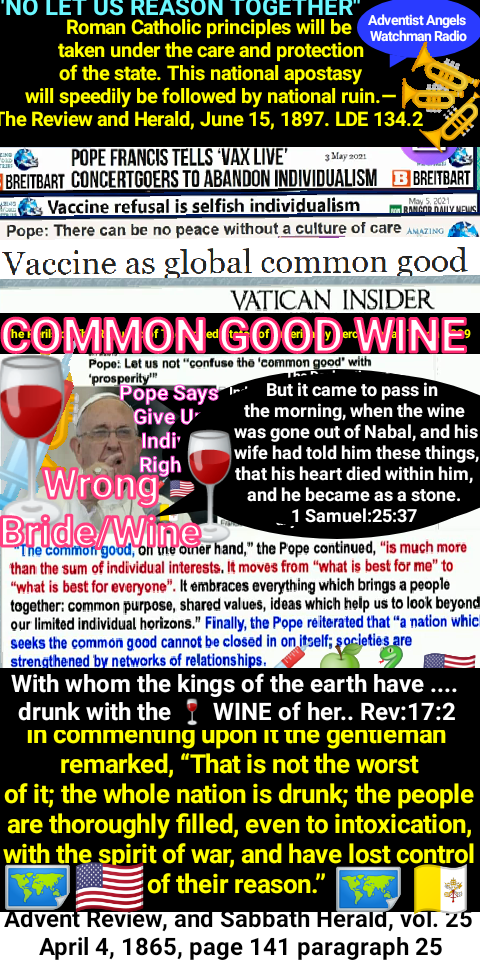
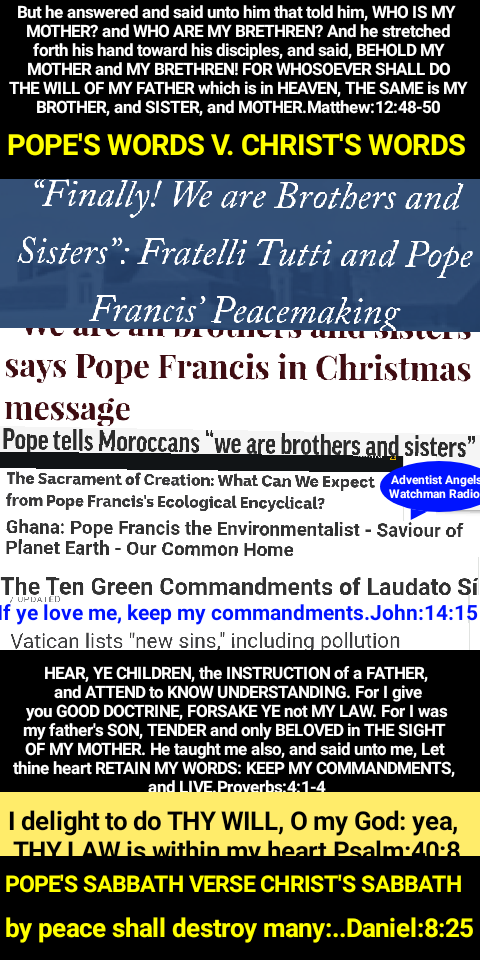

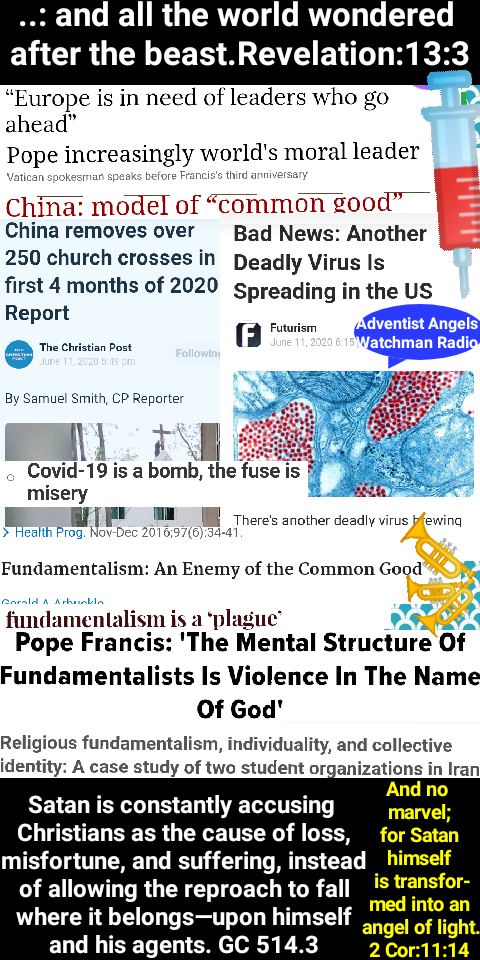
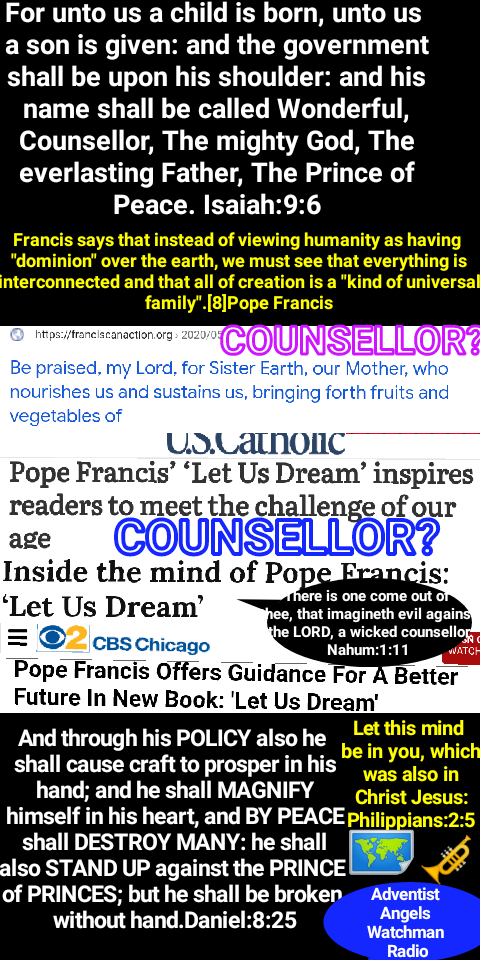
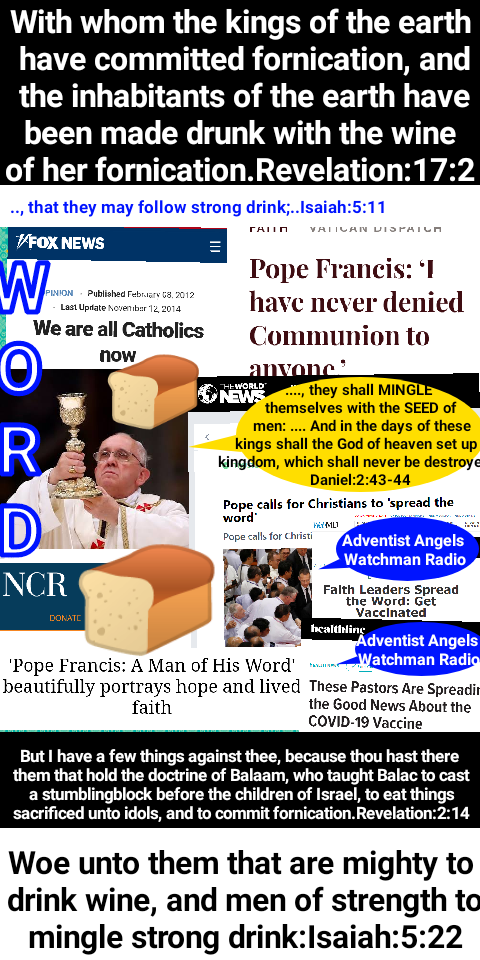
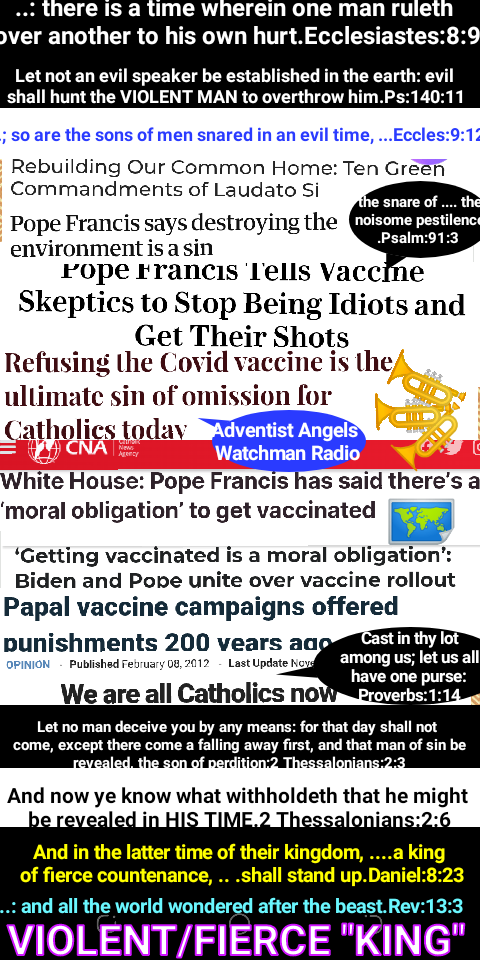
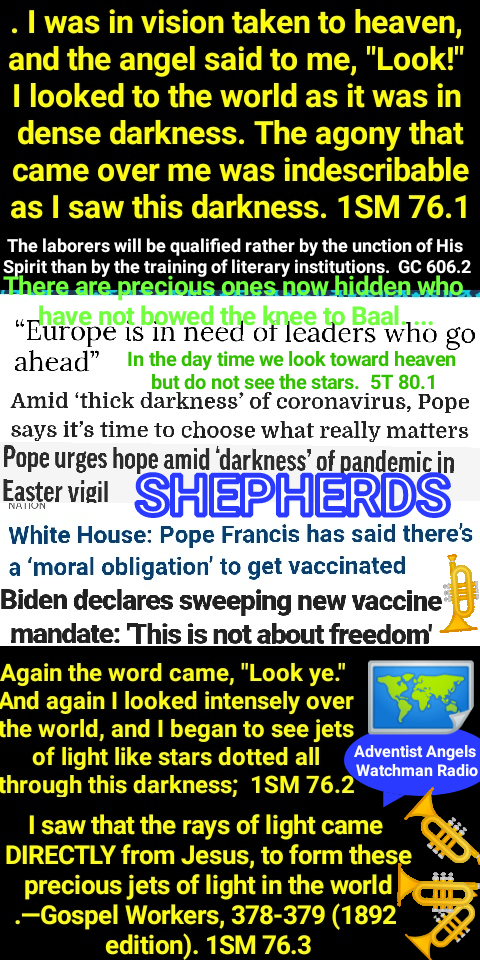
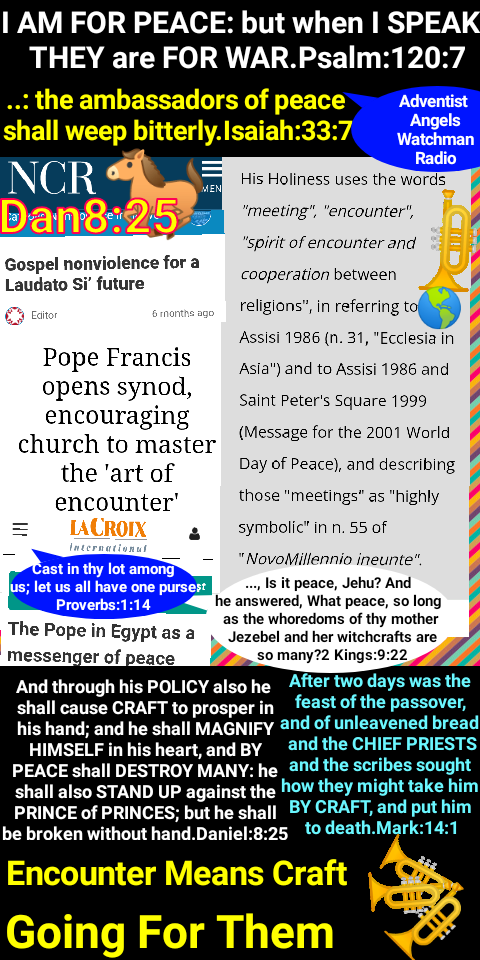
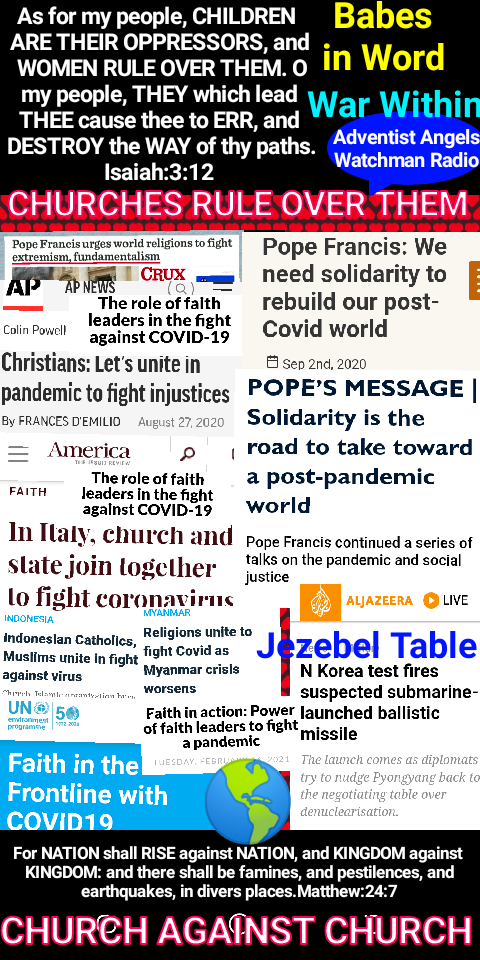
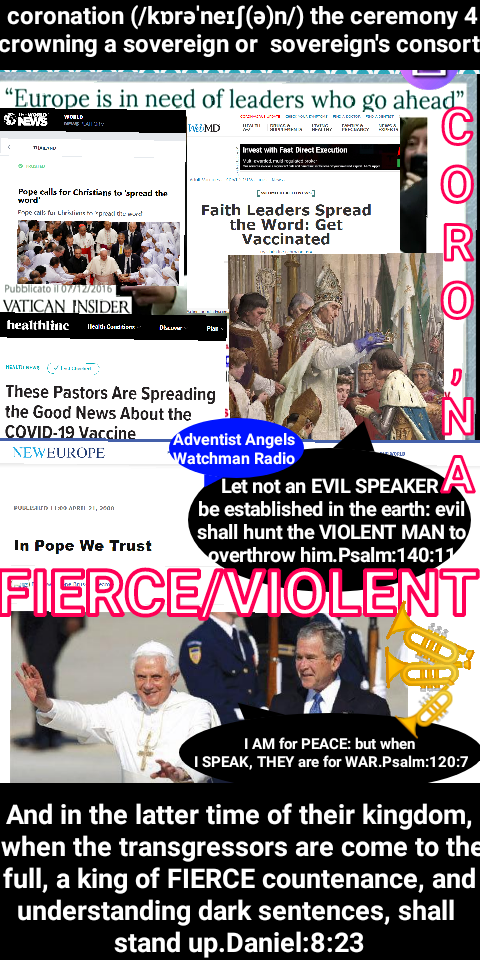
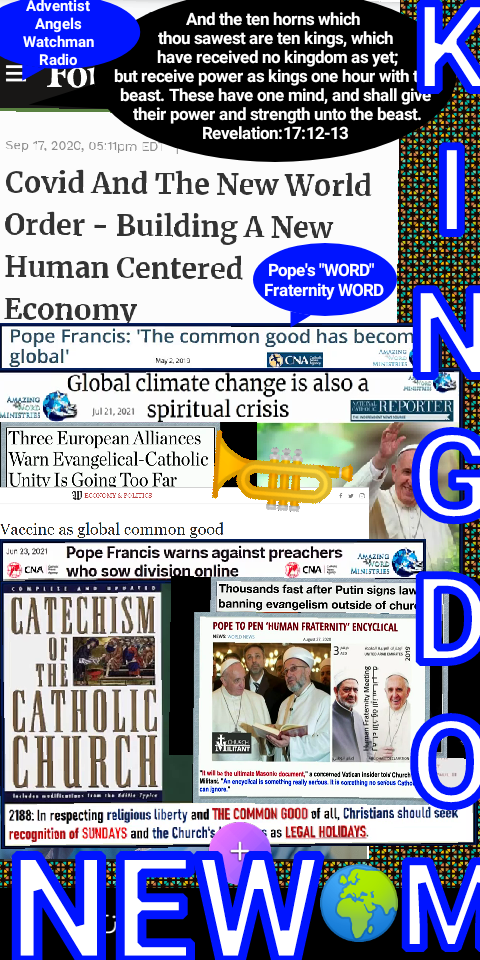

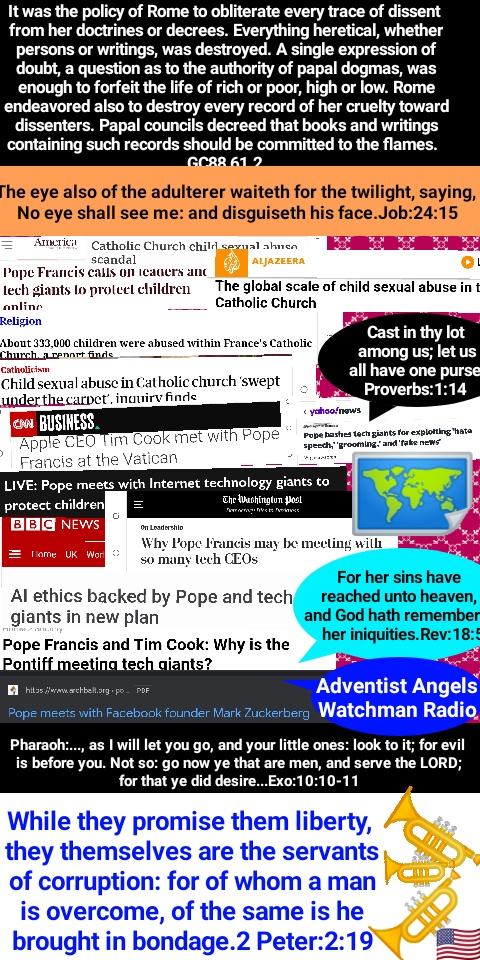
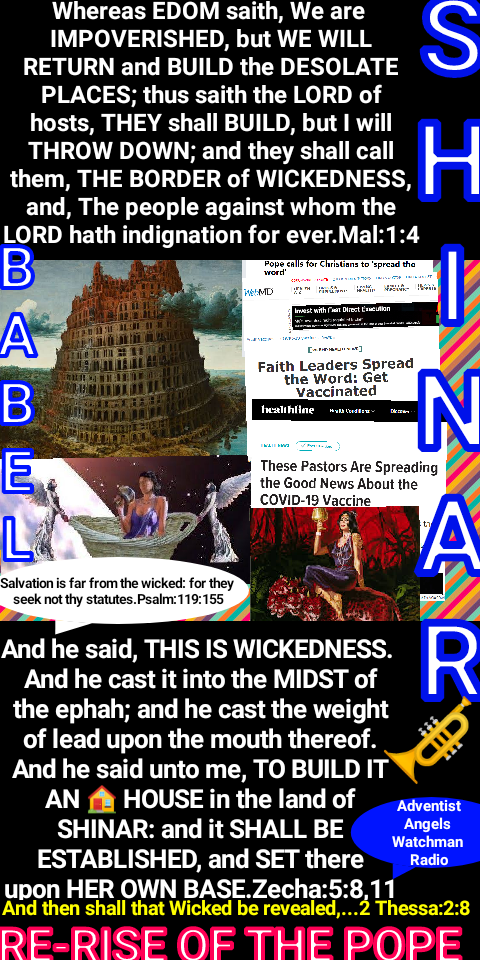


It was reported that Francis had warned Kirill against serving as “Putin’s altar boy.”
Francis has frequently denounced the weapons industry and the announced increases in defense spending by the West in recent weeks. But he has also defended the right of Ukrainians to protect their territory from the Russian invasion, in line with Catholic social doctrine. He told the Milan-based evening paper he felt he was too removed to judge the morality of resupplying the Ukrainian armed forces from the West.
But he also said he was trying to understand why Russia had reacted as it had.
Maybe “this barking of NATO at Russia’s door” had prompted it, he was quoted as saying, adding: “An anger that I don’t know if you can say was provoked, but maybe facilitated.”
Francis has given a handful of interviews of late to friendly media emphasizing his call for an end to the war and initiatives to provide humanitarian relief to Ukrainians. He has defended his decision to not call out Putin or Russia publicly, saying popes don’t do so. But he freely named Putin in his remarks to Corriere della Sera, and seemed to equate the carnage in Ukraine with the genocide in Rwanda a quarter-century ago.
“Such brutality, how can you not try to to stop it? Twenty-five years ago in Rwanda we saw the same thing,” he was quoted as saying.
MarketWatch contributed.
Advertisement
25 Apr, 2022 16:53
HomeRussia & Former Soviet Union
The Russian president outlined how the priorities of Western countries have changed over the last two months
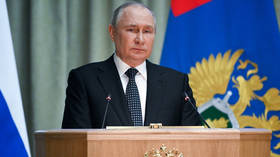
© Sputnik / Sergey Guneev
But Jesus called them unto him, and said, Ye know that the princes of the Gentiles exercise dominion over them, and they that are great exercise authority upon them. But it shall not be so among you: but whosoever will be great among you, let him be your minister; And whosoever will be chief among you, let him be your servant:
Matthew:20:25-27
Further Reading: https://m.egwwritings.org/en/book/1619.730#738
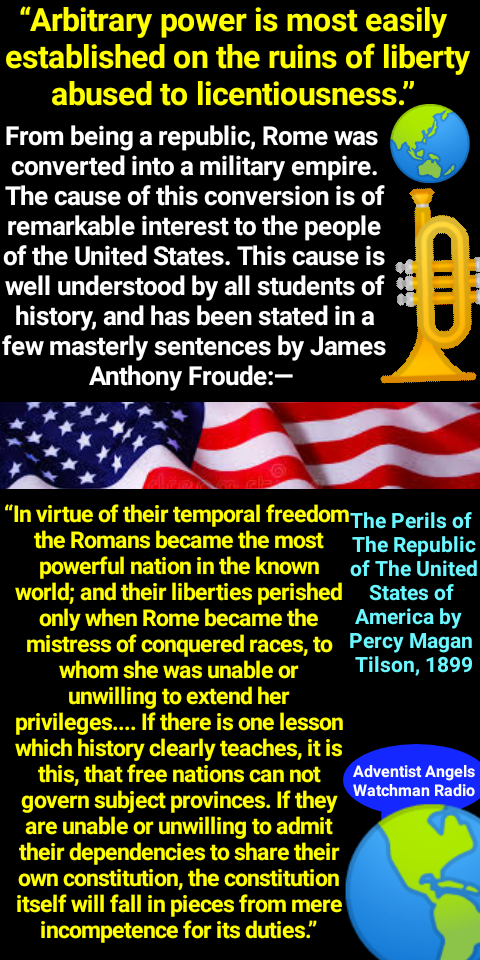
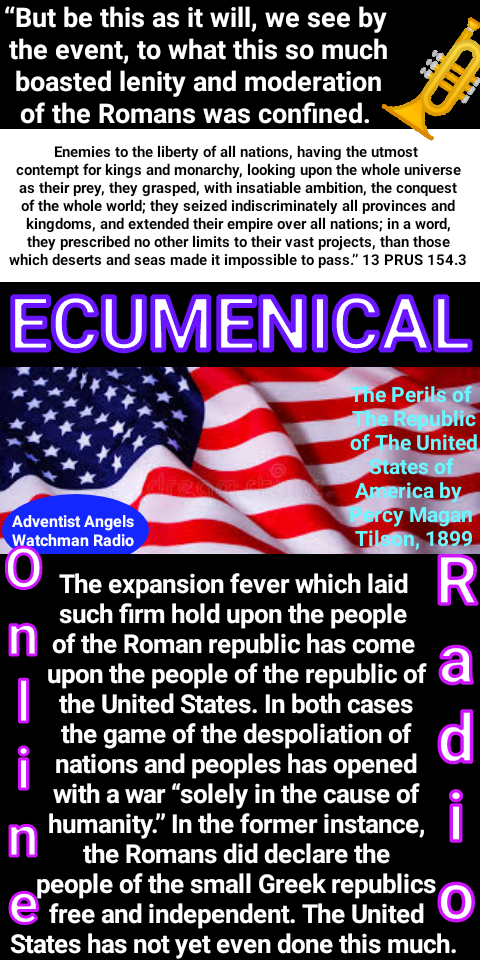
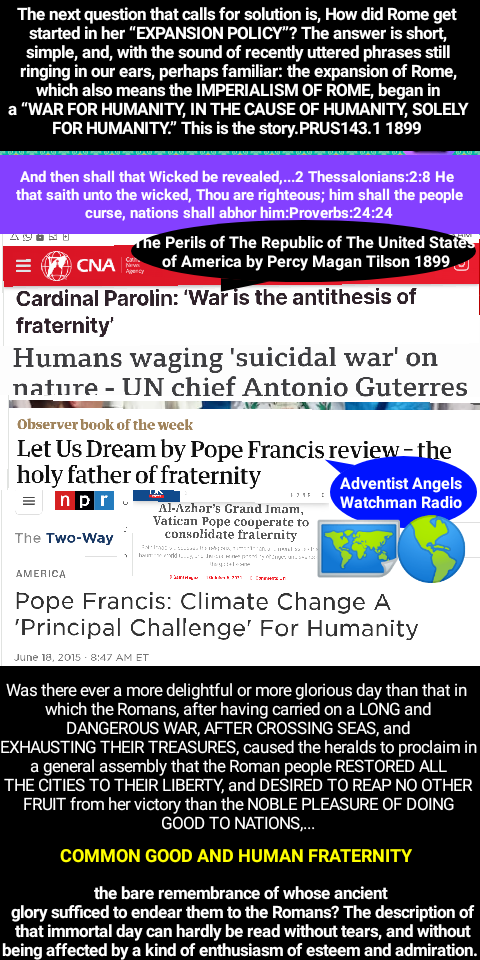
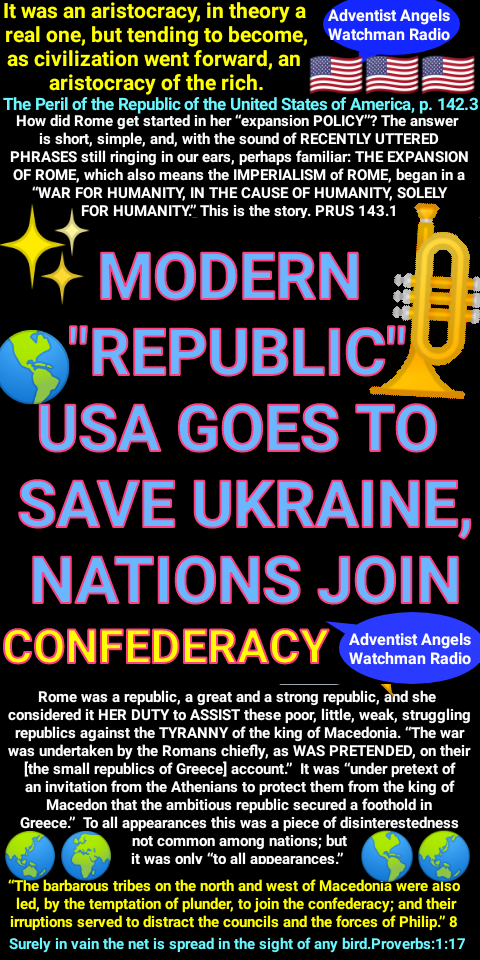
Rome became imperial because she was unable or unwilling to extend the privileges of her constitution to the nations which she conquered. This was the cause of her imperialism. The result to the Roman people themselves was that “their own liberties perished.” In refusing the privileges of her constitution to the peoples whom she had conquered, Rome denied a fundamental law of her own governmental being, and nothing else could logically follow but ruin of her government, of her constitution; that is, the ruin of the republic of Rome.
To-day the republic of the United States is coursing over the same track to the same goal. But when the tape at the end of the track is reached, the dead line of republican life will have been passed. The nation is riding for a fall just as certainly as did ancient Rome, that other great republic of the West. The one lesson which history teaches, “that free nations can not govern subject provinces,” is now being ignored and scoffed at, as if it were the veriest fairy-tale, totally unworthy of contemplation by reflective and intelligent minds. It is now being seriously urged that this nation is not “unwilling,” but only “unable,” to extend her privileges to the “conquered races.” This inability is said to be caused, not by any inherent weakness or lack upon the part of the conqueror; but because of the conditions and circumstances of the conquered. Precisely the same thing was argued in the Roman times; but such arguments availed nothing to prevent loss of liberty to the people of Rome themselves, and ruin to her constitution. Rome violated a natural law of her being, and all violations of natural law, governmental as well as physical, bring, by nature, punishment upon the transgressor In the Declaration of Independence this nation declared that she “assumed among the powers of the earth the separate and equal station to which the laws of nature and of nature’s God entitled her.” The very foundation stones of this nation then are laid in natural law. That natural law is “that all men are created equal; that they are endowed by their Creator with certain unalienable rights; that among these are life, liberty, and the pursuit of happiness; that, to secure these rights, governments are instituted among men, deriving their just powers from the consent of the governed.” The United States is now engaged in a war, the avowed purpose of which is to deprive a poor people of “liberty,” their “unalienable right.” But the natural law by means of which this nation came into existence and being declares that “to secure this right,”—liberty,—“governments are instituted among men, deriving their just powers from the consent of the governed.” But now, the government of the United States is being “instituted among men,”—the Filipinos,—not to “secure” to them, but to “deprive” them of their “rights.” If this is not the violation of a natural law of our own national being, then there never has been such a thing in the history of the world. PRUS 139.1
“Goethe compares life to a game at whist, where the cards are dealt out by destiny, and the rules of the game are fixed; subject to these conditions, the players are left to win or lose, according to their skill or want of skill. The life of a nation, like the life of a man, may be prolonged in honor into the fulness of its time, or it may perish prematurely, for want of guidance, by violence or internal disorders. And thus the history of national revolutions is to statesmanship what the pathology of disease is to the art of medicine. The physician can not arrest the coming on of age. Where disease has laid bold upon the constitution, he can not expel it; but he may check the progress of the evil if he can recognize the symptoms in time. He can save life at the cost of an unsound limb. He can tell us how to preserve our health when we have it; he can warn us of the conditions under which particular disorders will have us at disadvantage. And so with nations: amid the endless variety of circumstances there are constant phenomena which give notice of approaching danger; there are courses of action which have uniformly produced the same results; and the wise politicians are those who have learned from experience the real tendencies of things, unmisled by superficial differences, who can shun the rocks where others have been wrecked, or from foresight of what is coming can be cool when the peril is upon them.” 3 PRUS 140.1
In so many ways the times when Rome fell from her lofty estate as a republic and degenerated into a military empire are akin to our own. No historian has discerned this so clearly as Froude, and his delineation of that drama is powerful beyond description. He says:— PRUS 140.2
“With such vividness, with such transparent clearness, the age stands before us of Cato and Pompey, of Cicero and Julius Cæsar; the more distinctly because it was an age in so many ways the counterpart of our own, the blossoming period of the old civilization, when the intellect was trained to the highest point which it could reach; and on the great subjects of human interest, on morals and politics, on poetry and art, even on religion itself, and the speculative problems of life, men thought as we think, doubted where we doubt, argued as we argue, aspired and struggled after the same objects. It was an age of material progress and material civilization; an age of civil liberty and intellectual culture; an age of pamphlets and epigrams, of salons and dinner parties, of senatorial majorities and electoral corruption. The highest offices of state were open in theory to the meanest citizen; they were confined, in fact, to those who had the longest purses, or the most ready use of the tongue on popular platforms. Distinctions of birth had been exchanged for distinctions of wealth. The struggles between plebeians and patricians for equality of privilege were over, and a new division had been formed between the party of property and the party who desired a change in the structure of society. The free cultivators were disappearing from the soil. Italy was being absorbed into vast estates and held by a few favored families, and cultivated by slaves, while the old agricultural population was driven off the land, and was crowded into towns. The rich were extravagant, for life had ceased to have practical interests except for its material pleasures; the occupation of the higher classes was to obtain money without labor, and to spend it in idle enjoyment. Patriotism survived on the lips, but patriotism meant the ascendency of the party which would maintain the existing order of things, or would overthrow for a more equal distribution of the good things which alone were valued. Religion, once the foundation of the laws and rule of personal conduct, had subsided into opinion. The educated, in their hearts, disbelieved it. Temples were still built with increasing splendor; the established forms were scrupulously observed. Public men spoke conventionally of Providence, that they might throw on their opponents the odium of impiety; but of genuine belief that life had any serious meaning, there was none remaining beyond the
circle of the silent, patient, ignorant multitude. The whole spiritual atmosphere was saturated with cant-cant moral, cant political, cant religious; an affectation of high principle which had ceased to touch the conduct, and flowed on in an increasing volume of insincere and unreal speech. The truest thinkers were those who, like Lucretius, spoke frankly out their real convictions, declared that Providence was a dream, and that man and the world he lived in were material phenomena generated by natural forces out of cosmic atoms, and into atoms to be again dissolved. PRUS 140.3
“Tendencies now in operation may a few generations hence land modern society in similar conclusions, unless other convictions revive meanwhile and get the mastery over them; of which possibility no more need be said than this, that unless there be such a revival, in some shape or other, the forces, whatever they be, which control the forms in which human things adjust themselves, will make an end again, as they made an end before, of what are called free institutions. Popular forms of government are possible only when individual men can govern their own lives on moral principles, and when duty is of more importance than pleasure, and justice than material expediency.” 4 PRUS 142.1
Then it was that there came upon the Romans that extraordinary spirit of expansion, which led them to believe that theirs was a manifest destiny to rule the entire world; and in a few short years, from being a snug little country, locked in the arms of twin seas, Rome was transformed into an imperialism, set for the despoliation of every conquerable nation. On this point Froude has said:—
“Italy had fallen to them by natural and wholesome expansion; but from being sovereigns of Italy, they became a race of imperial conquerors. Suddenly and in comparatively a few years after the one power was gone which could resist them, they became the actual or virtual rulers of the entire circuit of the Mediterranean. The southeast of Spain, the coast of France from the Pyrenees to Nice, the north of Italy, Illyria and Greece, Sardinia, Sicily, and the Greek islands, the southern and western shores of Asia Minor, were Roman provinces, governed directly by Roman magistrates. On the African side, Mauritania (Morocco) was still free. Numidia (the modern Algeria) retained its native dynasty, but was a Roman dependency. The Carthaginian dominions, Tunis and Tripoli, had been annexed to the empire. The interior of Asia Minor up to the Euphrates, with Syria and Egypt, were under sovereigns, called allies, but like the native princes in India, subject to a Roman protectorate. Over this enormous territory, rich with the accumulated treasures of centuries, and inhabited by thriving, industrious races, the energetic Roman men of business had spread and settled themselves, gathering into their hands the trade, the financial administration, the entire commercial control of the Mediterranean basin. They had been trained in thrift and economy, in abhorrence of debt, in strictest habits of close and careful management. Their frugal education, their early lessons in the value of money, good and excellent as these lessons were, led them, as a matter of course, to turn to account their extraordinary opportunities. Governors with their staffs, permanent officials, contractors for the revenue, negotiators, bill-brokers, bankers, merchants, were scattered everywhere in thousands. Money poured in upon them in rolling streams of gold. The largest share of the spoils fell to the Senate and the senatorial families. The Senate was the permanent council of state, and was the real administrator of the empire. The Senate had the control of the treasury, conducted the public policy, appointed from its own ranks the governors of the provinces. It was patrician in sentiment, but not necessarily patrician in composition. The members of it had virtually been elected for life by the people, and were almost entirely those who had been quæstors, ædiles, prætors, or consuls; and these offices had been long open to the plebeians. It was an aristocracy, in theory a real one, but tending to become, as civilization went forward, an aristocracy of the rich. How the senatorial privileges affected the management of the provinces will be seen more and more particularly as we go on. It is enough at present to say that the nobles and great commoners of Rome rapidly found themselves in possession of revenues which their fathers could not have imagined in their dreams; and money, in the stage of progress at which Rome had arrived, was convertible into power.” 5 PRUS 142.3
This is a good description of the territory of Rome’s expansion, and what she did with it, when once it fell into her possession. The next question that calls for solution is, How did Rome get started in her “expansion policy”? The answer is short, simple, and, with the sound of recently uttered phrases still ringing in our ears, perhaps familiar: the expansion of Rome, which also means the imperialism of Rome, began in a “war for humanity, in the cause of humanity, solely for humanity.” This is the story. PRUS 143.1
When the second Punic war came to an end, with such a disastrous issue for the Carthaginians, and such a favorable outcome for the Romans, the latter determined immediately to crush the power of Philip, king of Macedon. True, peace had been concluded with him two or three years before, “yet the grounds of a new quarrel were soon discovered.” He was accused of having attacked the Athenians and some of the other friends of Rome. At this time the southern part of Greece was divided into a number of small republics, all of which paid more or less tribute to Philip of Macedon. Rome was a republic, a great and a strong republic, and she considered it her duty to assist these poor, little, weak, struggling republics against the tyranny of the king of Macedonia. “The war was undertaken by the Romans chiefly, as was pretended, on their [the small republics of Greece] account.” 6 It was “under pretext of an invitation from the Athenians to protect them from the king of Macedon that the ambitious republic secured a foothold in Greece.” 7 To all appearances this was a piece of disinterestedness not common among nations; but it was only “to all appearances.” “The barbarous tribes on the north and west of Macedonia were also led, by the temptation of plunder, to join the confederacy; and their irruptions served to distract the councils and the forces of Philip.” 8
Failed attempts to “destroy Russia from within” forced Ukraine and its Western “handlers” to turn to terror measures, Russian President Vladimir Putin said on Monday.
Speaking at a meeting of the Prosecutor General’s Office Board, Putin outlined how, in his opinion, the priorities of Europe and the US in regard to Russia and its military operation in Ukraine had changed over the last few weeks.
First, he said, “high-ranking diplomats in Europe and the United States” were engaged in a “strange diplomacy,” urging their “Ukrainian satellites” to do everything possible “to win on the battlefield.”
Putin was apparently referring to a recent controversial statement by top EU diplomat Josep Borrell, who, following his visit to Kiev, said that “this war will be won on the battlefield.” During a conversation last week with European Council President Charles Michel, Putin pointed to the “irresponsible statements of the EU representatives about the need to resolve the situation in Ukraine by military means.”
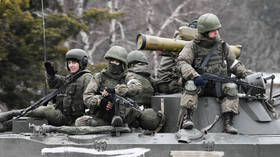
READ MORE: Putin explains Russian military’s plan in Ukraine
In Putin’s opinion, the West has since changed its goal.
“… As they realise that this is impossible, they try to achieve a different objective instead – to split Russian society, to destroy Russia from within. But here, too, there is a hitch; this hasn’t worked either,” Putin said.
In his opinion, Russian society “has shown maturity, solidarity,” and supports its armed forces and the efforts “to ensure Russia’s ultimate security and help the people living of Donbass.”
After a ‘fiasco’ in the media field, Putin claimed, the West has turned “to terror, to arranging the murder of our journalists.”
He was referring to Monday’s announcement by Russia’s Federal Security Service (FSB) that it had detained a group of “neo-Nazis” instructed by the Ukrainian Security Service (SBU) to kill popular Russian TV host and journalist Vladimir Solovyov. Kiev has denied any role in organizing the assassination attempt.
READ MORE: Ukrainian plot to kill Russian journalist foiled – Moscow
“In this regard, it should be noted of course that we know the names of all the Western handlers, of all members of Western services, primarily the CIA, who are working with Ukrainian security agencies. Apparently, they are giving them such advice,” the Russian leader said.
He added sarcastically that “This is their attitude towards the rights of journalists, towards the dissemination of information; this is their attitude towards human rights in general.”
“All they care about is their own rights, some cherishing imperial ambitions, others holding on to their colonial past in the old-fashioned way. But this will not work in Russia,” Putin claimed.
While the Kremlin has been accusing the West of attempting to divide Russian society, Western countries have been alleging that Moscow suppresses opposition, independent media, and even dissent in general. This kind of criticism has intensified following the launch of the offensive in Ukraine and subsequent measures taken by Moscow to crack down on “fake news” and so-called “foreign agents.”
Russia attacked the neighboring state in late February, following Ukraine’s failure to implement the terms of the Minsk agreements, first signed in 2014, and Moscow’s eventual recognition of the Donbass republics of Donetsk and Lugansk. The German and French brokered protocols were designed to give the breakaway regions special status within the Ukrainian state.
The Kremlin has since demanded that Ukraine officially declare itself a neutral country that will never join the US-led NATO military bloc. Kiev insists the Russian offensive was completely unprovoked and has denied claims it was planning to retake the two republics by force.
“Nothing could be more gentle and equitable than the conduct of the Romans in the beginning. They acted with the utmost moderation toward such states and nations as addressed them for protection; they succored them against their enemies, took the utmost pains in terminating their differences, and in suppressing all commotions which arose among them, and did not demand the least recompence from their allies for all these services. By this means their authority gained strength daily, and prepared the nations for entire subjection.
“And, indeed, upon pretense of offering them their good offices, of entering into their interests, and of reconciling them, they rendered themselves the sovereign arbiters of those whom they had restored to liberty, and whom they now considered, in some measure, as their freedmen. They used to depute commissioners to them, to inquire into their complaints, to weigh and examine the reasons on both sides, and to decide their quarrels; but when the articles were of such a nature that there was no possibility of reconciling them on the spot, they invited them to send their deputies to Rome. Afterward, they used, with plenary authority, to summon those who refused to be reconciled, obliged them to plead their cause before the senate, and even to appear in person there. From arbiters and mediators being become supreme judges, they soon assumed a magisterial tone, looked upon their decrees as irrevocable decisions, were greatly offended when the most implicit obedience was not paid to them, and gave the name of rebellion to a second resistance; thus there arose, in the Roman senate, a tribunal which judged all nations and kings, from which there was no appeal. This tribunal, at the end of every war, determined the rewards and punishments due to all parties. They dispossessed the vanquished nations of part of their territories, in order to bestow them on their allies, by which they did two things from which they reaped a double advantage; for they thereby engaged in the interest of Rome such kings as were in no way formidable to them, and from whom they had something to hope; and weakened others, whose friendship the Romans could not expect, and whose arms they had reason to dread.
“We shall hear one of the chief magistrates in the republic of the Achaians inveigh strongly in a public assembly against this unjust usurpation, and ask by what title the Romans are empowered to assume so haughty an ascendent over them; whether their republic was not as free and independent as that of Rome; by what right the latter pretended to force the Achaians to account for their conduct; whether they would be pleased, should the Achaians, in their turn, officially pretend to inquire into their affairs, and whether matters ought not to be on the same footing on both sides? All these reflections were very reasonable, just, and unanswerable; and the Romans had no advantage in the question but force.
“Nothing could be more gentle and equitable than the conduct of the Romans in the beginning. They acted with the utmost moderation toward such states and nations as addressed them for protection; they succored them against their enemies, took the utmost pains in terminating their differences, and in suppressing all commotions which arose among them, and did not demand the least recompence from their allies for all these services. By this means their authority gained strength daily, and prepared the nations for entire subjection. PRUS 152.3
“And, indeed, upon pretense of offering them their good offices, of entering into their interests, and of reconciling them, they rendered themselves the sovereign arbiters of those whom they had restored to liberty, and whom they now considered, in some measure, as their freedmen. They used to depute commissioners to them, to inquire into their complaints, to weigh and examine the reasons on both sides, and to decide their quarrels; but when the articles were of such a nature that there was no possibility of reconciling them on the spot, they invited them to send their deputies to Rome. Afterward, they used, with plenary authority, to summon those who refused to be reconciled, obliged them to plead their cause before the senate, and even to appear in person there. From arbiters and mediators being become supreme judges, they soon assumed a magisterial tone, looked upon their decrees as irrevocable decisions, were greatly offended when the most implicit obedience was not paid to them, and gave the name of rebellion to a second resistance; thus there arose, in the Roman senate, a tribunal which judged all nations and kings, from which there was no appeal. This tribunal, at the end of every war, determined the rewards and punishments due to all parties. They dispossessed the vanquished nations of part of their territories, in order to bestow them on their allies, by which they did two things from which they reaped a double advantage; for they thereby engaged in the interest of Rome such kings as were in no way formidable to them, and from whom they had something to hope; and weakened others, whose friendship the Romans could not expect, and whose arms they had reason to dread. PRUS 152.4
“We shall hear one of the chief magistrates in the republic of the Achaians inveigh strongly in a public assembly against this unjust usurpation, and ask by what title the Romans are empowered to assume so haughty an ascendent over them; whether their republic was not as free and independent as that of Rome; by what right the latter pretended to force the Achaians to account for their conduct; whether they would be pleased, should the Achaians, in their turn, officially pretend to inquire into their affairs, and whether matters ought not to be on the same footing on both sides? All these reflections were very reasonable, just, and unanswerable; and the Romans had no advantage in the question but force.
“But be this as it will, we see by the event, to what this so much boasted lenity and moderation of the Romans was confined. Enemies to the liberty of all nations, having the utmost contempt for kings and monarchy, looking upon the whole universe as their prey, they grasped, with insatiable ambition, the conquest of the whole world; they seized indiscriminately all provinces and kingdoms, and extended their empire over all nations; in a word, they prescribed no other limits to their vast projects, than those which deserts and seas made it impossible to pass.”
The expansion fever which laid such firm hold upon the people of the Roman republic has come upon the people of the republic of the United States. In both cases the game of the despoliation of nations and peoples has opened with a war “solely in the cause of humanity.” In the former instance, the Romans did declare the people of the small Greek republics free and independent. The United States has not yet even done this much. The republics of Greece never became free. The “war for humanity” never gave them their liberty. They soon found, and that to their bitter disappointment, that they had only exchanged masters, and that the little finger of Rome was thicker than the loins of Philip of Macedon, and that if the king had chastised them with whips, the republic chastised them with scorpions. They soon found to their intense sorrow that in the “war for humanity” there had been a transfer made, and that they had been the subject of barter. It did not take them long to discover that they had only acquired a slavery more abject and complete than that which they had endured under their previous ruler. It was as much more complete as Rome was more powerful than Macedon.
Adapted from the book the Perils of the Republic of the United States of America by Percy Magan Tilson,1899
https://m.egwwritings.org/en/book/1619.730#752
You can share this story on social media:
China Threat ‘Unprecedented in History’: FBI Director
Senators Release Bank Records Showing Payments From China to Hunter Biden
China Sells Western Currency and Oil Assets to Avoid Sanctions
0:00
26:9
0:00
By Kylie Atwood and Jennifer Hansler, CNN
Updated 2013 GMT (0413 HKT) April 25, 2022
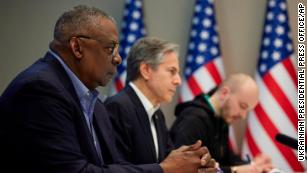
Secretary of Defense Lloyd Austin, left, and Secretary of State Antony Blinken, center, attend their meeting Sunday, April 24, 2022, with Ukrainian President Volodymyr Zelensky.
But Jesus called them unto him, and said, Ye know that the princes of the Gentiles exercise dominion over them, and they that are great exercise authority upon them. But it shall not be so among you: but whosoever will be great among you, let him be your minister; And whosoever will be chief among you, let him be your servant:
Matthew:20:25-27
Further Reading: https://m.egwwritings.org/en/book/1619.730#738
Rome became imperial because she was unable or unwilling to extend the privileges of her constitution to the nations which she conquered. This was the cause of her imperialism. The result to the Roman people themselves was that “their own liberties perished.” In refusing the privileges of her constitution to the peoples whom she had conquered, Rome denied a fundamental law of her own governmental being, and nothing else could logically follow but ruin of her government, of her constitution; that is, the ruin of the republic of Rome.
To-day the republic of the United States is coursing over the same track to the same goal. But when the tape at the end of the track is reached, the dead line of republican life will have been passed. The nation is riding for a fall just as certainly as did ancient Rome, that other great republic of the West. The one lesson which history teaches, “that free nations can not govern subject provinces,” is now being ignored and scoffed at, as if it were the veriest fairy-tale, totally unworthy of contemplation by reflective and intelligent minds. It is now being seriously urged that this nation is not “unwilling,” but only “unable,” to extend her privileges to the “conquered races.” This inability is said to be caused, not by any inherent weakness or lack upon the part of the conqueror; but because of the conditions and circumstances of the conquered. Precisely the same thing was argued in the Roman times; but such arguments availed nothing to prevent loss of liberty to the people of Rome themselves, and ruin to her constitution. Rome violated a natural law of her being, and all violations of natural law, governmental as well as physical, bring, by nature, punishment upon the transgressor In the Declaration of Independence this nation declared that she “assumed among the powers of the earth the separate and equal station to which the laws of nature and of nature’s God entitled her.” The very foundation stones of this nation then are laid in natural law. That natural law is “that all men are created equal; that they are endowed by their Creator with certain unalienable rights; that among these are life, liberty, and the pursuit of happiness; that, to secure these rights, governments are instituted among men, deriving their just powers from the consent of the governed.” The United States is now engaged in a war, the avowed purpose of which is to deprive a poor people of “liberty,” their “unalienable right.” But the natural law by means of which this nation came into existence and being declares that “to secure this right,”—liberty,—“governments are instituted among men, deriving their just powers from the consent of the governed.” But now, the government of the United States is being “instituted among men,”—the Filipinos,—not to “secure” to them, but to “deprive” them of their “rights.” If this is not the violation of a natural law of our own national being, then there never has been such a thing in the history of the world. PRUS 139.1
“Goethe compares life to a game at whist, where the cards are dealt out by destiny, and the rules of the game are fixed; subject to these conditions, the players are left to win or lose, according to their skill or want of skill. The life of a nation, like the life of a man, may be prolonged in honor into the fulness of its time, or it may perish prematurely, for want of guidance, by violence or internal disorders. And thus the history of national revolutions is to statesmanship what the pathology of disease is to the art of medicine. The physician can not arrest the coming on of age. Where disease has laid bold upon the constitution, he can not expel it; but he may check the progress of the evil if he can recognize the symptoms in time. He can save life at the cost of an unsound limb. He can tell us how to preserve our health when we have it; he can warn us of the conditions under which particular disorders will have us at disadvantage. And so with nations: amid the endless variety of circumstances there are constant phenomena which give notice of approaching danger; there are courses of action which have uniformly produced the same results; and the wise politicians are those who have learned from experience the real tendencies of things, unmisled by superficial differences, who can shun the rocks where others have been wrecked, or from foresight of what is coming can be cool when the peril is upon them.” 3 PRUS 140.1
In so many ways the times when Rome fell from her lofty estate as a republic and degenerated into a military empire are akin to our own. No historian has discerned this so clearly as Froude, and his delineation of that drama is powerful beyond description. He says:— PRUS 140.2
“With such vividness, with such transparent clearness, the age stands before us of Cato and Pompey, of Cicero and Julius Cæsar; the more distinctly because it was an age in so many ways the counterpart of our own, the blossoming period of the old civilization, when the intellect was trained to the highest point which it could reach; and on the great subjects of human interest, on morals and politics, on poetry and art, even on religion itself, and the speculative problems of life, men thought as we think, doubted where we doubt, argued as we argue, aspired and struggled after the same objects. It was an age of material progress and material civilization; an age of civil liberty and intellectual culture; an age of pamphlets and epigrams, of salons and dinner parties, of senatorial majorities and electoral corruption. The highest offices of state were open in theory to the meanest citizen; they were confined, in fact, to those who had the longest purses, or the most ready use of the tongue on popular platforms. Distinctions of birth had been exchanged for distinctions of wealth. The struggles between plebeians and patricians for equality of privilege were over, and a new division had been formed between the party of property and the party who desired a change in the structure of society. The free cultivators were disappearing from the soil. Italy was being absorbed into vast estates and held by a few favored families, and cultivated by slaves, while the old agricultural population was driven off the land, and was crowded into towns. The rich were extravagant, for life had ceased to have practical interests except for its material pleasures; the occupation of the higher classes was to obtain money without labor, and to spend it in idle enjoyment. Patriotism survived on the lips, but patriotism meant the ascendency of the party which would maintain the existing order of things, or would overthrow for a more equal distribution of the good things which alone were valued. Religion, once the foundation of the laws and rule of personal conduct, had subsided into opinion. The educated, in their hearts, disbelieved it. Temples were still built with increasing splendor; the established forms were scrupulously observed. Public men spoke conventionally of Providence, that they might throw on their opponents the odium of impiety; but of genuine belief that life had any serious meaning, there was none remaining beyond the
circle of the silent, patient, ignorant multitude. The whole spiritual atmosphere was saturated with cant-cant moral, cant political, cant religious; an affectation of high principle which had ceased to touch the conduct, and flowed on in an increasing volume of insincere and unreal speech. The truest thinkers were those who, like Lucretius, spoke frankly out their real convictions, declared that Providence was a dream, and that man and the world he lived in were material phenomena generated by natural forces out of cosmic atoms, and into atoms to be again dissolved. PRUS 140.3
“Tendencies now in operation may a few generations hence land modern society in similar conclusions, unless other convictions revive meanwhile and get the mastery over them; of which possibility no more need be said than this, that unless there be such a revival, in some shape or other, the forces, whatever they be, which control the forms in which human things adjust themselves, will make an end again, as they made an end before, of what are called free institutions. Popular forms of government are possible only when individual men can govern their own lives on moral principles, and when duty is of more importance than pleasure, and justice than material expediency.” 4 PRUS 142.1
Then it was that there came upon the Romans that extraordinary spirit of expansion, which led them to believe that theirs was a manifest destiny to rule the entire world; and in a few short years, from being a snug little country, locked in the arms of twin seas, Rome was transformed into an imperialism, set for the despoliation of every conquerable nation. On this point Froude has said:—
“Italy had fallen to them by natural and wholesome expansion; but from being sovereigns of Italy, they became a race of imperial conquerors. Suddenly and in comparatively a few years after the one power was gone which could resist them, they became the actual or virtual rulers of the entire circuit of the Mediterranean. The southeast of Spain, the coast of France from the Pyrenees to Nice, the north of Italy, Illyria and Greece, Sardinia, Sicily, and the Greek islands, the southern and western shores of Asia Minor, were Roman provinces, governed directly by Roman magistrates. On the African side, Mauritania (Morocco) was still free. Numidia (the modern Algeria) retained its native dynasty, but was a Roman dependency. The Carthaginian dominions, Tunis and Tripoli, had been annexed to the empire. The interior of Asia Minor up to the Euphrates, with Syria and Egypt, were under sovereigns, called allies, but like the native princes in India, subject to a Roman protectorate. Over this enormous territory, rich with the accumulated treasures of centuries, and inhabited by thriving, industrious races, the energetic Roman men of business had spread and settled themselves, gathering into their hands the trade, the financial administration, the entire commercial control of the Mediterranean basin. They had been trained in thrift and economy, in abhorrence of debt, in strictest habits of close and careful management. Their frugal education, their early lessons in the value of money, good and excellent as these lessons were, led them, as a matter of course, to turn to account their extraordinary opportunities. Governors with their staffs, permanent officials, contractors for the revenue, negotiators, bill-brokers, bankers, merchants, were scattered everywhere in thousands. Money poured in upon them in rolling streams of gold. The largest share of the spoils fell to the Senate and the senatorial families. The Senate was the permanent council of state, and was the real administrator of the empire. The Senate had the control of the treasury, conducted the public policy, appointed from its own ranks the governors of the provinces. It was patrician in sentiment, but not necessarily patrician in composition. The members of it had virtually been elected for life by the people, and were almost entirely those who had been quæstors, ædiles, prætors, or consuls; and these offices had been long open to the plebeians. It was an aristocracy, in theory a real one, but tending to become, as civilization went forward, an aristocracy of the rich. How the senatorial privileges affected the management of the provinces will be seen more and more particularly as we go on. It is enough at present to say that the nobles and great commoners of Rome rapidly found themselves in possession of revenues which their fathers could not have imagined in their dreams; and money, in the stage of progress at which Rome had arrived, was convertible into power.” 5 PRUS 142.3
This is a good description of the territory of Rome’s expansion, and what she did with it, when once it fell into her possession. The next question that calls for solution is, How did Rome get started in her “expansion policy”? The answer is short, simple, and, with the sound of recently uttered phrases still ringing in our ears, perhaps familiar: the expansion of Rome, which also means the imperialism of Rome, began in a “war for humanity, in the cause of humanity, solely for humanity.” This is the story. PRUS 143.1
When the second Punic war came to an end, with such a disastrous issue for the Carthaginians, and such a favorable outcome for the Romans, the latter determined immediately to crush the power of Philip, king of Macedon. True, peace had been concluded with him two or three years before, “yet the grounds of a new quarrel were soon discovered.” He was accused of having attacked the Athenians and some of the other friends of Rome. At this time the southern part of Greece was divided into a number of small republics, all of which paid more or less tribute to Philip of Macedon. Rome was a republic, a great and a strong republic, and she considered it her duty to assist these poor, little, weak, struggling republics against the tyranny of the king of Macedonia. “The war was undertaken by the Romans chiefly, as was pretended, on their [the small republics of Greece] account.” 6 It was “under pretext of an invitation from the Athenians to protect them from the king of Macedon that the ambitious republic secured a foothold in Greece.” 7 To all appearances this was a piece of disinterestedness not common among nations; but it was only “to all appearances.” “The barbarous tribes on the north and west of Macedonia were also led, by the temptation of plunder, to join the confederacy; and their irruptions served to distract the councils and the forces of Philip.” 8
(CNN)Secretary of State Antony Blinken and Secretary of Defense Lloyd Austin insisted Monday that Russia was failing in its Ukraine incursion, with Austin explicitly saying that the US wants to see Russia’s military capabilities weakened.
The two top US officials, speaking at a news conference at an undisclosed location in Poland near the Ukrainian border, made the comments following a trip to Kyiv, where they met with Ukrainian President Volodymyr Zelensky to pledge US support in the war and announce that US diplomats would be returning to Ukraine.
“We want to see Russia weakened to the degree that it can’t do the kinds of things that it has done in invading Ukraine,” Austin said at the news conference. “So it has already lost a lot of military capability. And a lot of its troops, quite frankly. And we want to see them not have the capability to very quickly reproduce that capability.”
Blinken told reporters that Russian attempts to “subjugate Ukraine and take its independence” has “failed.”
“Russia has sought as its principal aim to totally subjugate Ukraine, to take away its sovereignty, to take away its independence — that has failed. It has sought to assert the power of its military and its economy. We, of course, are seeing just the opposite, a military that is dramatically underperforming and an economy … as a result of sanctions that is in shambles,” Blinken said.
“We don’t know how the rest of this war will unfold, but we do know that a sovereign independent Ukraine will be around a lot longer than Vladimir Putin is on the scene,” he said.
Enter your email to sign up for CNN’s “Meanwhile in China” Newsletter.

What’s happening in China and what does it mean for the rest of the world?Sign Me Up
By subscribing you agree to our
The remarks are the latest in a series of public comments by US leaders challenging Putin’s longevity as Russia’s President and as the war in Ukraine has shifted to a new phrase in the east. US President Joe Biden and the White House have said the US is not officially calling for regime change and officials have also predicted a potentially drawn-out conflict.
Austin’s comments also seem to represent a further extension of US goals, building on past comments from Blinken and other officials about Moscow’s status at the end of the war.
Blinken last week said in a statement that the US’ “continued efforts to ratchet up pressure on Putin’s crumbling economy together will help weaken the Russian Government’s position and further isolate them from the world until Russia ends its unprovoked and unjustified war on Ukraine.”
The White House said Monday that Austin was talking about the US “objective to prevent” the Russian military from taking over Ukraine, and described it as consistent with the administration’s long-held goal.
Asked about the defense secretary’s comments, a National Security Council spokesperson said the US wants Ukraine to win and “that’s why we’re doing everything we can to help Ukraine defend its sovereignty and territorial integrity, and to strengthen the Ukrainians’ hands on the battlefield and at the negotiating table.”
A senior State Department official told the traveling press Monday that such negotiations are “evolving,” noting that “Russia’s hand has been weakened as a result of these first two months, Ukraine’s hand has been strengthened, that effects the positions that there would be in any negotiation,” but “part of the problem is as best we can tell there is no effective negotiation going on right now.”
The visit to Kyiv by Blinken and Austin makes them the highest-level US officials to have traveled to the country since the Russian invasion began in late February.
While in Kyiv, Blinken and Austin met with Zelensky, Foreign Minister Dmytro Kuleba, Defense Minister Oleksiy Reznikov and Interior Minister Denys Monastrysky for an extended, roughly 90-minute bilateral meeting, the senior State Department official said.
RELATED: Live Updates: Russia’s war in Ukraine
As part of the resumed US diplomatic presence in Ukraine, diplomats will “start with day trips into the Lviv” and “will graduate to potentially other parts of the country and ultimately, to resume presence in Kyiv,” according to a senior State Department official.
Blinken and Austin discussed the Biden administration’s intention to provide $713 million in additional foreign military financing to Ukraine and allied European and Balkan partners, according to the senior State Department official and a senior Defense Department official. Part of that new military assistance funding will help Ukraine transition to NATO-capable systems, the State Department official said. The two secretaries also discussed deliveries of recent US military assistance to Ukraine and the ongoing training for Ukrainian soldiers, the officials said.
Biden on Monday announced that he will nominate Bridget Brink as US ambassador to Ukraine. The post that has been without a confirmed ambassador since Marie Yovanovitch was recalled in May 2019. Brink is the current US ambassador to Slovakia.
Zelensky’s office issued a readout of the meeting on Monday, stressing the importance of the visit and saying the country “counts on the support of our partners.”
“We appreciate the unprecedented assistance of the United States to Ukraine,” Zelensky said, according to the readout. “I would like to thank President Biden personally and on behalf of the entire Ukrainian people for his leadership in supporting Ukraine, for his personal clear position. To thank all the American people, as well as the Congress for their bicameral and bipartisan support. We see it. We feel it.”
The traveling US press corps did not travel with the secretaries to the Ukrainian capital. In a background briefing, the State and Defense officials made clear that the US military would still not be involved directly in the war.
“The President has been very clear there will be no US troops fighting in Ukraine and that includes the skies over Ukraine,” the defense official said, adding, “This visit does not portend actual involvement by US forces.”
In the Monday press briefing, Austin said the US believes Ukraine can win the war against Russia with “the right equipment and the right support.”
“In terms of their ability to win — the first step in winning is believing that you can win. And so, they believe that we can win. We believe that we — they — can win, if they have the right equipment, the right support, and we’re going to do everything we can and continue to do everything we can,” Austin told reporters.
He said, “we’re going to push as hard as we can as quickly as we can to get them what they need”, adding that the nature of the fight between Ukraine and Russia has evolved. He said “they’re now focused on is a different type of terrain. So they need long-range fire.”
While officials hailed the trip as a testament to the US commitment to Ukraine, they have also faced questions about why Biden did not make the trip himself.
“The President of the United States is somewhat singular, in terms of what travel would require. So it goes well beyond what a Cabinet secretary would or what virtually any other world leader would require,” the State Department official noted.
UK Prime Minister Boris Johnson visited the country earlier this month. Top officials from the EU and the Baltics have also visited Zelensky in Kyiv.
What happens to weapons sent to Ukraine? The US doesn’t really know
Blinken and Austin’s visit came as the first tranche of about 50 Ukrainians will complete artillery training in a country outside Ukraine, the defense official said. Another tranche of about 50 Ukrainians will also begin training soon, the defense official said.
“The first tranche of artillery training is complete,” Pentagon spokesperson John Kirby told reporters Sunday who traveled to the region with the secretaries in a briefing in Poland. “We train soldiers that will go back, and their colleagues will be able to follow and be all in on systems.”
Some of the howitzers included in the most recent military assistance package for Ukraine are already in the country, the defense official said. The howitzers are expected to be effective at this stage of the war as it’s shifted to the Donbas, where the terrain is suited to “long range” weaponry, Kirby said.
Kirby noted the speed with which the military assistance shipments has arrived in Ukraine and said that the decision for how to deploy the assistance is up to the Ukrainians.
“It’s not taking more than 24 to 48 hours depending on what’s being shipped and the availability of ground transportation to get it into Ukraine,” Kirby said. “As we’ve said before, when (the assistance is) transferred to Ukrainian hands, it’s Ukrainian property, and we are not dictating to them how fast they get it to the front line or what units get them.”
Military officials described to reporters the ongoing concern among NATO countries about the threat that Russia poses to them.
“Not just here in Poland, I think many of the countries are concerned about Russia’s next steps,” said Lt. Gen. John Stephen Kolasheski, the commanding general of V Corps in Poland. “And are very pleased to have the US military here working side by side — helping them develop their capabilities and capacity. … I think they are recognizing that Russia is currently and will be a threat in the future.”
 Do you speak English? Work for a USA company, Live in NairobiSponsored: Find Jobs Online | Search Ads
 Kenya: Countries might be offering citizenship by investmentSponsored: Citizenship | Search ads
 Nairobi: The Cost of Solar Panels May Surprise YouSponsored: Solar panels | Search ads
 An incredible slimming product for the stomachSponsored: Well-being-review.com
 Online Job in USA from Kenya. Salaries May Surprise YouSponsored: USA Job from Home | Search Ads
 Kenya warehouse workers wanted in the USA (see options)Sponsored: Warehouse jobs | Search ads



 Nairobi – I prezzi di questi SUVpotrebbero sorprenderti!Sponsored: Auto in vendita | Annunci di ricercaAt 70, Jay Leno Lives Modest Life With His PartnerSponsored: paydayville
 Housekeeping employees needed in US (see salaries)Sponsored: Housekeeping jobs | Search ads
 Work as a nurse in the USA (see their salaries)Sponsored: Nursing jobs | Search ads
 Experts Ranked The Best US Presidents. Guess Who No. 1 IsSponsored: Cleverst[Photo] This Is How Luxurious Greta Thunberg Lives[Pics] This Is How Luxurious Greta Thunberg LivesSponsored: D o c t o R e p o r t
Search
FOLLOW CNN POLITICS
© 2022 Cable News Network.A Warner Bros. Discovery Company.All Rights Reserved.CNN Sans ™ & © 2016 Cable News Network.
null
 Adventist Angels Watchman Radio