Welcome to Adventist Angels Watchman Radio official website, preparing the earth for Jesus Christ return Shortly, find us on Facebook, Twitter and You-tube. +254734228119 With Ev. King Osiemo
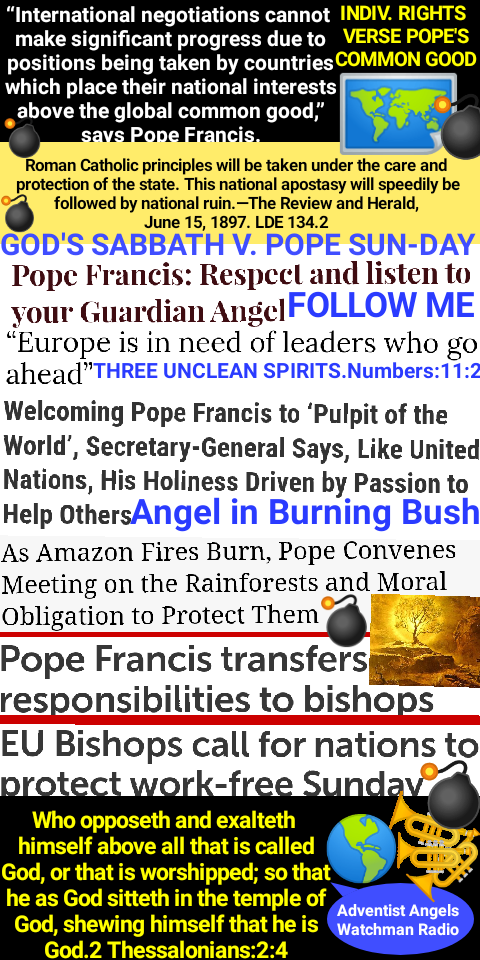
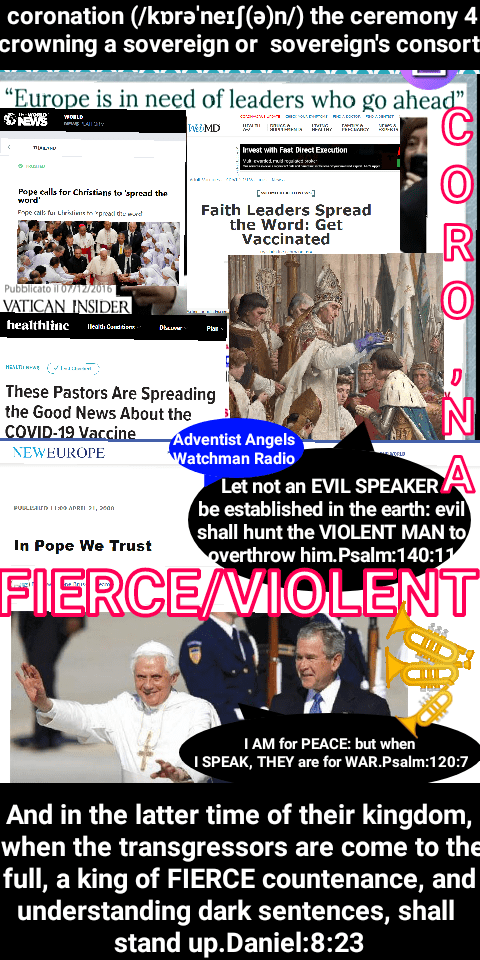
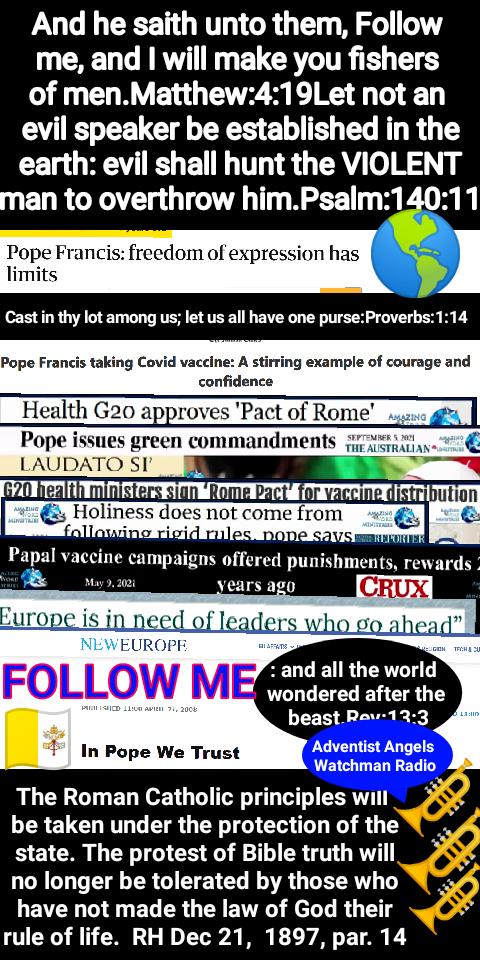
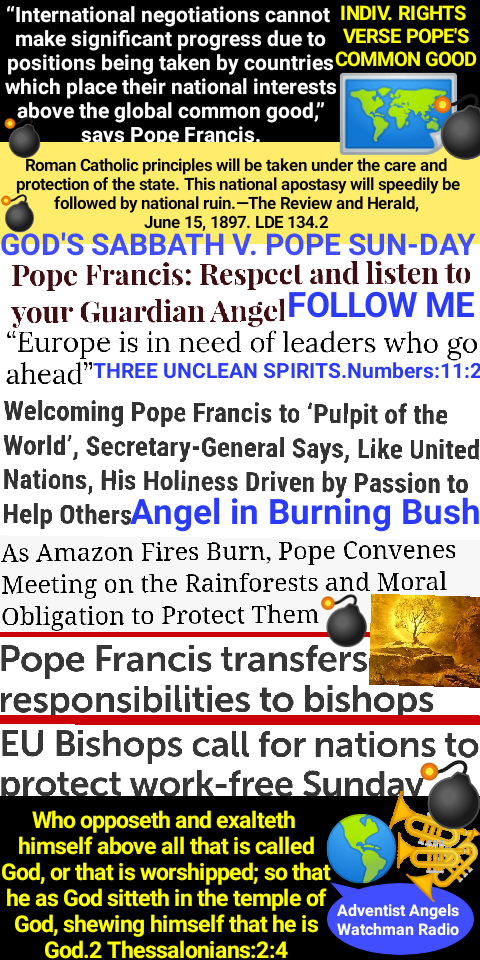
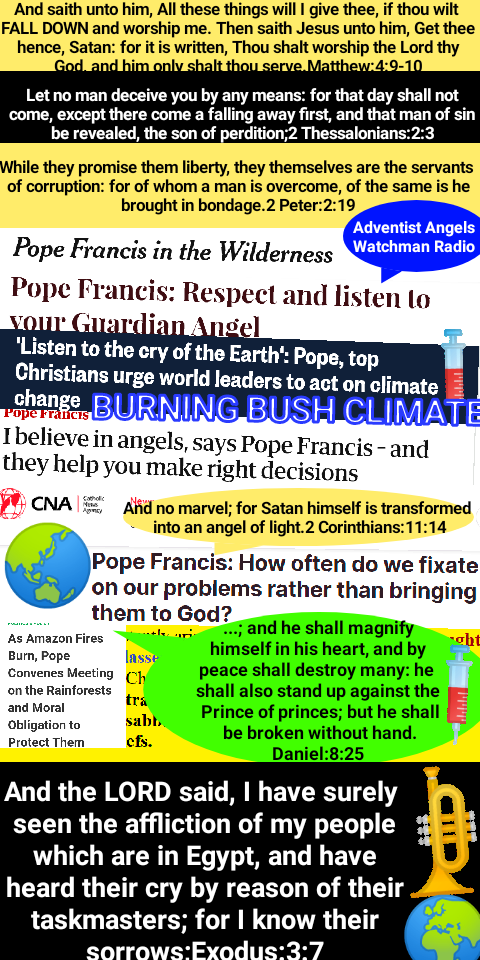
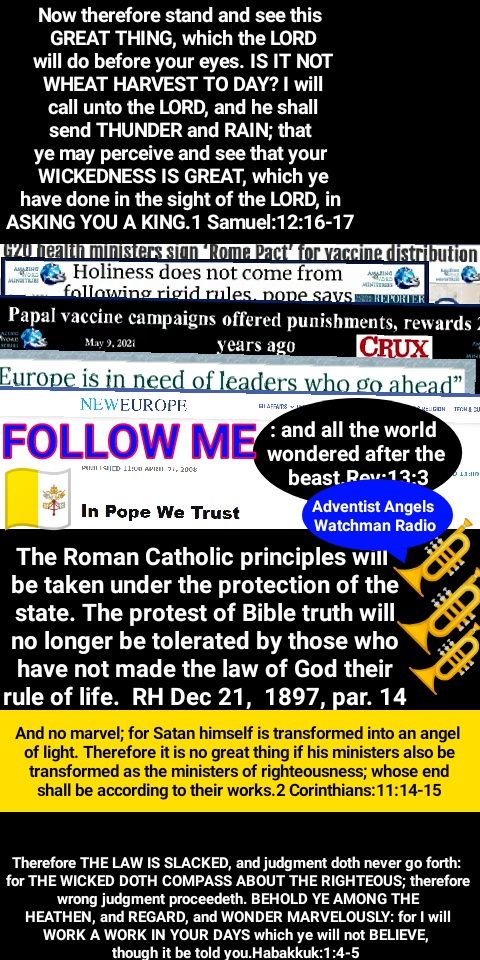
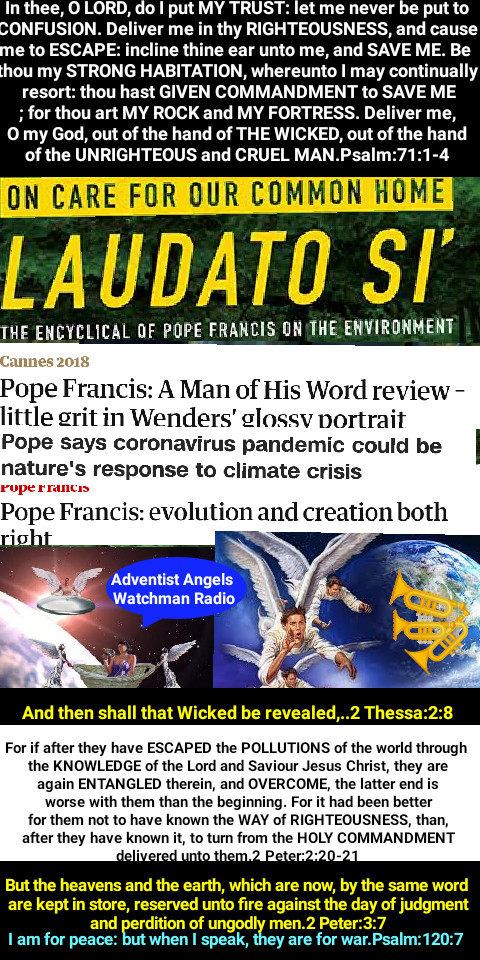
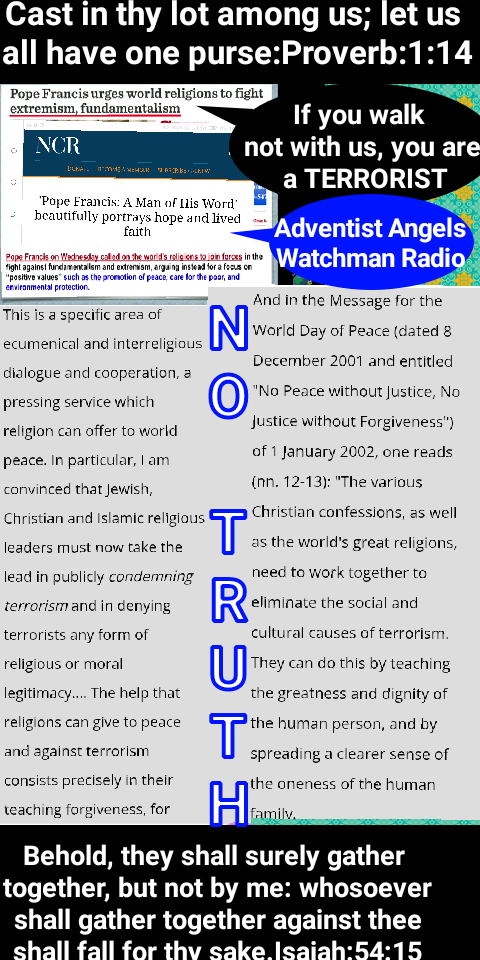
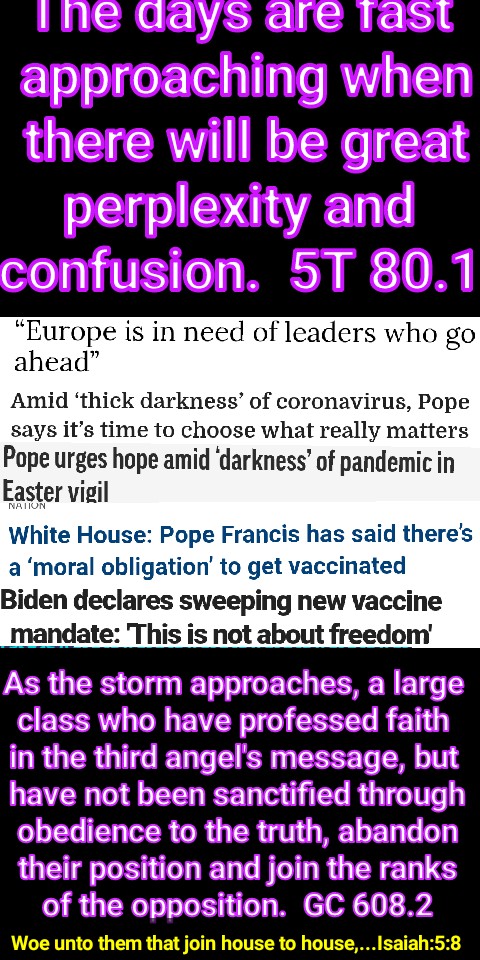
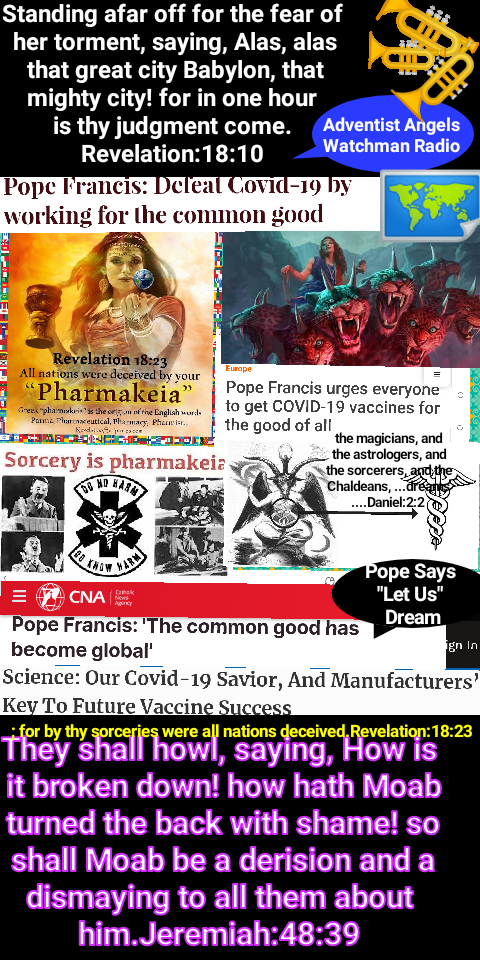
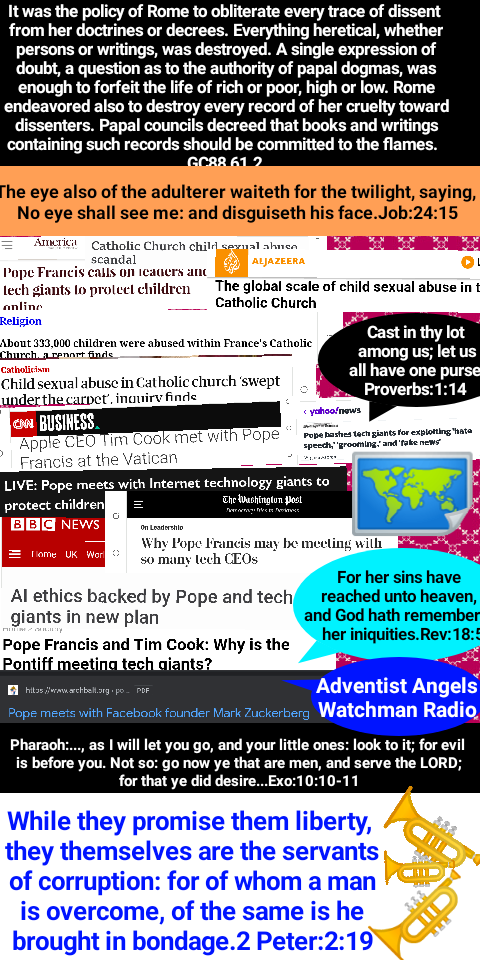
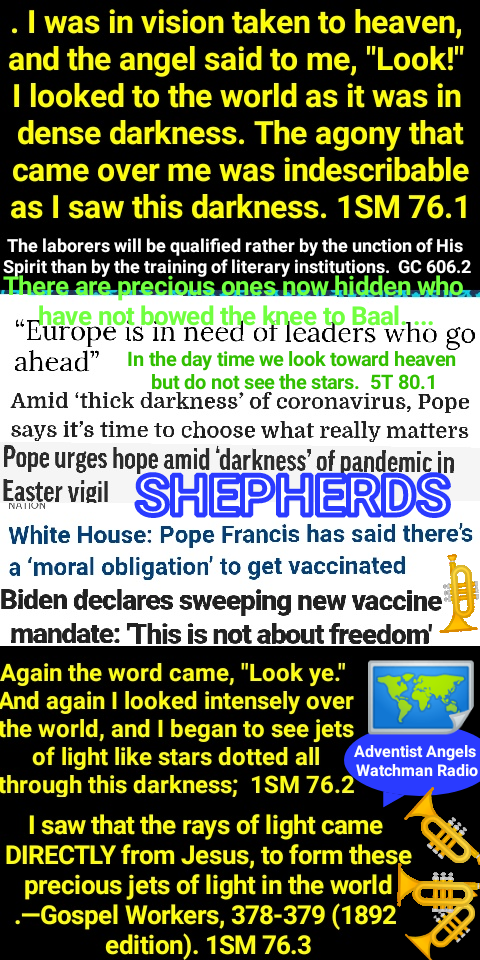
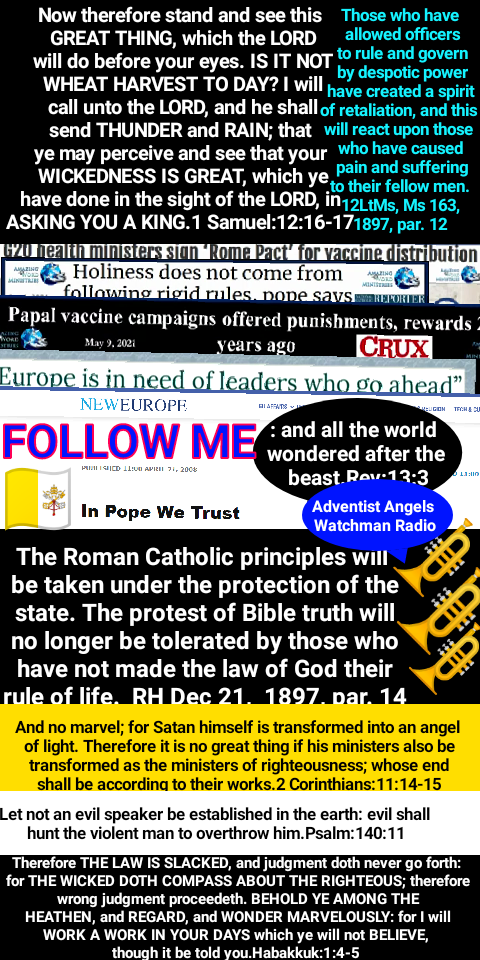
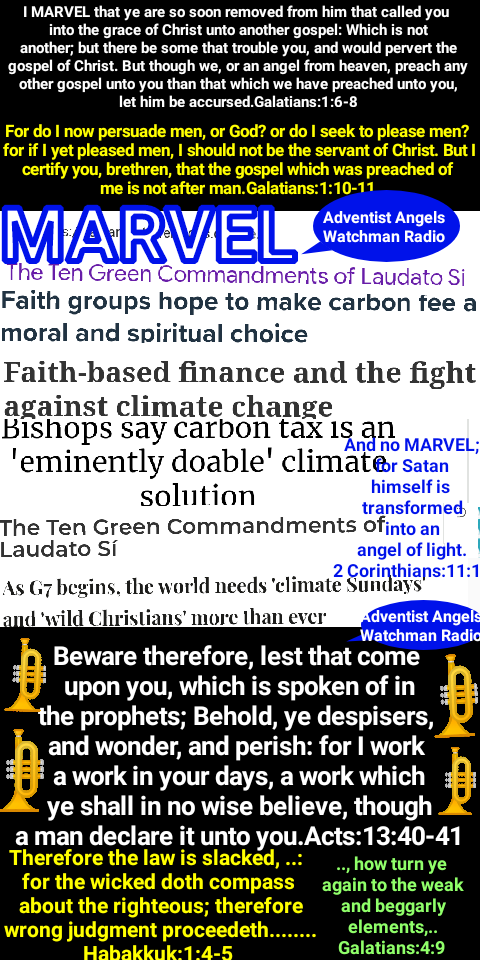
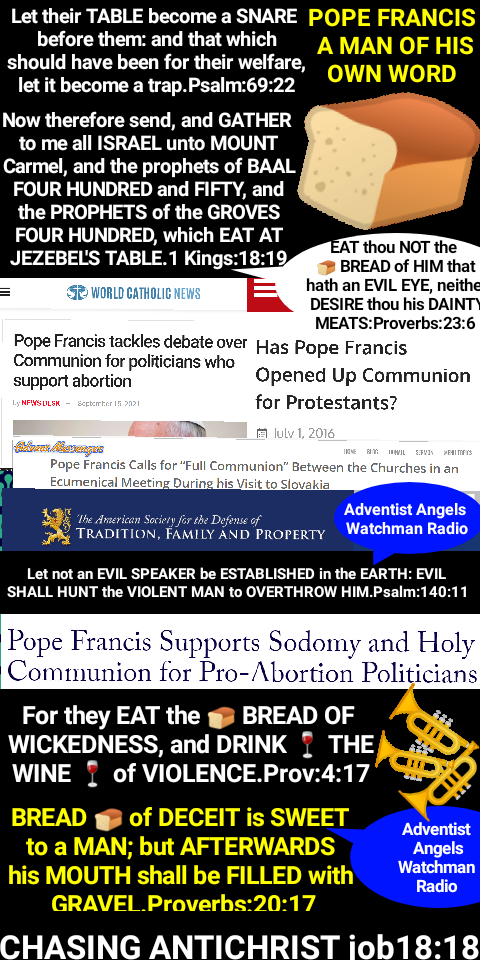
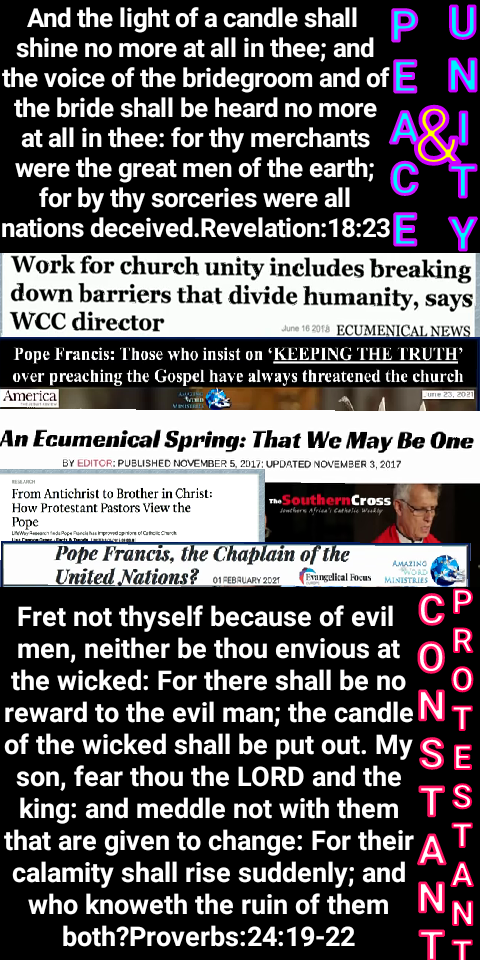
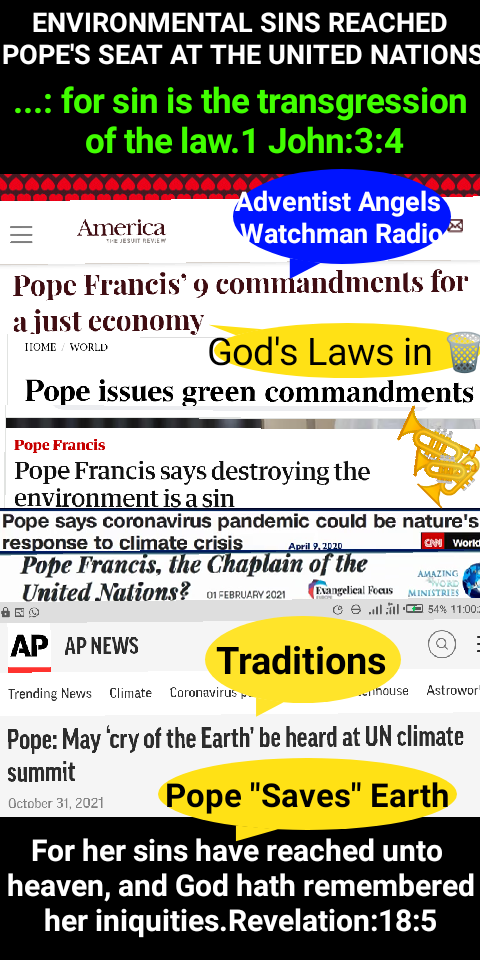
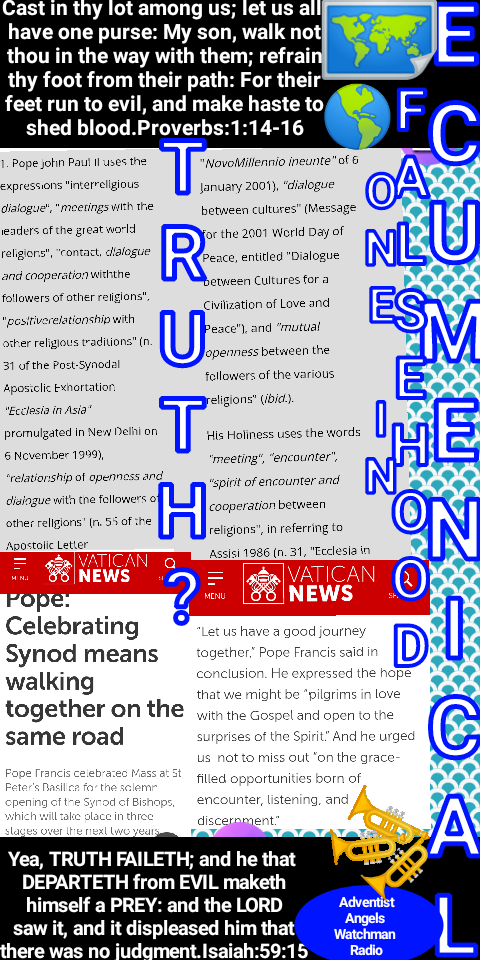
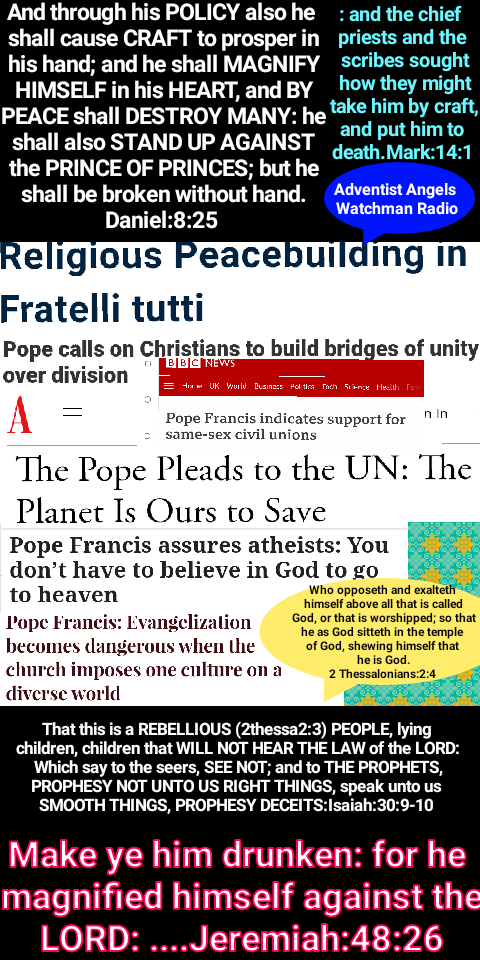
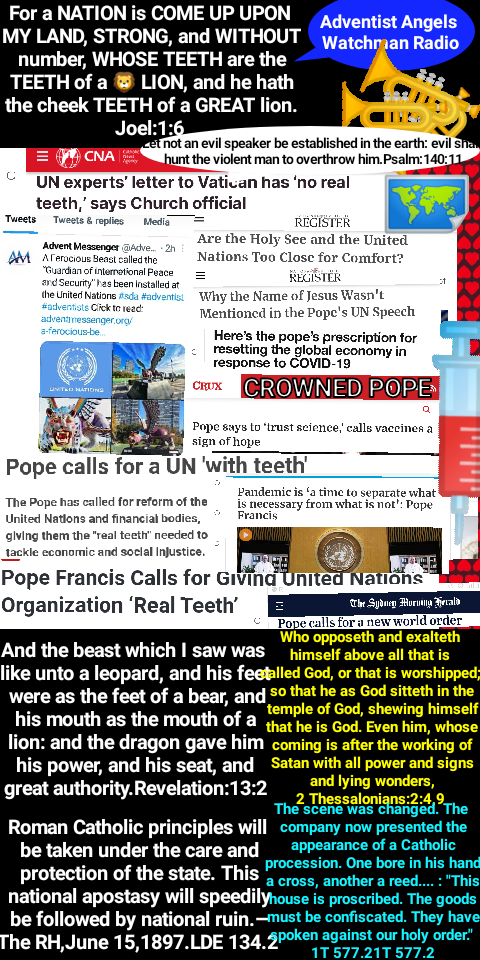
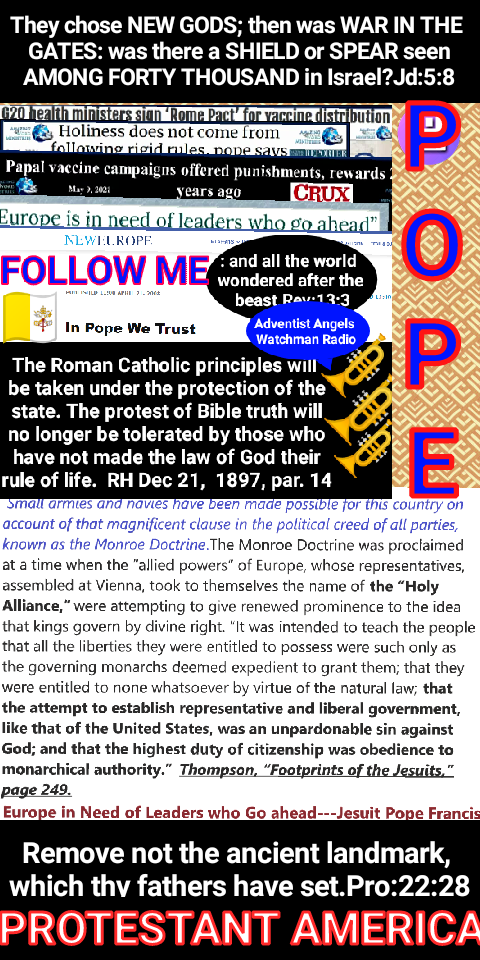
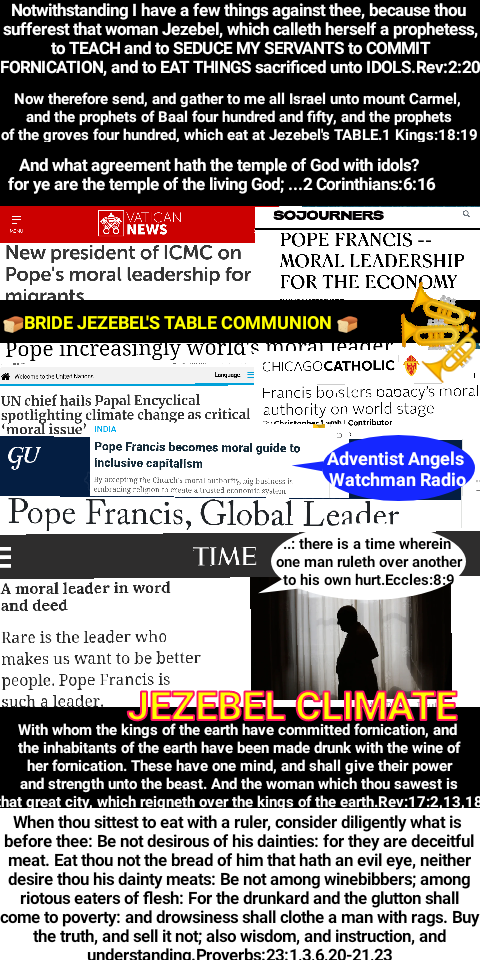
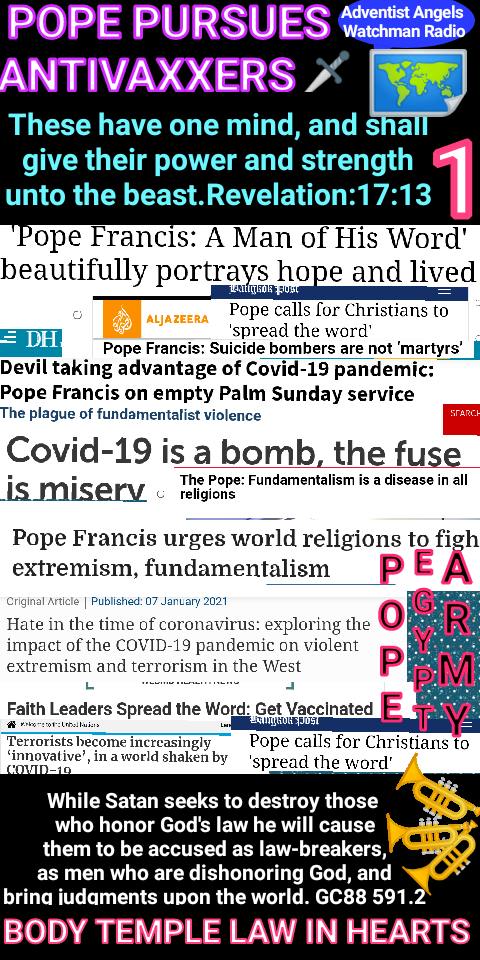
The Jesuit Cardinal Jean-Claude Hollerich, S.J. is the President of the Commission of Bishops’ Conferences of the European Union (COMECE). This is the Vatican-led agency that represents Pope Francis in the European Union. On May 9, 2022, Cardinal Jean-Claude Hollerich, S.J. announced that the “Catholic Church in Europe will continue to be a faithful and honest companion” on the road to “European unification.”
Virgin Atlantic Pilot Roster Error, Ten Virgins, Three Angels Message, Laudato Si Flying Roll Ev King Osiemo https://youtu.be/7e7m9I69W0g
Virgin Atlantic Pilot Roster Error, Ten Virgins, Three Angels Message, Laudato Si Flying Roll Ev King Osiemo
Cardinal Hollerich called for the unification of all of Europe in his letter. Working to unite Europe is “nothing to be feared,” he said, but “should be embraced with courage and determination.” He went on to say that in order for this process to succeed, changes must be made based on “shared values,” and that Rome is willing to play a key role in bringing about those changes. What are these anticipated changes?
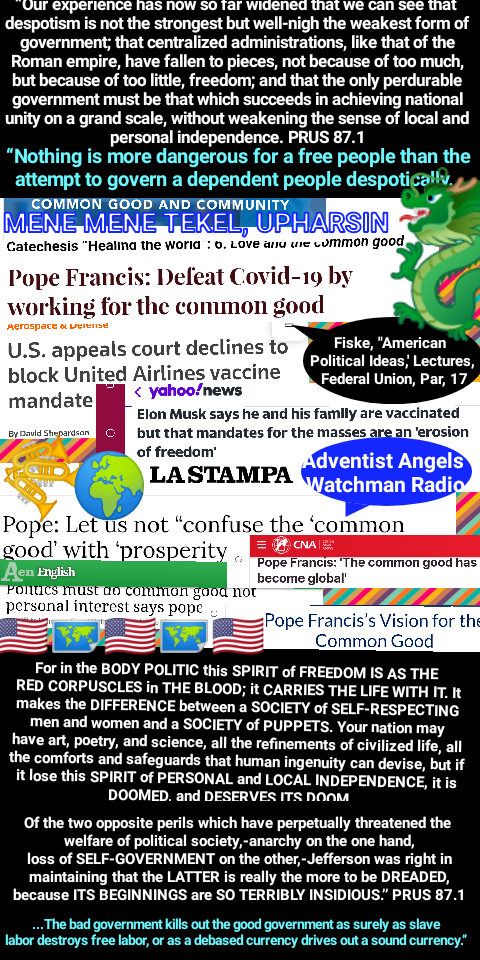
Notice what the top Jesuit leader outlined: “As Church we are ready to play an even more active role in it. Most of the proposals and ideas of the Conference concern the environment and climate change, the digital transformation, a strong social market economy and the role of the EU in the world. Now that the Conference has handed the baton to the institutions of the European Union, expectations are high that they will be able to deliver on these ideas and proposals. Europeans wish a respectful, responsible, social and sustainable economy.”
Is the Church prepared to participate actively in policies relating to the environment, climate change, digital transformation, a strong social market, and a sustainable economy? Are these the common values of the new global order? The writing is on the wall. The Jesuits are indicating that they are prepared to take command and lead us in international policies that would fundamentally alter our world forever. #sda #adventist #adventista
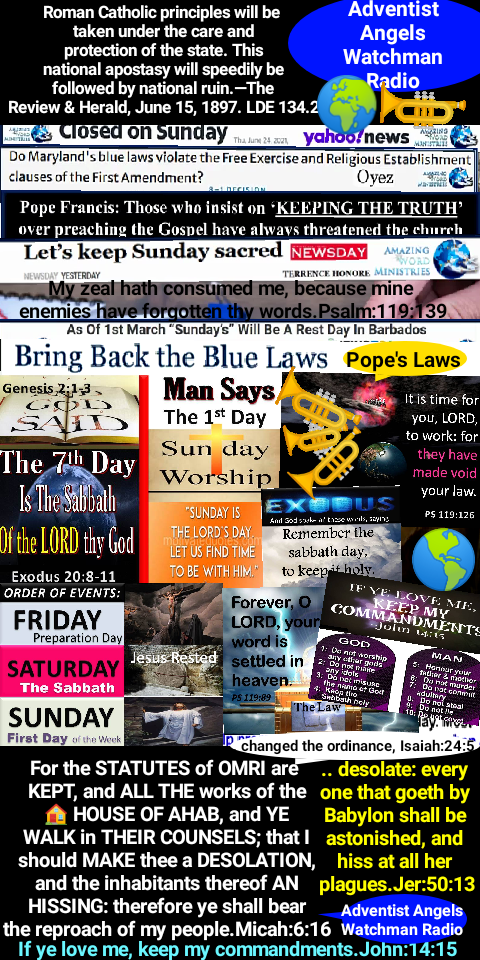
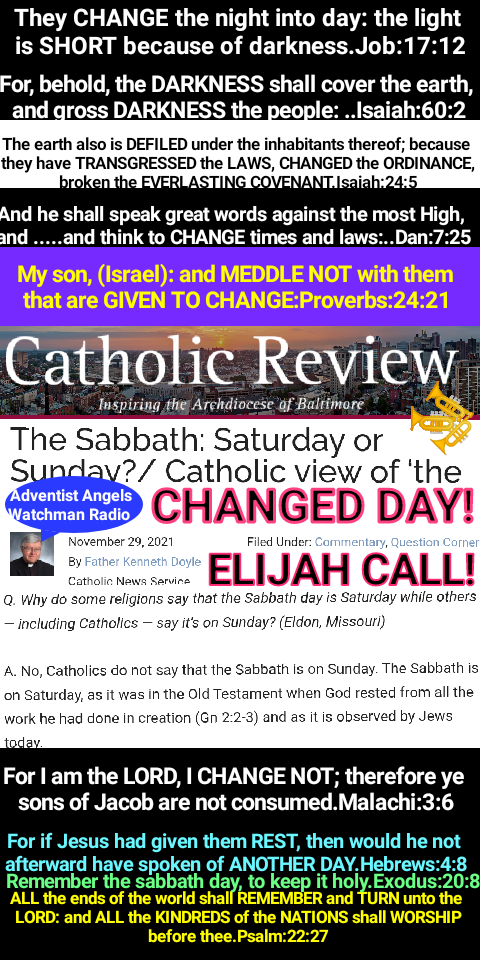
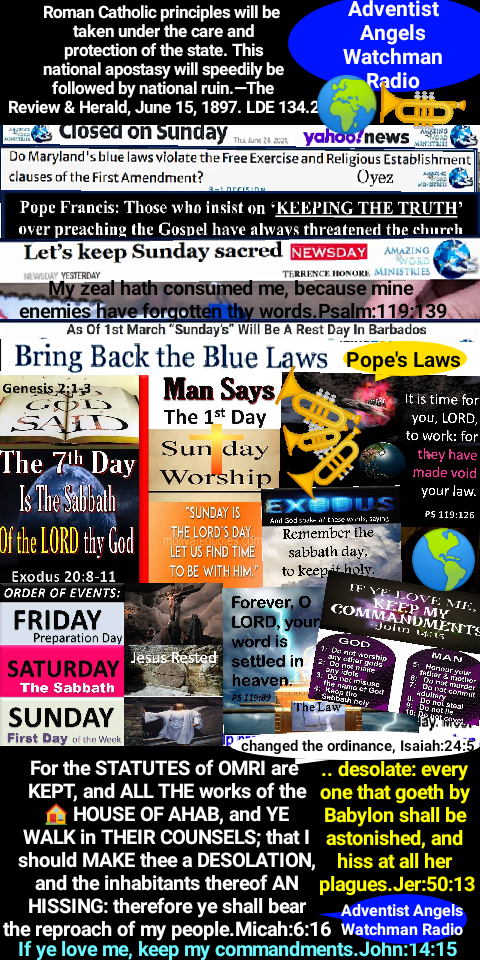
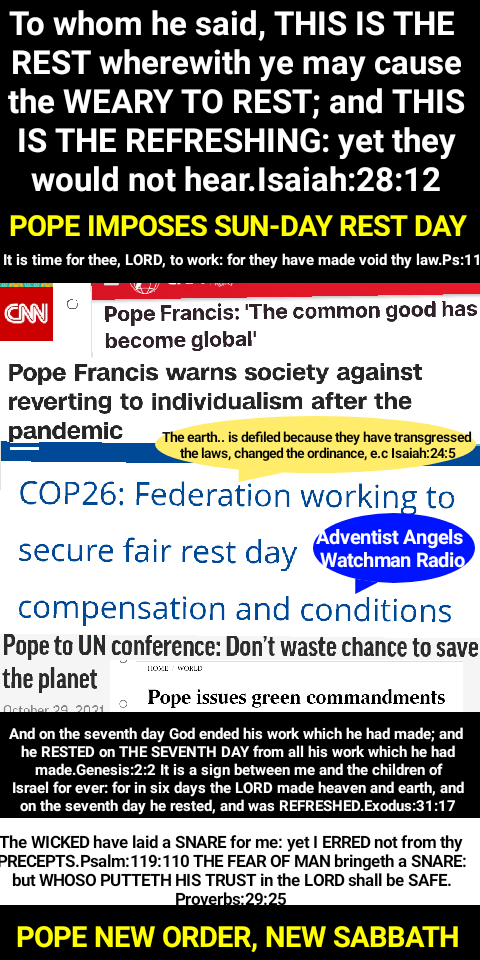
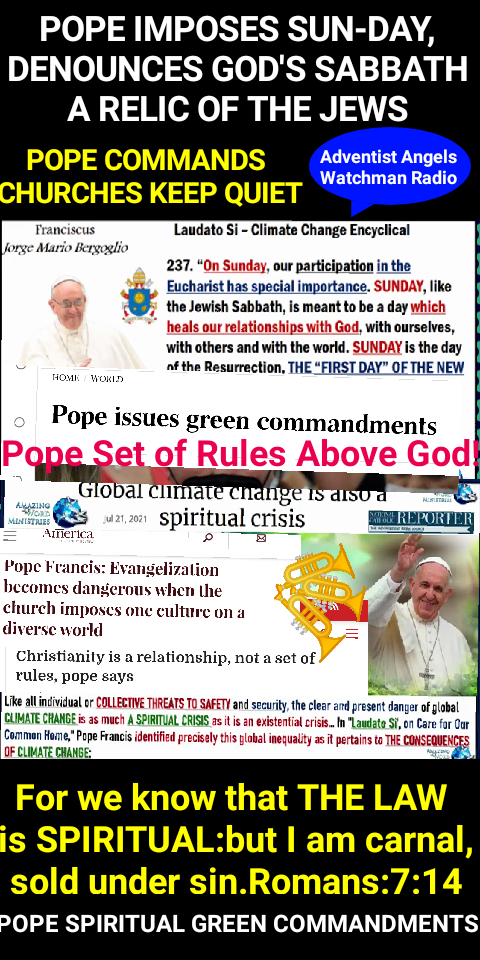
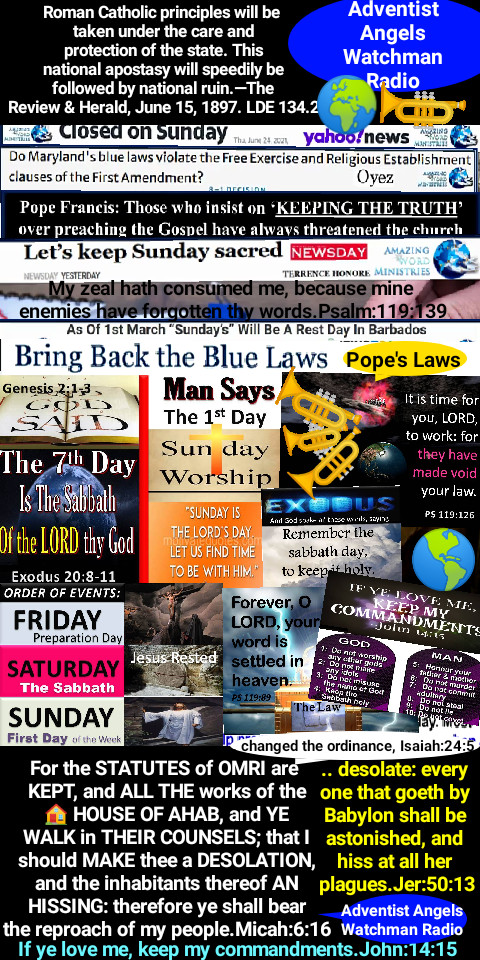
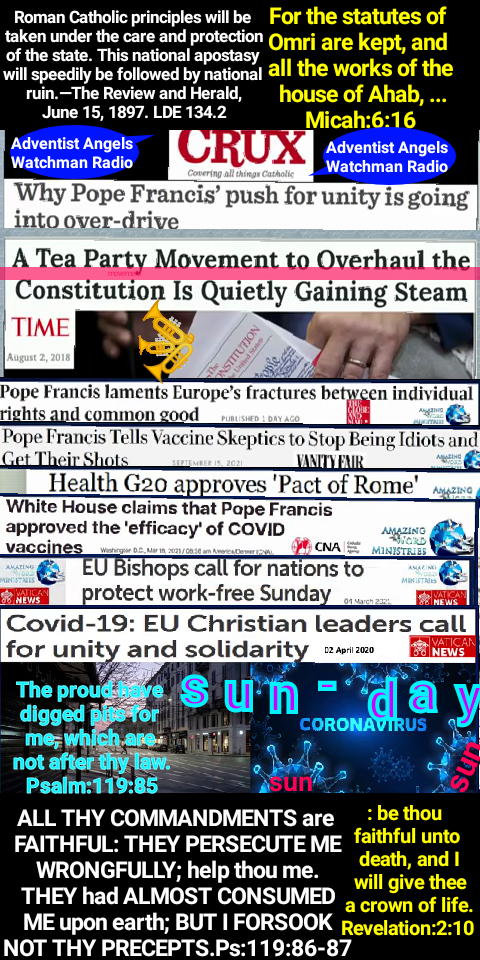
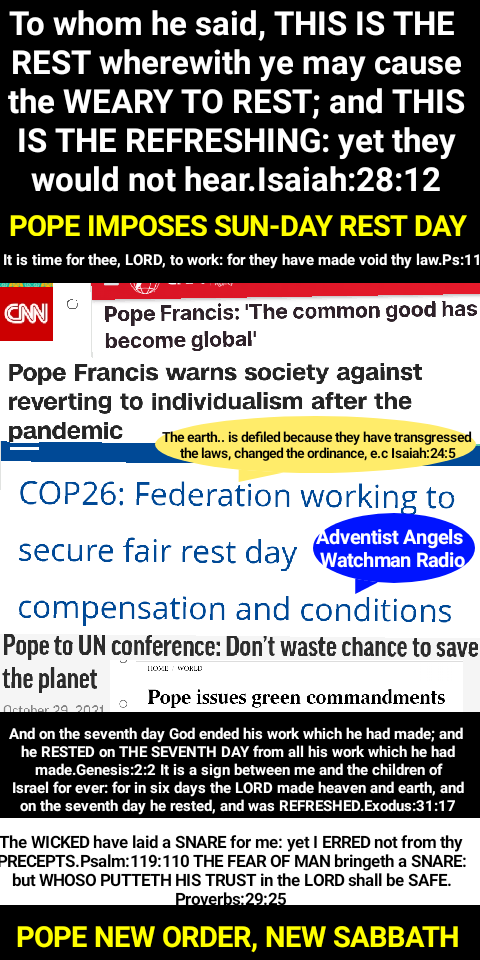
Old-fashioned blue laws, which prohibit the sale of liquor and automobiles on Sundays, still exist in Texas. Most blue laws were repealed in 1985 because they violate the separation of church and state. For some reason, Texas has held onto two of these archaic laws, and now might be the time to abolish them.
In a country built on religious freedom, it is unacceptable for the government to enforce laws that are based on religious beliefs. Every citizen has a right to choose their own religious beliefs, or to choose not to believe. Blue laws force religious beliefs on all citizens, even if they do not believe the same and this is not right.
Forcing a business to shut down on a specific day because it is important to people in the Christian religion, discriminates against business owners and consumers who do not subscribe to those religious beliefs. If an orthodox Jewish citizen cannot shop on Friday or Saturday due to their religious beliefs and they need a new car on Sunday, they cannot get one. If an atheist citizen wants to purchase a bottle of vodka on a Sunday, they cannot because the laws cater to Christian citizens.
Abolishing the blue laws on auto sales would give business owners the freedom to remain open all weekend as well as the freedom to stay closed on choice of day. My point is that in a free country they should be allowed to choose when they can do business.
Abolishing blue laws in Texas would have a positive impact on citizens, business owners and the economy. Research conducted in 2013 found that allowing liquor sales on Sundays would have added $7.4 million to the General Revenue Fund. The revenue from liquor sales could do more for Texans than restricting their right to purchase liquor on Sundays. It is time to abolish blue laws and provide the state of Texas with additional revenue at a critical time when unemployment is at an all-time high.
Currently, we are experiencing a global pandemic and millions of Texans have filed for unemployment benefits. Allowing liquor sales on Sundays would give liquor stores more revenue, their employees would work more hours and the state would collect additional revenue. The same can be said for auto sales since the state would collect tax revenue on those as well.
At a time when we need more revenue, it would be smart to abolish laws that prevent the state from profiting. The money could be used for education, law enforcement reform. We need to use our voting power to elect progressive officials who want the Texas economy to continue growing during difficult times.
Featured Illustration: Austin Banzon
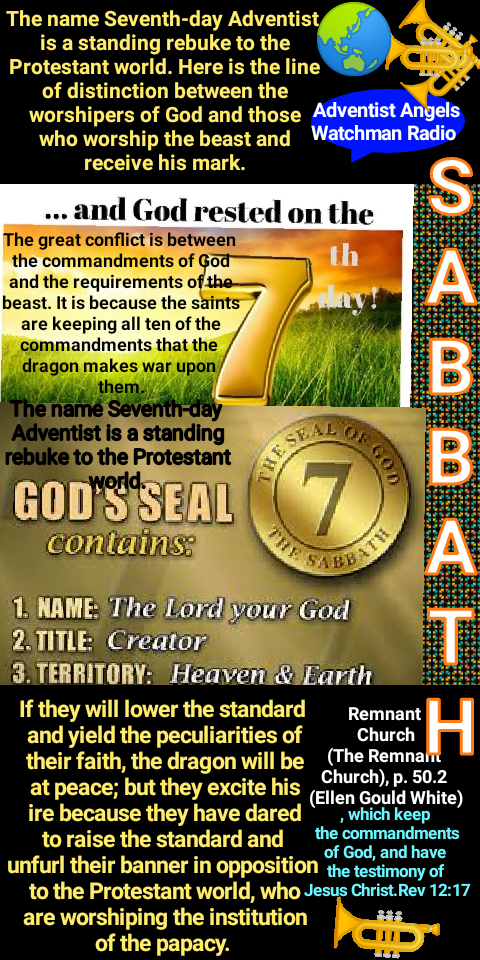
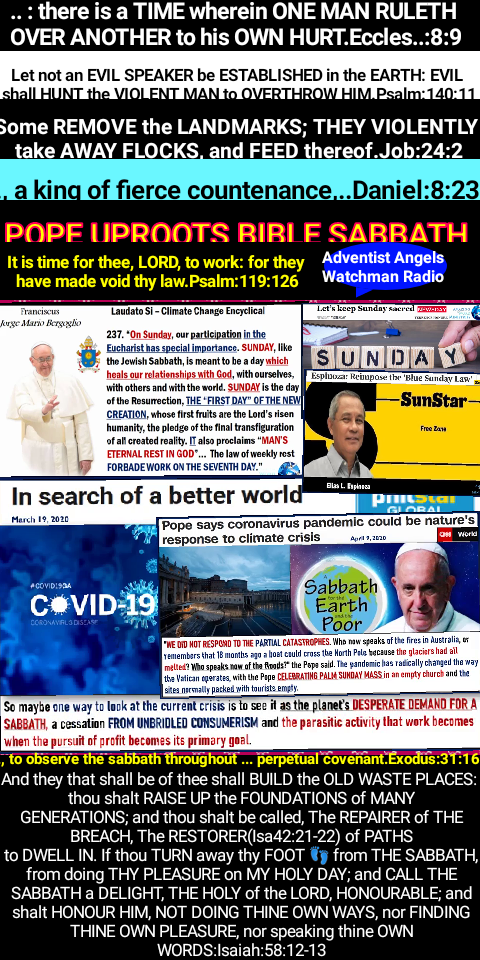
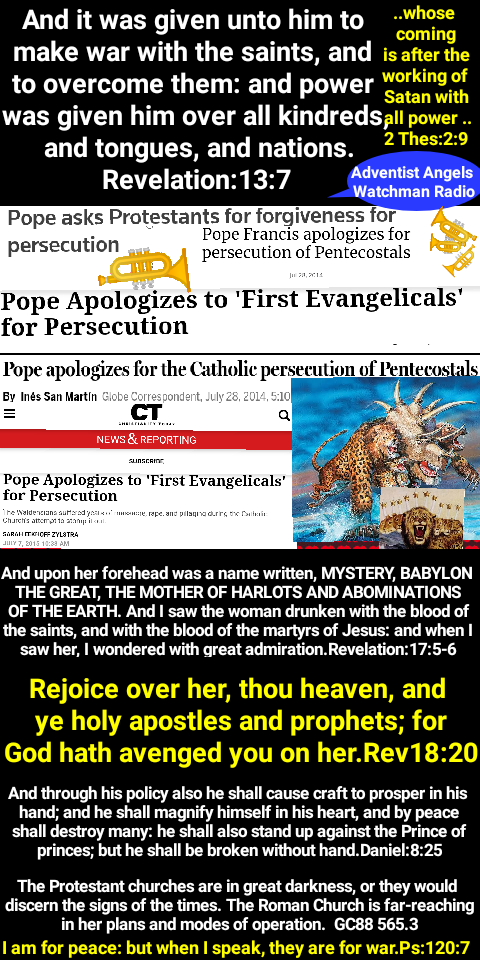
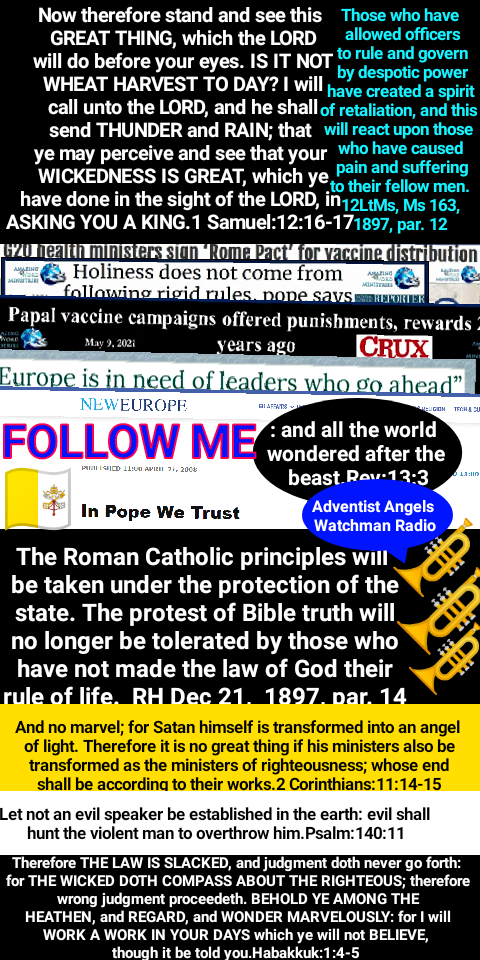
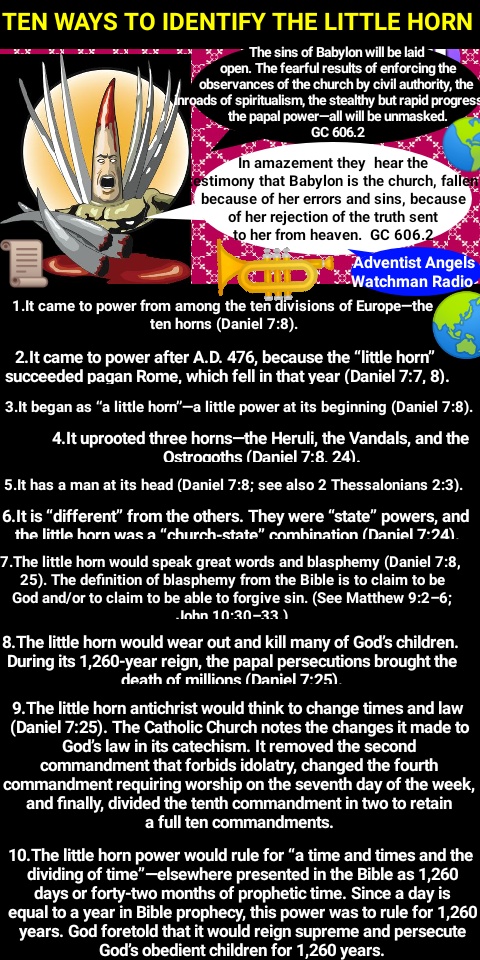
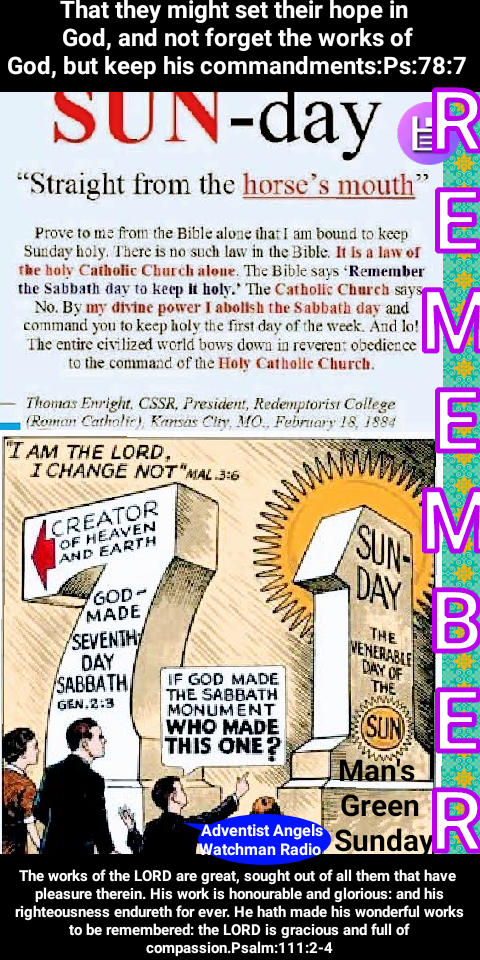
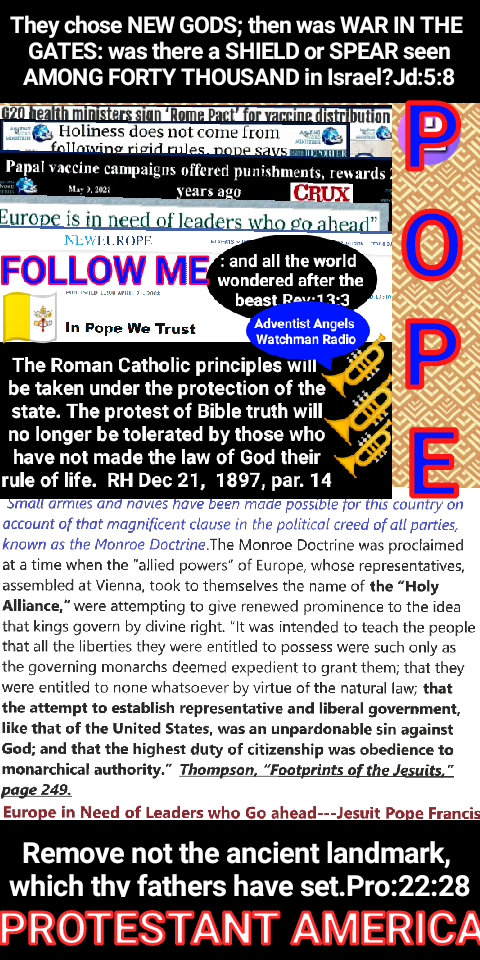
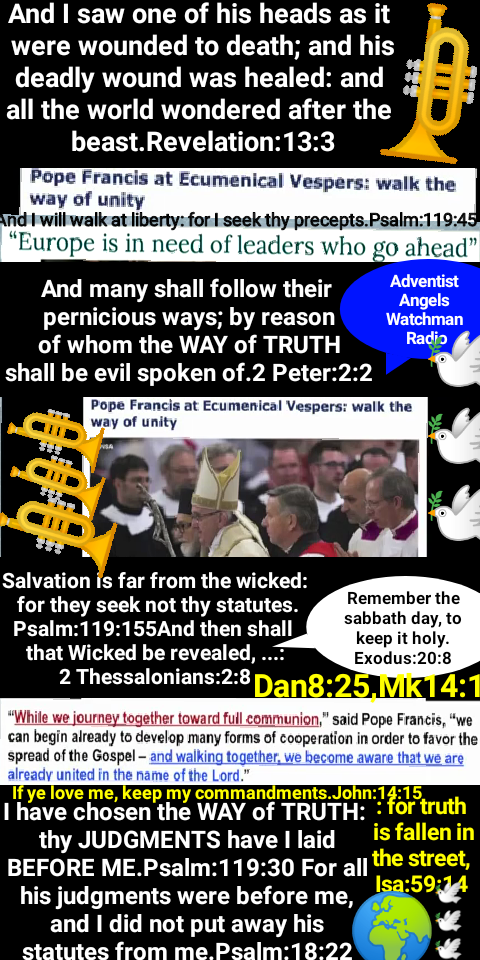
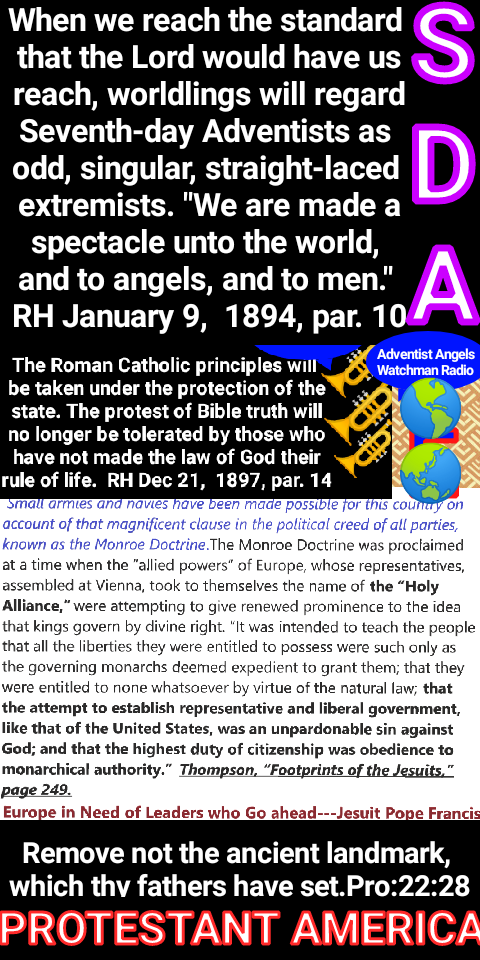
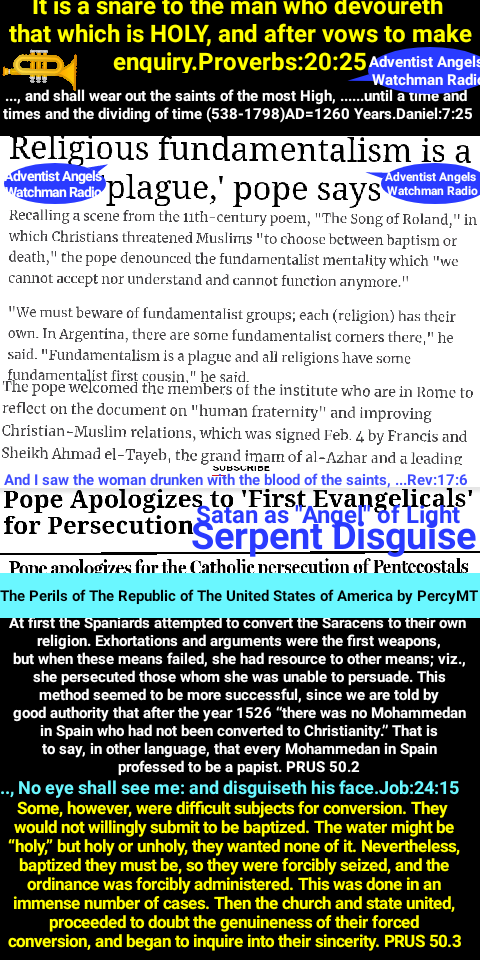
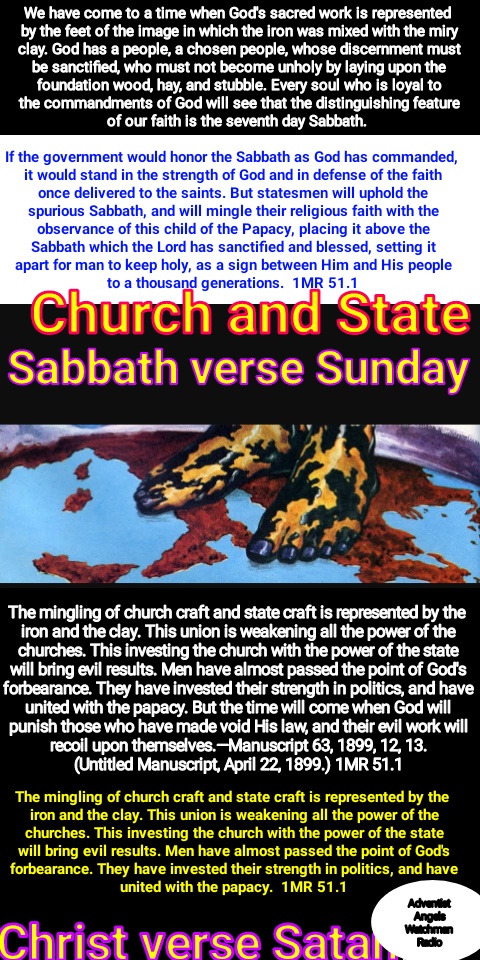
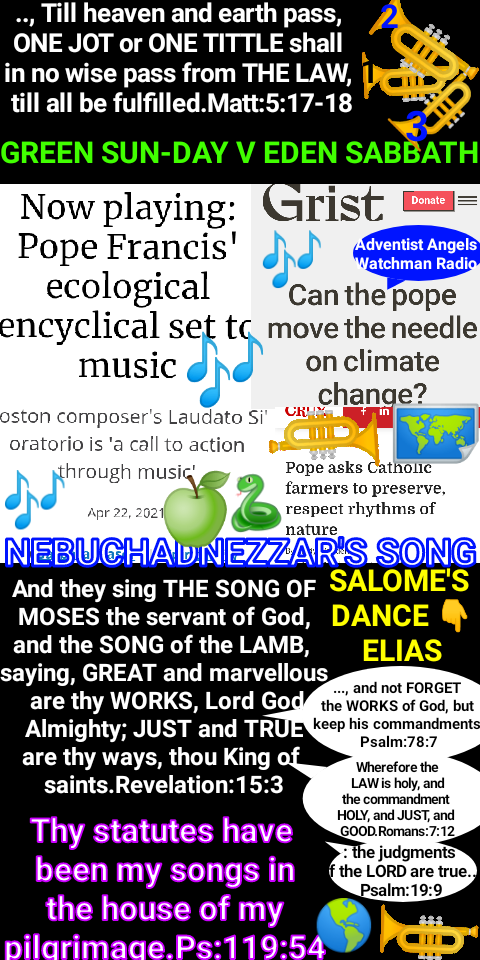
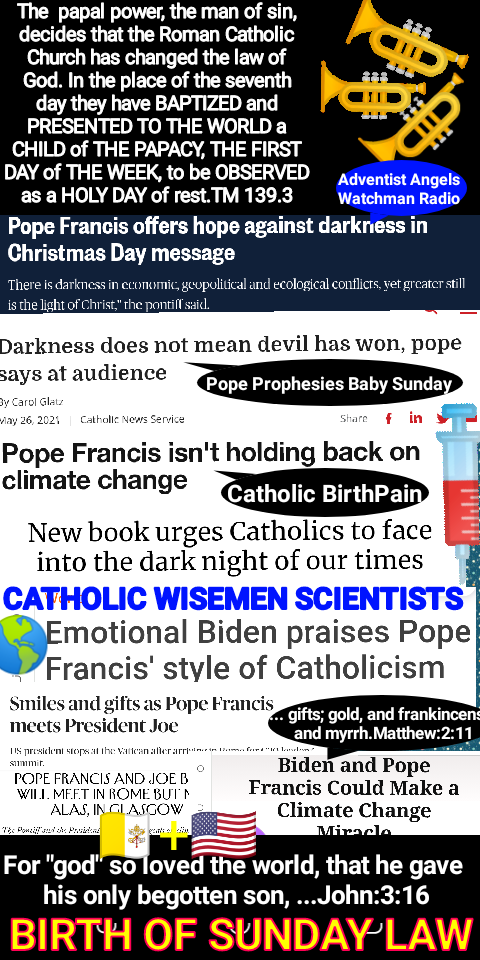
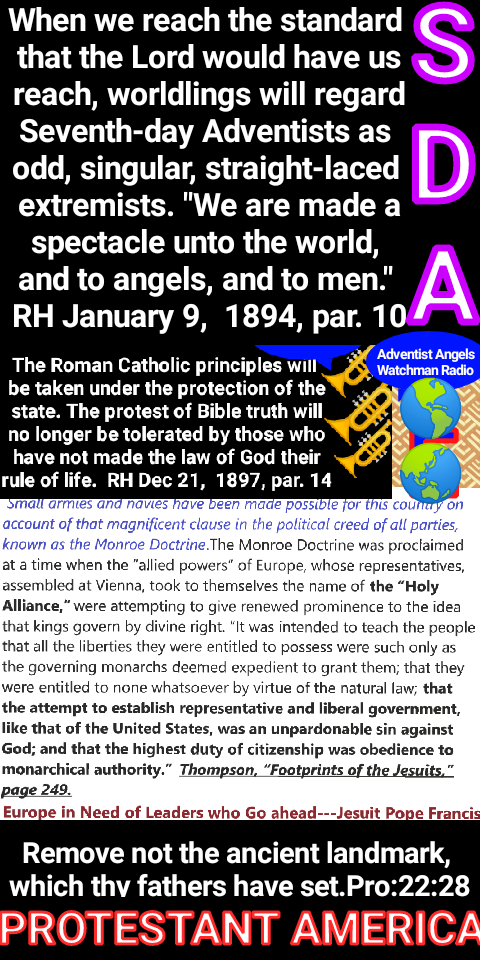
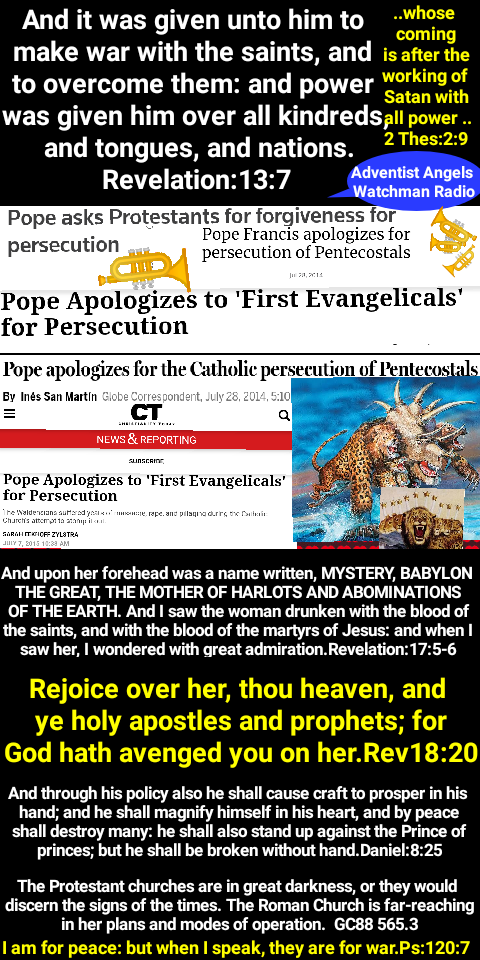
Thus the false science of the present day, which undermines faith in the Bible, will prove as successful in preparing the way for the acceptance of the papacy, with its pleasing forms, as did the withholding of knowledge in opening the way for its aggrandizement in the Dark Ages. In the movements now in progress in the United States to secure for the institutions and usages of the church the support of the state, Protestants are following in the steps of papists. Nay, more, they are opening the door for the papacy to regain in Protestant America the supremacy which she has lost in the Old World. And that which gives greater significance to this movement is the fact that the principal object contemplated is the enforcement of Sunday observance—a custom which originated with Rome, and which she claims as the sign of her authority. It is the spirit of the papacy—the spirit of conformity to worldly customs, the veneration for human traditions above the commandments of God—that is permeating the Protestant churches and leading them on to do the same work of Sunday exaltation which the papacy has done before them. If the reader would understand the agencies to be employed in the soon-coming contest, he has but to trace the record of the means which Rome employed for the same object in ages past. If he would know how papists and Protestants united will deal with those who reject their dogmas, let him see the spirit which Rome manifested toward the Sabbath and its defenders. Royal edicts, general councils, and church ordinances sustained by secular power were the steps by which the pagan festival attained its position of honor in the Christian world. The first public measure enforcing Sunday observance was the law enacted by Constantine. (A.D. 321; see Appendix note for page 53.) This edict required townspeople to rest on “the venerable day of the sun,” but permitted countrymen to continue their agricultural pursuits. Though virtually a heathen statute, it was enforced by the emperor after his nominal acceptance of Christianity. The royal mandate not proving a sufficient substitute for divine authority, Eusebius, a bishop who sought the favor of princes, and who was the special friend and flatterer of Constantine, advanced the claim that Christ had transferred the Sabbath to Sunday. Not a single testimony of the Scriptures was produced in proof of the new doctrine. Eusebius himself unwittingly acknowledges its falsity and points to the real authors of the change. “All things,” he says, “whatever that it was duty to do on the Sabbath, these we have transferred to the Lord’s Day.”—Robert Cox, Sabbath Laws and Sabbath Duties, page 538. But the Sunday argument, groundless as it was, served to embolden men in trampling upon the Sabbath of the Lord. All who desired to be honored by the world accepted the popular festival. As the papacy became firmly established, the work of Sunday exaltation was continued. For a time the people engaged in agricultural labor when not attending church, and the seventh day was still regarded as the Sabbath. But steadily a change was effected. Those in holy office were forbidden to pass judgment in any civil controversy on the Sunday. Soon after, all persons, of whatever rank, were commanded to refrain from common labor on pain of a fine for freemen and stripes in the case of servants. Later it was decreed that rich men should be punished with the loss of half of their estates; and finally, that if still obstinate they should be made slaves. The lower classes were to suffer perpetual banishment. Miracles also were called into requisition. Among other wonders it was reported that as a husbandman who was about to plow his field on Sunday cleaned his plow with an iron, the iron stuck fast in his hand, and for two years he carried it about with him, “to his exceeding great pain and shame.”—Francis West, Historical and Practical Discourse on the Lord’s Day, page 174. Later the pope gave directions that the parish priest should admonish the violators of Sunday and wish them to go to church and say their prayers, lest they bring some great calamity on themselves and neighbors. An ecclesiastical council brought forward the argument, since so widely employed, even by Protestants, that because persons had been struck by lightning while laboring on Sunday, it must be the Sabbath. “It is apparent,” said the prelates, “how high the displeasure of God was upon their neglect of this day.” An appeal was then made that priests and ministers, kings and princes, and all faithful people “use their utmost endeavors and care that the day be restored to its honor, and, for the credit of Christianity, more devoutly observed for the time to come.”—Thomas Morer, Discourse in Six Dialogues on the Name, Notion, and Observation of the Lord’s Day, page 271. The decrees of councils proving insufficient, the secular authorities were besought to issue an edict that would strike terror to the hearts of the people and force them to refrain from labor on the Sunday. At a synod held in Rome, all previous decisions were reaffirmed with greater force and solemnity. They were also incorporated into the ecclesiastical law and enforced by the civil authorities throughout nearly all Christendom. (See Heylyn, History of the Sabbath, pt. 2, ch. 5, sec. 7.) Still the absence of Scriptural authority for Sundaykeeping occasioned no little embarrassment. The people questioned the right of their teachers to set aside the positive declaration of Jehovah, “The seventh day is the Sabbath of the Lord thy God,” in order to honor the day of the sun. To supply the lack of Bible testimony, other expedients were necessary. A zealous advocate of Sunday, who about the close of the twelfth century visited the churches of England, was resisted by faithful witnesses for the truth; and so fruitless were his efforts that he departed from the country for a season and cast about him for some means to enforce his teachings. When he returned, the lack was supplied, and in his after labors he met with greater success. He brought with him a roll purporting to be from God Himself, which contained the needed command for Sunday observance, with awful threats to terrify the disobedient. This precious document—as base a counterfeit as the institution it supported—was said to have fallen from heaven and to have been found in Jerusalem, upon the altar of St. Simeon, in Golgotha. But, in fact, the pontifical palace at Rome was the source whence it proceeded. Frauds and forgeries to advance the power and prosperity of the church have in all ages been esteemed lawful by the papal hierarchy. The roll forbade labor from the ninth hour, three o’clock, on Saturday afternoon, till sunrise on Monday; and its authority was declared to be confirmed by many miracles. It was reported that persons laboring beyond the appointed hour were stricken with paralysis. A Miller who attempted to grind his corn, saw, instead of flour, a torrent of blood come forth, and the mill wheel stood still, notwithstanding the strong rush of water. A woman who placed dough in the oven found it raw when taken out, though the oven was very hot. Another who had dough prepared for baking at the ninth hour, but determined to set it aside till Monday, found, the next day, that it had been made into loaves and baked by divine power. A man who baked bread after the ninth hour on Saturday found, when he broke it the next morning, that blood started therefrom. By such absurd and superstitious fabrications did the advocates of Sunday endeavor to establish its sacredness. (See Roger de Hoveden, Annals, vol. 2, pp. 526-530.) In Scotland, as in England, a greater regard for Sunday was secured by uniting with it a portion of the ancient Sabbath. But the time required to be kept holy varied. An edict from the king of Scotland declared that “Saturday from twelve at noon ought to be accounted holy,” and that no man, from that time till Monday morning, should engage in worldly business.—Morer, pages 290, 291. But notwithstanding all the efforts to establish Sunday sacredness, papists themselves publicly confessed the divine authority of the Sabbath and the human origin of the institution by which it had been supplanted. In the sixteenth century a papal council plainly declared: “Let all Christians remember that the seventh day was consecrated by God, and hath been received and observed, not only by the Jews, but by all others who pretend to worship God; though we Christians have changed their Sabbath into the Lord’s Day.”— Ibid., pages 281, 282. Those who were tampering with the divine law were not ignorant of the character of their work. They were deliberately setting themselves above God. A striking illustration of Rome’s policy toward those who disagree with her was given in the long and bloody persecution of the Waldenses, some of whom were observers of the Sabbath. Others suffered in a similar manner for their fidelity to the fourth commandment. The history of the churches of Ethiopia and Abyssinia is especially significant. Amid the gloom of the Dark Ages, the Christians of Central Africa were lost sight of and forgotten by the world, and for many centuries they enjoyed freedom in the exercise of their faith. But at last Rome learned of their existence, and the emperor of Abyssinia was soon beguiled into an acknowledgment of the pope as the vicar of Christ. Other concessions followed. An edict was issued forbidding the observance of the Sabbath under the severest penalties. (See Michael Geddes, Church History of Ethiopia, pages 311, 312.) But papal tyranny soon became a yoke so galling that the Abyssinians determined to break it from their necks. After a terrible struggle the Romanists were banished from their dominions, and the ancient faith was restored. The churches rejoiced in their freedom, and they never forgot the lesson they had learned concerning the deception, the fanaticism, and the despotic power of Rome. Within their solitary realm they were content to remain, unknown to the rest of Christendom. The churches of Africa held the Sabbath as it was held by the papal church before her complete apostasy. While they kept the seventh day in obedience to the commandment of God, they abstained from labor on the Sunday in conformity to the custom of the church. Upon obtaining supreme power, Rome had trampled upon the Sabbath of God to exalt her own; but the churches of Africa, hidden for nearly a thousand years, did not share in this apostasy. When brought under the sway of Rome, they were forced to set aside the true and exalt the false sabbath; but no sooner had they regained their independence than they returned to obedience to the fourth commandment. (See Appendix.) These records of the past clearly reveal the enmity of Rome toward the true Sabbath and its defenders, and the means which she employs to honor the institution of her creating. The word of God teaches that these scenes are to be repeated as Roman Catholics and Protestants shall unite for the exaltation of the Sunday. The prophecy of Revelation 13 declares that the power represented by the beast with lamblike horns shall cause “the earth and them which dwell therein” to worship the papacy—there symbolized by the beast “like unto a leopard.” The beast with two horns is also to say “to them that dwell on the earth, that they should make an image to the beast;” and, furthermore, it is to command all, “both small and great, rich and poor, free and bond,” to receive the mark of the beast. Revelation 13:11-16. It has been shown that the United States is the power represented by the beast with lamblike horns, and that this prophecy will be fulfilled when the United States shall enforce Sunday observance, which Rome claims as the special acknowledgment of her supremacy. But in this homage to the papacy the United States will not be alone. The influence of Rome in the countries that once acknowledged her dominion is still far from being destroyed. And prophecy foretells a restoration of her power. “I saw one of his heads as it were wounded to death; and his deadly wound was healed: and all the world wondered after the beast.” Verse 3. The infliction of the deadly wound points to the downfall of the papacy in 1798. After this, says the prophet, “his deadly wound was healed: and all the world wondered after the beast.” Paul states plainly that the “man of sin” will continue until the second advent. 2 Thessalonians 2:3-8. To the very close of time he will carry forward the work of deception. And the revelator declares, also referring to the papacy: “All that dwell upon the earth shall worship him, whose names are not written in the book of life.” Revelation 13:8. In both the Old and the New World, the papacy will receive homage in the honor paid to the Sunday institution, that rests solely upon the authority of the Roman Church. Since the middle of the nineteenth century, students of prophecy in the United States have presented this testimony to the world. In the events now taking place is seen a rapid advance toward the fulfillment of the prediction. With Protestant teachers there is the same claim of divine authority for Sundaykeeping, and the same lack of Scriptural evidence, as with the papal leaders who fabricated miracles to supply the place of a command from God. The assertion that God’s judgments are visited upon men for their violation of the Sunday-sabbath, will be repeated; already it is beginning to be urged. And a movement to enforce Sunday observance is fast gaining ground. Marvelous in her shrewdness and cunning is the Roman Church. She can read what is to be. She bides her time, seeing that the Protestant churches are paying her homage in their acceptance of the false sabbath and that they are preparing to enforce it by the very means which she herself employed in bygone days. Those who reject the light of truth will yet seek the aid of this self-styled infallible power to exalt an institution that originated with her. How readily she will come to the help of Protestants in this work it is not difficult to conjecture. Who understands better than the papal leaders how to deal with those who are disobedient to the church? The Roman Catholic Church, with all its ramifications throughout the world, forms one vast organization under the control, and designed to serve the interests, of the papal see. Its millions of communicants, in every country on the globe, are instructed to hold themselves as bound in allegiance to the pope. Whatever their nationality or their government, they are to regard the authority of the church as above all other. Though they may take the oath pledging their loyalty to the state, yet back of this lies the vow of obedience to Rome, absolving them from every pledge inimical to her interests. History testifies of her artful and persistent efforts to insinuate herself into the affairs of nations; and having gained a foothold, to further her own aims, even at the ruin of princes and people. In the year 1204, Pope Innocent III extracted from Peter II, king of Arragon, the following extraordinary oath: “I, Peter, king of Arragonians, profess and promise to be ever faithful and obedient to my lord, Pope Innocent, to his Catholic successors, and the Roman Church, and faithfully to preserve my kingdom in his obedience, defending the Catholic faith, and persecuting heretical pravity.”—John Dowling, The History of Romanism, b. 5, ch. 6, sec. 55. This is in harmony with the claims regarding the power of the Roman pontiff “that it is lawful for him to depose emperors” and “that he can absolve subjects from their allegiance to unrighteous rulers.”—Mosheim, b. 3, cent. 11, pt. 2, ch. 2, sec. 9, note 17. (See also Appendix note for page 447.) And let it be remembered, it is the boast of Rome that she never changes. The principles of Gregory VII and Innocent III are still the principles of the Roman Catholic Church. And had she but the power, she would put them in practice with as much vigor now as in past centuries. Protestants little know what they are doing when they propose to accept the aid of Rome in the work of Sunday exaltation. While they are bent upon the accomplishment of their purpose, Rome is aiming to re-establish her power, to recover her lost supremacy. Let the principle once be established in the United States that the church may employ or control the power of the state; that religious observances may be enforced by secular laws; in short, that the authority of church and state is to dominate the conscience, and the triumph of Rome in this country is assured. God’s word has given warning of the impending danger; let this be unheeded, and the Protestant world will learn what the purposes of Rome really are, only when it is too late to escape the snare. She is silently growing into power. Her doctrines are exerting their influence in legislative halls, in the churches, and in the hearts of men. She is piling up her lofty and massive structures in the secret recesses of which her former persecutions will be repeated. Stealthily and unsuspectedly she is strengthening her forces to further her own ends when the time shall come for her to strike. All that she desires is vantage ground, and this is already being given her. We shall soon see and shall feel what the purpose of the Roman element is. Whoever shall believe and obey the word of God will thereby incur reproach and persecution. GC 572.3 – GC 581.2
When Jesus revealed to His disciples the fate of Jerusalem and the scenes of the second advent, He foretold also the experience of His people from the time when He should be taken from them, to His return in power and glory for their deliverance. From Olivet the Saviour beheld the storms about to fall upon the apostolic church; and penetrating deeper into the future, His eye discerned the fierce, wasting tempests that were to beat upon His followers in the coming ages of darkness and persecution. In a few brief utterances of awful significance He foretold the portion which the rulers of this world would mete out to the church of God. Matthew 24:9, 21, 22. The followers of Christ must tread the same path of humiliation, reproach, and suffering which their Master trod. The enmity that burst forth against the world’s Redeemer would be manifested against all who should believe on His name.
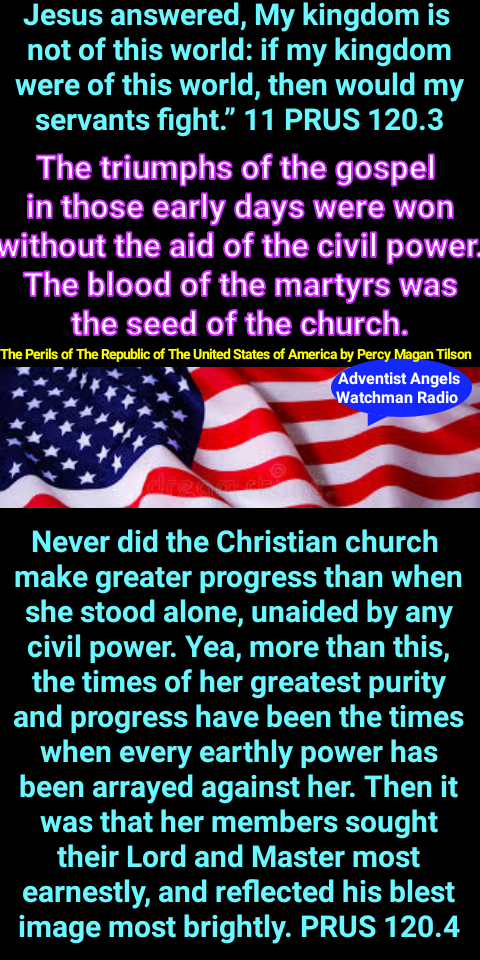
The history of the early church testified to the fulfillment of the Saviour’s words. The powers of earth and hell arrayed themselves against Christ in the person of His followers. Paganism foresaw that should the gospel triumph, her temples and altars would be swept away; therefore she summoned her forces to destroy Christianity. The fires of persecution were kindled. Christians were stripped of their possessions and driven from their homes. They “endured a great fight of afflictions.” Hebrews 10:32. They “had trial of cruel mockings and scourgings, yea, moreover of bonds and imprisonment.” Hebrews 11:36. Great numbers sealed their testimony with their blood. Noble and slave, rich and poor, learned and ignorant, were alike slain without mercy.
These persecutions, beginning under Nero about the time of the martyrdom of Paul, continued with greater or less fury for centuries. Christians were falsely accused of the most dreadful crimes and declared to be the cause of great calamities—famine, pestilence, and earthquake. As they became the objects of popular hatred and suspicion, informers stood ready, for the sake of gain, to betray the innocent. They were condemned as rebels against the empire, as foes of religion, and pests to society. Great numbers were thrown to wild beasts or burned alive in the amphitheaters. Some were crucified; others were covered with the skins of wild animals and thrust into the arena to be torn by dogs. Their punishment was often made the chief entertainment at public fetes. Vast multitudes assembled to enjoy the sight and greeted their dying agonies with laughter and applause.
Wherever they sought refuge, the followers of Christ were hunted like beasts of prey. They were forced to seek concealment in desolate and solitary places. “Destitute, afflicted, tormented; (of whom the world was not worthy:) they wandered in deserts, and in mountains, and in dens and caves of the earth.” Verses 37, 38. The catacombs afforded shelter for thousands. Beneath the hills outside the city of Rome, long galleries had been tunneled through earth and rock; the dark and intricate network of passages extended for miles beyond the city walls. In these underground retreats the followers of Christ buried their dead; and here also, when suspected and proscribed, they found a home. When the Life-giver shall awaken those who have fought the good fight, many a martyr for Christ’s sake will come forth from those gloomy caverns.
Under the fiercest persecution these witnesses for Jesus kept their faith unsullied. Though deprived of every comfort, shut away from the light of the sun, making their home in the dark but friendly bosom of the earth, they uttered no complaint. With words of faith, patience, and hope they encouraged one another to endure privation and distress. The loss of every earthly blessing could not force them to renounce their belief in Christ. Trials and persecution were but steps bringing them nearer their rest and their reward.
Like God’s servants of old, many were “tortured, not accepting deliverance; that they might obtain a better resurrection.” Verse 35. These called to mind the words of their Master, that when persecuted for Christ’s sake, they were to be exceeding glad, for great would be their reward in heaven; for so the prophets had been persecuted before them. They rejoiced that they were accounted worthy to suffer for the truth, and songs of triumph ascended from the midst of crackling flames. Looking upward by faith, they saw Christ and angels leaning over the battlements of heaven, gazing upon them with the deepest interest and regarding their steadfastness with approval. A voice came down to them from the throne of God: “Be thou faithful unto death, and I will give thee a crown of life.” Revelation 2:10.
In vain were Satan’s efforts to destroy the church of Christ by violence. The great controversy in which the disciples of Jesus yielded up their lives did not cease when these faithful standard-bearers fell at their post. By defeat they conquered. God’s workmen were slain, but His work went steadily forward. The gospel continued to spread and the number of its adherents to increase. It penetrated into regions that were inaccessible even to the eagles of Rome. Said a Christian, expostulating with the heathen rulers who were urging forward the persecution: You may “kill us, torture us, condemn us…. Your injustice is the proof that we are innocent …. Nor does your cruelty … avail you.” It was but a stronger invitation to bring others to their persuasion. “The oftener we are mown down by you, the more in number we grow; the blood of Christians is seed.”—Tertullian, Apology, paragraph 50.
Thousands were imprisoned and slain, but others sprang up to fill their places. And those who were martyred for their faith were secured to Christ and accounted of Him as conquerors. They had fought the good fight, and they were to receive the crown of glory when Christ should come. The sufferings which they endured brought Christians nearer to one another and to their Redeemer. Their living example and dying testimony were a constant witness for the truth; and where least expected, the subjects of Satan were leaving his service and enlisting under the banner of Christ.
Satan therefore laid his plans to war more successfully against the government of God by planting his banner in the Christian church. If the followers of Christ could be deceived and led to displease God, then their strength, fortitude, and firmness would fail, and they would fall an easy prey.
The great adversary now endeavored to gain by artifice what he had failed to secure by force. Persecution ceased, and in its stead were substituted the dangerous allurements of temporal prosperity and worldly honor. Idolaters were led to receive a part of the Christian faith, while they rejected other essential truths. They professed to accept Jesus as the Son of God and to believe in His death and resurrection, but they had no conviction of sin and felt no need of repentance or of a change of heart. With some concessions on their part they proposed that Christians should make concessions, that all might unite on the platform of belief in Christ.
Now the church was in fearful peril. Prison, torture, fire, and sword were blessings in comparison with this. Some of the Christians stood firm, declaring that they could make no compromise. Others were in favor of yielding or modifying some features of their faith and uniting with those who had accepted a part of Christianity, urging that this might be the means of their full conversion. That was a time of deep anguish to the faithful followers of Christ. Under a cloak of pretended Christianity, Satan was insinuating himself into the church, to corrupt their faith and turn their minds from the word of truth.
Most of the Christians at last consented to lower their standard, and a union was formed between Christianity and paganism. Although the worshipers of idols professed to be converted, and united with the church, they still clung to their idolatry, only changing the objects of their worship to images of Jesus, and even of Mary and the saints. The foul leaven of idolatry, thus brought into the church, continued its baleful work. Unsound doctrines, superstitious rites, and idolatrous ceremonies were incorporated into her faith and worship. As the followers of Christ united with idolaters, the Christian religion became corrupted, and the church lost her purity and power. There were some, however, who were not misled by these delusions. They still maintained their fidelity to the Author of truth and worshiped God alone.
There have ever been two classes among those who profess to be followers of Christ. While one class study the Saviour’s life and earnestly seek to correct their defects and conform to the Pattern, the other class shun the plain, practical truths which expose their errors. Even in her best estate the church was not composed wholly of the true, pure, and sincere. Our Saviour taught that those who willfully indulge in sin are not to be received into the church; yet He connected with Himself men who were faulty in character, and granted them the benefits of His teachings and example, that they might have an opportunity to see their errors and correct them. Among the twelve apostles was a traitor. Judas was accepted, not because of his defects of character, but notwithstanding them. He was connected with the disciples, that, through the instruction and example of Christ, he might learn what constitutes Christian character, and thus be led to see his errors, to repent, and, by the aid of divine grace, to purify his soul “in obeying the truth.” But Judas did not walk in the light so graciously permitted to shine upon him. By indulgence in sin he invited the temptations of Satan. His evil traits of character became predominant. He yielded his mind to the control of the powers of darkness, he became angry when his faults were reproved, and thus he was led to commit the fearful crime of betraying his Master. So do all who cherish evil under a profession of godliness hate those who disturb their peace by condemning their course of sin. When a favorable opportunity is presented, they will, like Judas, betray those who for their good have sought to reprove them.
The apostles encountered those in the church who professed godliness while they were secretly cherishing iniquity. Ananias and Sapphira acted the part of deceivers, pretending to make an entire sacrifice for God, when they were covetously withholding a portion for themselves. The Spirit of truth revealed to the apostles the real character of these pretenders, and the judgments of God rid the church of this foul blot upon its purity. This signal evidence of the discerning Spirit of Christ in the church was a terror to hypocrites and evildoers. They could not long remain in connection with those who were, in habit and disposition, constant representatives of Christ; and as trials and persecution came upon His followers, those only who were willing to forsake all for the truth’s sake desired to become His disciples. Thus, as long as persecution continued, the church remained comparatively pure. But as it ceased, converts were added who were less sincere and devoted, and the way was open for Satan to obtain a foothold.
But there is no union between the Prince of light and the prince of darkness, and there can be no union between their followers. When Christians consented to unite with those who were but half converted from paganism, they entered upon a path which led further and further from the truth. Satan exulted that he had succeeded in deceiving so large a number of the followers of Christ. He then brought his power to bear more fully upon these, and inspired them to persecute those who remained true to God. None understood so well how to oppose the true Christian faith as did those who had once been its defenders; and these apostate Christians, uniting with their half-pagan companions, directed their warfare against the most essential features of the doctrines of Christ.
It required a desperate struggle for those who would be faithful to stand firm against the deceptions and abominations which were disguised in sacerdotal garments and introduced into the church. The Bible was not accepted as the standard of faith. The doctrine of religious freedom was termed heresy, and its upholders were hated and proscribed.
After a long and severe conflict, the faithful few decided to dissolve all union with the apostate church if she still refused to free herself from falsehood and idolatry. They saw that separation was an absolute necessity if they would obey the word of God. They dared not tolerate errors fatal to their own souls, and set an example which would imperil the faith of their children and children’s children. To secure peace and unity they were ready to make any concession consistent with fidelity to God; but they felt that even peace would be too dearly purchased at the sacrifice of principle. If unity could be secured only by the compromise of truth and righteousness, then let there be difference, and even war.
Well would it be for the church and the world if the principles that actuated those steadfast souls were revived in the hearts of God’s professed people. There is an alarming indifference in regard to the doctrines which are the pillars of the Christian faith. The opinion is gaining ground, that, after all, these are not of vital importance. This degeneracy is strengthening the hands of the agents of Satan, so that false theories and fatal delusions which the faithful in ages past imperiled their lives to resist and expose, are now regarded with favor by thousands who claim to be followers of Christ.
The early Christians were indeed a peculiar people. Their blameless deportment and unswerving faith were a continual reproof that disturbed the sinner’s peace. Though few in numbers, without wealth, position, or honorary titles, they were a terror to evildoers wherever their character and doctrines were known. Therefore they were hated by the wicked, even as Abel was hated by the ungodly Cain. For the same reason that Cain slew Abel, did those who sought to throw off the restraint of the Holy Spirit, put to death God’s people. It was for the same reason that the Jews rejected and crucified the Saviour—because the purity and holiness of His character was a constant rebuke to their selfishness and corruption. From the days of Christ until now His faithful disciples have excited the hatred and opposition of those who love and follow the ways of sin.
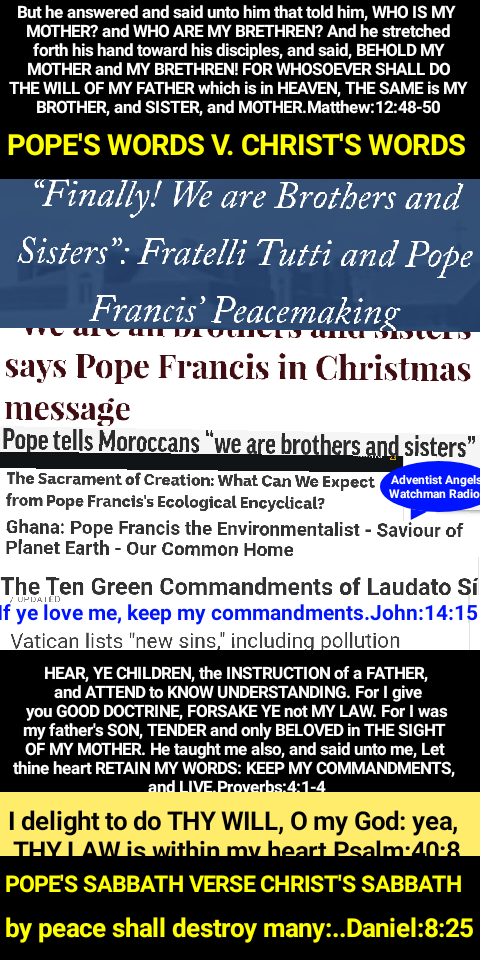
How, then, can the gospel be called a message of peace? When Isaiah foretold the birth of the Messiah, he ascribed to Him the title, “Prince of Peace.” When angels announced to the shepherds that Christ was born, they sang above the plains of Bethlehem: “Glory to God in the highest, and on earth peace, good will toward men.” Luke 2:14. There is a seeming contradiction between these prophetic declarations and the words of Christ: “I came not to send peace, but a sword.” Matthew 10:34. But, rightly understood, the two are in perfect harmony. The gospel is a message of peace. Christianity is a system which, received and obeyed, would spread peace, harmony, and happiness throughout the earth. The religion of Christ will unite in close brotherhood all who accept its teachings. It was the mission of Jesus to reconcile men to God, and thus to one another. But the world at large are under the control of Satan, Christ’s bitterest foe. The gospel presents to them principles of life which are wholly at variance with their habits and desires, and they rise in rebellion against it. They hate the purity which reveals and condemns their sins, and they persecute and destroy those who would urge upon them its just and holy claims. It is in this sense—because the exalted truths it brings occasion hatred and strife—that the gospel is called a sword.
The mysterious providence which permits the righteous to suffer persecution at the hand of the wicked has been a cause of great perplexity to many who are weak in faith. Some are even ready to cast away their confidence in God because He suffers the basest of men to prosper, while the best and purest are afflicted and tormented by their cruel power. How, it is asked, can One who is just and merciful, and who is also infinite in power, tolerate such injustice and oppression? This is a question with which we have nothing to do. God has given us sufficient evidence of His love, and we are not to doubt His goodness because we cannot understand the workings of His providence. Said the Saviour to His disciples, foreseeing the doubts that would press upon their souls in days of trial and darkness: “Remember the word that I said unto you, The servant is not greater than his lord. If they have persecuted Me, they will also persecute you.” John 15:20. Jesus suffered for us more than any of His followers can be made to suffer through the cruelty of wicked men. Those who are called to endure torture and martyrdom are but following in the steps of God’s dear Son.
“The Lord is not slack concerning His promise.” 2 Peter 3:9. He does not forget or neglect His children; but He permits the wicked to reveal their true character, that none who desire to do His will may be deceived concerning them. Again, the righteous are placed in the furnace of affliction, that they themselves may be purified; that their example may convince others of the reality of faith and godliness; and also that their consistent course may condemn the ungodly and unbelieving.
God permits the wicked to prosper and to reveal their enmity against Him, that when they shall have filled up the measure of their iniquity all may see His justice and mercy in their utter destruction. The day of His vengeance hastens, when all who have transgressed His law and oppressed His people will meet the just recompense of their deeds; when every act of cruelty or injustice toward God’s faithful ones will be punished as though done to Christ Himself.
There is another and more important question that should engage the attention of the churches of today. The apostle Paul declares that “all that will live godly in Christ Jesus shall suffer persecution.” 2 Timothy 3:12. Why is it, then, that persecution seems in a great degree to slumber? The only reason is that the church has conformed to the world’s standard and therefore awakens no opposition. The religion which is current in our day is not of the pure and holy character that marked the Christian faith in the days of Christ and His apostles. It is only because of the spirit of compromise with sin, because the great truths of the word of God are so indifferently regarded, because there is so little vital godliness in the church, that Christianity is apparently so popular with the world. Let there be a revival of the faith and power of the early church, and the spirit of persecution will be revived, and the fires of persecution will be rekindled. GC 39.1 – GC 48.3
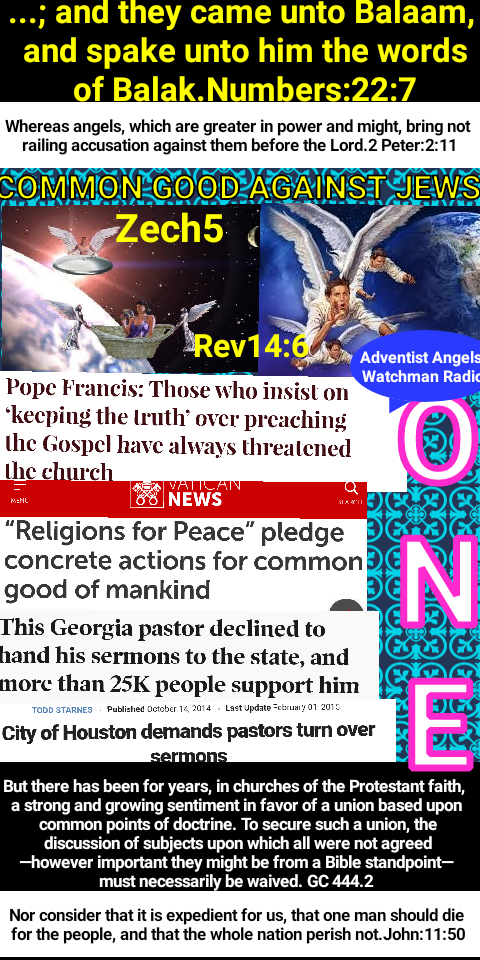
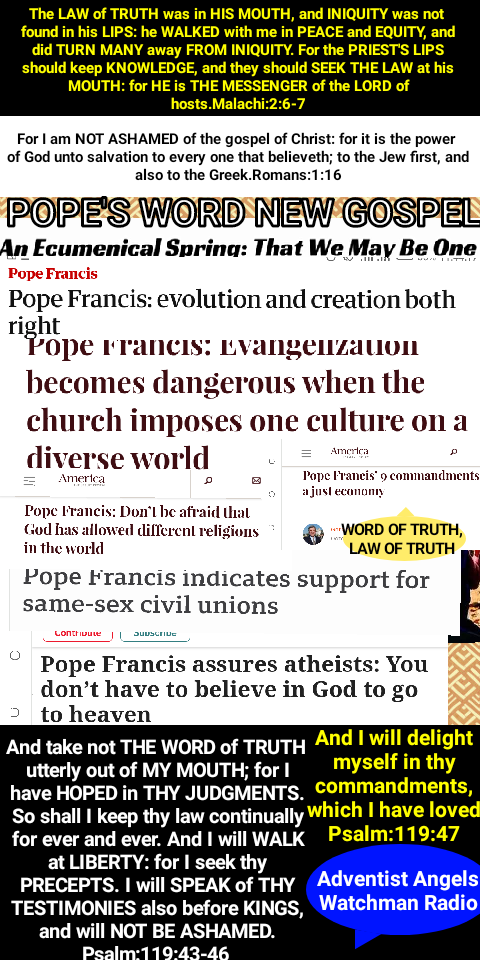
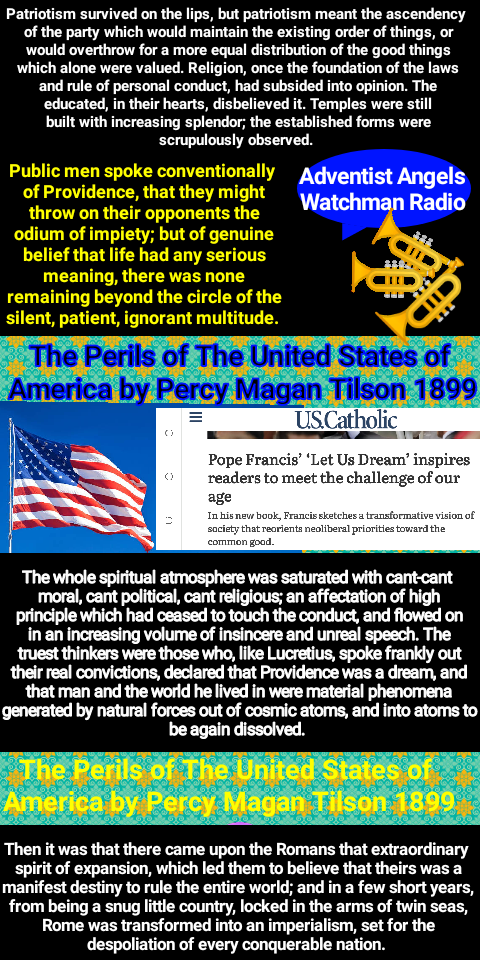
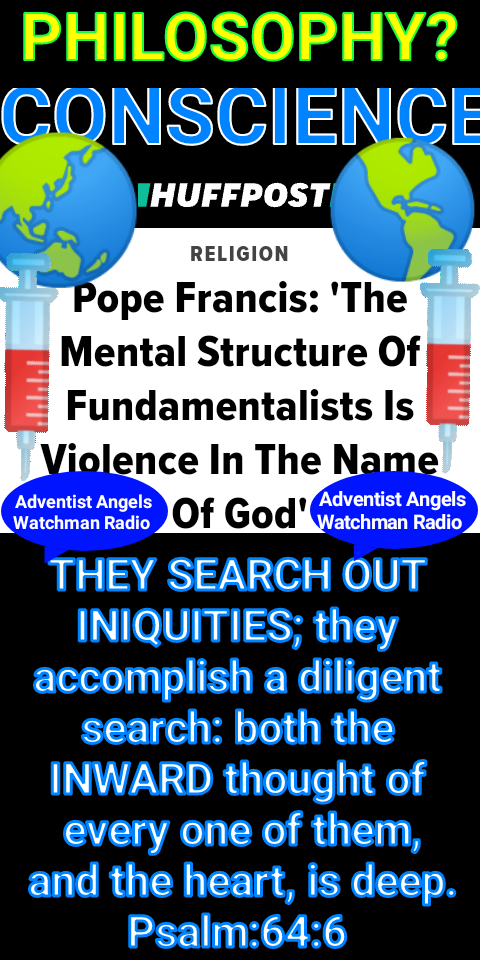
Romanism is now regarded by Protestants with far greater favor than in former years. In those countries where Catholicism is not in the ascendancy, and the papists are taking a conciliatory course in order to gain influence, there is an increasing indifference concerning the doctrines that separate the reformed churches from the papal hierarchy; the opinion is gaining ground that, after all, we do not differ so widely upon vital points as has been supposed, and that a little concession on our part will bring us into a better understanding with Rome. The time was when Protestants placed a high value upon the liberty of conscience which had been so dearly purchased. They taught their children to abhor popery and held that to seek harmony with Rome would be disloyalty to God. But how widely different are the sentiments now expressed!
The defenders of the papacy declare that the church has been maligned, and the Protestant world are inclined to accept the statement. Many urge that it is unjust to judge the church of today by the abominations and absurdities that marked her reign during the centuries of ignorance and darkness. They excuse her horrible cruelty as the result of the barbarism of the times and plead that the influence of modern civilization has changed her sentiments. Have these persons forgotten the claim of infallibility put forth for eight hundred years by this haughty power? So far from being relinquished, this claim was affirmed in the nineteenth century with greater positiveness than ever before. As Rome asserts that the “church never erred; nor will it, according to the Scriptures, ever err ” (John L. von Mosheim, Institutes of Ecclesiastical History, book 3, century II, part 2, chapter 2, section 9, note 17), how can she renounce the principles which governed her course in past ages?
The papal church will never relinquish her claim to infallibility. All that she has done in her persecution of those who reject her dogmas she holds to be right; and would she not repeat the same acts, should the opportunity be presented? Let the restraints now imposed by secular governments be removed and Rome be reinstated in her former power, and there would speedily be a revival of her tyranny and persecution.
A well-known writer speaks thus of the attitude of the papal hierarchy as regards freedom of conscience, and of the perils which especially threaten the United States from the success of her policy: “There are many who are disposed to attribute any fear of Roman Catholicism in the United States to bigotry or childishness. Such see nothing in the character and attitude of Romanism that is hostile to our free institutions, or find nothing portentous in its growth. Let us, then, first compare some of the fundamental principles of our government with those of the Catholic Church.
“The Constitution of the United States guarantees liberty of conscience . Nothing is dearer or more fundamental. Pope Pius IX, in his Encyclical Letter of August 15, 1854, said: `The absurd and erroneous doctrines or ravings in defense of liberty of conscience are a most pestilential error—a pest, of all others, most to be dreaded in a state.’ The same pope, in his Encyclical Letter of December 8, 1864, anathematized `those who assert the liberty of conscience and of religious worship,’ also ‘all such as maintain that the church may not employ force.’
“The pacific tone of Rome in the United States does not imply a change of heart. She is tolerant where she is helpless. Says Bishop O’Connor: ‘Religious liberty is merely endured until the opposite can be carried into effect without peril to the Catholic world.’… The archbishop of St. Louis once said: ‘Heresy and unbelief are crimes; and in Christian countries, as in Italy and Spain, for instance, where all the people are Catholics, and where the Catholic religion is an essential part of the law of the land, they are punished as other crimes.’… “Every cardinal, archbishop, and bishop in the Catholic Church takes an oath of allegiance to the pope, in which occur the following words: ‘Heretics, schismatics, and rebels to our said lord (the pope), or his aforesaid successors, I will to my utmost persecute and oppose.'”—Josiah Strong, Our Country, ch. 5, pars. 2-4. See Appendix for Corrected References.
It is true that there are real Christians in the Roman Catholic communion. Thousands in that church are serving God according to the best light they have. They are not allowed access to His word, and therefore they do not discern the truth. Published in 1888 and 1911. See Appendix. They have never seen the contrast between a living heart service and a round of mere forms and ceremonies. God looks with pitying tenderness upon these souls, educated as they are in a faith that is delusive and unsatisfying. He will cause rays of light to penetrate the dense darkness that surrounds them. He will reveal to them the truth as it is in Jesus, and many will yet take their position with His people.
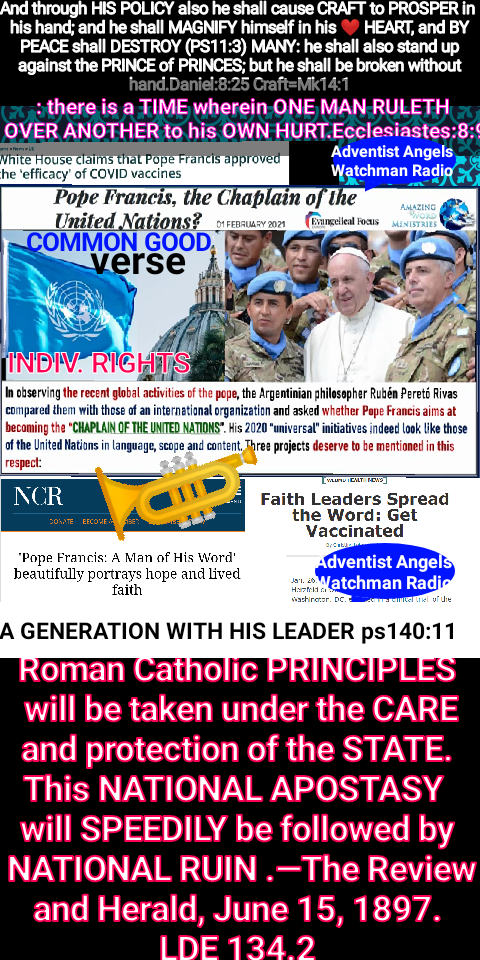
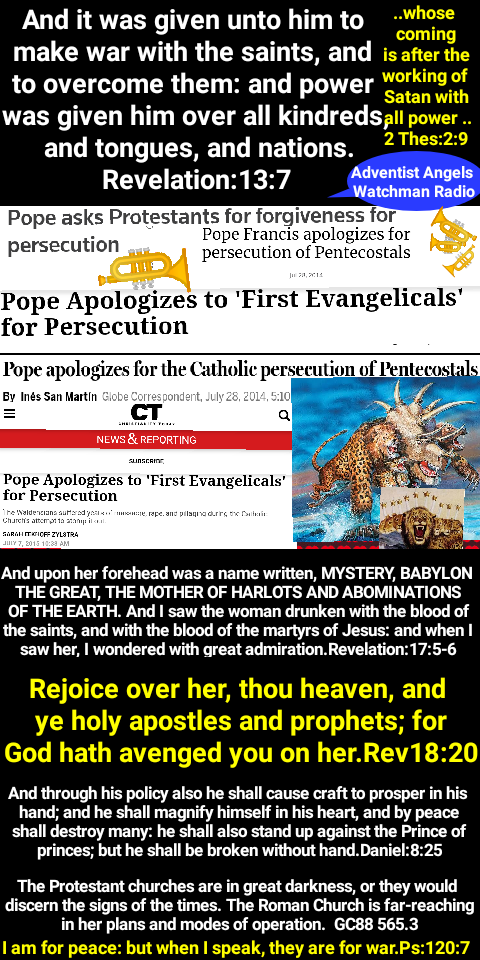
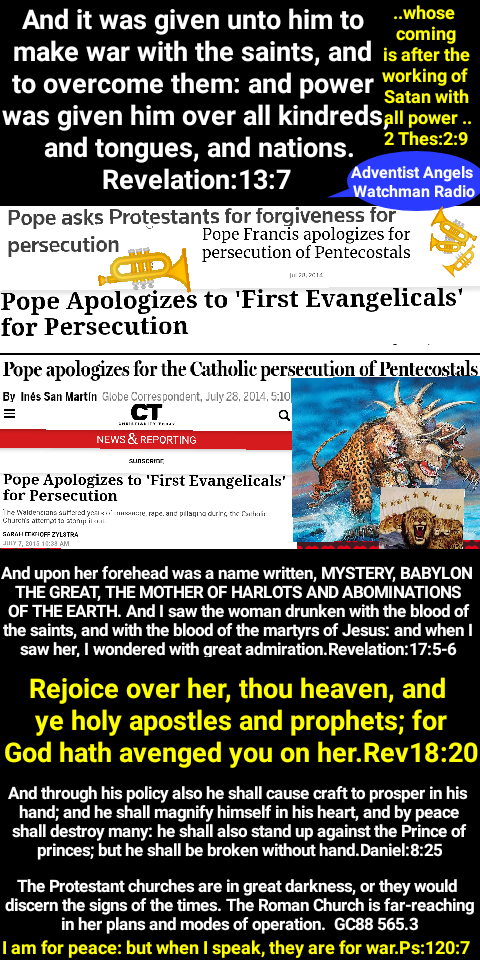
But Romanism as a system is no more in harmony with the gospel of Christ now than at any former period in her history. The Protestant churches are in great darkness, or they would discern the signs of the times. The Roman Church is far-reaching in her plans and modes of operation. She is employing every device to extend her influence and increase her power in preparation for a fierce and determined conflict to regain control of the world, to re-establish persecution, and to undo all that Protestantism has done. Catholicism is gaining ground upon every side. See the increasing number of her churches and chapels in Protestant countries. Look at the popularity of her colleges and seminaries in America, so widely patronized by Protestants. Look at the growth of ritualism in England and the frequent defections to the ranks of the Catholics. These things should awaken the anxiety of all who prize the pure principles of the gospel.
Protestants have tampered with and patronized popery; they have made compromises and concessions which papists themselves are surprised to see and fail to understand. Men are closing their eyes to the real character of Romanism and the dangers to be apprehended from her supremacy. The people need to be aroused to resist the advances of this most dangerous foe to civil and religious liberty. GC 563.1 – GC 566.1
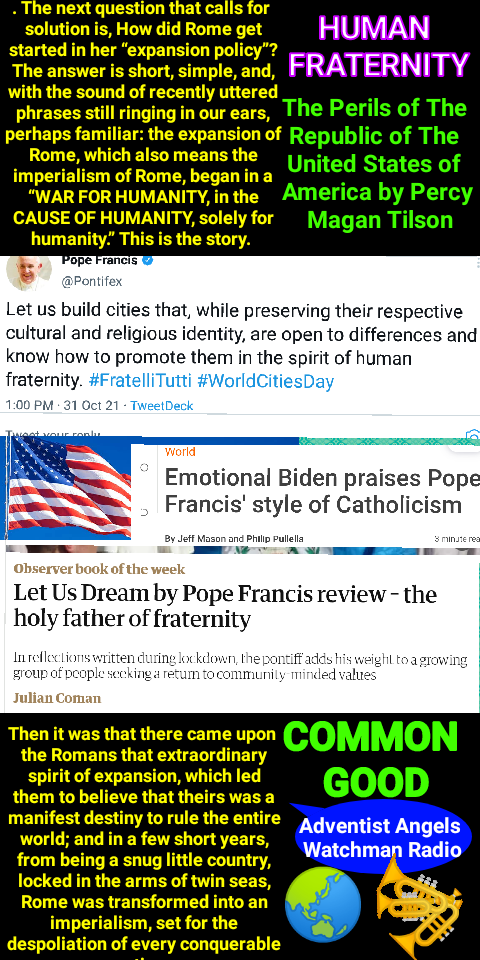
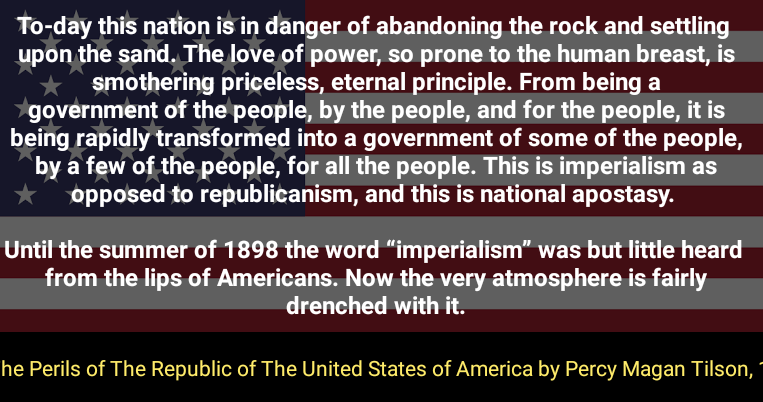
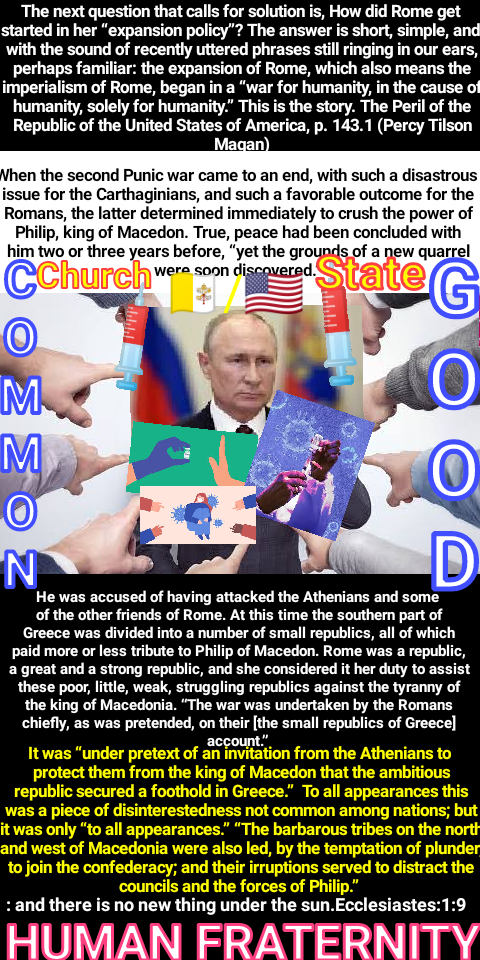
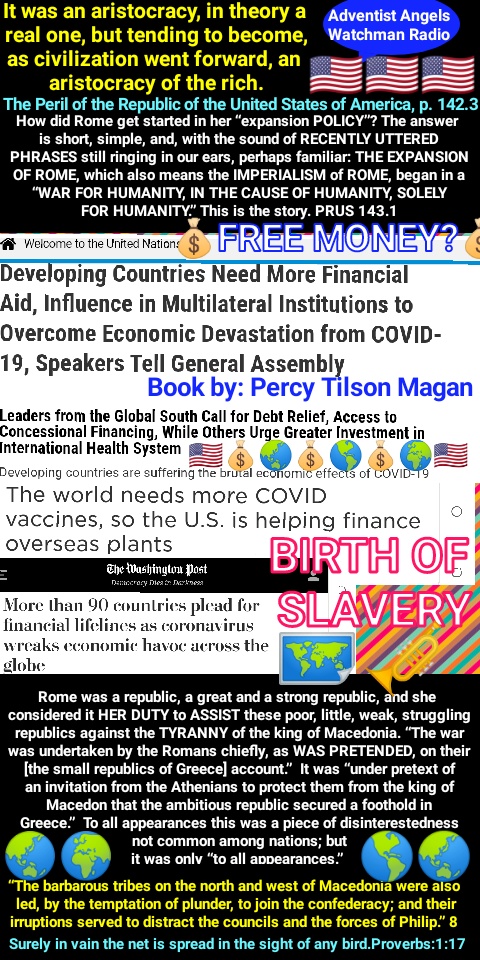
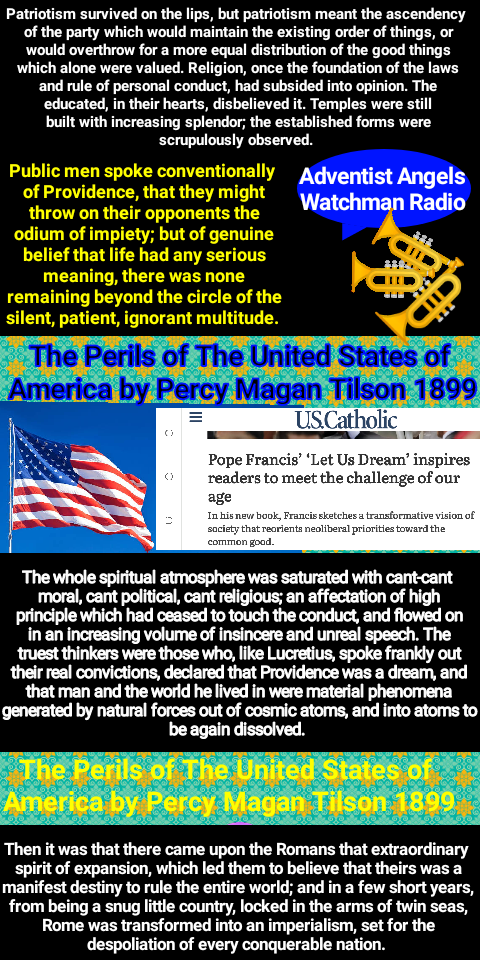
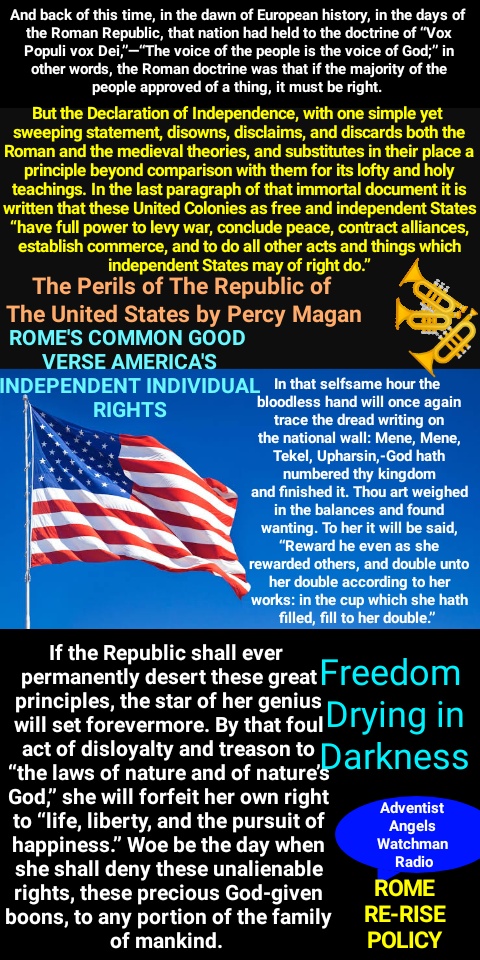
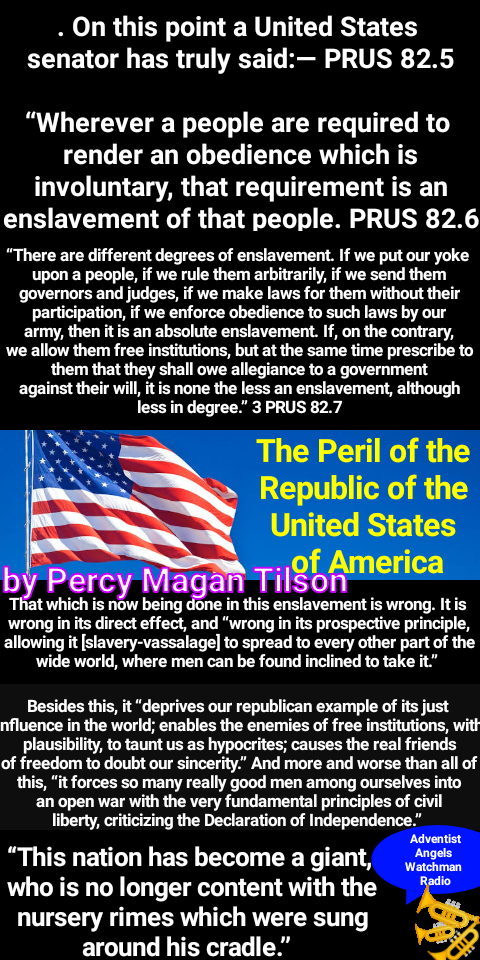
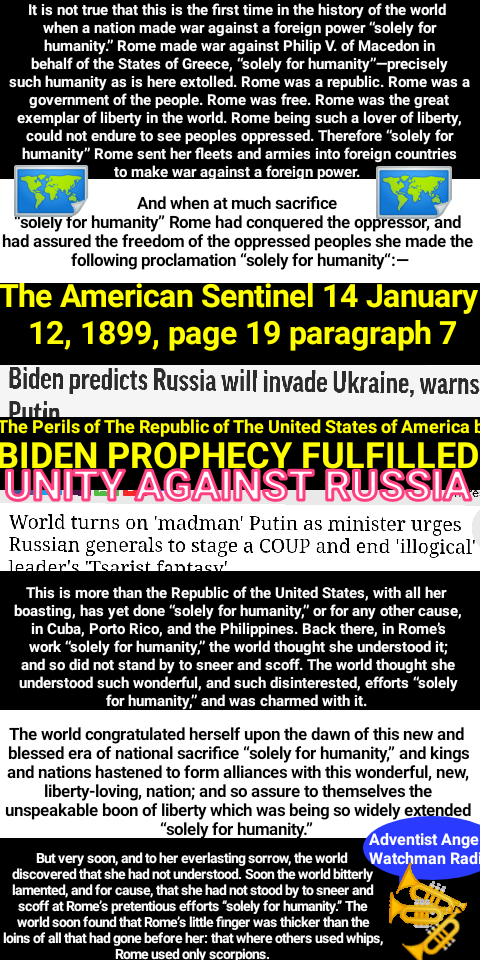
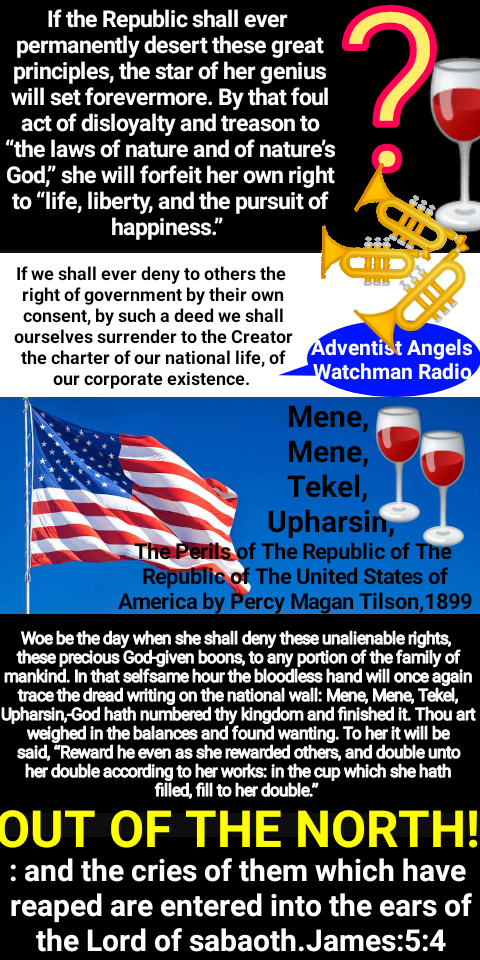
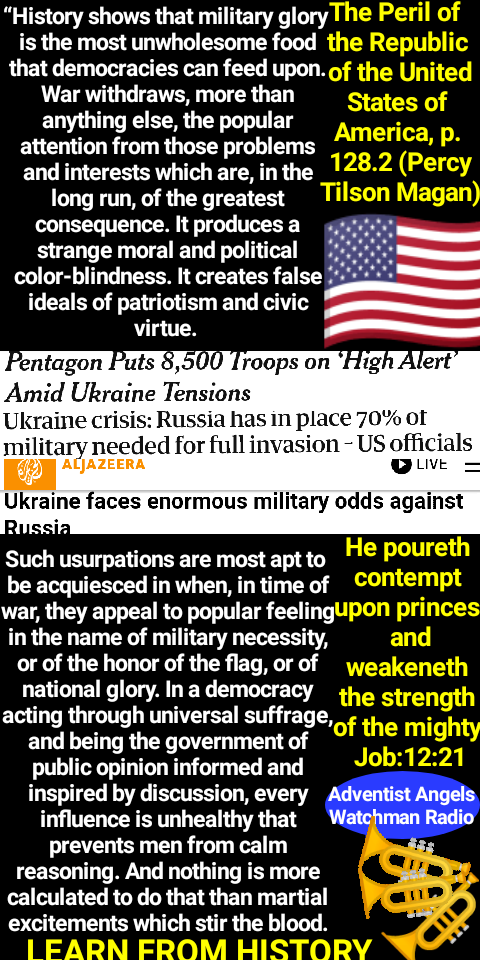
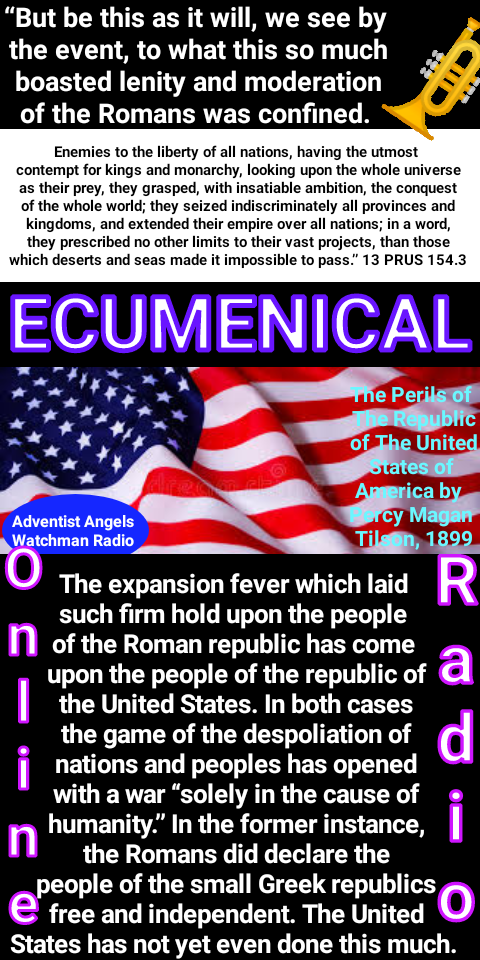
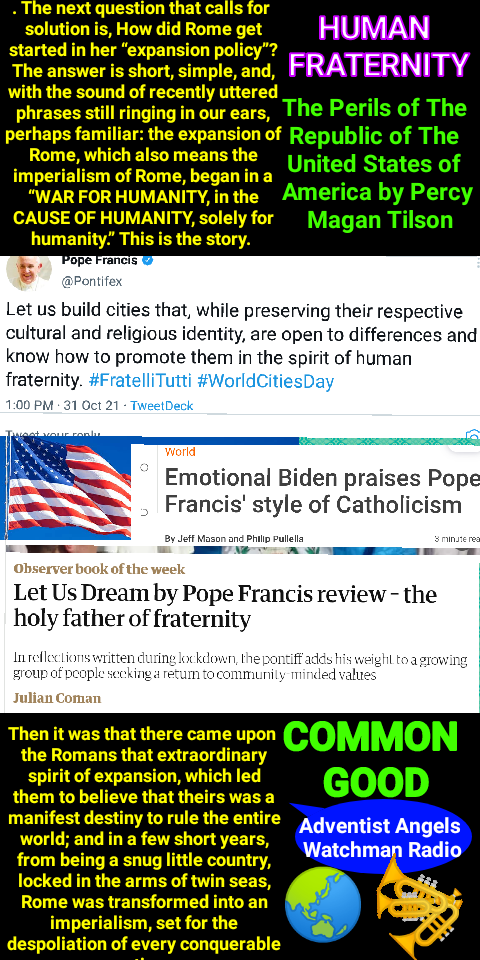
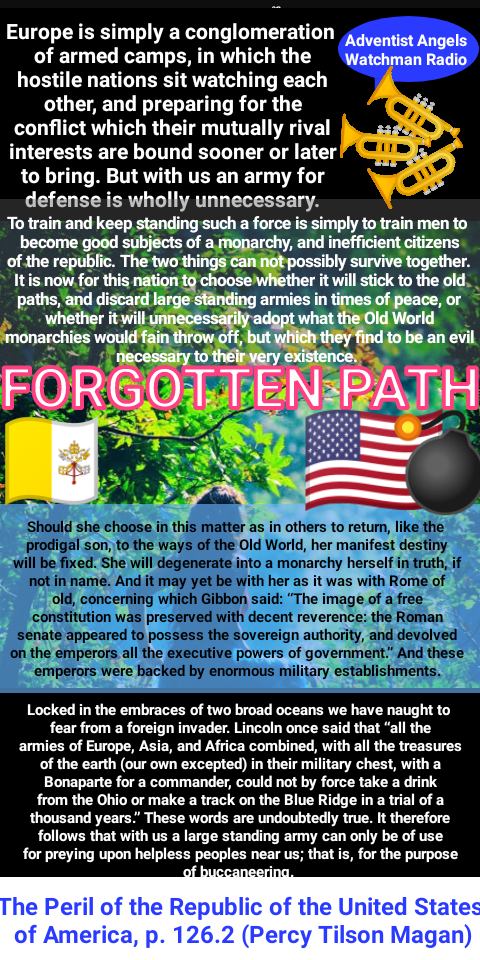
The Peril of the Republic of the United States of America
8/14
Previous
Next CHAPTER V. THE SPANISH INQUISITION
The secret reason for the Inquisition-Everything based on the Bible-Treatment of the Albigenses-Stories circulated concerning the Jews-Position of Queen Isabella-Ideas of King Ferdinand-Evidences that a Jewish conversion was not sincere-The hall of torture-Modes of torture-Why the people of Cuba and the Philippine Islands rebelled against Spain
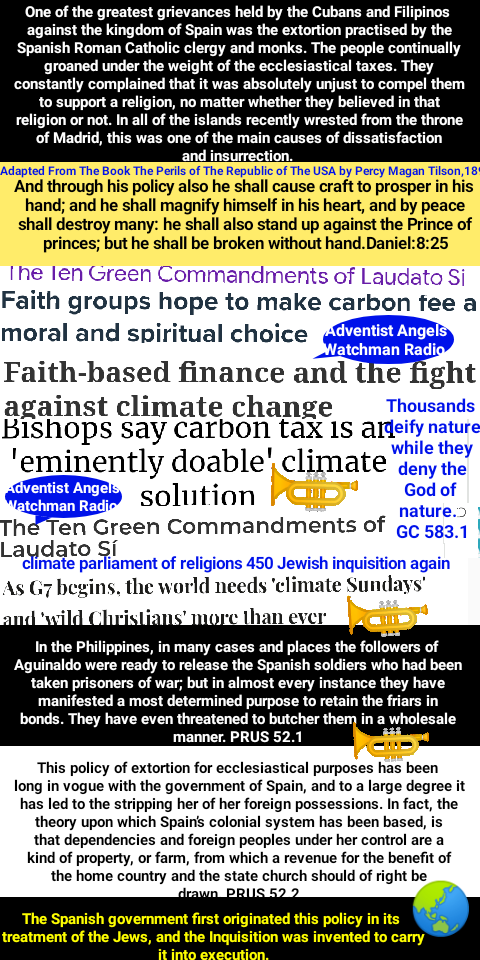
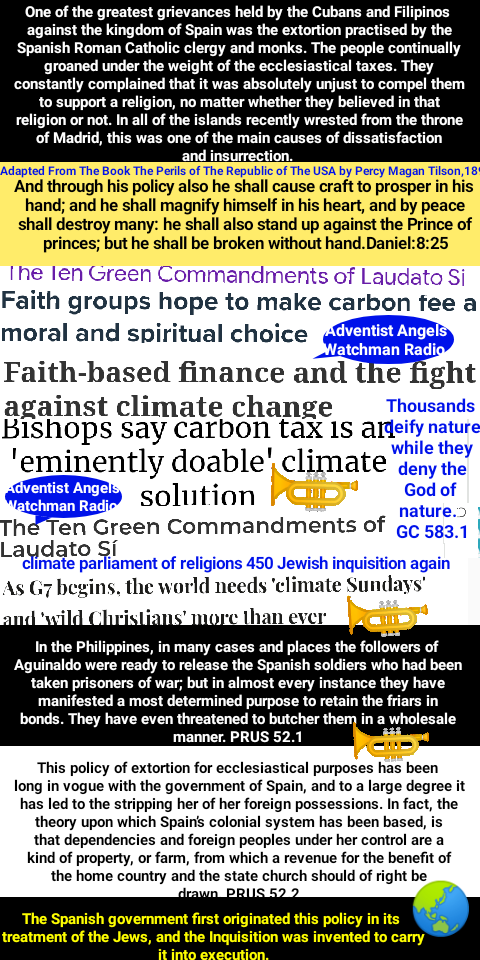
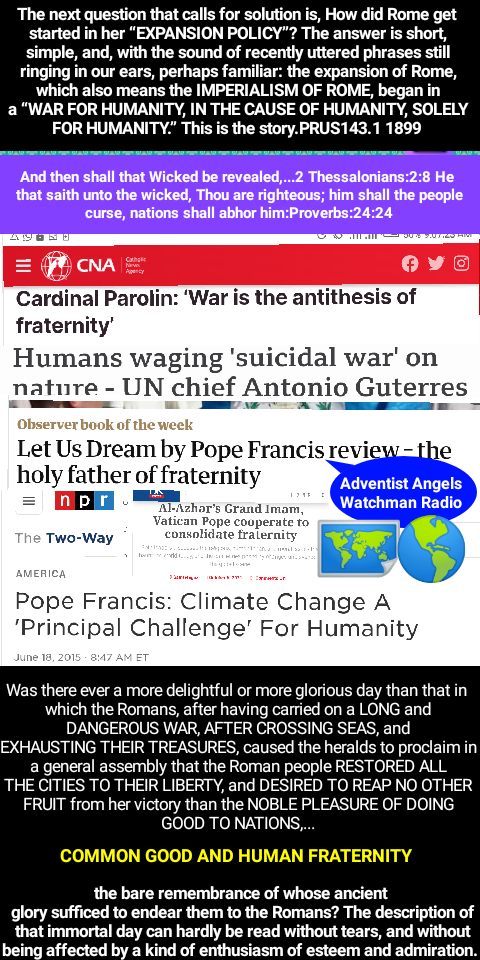
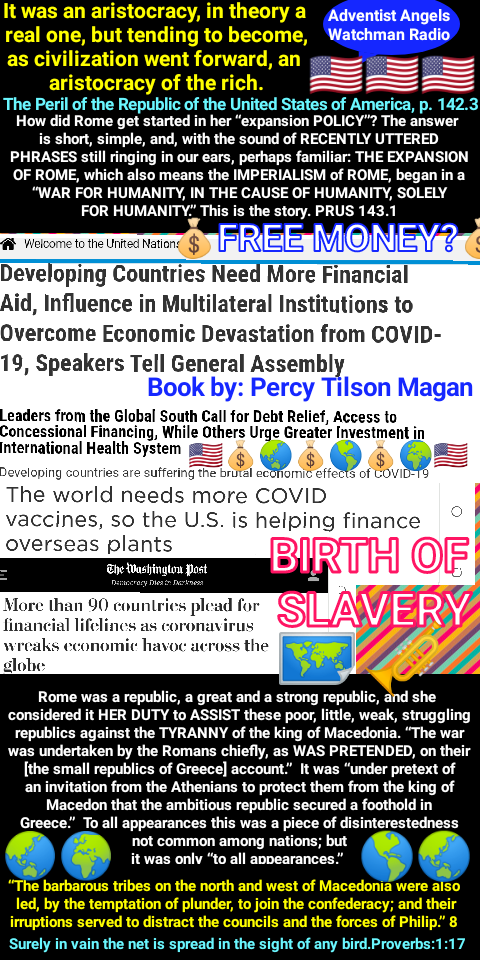
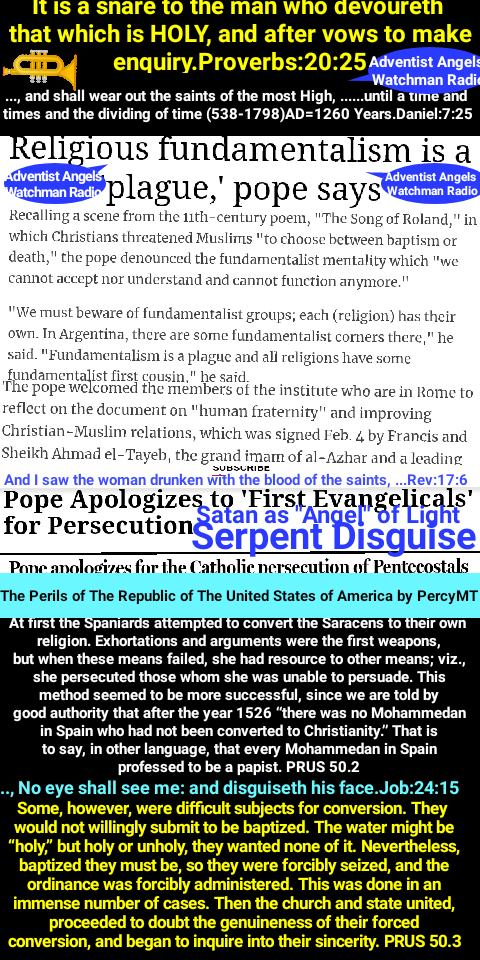
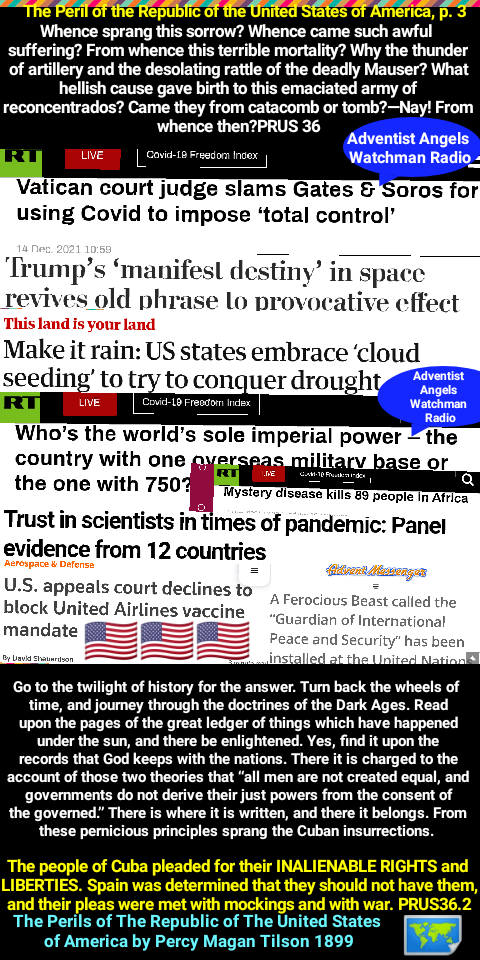
One of the greatest grievances held by the Cubans and Filipinos against the kingdom of Spain was the extortion practised by the Spanish Roman Catholic clergy and monks. The people continually groaned under the weight of the ecclesiastical taxes. They constantly complained that it was absolutely unjust to compel them to support a religion, no matter whether they believed in that religion or not. In all of the islands recently wrested from the throne of Madrid, this was one of the main causes of dissatisfaction and insurrection. In the Philippines, in many cases and places the followers of Aguinaldo were ready to release the Spanish soldiers who had been taken prisoners of war; but in almost every instance they have manifested a most determined purpose to retain the friars in bonds. They have even threatened to butcher them in a wholesale manner. PRUS 52.1
This policy of extortion for ecclesiastical purposes has been long in vogue with the government of Spain, and to a large degree it has led to the stripping her of her foreign possessions. In fact, the theory upon which Spain’s colonial system has been based, is that dependencies and foreign peoples under her control are a kind of property, or farm, from which a revenue for the benefit of the home country and the state church should of right be drawn. PRUS 52.2
The Spanish government first originated this policy in its treatment of the Jews, and the Inquisition was invented to carry it into execution. The story is intensely interesting, and well worthy of consideration here, as it marks the beginning of a piece of sowing from which Spain has just reaped the last instalment of the harvest of loss. PRUS 52.3
The kingdom and church of Spain have always professed to find in Holy Writ precedent for all their doctrines and practises. I do not say that Holy Writ contains precedent for their doctrines and practises; but simply aver that they think they find them there. PRUS 52.4
The Inquisition is one of the most diabolically gross abuses that ever disgraced the name of humanity. Nevertheless the Spanish writers rest the authority of this infamous tribunal upon the Word of God. PRUS 52.5
According to a well-known Roman Catholic historian, God himself was the first inquisitor-general. In the death penalty announced to Adam and Eve, “In the day that thou eatest thereof thou shalt surely die” (Genesis 2:17), precedent is found for inflicting capital punishment on heretics, because our first parents were heretics,-they had left the true faith. Again, the Lord turned them out of the garden of Eden; this was the confiscation of the property of heretics. Thirdly, the Almighty made them “coats of skins, and clothed them.” Genesis 3:21. This was the model of the san benito. 1 The san benitos were coarse woolen garments, in which the heretic was arrayed for the auto da fe, the name given to the ceremony accompanying the burning of the victims. These garments were brought close round the neck, and descended like a frock down to the knees. They were of a yellow color, embroidered with a cross, and well garnished with figures of devils and flames of fire, which, typical of the heretic’s destiny hereafter, served to make him more odious in the eyes of the superstitious multitude. In certain cases the garment was also adorned with the picture of the wearer, burning in flames, with several figures of dragons and devils in the act of fanning them. 2 PRUS 53.1
The Inquisition has existed in principle ever since the fourth century, when Christianity became the established religion of the Roman empire; but acts of intolerance do not seem to have flowed from any systematized plan of persecution until the papal authority had risen to a considerable height. PRUS 53.2
Inquisitorial missions were first sent out by Pope Innocent III, 1210-1215, against the Albigenses, who dwelt under the shadow of the lofty Pyrenees in southern France. They were a most peaceable and polished people, and the only national crime of which they had ever been guilty was that of rejecting with shrinking horror the doctrines and practises of the Roman Catholic Church, whose clergy was regarded with loathing and contempt. “Viler than a priest,“ and “I would as soon be a priest,” became proverbial expressions. “The papacy had lost all authority with all classes, from the great feudal princes down to the cultivators of the soil.” How beautiful their land, how elegant their manners, how advanced, for that barbarous age, their scientific research, how cruel their extermination, the pen of Lord Macaulay has perfectly delineated! PRUS 53.3
In the year 1480, during the reign of Ferdinand and Isabella, the holy office was established in Spain. It was inaugurated for the benefit of the Jews, not primarily because they were heretics, but because they were wealthy, and Rome and Spain needed money. This is a serious charge, but nevertheless a true one, and one which can be easily and clearly sustained. PRUS 54.1
These unfortunate members of the race of Israel were not only wealthy, but they had gradually risen in political eminence until they were the incumbents of the highest civil offices. They made great advancement in various departments of letters. The schools of Cordova, Toledo, Barcelona, and Grenada were crowded with students. It was the Jews and the Arabs who kept alive the flame of learning during the mythological gloom of the Middle Ages. They frequently resided at the courts of Catholic princes as ministers of finance, situations which they were eminently qualified to fill. PRUS 54.2
But royal patronage proved incompetent to save them from the bloody hand of the state church, when their “flourishing fortunes had risen to a sufficient height” to excite her envy. I quote from Prescott:— PRUS 54.3
“Stories were circulated of their contempt for the Catholic worship, their desecration of the most holy symbols, and of their crucifixion, or other sacrifice, of Christian children at the celebration of their own Passover…. At length toward the close of the fourteenth century the fanatical populace, stimulated in many instances by the no less fanatical clergy, and perhaps encouraged by the numerous class of debtors to the Jews, who found this a convenient mode of settling their accounts, made a fierce assault on this unfortunate people in Castile and Arragon, breaking into their houses, violating their most private sanctuaries, scattering their most costly collections and furniture, and consigning the wretched proprietors to indiscriminate massacre, without regard to sex or ago.” 3 PRUS 54.4
On account of this barbarous treatment many of the Spanish Jews feigned conversion to Christianity. Such was their spiritual condition when Ferdinand and Isabella assumed the reins of government. During their reign complaints against Jewish heresy became more and more frequent, and the throne was repeatedly beset with petitions to devise some means for its extirpation. The words of the curate of Los Palacios, who lived at this time, throw considerable light on “the real as well as pretended motives of the subsequent persecution“:— PRUS 55.1
“This accursed race were either unwilling to bring their children to be baptized, or, if they did, they washed away the stain on returning home. They dressed their stews and other dishes with oil instead of lard; abstained from pork; kept the Passover, ate meat in Lent; and sent oil to replenish the lamps in their synagogues, with many other abominable ceremonies of their religion…. They were an exceeding polite and ambitious people engrossing the most lucrative municipal offices.” PRUS 55.2
No wonder Prescott remarks, after quoting the above:— PRUS 55.3
“It is easy to discern in this medley of credulity and superstition the secret envy entertained by the Castilians of the superior skill and industry of their Hebrew brethren, and of the superior riches which these qualities secured to them; and it is impossible not to suspect that the zeal of the most orthodox was considerably sharpened by worldly motives…. Ferdinand listened with complacency to a scheme which promised an ample source of revenue in the confiscations it involved. 4 PRUS 55.4
To Isabella’s honor be it spoken, frequent importunities on the part of the clergy were necessary before she yielded her consent to having the Inquisition established in her dominions. But at last she gave way. PRUS 55.5
“Sixtus the Fourth, who at that time filled the pontifical chair, easily discerning the sources of wealth and influence which this measure [the establishment of the Inquisition in Spain] opened to the court of Rome, readily complied with the petitions of the sovereigns, and expedited a bull, bearing date Nov. 1, 1478, authorizing them to appoint two or three ecclesiastics, inquisitors for the detection and suppression of heresy throughout their dominions.” 5 PRUS 55.6
Ferdinand and Isabella, in 1492, issued a decree expelling from Spain every Jew who did not deny his faith, so that the soil of Spain might be no longer polluted by the presence of unbelievers. To make them Christians, or failing in this, to exterminate them, was the business of the Inquisition. PRUS 56.1
Of course many of the Jews declared, when the terrible words which constituted the form of arrest, “Deliver yourself up a prisoner to the Inquisition!” were whispered in their ear, that they were not Jews, but Catholics. It then became necessary to prove that they were Jews. Here are some of the points by means of which the charge of Judaism was established among them:— PRUS 56.2
“It was considered good evidence of the fact if the prisoner wore better clothes or cleaner linen on the Jewish Sabbath than on any other day of the week; if he had no fire in his house the preceding evening; if he sat at table with Jews, or ate the meat of animals slaughtered by their hands, or drank a certain beverage held in much estimation by them; if he washed a corpse in warm water, or when dying turned his face to the wall; or, finally, if he gave Hebrew names to his children, a provision most whimsically cruel, since, by a law of Henry II he was prohibited under severe penalties from giving them Christian names. He must have found it difficult to have extricated himself from the horns of this dilemma. Such are a few of the circumstances, some of them purely accidental in their nature, others the result of early habit, which might well have continued after a sincere conversion to Christianity, and all of them trivial, on which capital accusations were to be alleged, and even satisfactorily established.” 6 PRUS 56.3
I give this quotation from Llorente, as he is a writer most competent to unveil the hidden mysteries of the Inquisition. He was secretary to that tribunal in Madrid from 1790-1792. He devoted several years to a thorough investigation of the records of the tribunals, as well as of other original documents contained in their archives. PRUS 56.4
It will therefore be now in place to relate some of those secret workings, and to relate how its victims were accused, condemned, and tortured. PRUS 56.5
To presume the innocence of the prisoner until his guilt has been established, is an axiom of justice accepted by all true jurists. The Inquisition, however, instead of granting to the prisoner the protection afforded by every other judicature, and especially demanded by his forlorn situation, acted upon the opposite principle, and used the most insidious arts to circumvent and surround all who came within its fearful grasp. Says Prescott:— PRUS 56.6
“The accused, … whose mysterious disappearance was perhaps the only public evidence of his arrest, was conveyed to the secret chambers of the Inquisition, where he was jealously excluded from intercourse with all, save a priest of the Romish Church, and his jailer, both of whom might be regarded as the spies of the tribunal. In this desolate condition the unfortunate man, cut off from external communication and all cheering sympathy and support, was kept for some time in ignorance even of the nature of the charges preferred against him; and at length, instead of the original process, was favored only with extracts from the deposition of the witnesses, so garbled as to conceal every possible clue to their name and quality. With still greater unfairness no mention whatever was made of such testimony as had arisen in the course of the examination in his own favor. Counsel was indeed allowed him from a list presented by his judges. But this privilege availed little, since the parties were not permitted to confer together, and the advocate was furnished with no other information than what had been granted to his client. To add to the injustice of these proceedings, every discrepancy in the statements of the witnesses was converted into a separate charge against the prisoner, who thus, instead of one crime, stood accused of several. This, taken in connection with the concealment of time, place, and circumstance in the accusations, created such embarrassment that, unless the accused was possessed of unusual acuteness and presence of mind, it was sure to involve him, in his attempt to explain, in inextricable contradiction. PRUS 57.1
“If the prisoner refused to confess his guilt, or, as was usual, was suspected of evasion, or an attempt to conceal the truth, he was subjected to torture. This, which was administered in the deepest vaults of the Inquisition, where the cries of the victim could fall on no ear save that of his tormentors, is admitted by the secretary of the holy office, who has furnished the most accurate report of its transactions, not to have been exaggerated in any of the numerous narratives which have dragged these subterranean horrors into light. If the intensity of pain extorted a confession from the sufferer, he was expected, if he should survive, to sustain it on the next day. Should he refuse to do this, his mutilated members were condemned to a repetition of the same sufferings, until his obstinacy (it should rather have been termed his heroism) might be vanquished.” 7 PRUS 57.2
“By a subsequent regulation of Philip II, the repetition of torture in the same process was strictly prohibited to the inquisitors. But they, making use of a sophism worthy of the arch-fiend himself, contrived to evade this law, by pretending after each new application of punishment, that they had only suspended and not terminated the torture.” 8 PRUS 58.1
“Should the rack, however, prove ineffectual to force a confession of his guilt, he was so far from being considered as having established his innocence that, with a barbarity unknown to any tribunal where torture has been admitted, and which of itself proves its utter incompetency to the end it proposes, he was not unfrequently convicted on the depositions of the witnesses. At the conclusion of his mock trial, the prisoner was again returned to his dungeon, where, without the blaze of a single faggot to dispel the cold or illuminate the darkness of the long winter night, he was left in unbroken silence to await the doom which was to consign him to an ignominious death, or a life scarcely less ignominious.” 9 PRUS 58.2
To add to the discomfiture of the victims, the three men who sat as judges in the inquisitorial courts were almost invariably chosen from the most ignorant. Says Puighblanch:— PRUS 58.3
“Even the common people, amidst the illusion in which they lived under the yoke of this tribunal, at length became sensible of the great ignorance which prevailed in its dark conclaves. This is proved by the following saying to be met in the mouths of every one:— PRUS 58.4
“Question-What constituted the Inquisition? PRUS 58.5
“Answer-One crucifix, two candlesticks, and three blockheads, alluding to the form and parade of its sittings, and the number of the Judges present thereat.” 10 PRUS 58.6
The culprit was obliged to declare his whole genealogy and descent, and to state whether any of his ancestors, in a direct or transversal line, or his brothers, wife, children, or, indeed, himself, had at any time previously been arraigned before the tribunal, and penanced by it. The real object of all this was to obtain possession of the property he might have inherited, by declaring the right of succession null and void. PRUS 59.1
There were three kinds of torture generally used by the Inquisition; viz., the pulley, the rack, and the fire. The apartment in which these were inflicted was underground, and was called the hall of torture. PRUS 59.2
The first of these three modes of punishment was inflicted by fastening a pulley, with a rope passed through it, to the roof. The executioners would then seize the culprit, shackle his feet together, and suspend weights of one hundred pounds to his ankles. His hands were bound behind his back, and the rope from the pulley fastened to his wrists. He was then raised about six feet from the ground, and twelve stripes were inflicted upon him. After this he was let down with a run, but checked just before either of his feet or the weights should touch the floor, in order to render the shock to his body greater. PRUS 59.3
The torture of the rack, also called that of water and ropes, was a common one. The victim, divested of his clothing, was stretched upon his back along a hollow bench with sticks across like a ladder, and prepared for the purpose. To this his head, hands, and feet were bound so tightly that he could not move. In this position he experienced eight strong contortions in his limbs; viz., two on the fleshy parts of the arm above the elbow, two below the elbow, two on the thighs, and two on the legs. Sometimes also his face was covered with a thin piece of linen, through which seven pints of water ran into his mouth and nostrils, preventing him from breathing. PRUS 59.4
But the torture by fire was the most revolting of all. The prisoner was placed with his legs naked in the stocks, the soles of his feet well greased with lard, and a blazing chafing-dish applied to them, by the heat of which they became perfectly fried 11 PRUS 59.5
Now all of these tortures and inhuman barbarities were committed in defense of those two theories that there should not be freedom of conscience, and that men are not equal before the law. They were committed for the purpose of wringing money from the inferior race (if inferior it can be termed) for the support of the superior. I can not believe that originally the Spaniards were more cruel or inhuman than the rest of mankind. It is certain that we are all of one blood, and all born in sin. But the manifestation of such awful cruelties by the Spaniards was brought about by following a wrong theory. PRUS 59.6
The people of Cuba and of the Philippine Islands were oppressed for precisely the same reasons that the Jews of Spain were oppressed so many years ago. As a result of the first persecutions, the Jews left, and were driven out of Spain. But as a result of the second, the Spanish were driven out of the Philippines, and out of Cuba; for in this latter time the cup of her iniquity was full and her punishment was decreed from above. PRUS 60.1
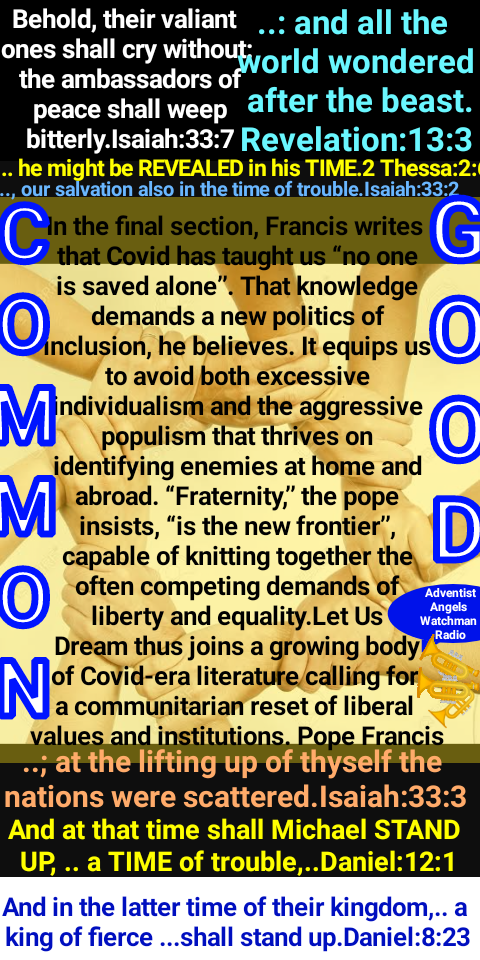
….., that the way of the kings of the east might be prepared.Revelation:16:12
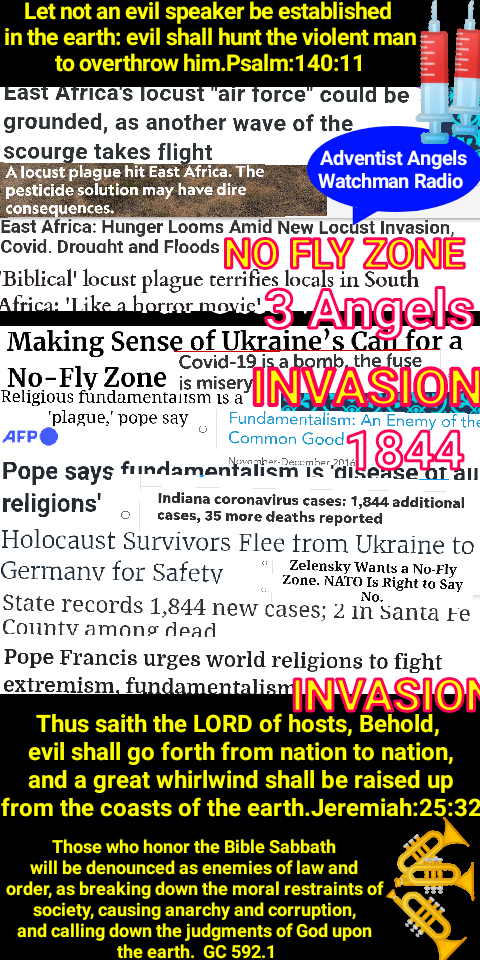
Ukranian President Volodymyr Zelensky appears on screen to address people at the City Hall Square in Copenhagen on May, 4,2022. (Photo by AFP)
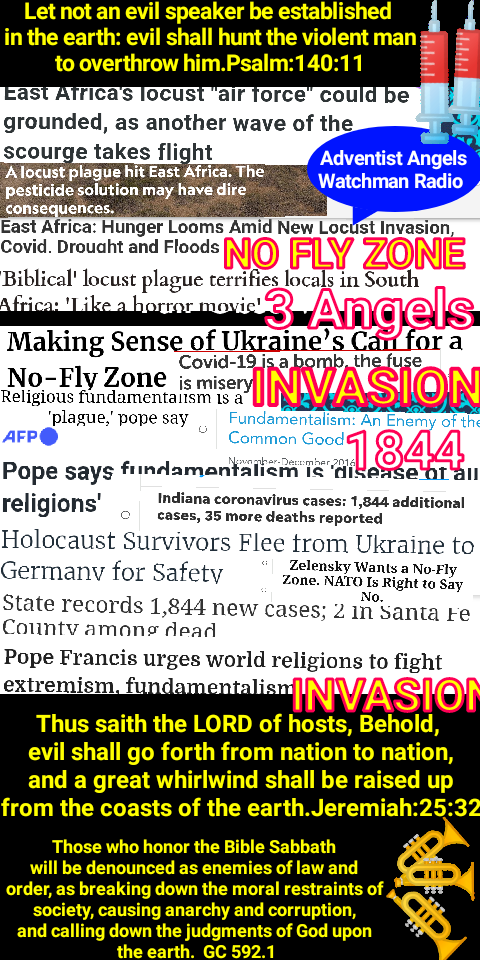
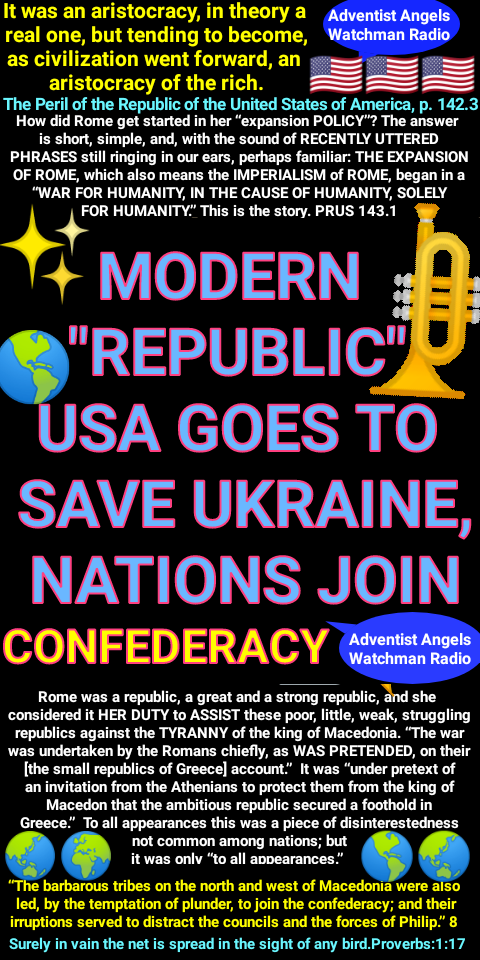
Ukrainian President Volodymyr Zelensky says the United States is the “accelerator of the sanction policies” against Russia amid the military conflict in Ukraine.
Zelensky said in an interview with Fox News on Saturday that Washington has so far been “the accelerator of the sanction policies and I think they do more than any other country.”
“And this is the way it should be because they are the most powerful country right now,” he added.
President Biden, however, signed a new weapons package worth at least $100 million to Ukraine, on Friday.
His administration has sent $3.4 billion worth of armaments to Ukraine since the onset of the military conflict in Ukraine.President Biden, however, signed a new weapons package worth at least $100 million to Ukraine, on Friday.
His administration has sent $3.4 billion worth of armaments to Ukraine since the onset of the military conflict in Ukraine.
“I see the same support with respect to sanctions from the United Kingdom,” said the Ukrainian president.
US President Joe Biden has repeatedly threatened Russia with crippling sanctions since President Vladimir Putin declared the military campaign in Ukraine on February 24.
Ever since the Biden administration has sanctioned Russian banks, and individuals with ties to the Kremlin, and Putin himself, among other measures.
Washington also announced a ban on Russian oil imports.
Members of the Biden administration also worked in confluence with western allies and countries like Japan to coordinate sanctions against Moscow.
American activists prepare pushback vs US war with Russia
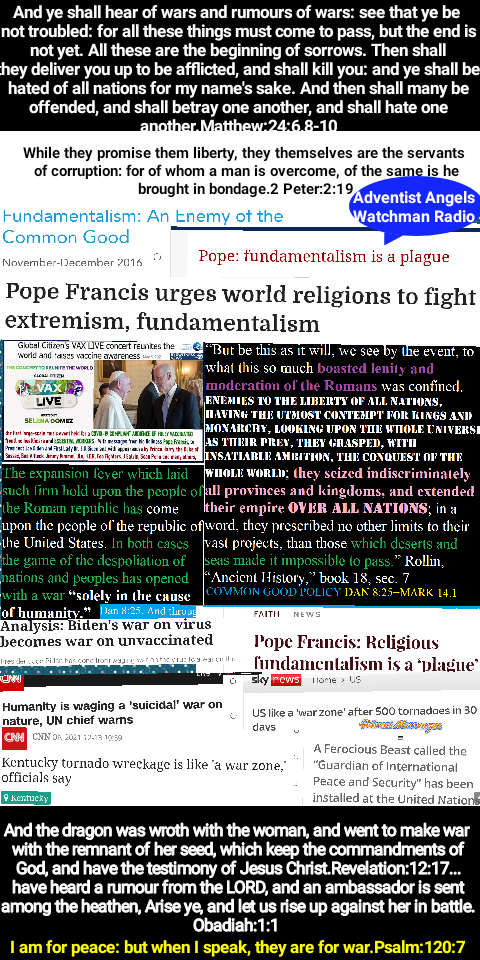
A number of members of the US Congress has admitted that the US is, in fact, currently in a war against Russia, which has provoked a response from some activists in the US.
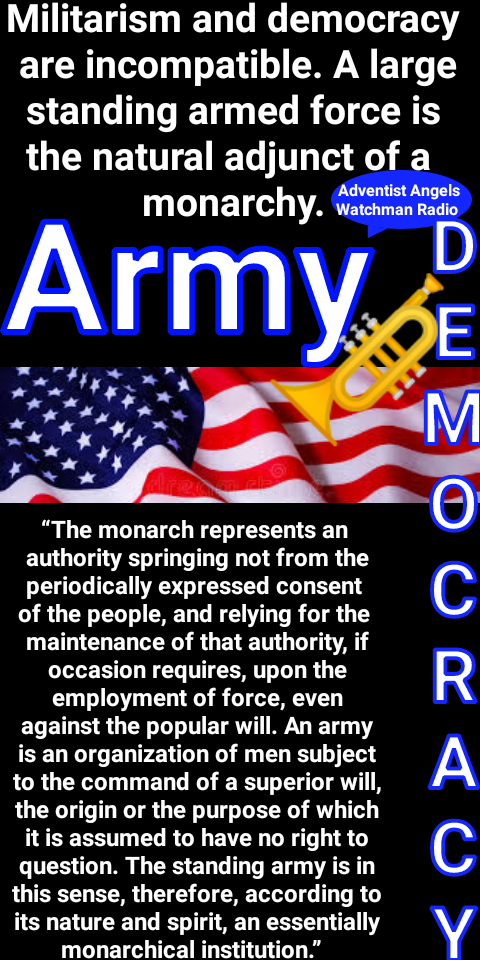
In addition to imposing sanctions on Russia, the US and its European allies are backing Ukraine with cash and increasingly heavy and sophisticated weaponry.
The Kremlin says that the West is preventing a “quick” end to Russia’s military operation in Ukraine by providing Kiev with weapons.
President Biden, however, signed a new weapons package worth at least $100 million to Ukraine, on Friday.
His administration has sent $3.4 billion worth of armaments to Ukraine since the onset of the military conflict in Ukraine.



















































 Adventist Angels Watchman Radio